William Patrick Roberts (British, 1895 – 1980)
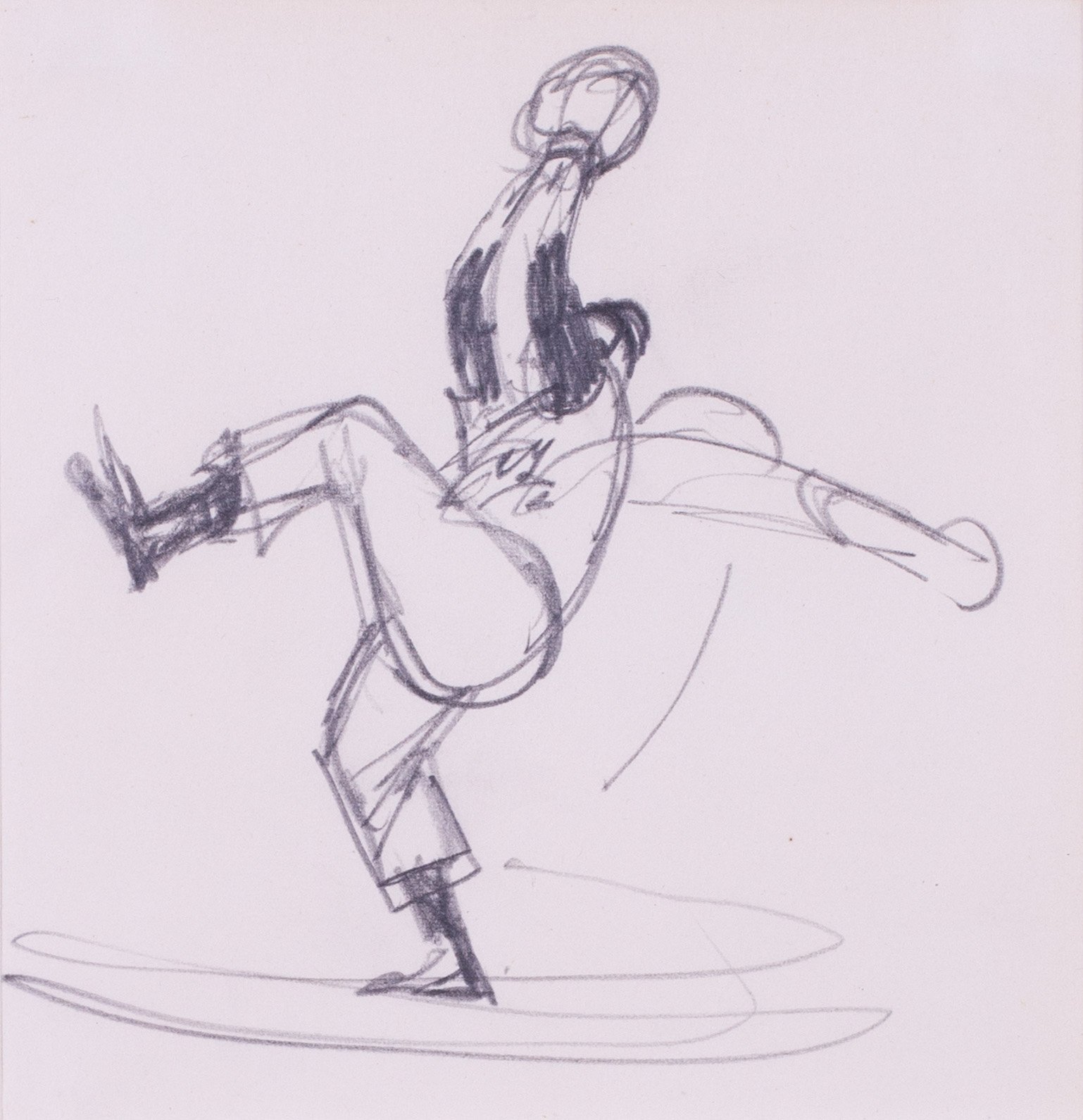
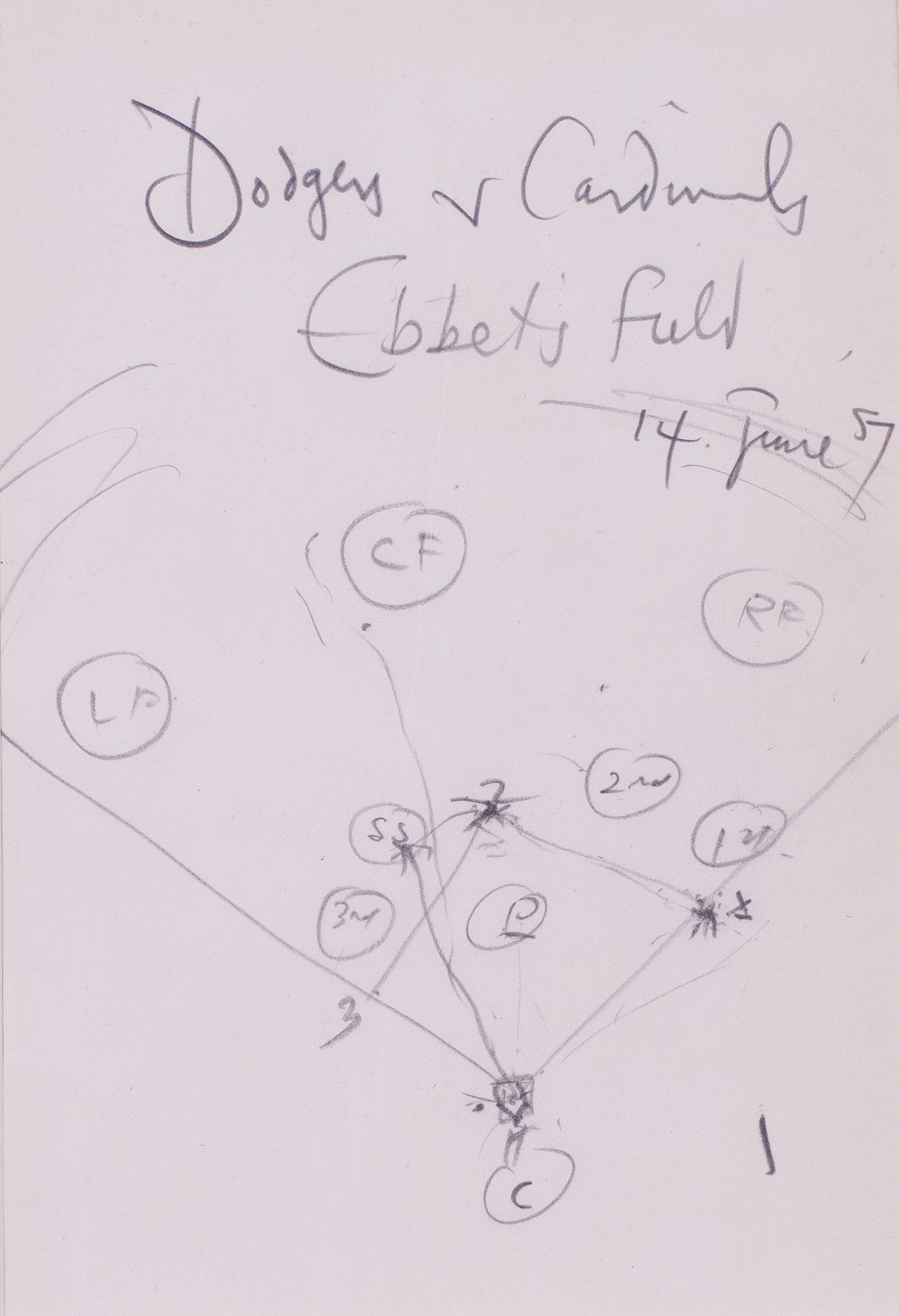
Reclining female nude
pencil on paper
7.3/4 x 11.7/8 in. (19.5 x 30.2 cm.)
Provenance: A gift from the artist to his student Eric Mellon (British, 1925 – 2014) whilst at the Central school of arts and crafts, London. Eric Mellon attended William Roberts’ life drawing classes from 1944-1950
Read more »
William Roberts RA (1895–1980) was one of the most distinctive British artists of the 20th century, best known for his vigorous paintings and drawings of London life, the theatre and everyday human activity. Born in London, he studied at the Slade School of Fine Art, where he became closely associated with Wyndham Lewis and the circle that developed into Vorticism. He exhibited in the landmark Vorticist exhibition at the Doré Gallery in 1915 and contributed drawings to Blast.
His experience as an official war artist during the First World War profoundly influenced his approach, encouraging a more direct and dynamic treatment of figures and movement. After the war, Roberts developed a highly individual style characterised by rhythmic, angular forms and tightly interlocking figures, drawing on both Cubism and the traditions of European painting.
Roberts remained independent of prevailing artistic fashions, concentrating on subjects drawn from everyday life. His crowded scenes of London streets, cafés, pubs and theatres combine observation with a distinctive sense of movement and humour.
He was elected a Royal Academician in 1958, and his work is now held in major collections including Tate and the Imperial War Museum.
William Patrick Roberts (British, 1895 – 1980)
Reclining female nude
pencil on paper
7.3/4 x 11.7/8 in. (19.5 x 30.2 cm.)
Provenance: A gift from the artist to his student Eric Mellon (British, 1925 – 2014) whilst at the Central school of arts and crafts, London. Eric Mellon attended William Roberts’ life drawing classes from 1944-1950
Read more »
William Roberts RA (1895–1980) was one of the most distinctive British artists of the 20th century, best known for his vigorous paintings and drawings of London life, the theatre and everyday human activity. Born in London, he studied at the Slade School of Fine Art, where he became closely associated with Wyndham Lewis and the circle that developed into Vorticism. He exhibited in the landmark Vorticist exhibition at the Doré Gallery in 1915 and contributed drawings to Blast.
His experience as an official war artist during the First World War profoundly influenced his approach, encouraging a more direct and dynamic treatment of figures and movement. After the war, Roberts developed a highly individual style characterised by rhythmic, angular forms and tightly interlocking figures, drawing on both Cubism and the traditions of European painting.
Roberts remained independent of prevailing artistic fashions, concentrating on subjects drawn from everyday life. His crowded scenes of London streets, cafés, pubs and theatres combine observation with a distinctive sense of movement and humour.
He was elected a Royal Academician in 1958, and his work is now held in major collections including Tate and the Imperial War Museum.

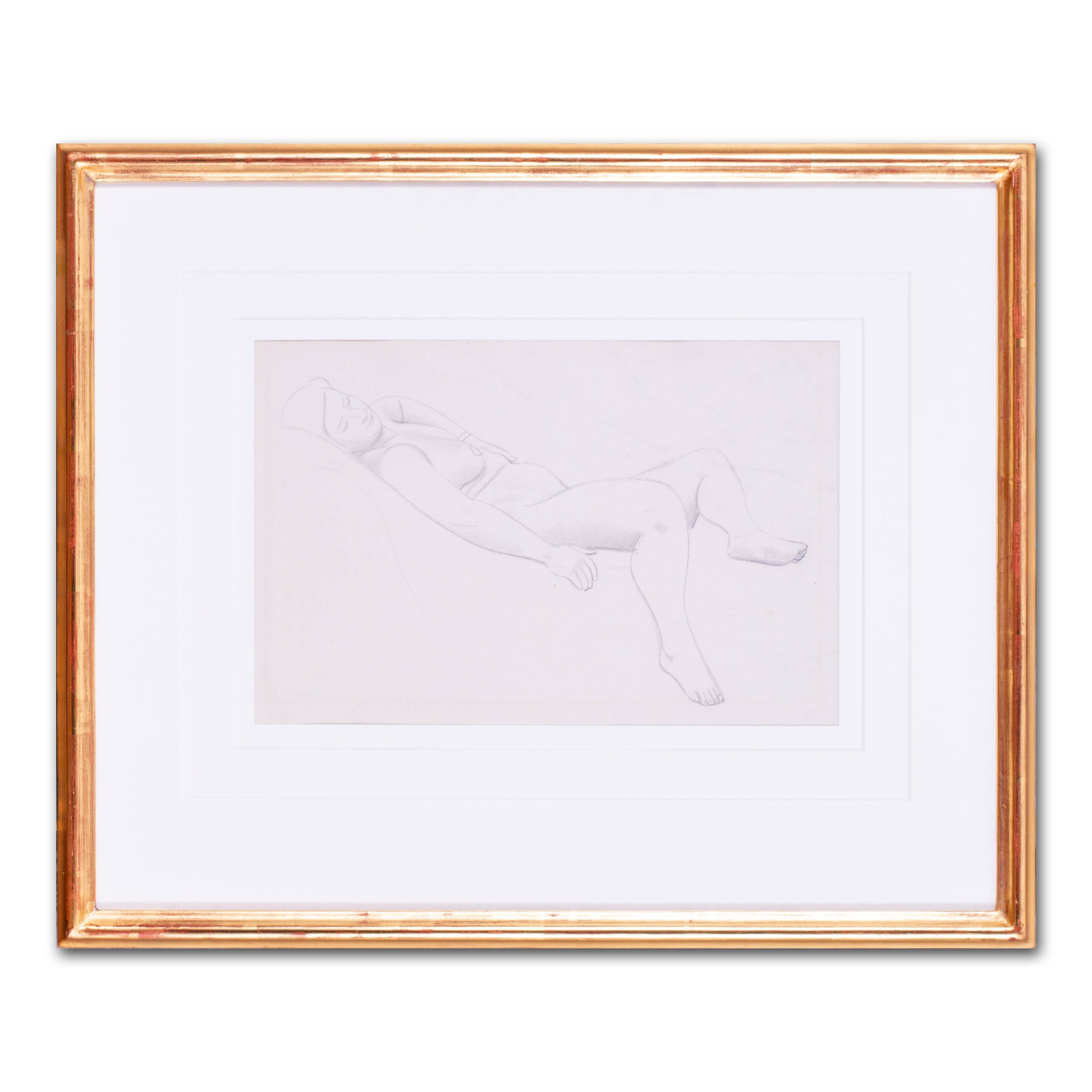 Image 1 of 8
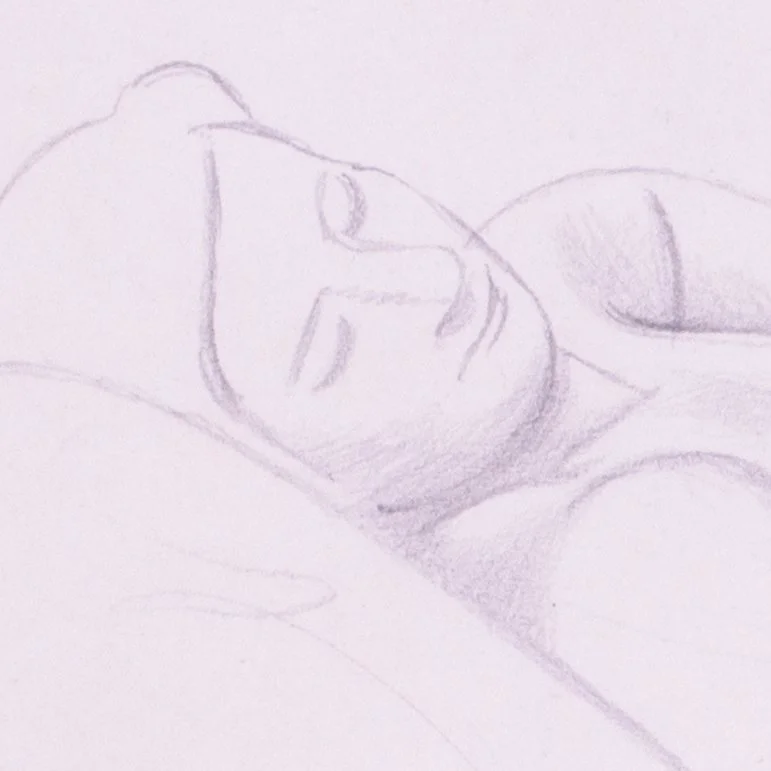 Image 2 of 8
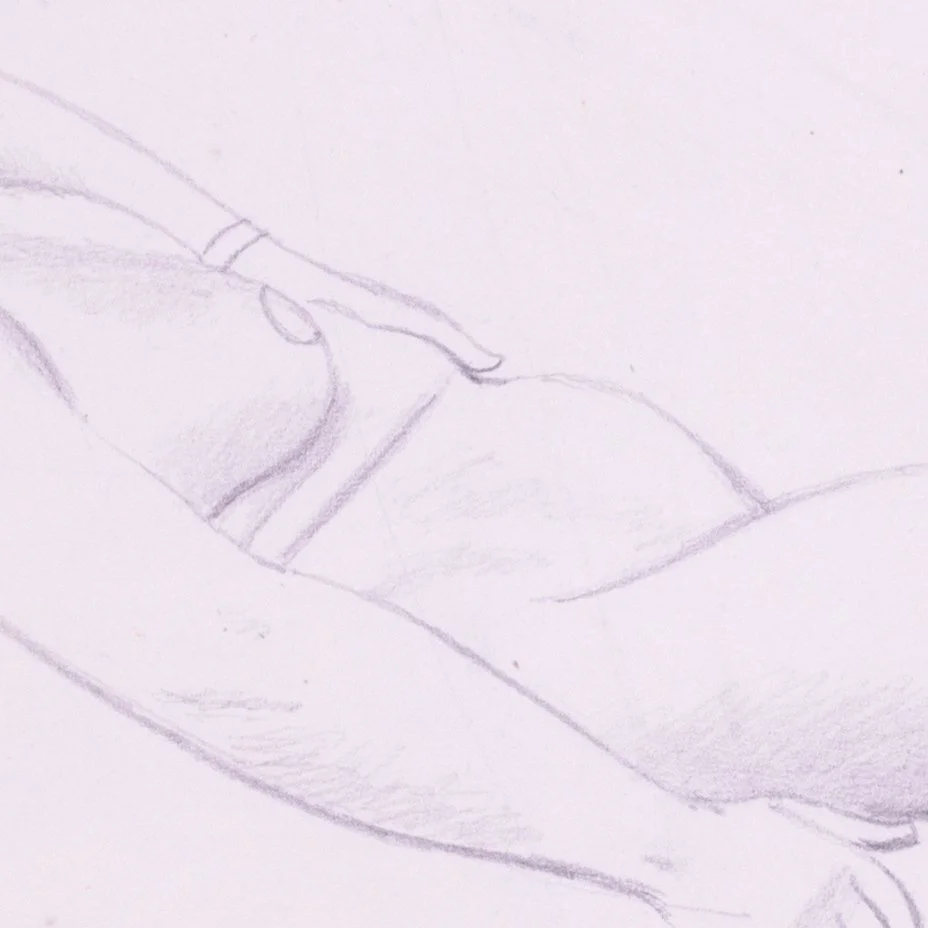 Image 3 of 8
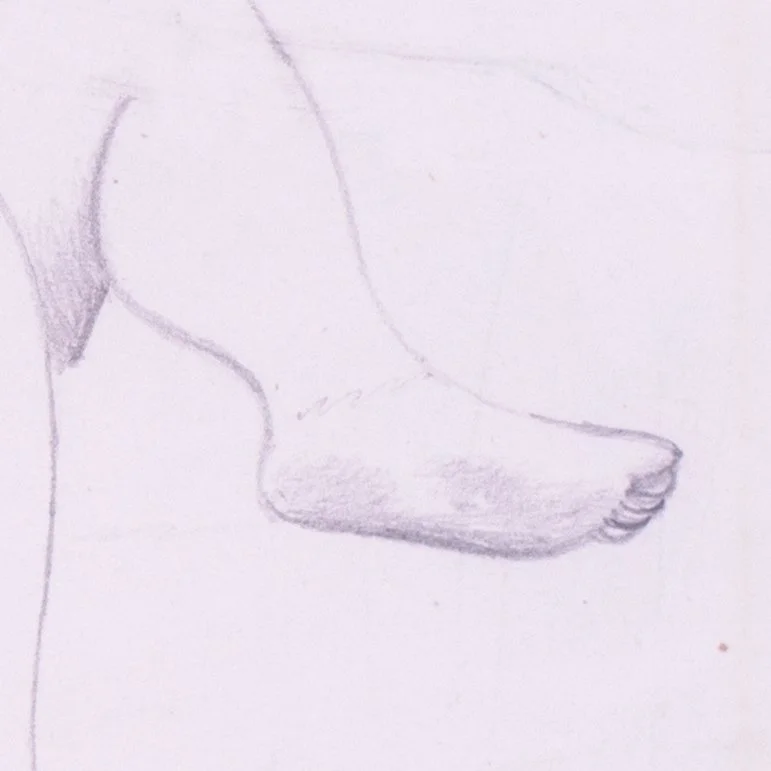 Image 4 of 8
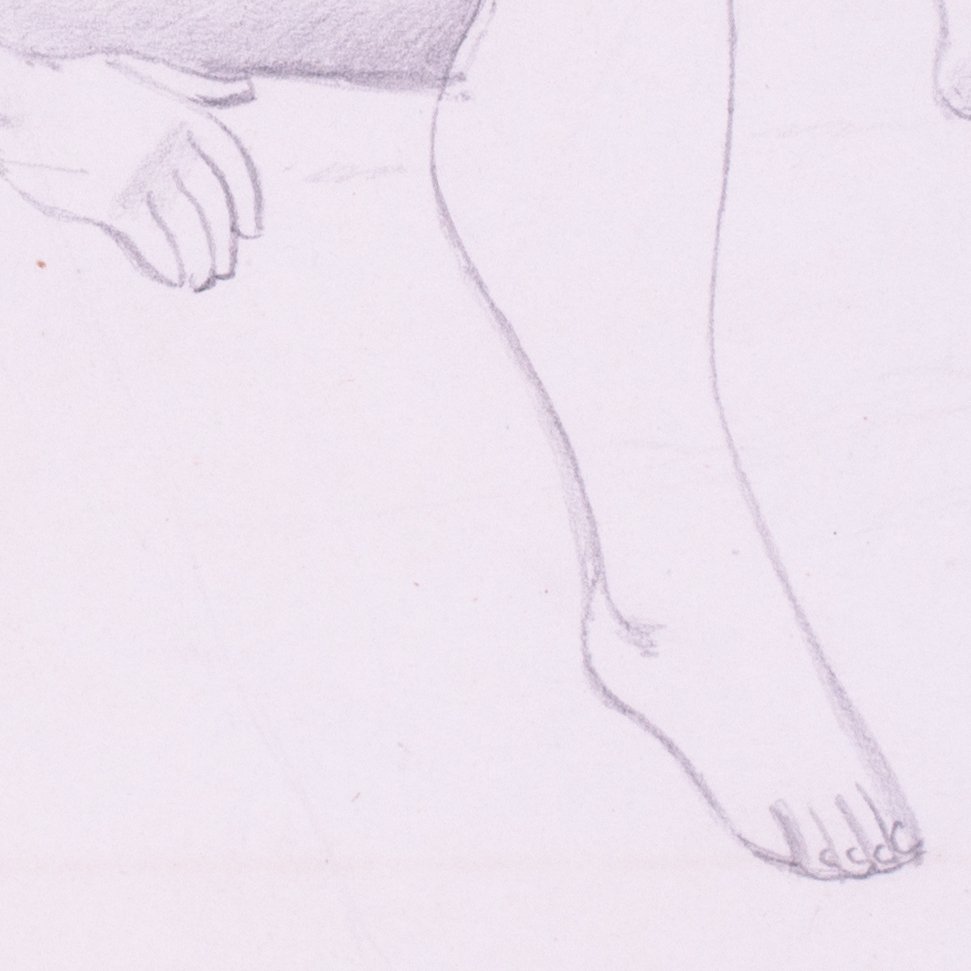 Image 5 of 8
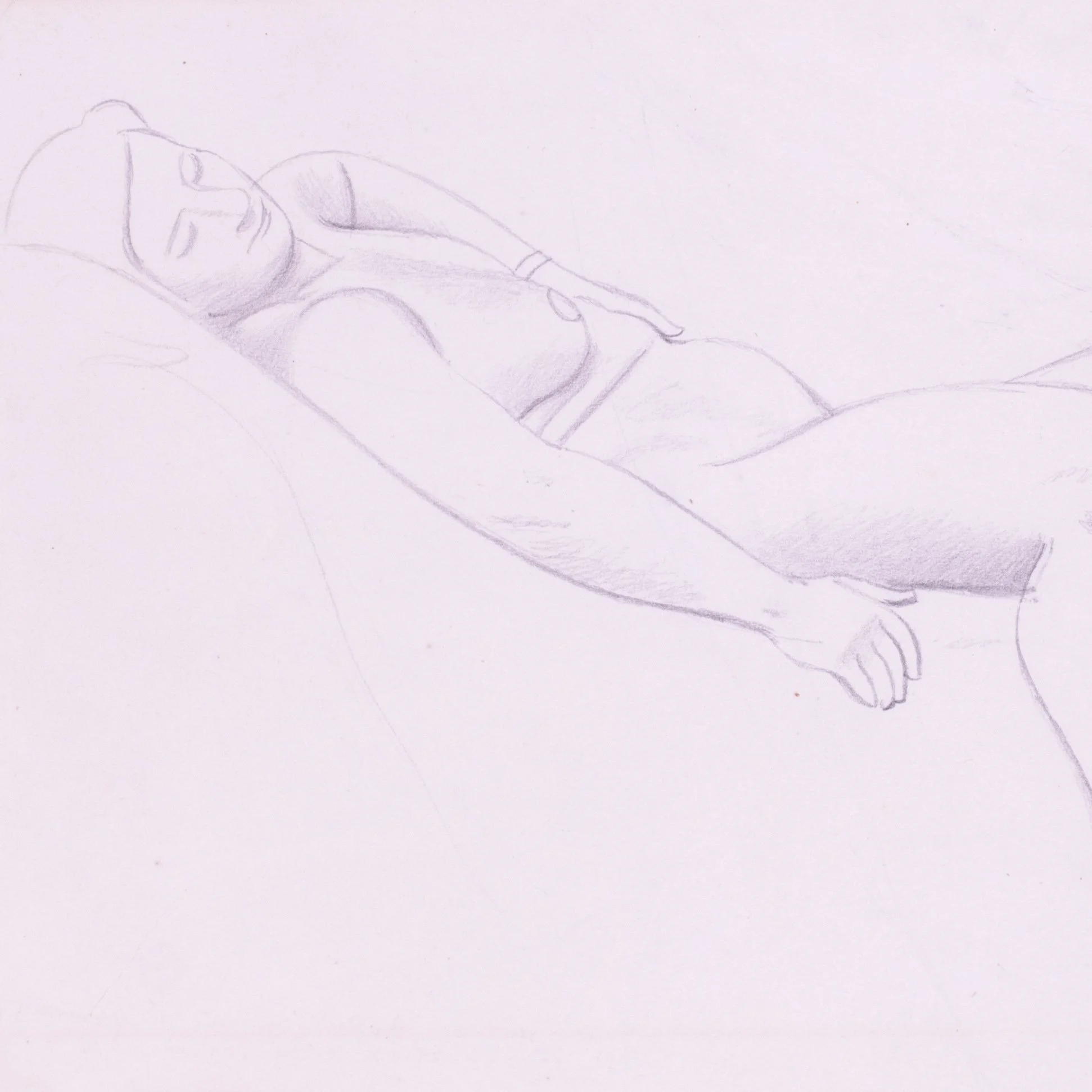 Image 6 of 8
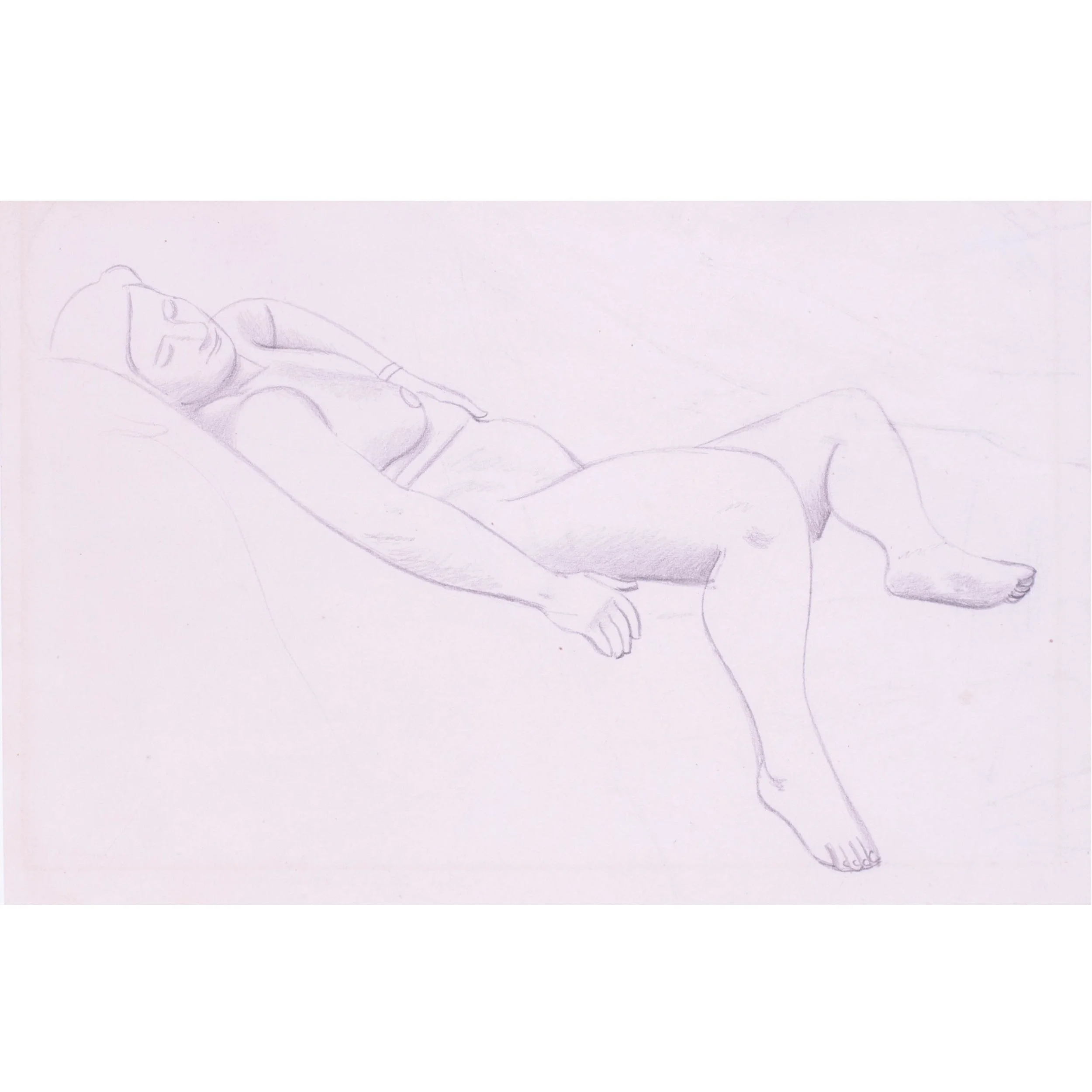 Image 7 of 8
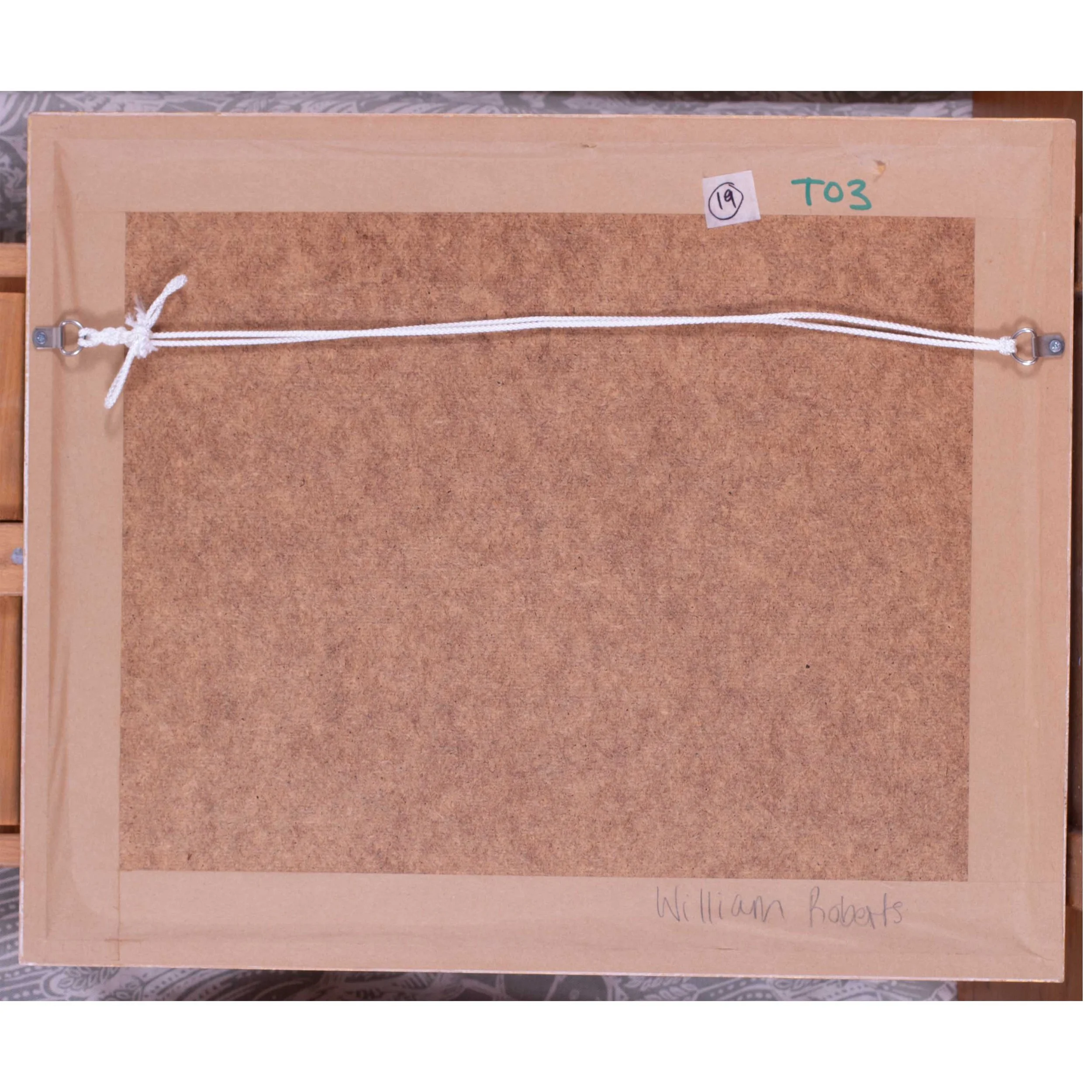 Image 8 of 8