John Northcote Nash CBE, RA (British, 1893 – 1977)
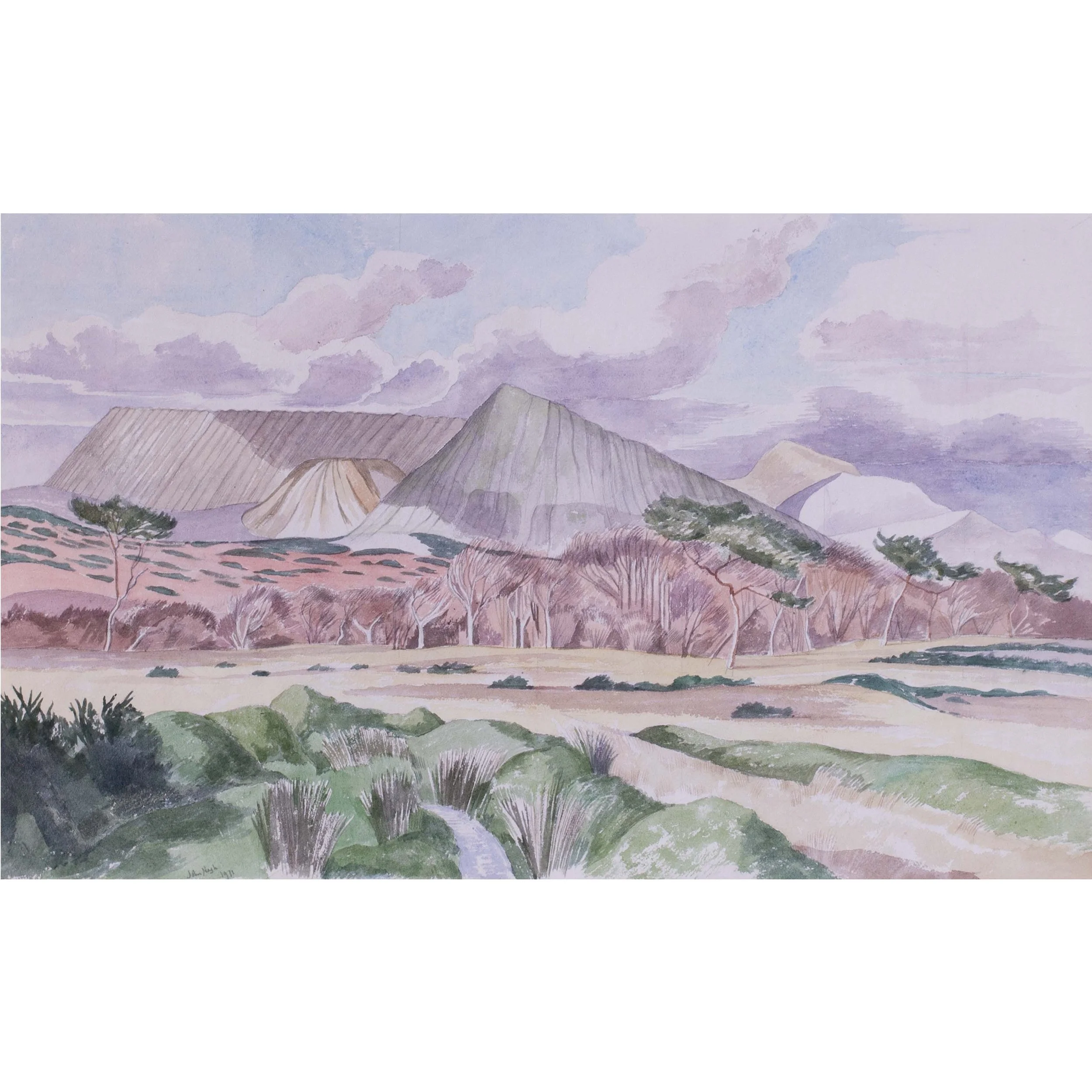
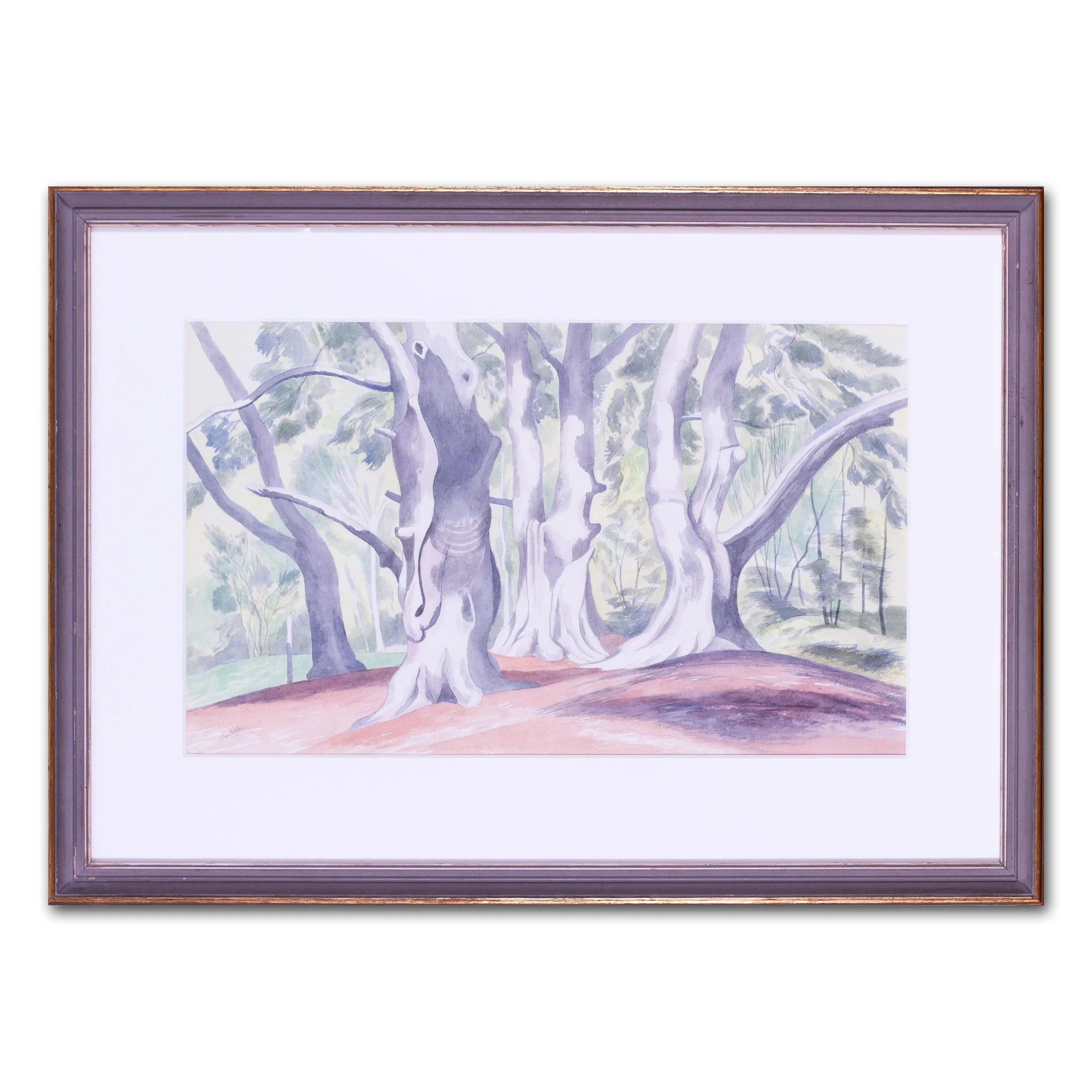
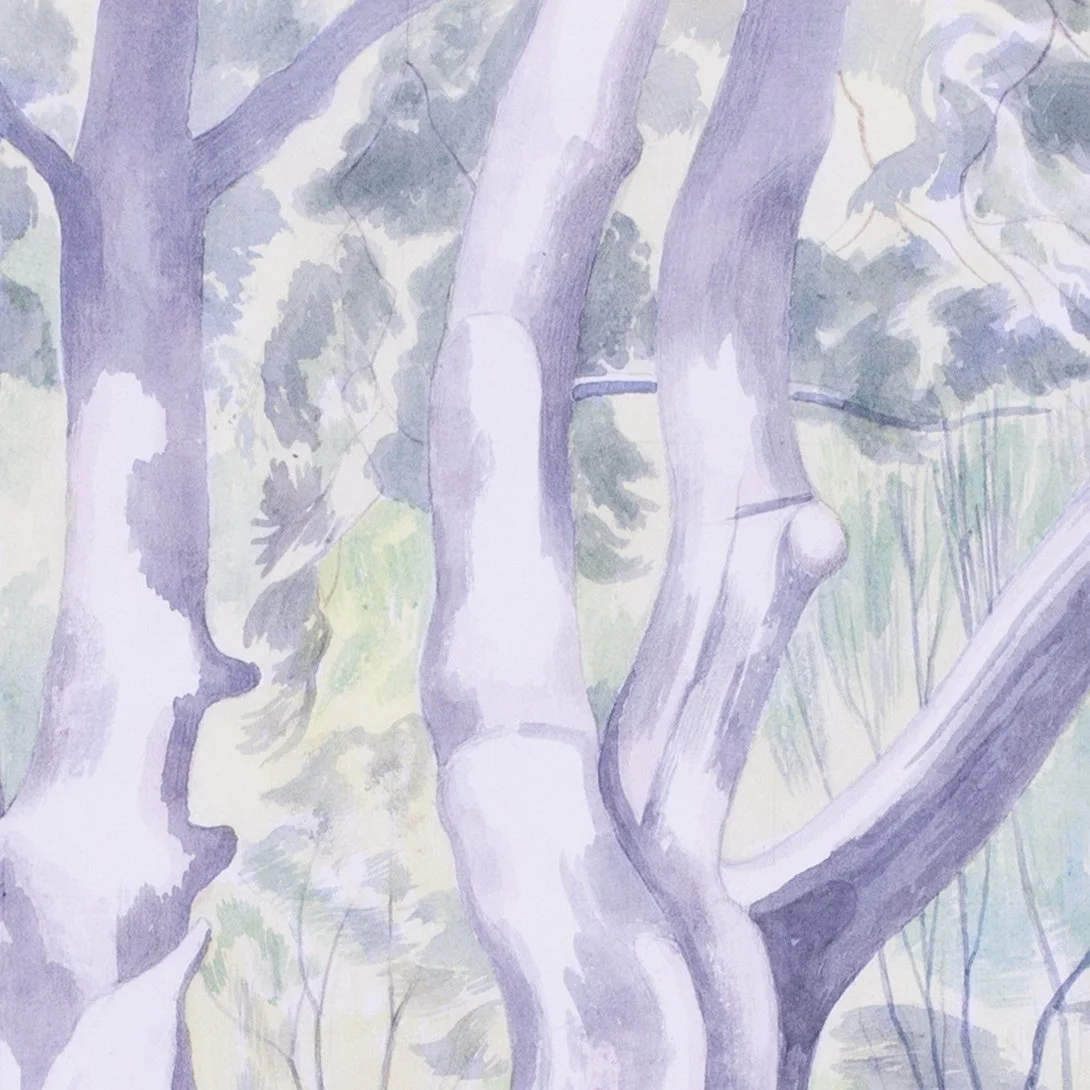
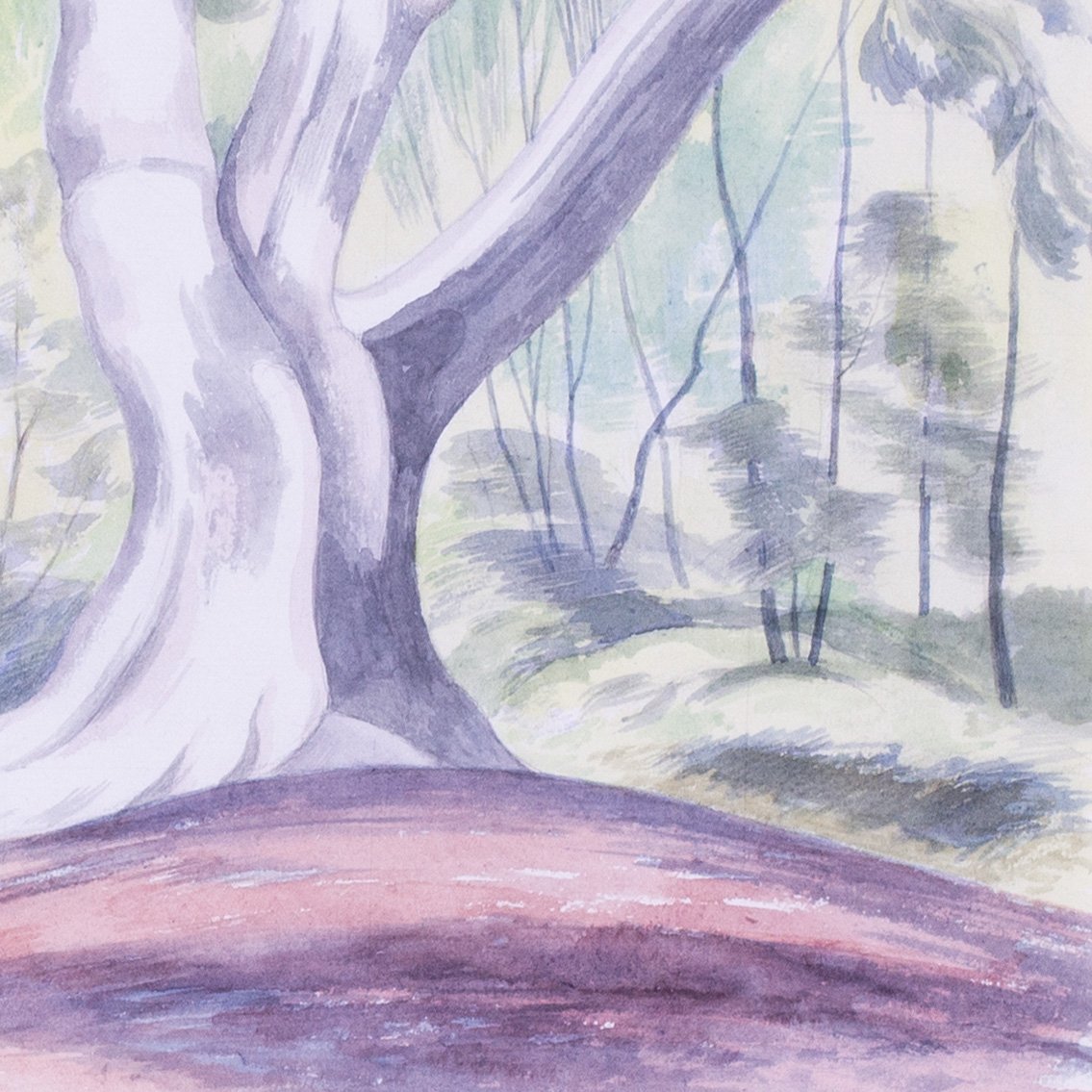
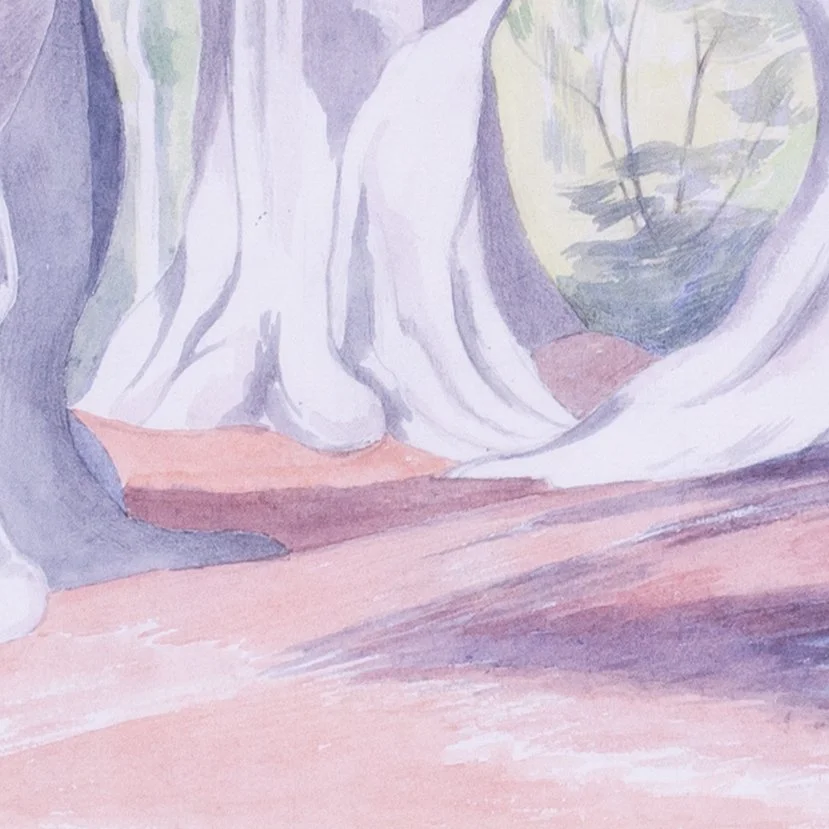
The Boatyard
circa 1945 (possibly Ipswich)
pencil and wash on paper
7.5/8 x 10.1/2 in. (19.1/2 x 26.8 cm.)
Provenance: David Wolfers, New Grafton Gallery, London
Read More »
John Northcote Nash (1893–1977) was one of the leading British painters of the English landscape, renowned for bringing a distinctly modern clarity to traditional rural subjects. His older brother, the artist Paul Nash, recognised his talent early and encouraged him to avoid formal art school training, allowing him to develop an instinctive and highly individual approach.
Nash became part of the progressive London art scene, exhibiting with the London Group and Friday Club alongside artists including Harold Gilman and Charles Ginner. He also formed a close friendship with Edward Burra. His experience as an Official War Artist during the First World War profoundly influenced his subsequent landscapes, particularly his woodland paintings, in which the structures of trees and branches became almost architectural.
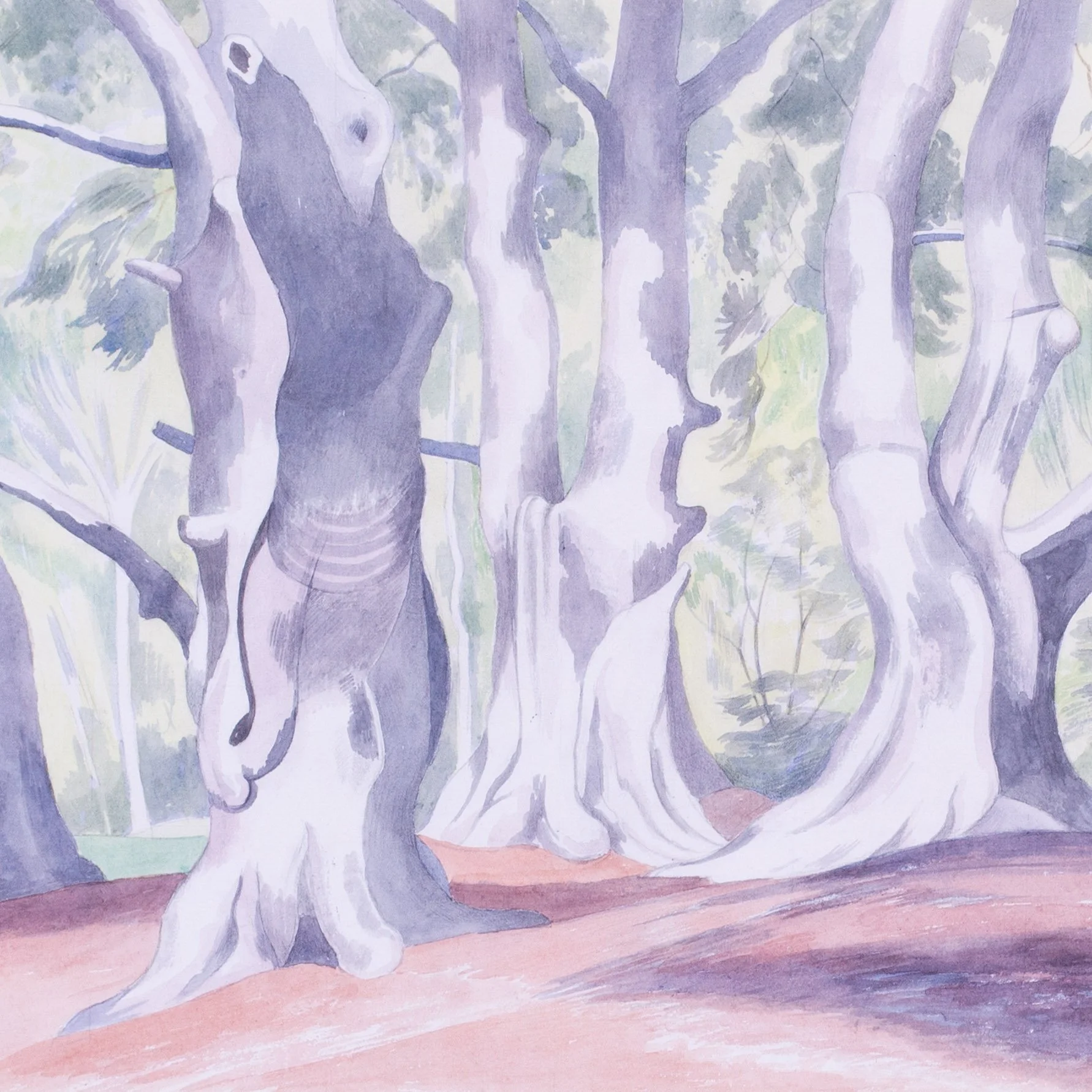
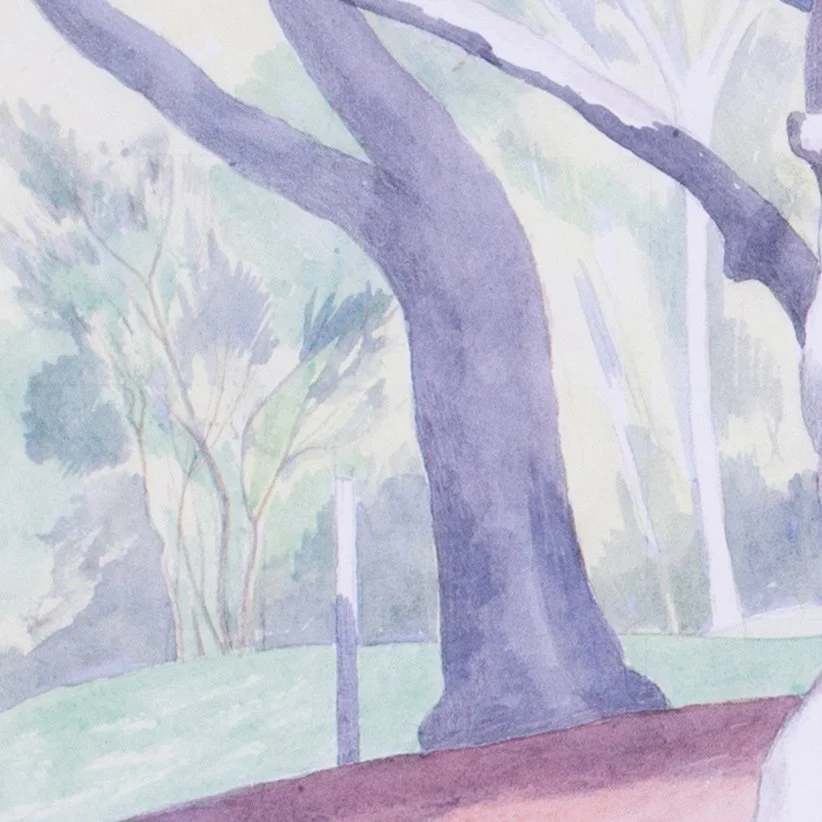
His watercolours of woods combine close observation with a sophisticated sense of composition, transforming the English countryside into something both familiar and quietly modern. Nash later taught at the Ruskin School of Drawing and the Royal College of Art, where he influenced artists including Edward Bawden and Eric Ravilious. His work helped shape the development of British Neo-Romanticism and established woodland as one of the defining subjects of his career.
John Northcote Nash CBE, RA (British, 1893 – 1977)
The Boatyard
circa 1945 (possibly Ipswich)
pencil and wash on paper
7.5/8 x 10.1/2 in. (19.1/2 x 26.8 cm.)
Provenance: David Wolfers, New Grafton Gallery, London
Read More »
John Northcote Nash (1893–1977) was one of the leading British painters of the English landscape, renowned for bringing a distinctly modern clarity to traditional rural subjects. His older brother, the artist Paul Nash, recognised his talent early and encouraged him to avoid formal art school training, allowing him to develop an instinctive and highly individual approach.
Nash became part of the progressive London art scene, exhibiting with the London Group and Friday Club alongside artists including Harold Gilman and Charles Ginner. He also formed a close friendship with Edward Burra. His experience as an Official War Artist during the First World War profoundly influenced his subsequent landscapes, particularly his woodland paintings, in which the structures of trees and branches became almost architectural.
His watercolours of woods combine close observation with a sophisticated sense of composition, transforming the English countryside into something both familiar and quietly modern. Nash later taught at the Ruskin School of Drawing and the Royal College of Art, where he influenced artists including Edward Bawden and Eric Ravilious. His work helped shape the development of British Neo-Romanticism and established woodland as one of the defining subjects of his career.

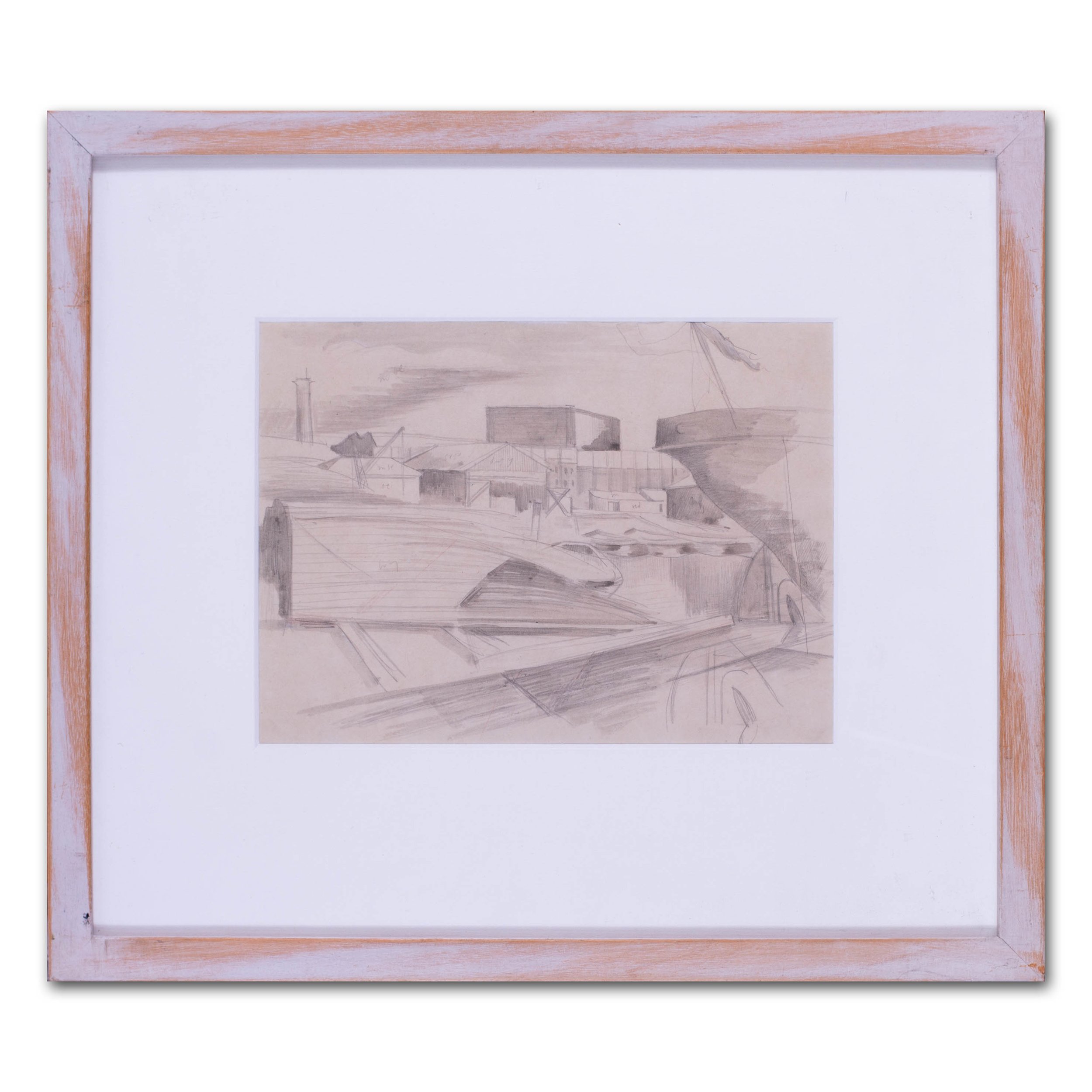 Image 1 of 7
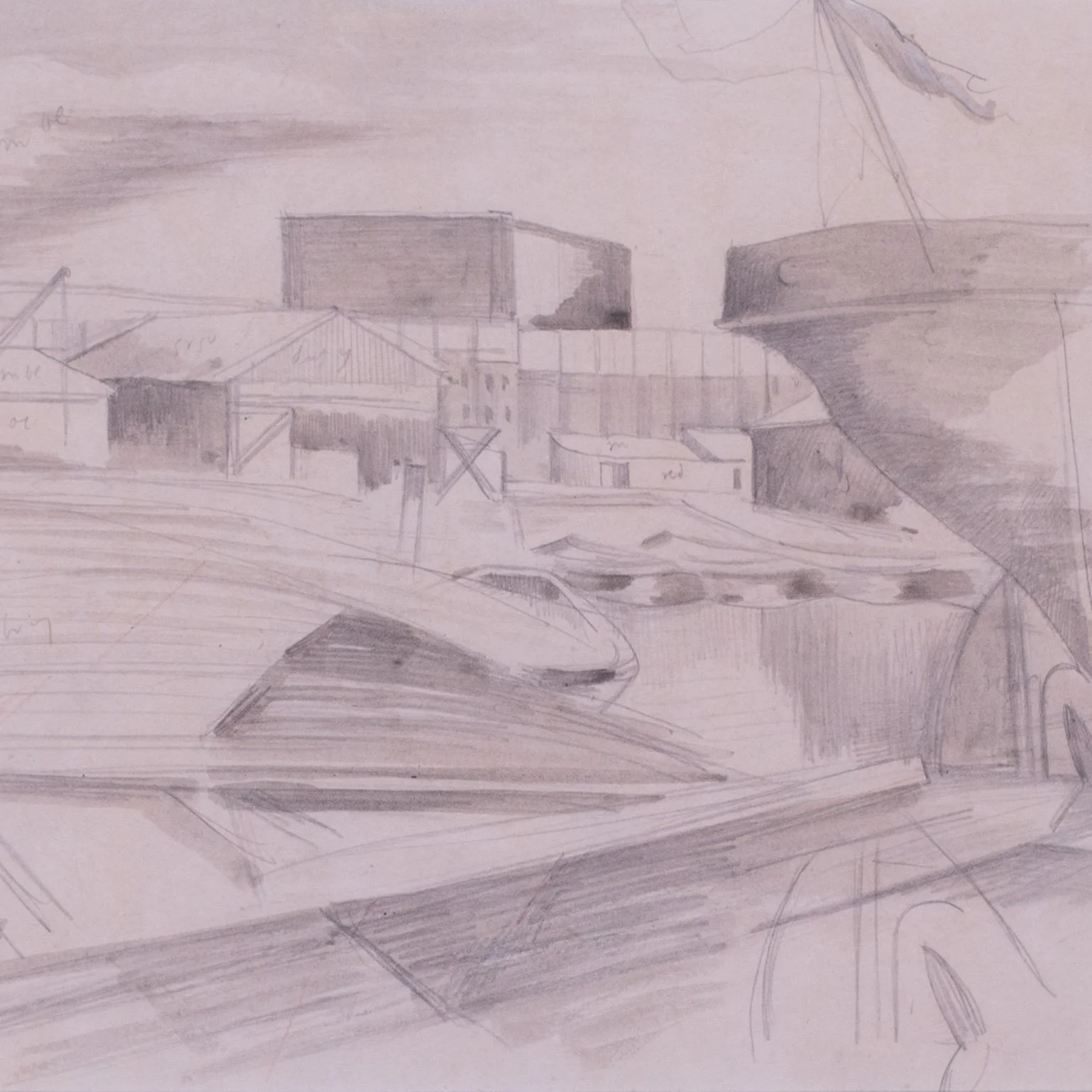 Image 2 of 7
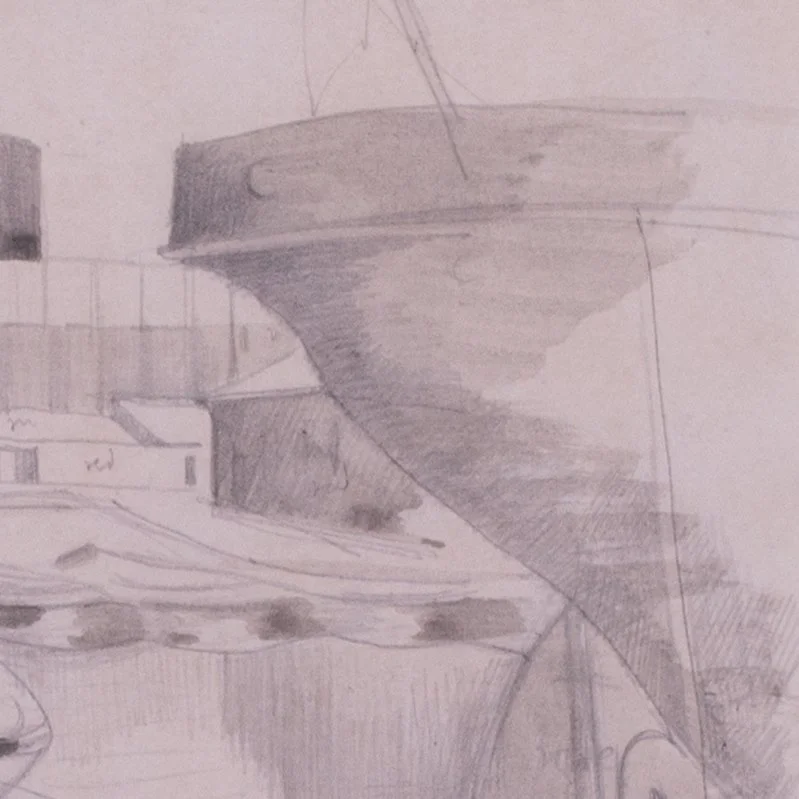 Image 3 of 7
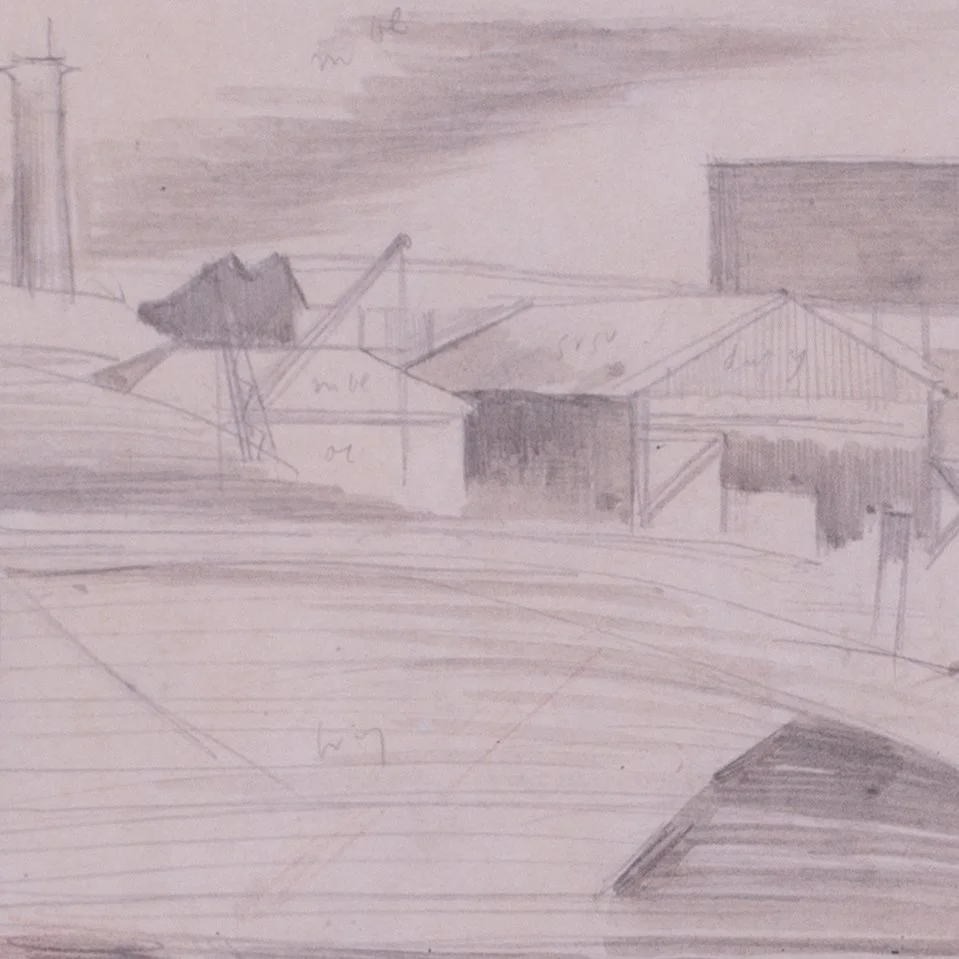 Image 4 of 7
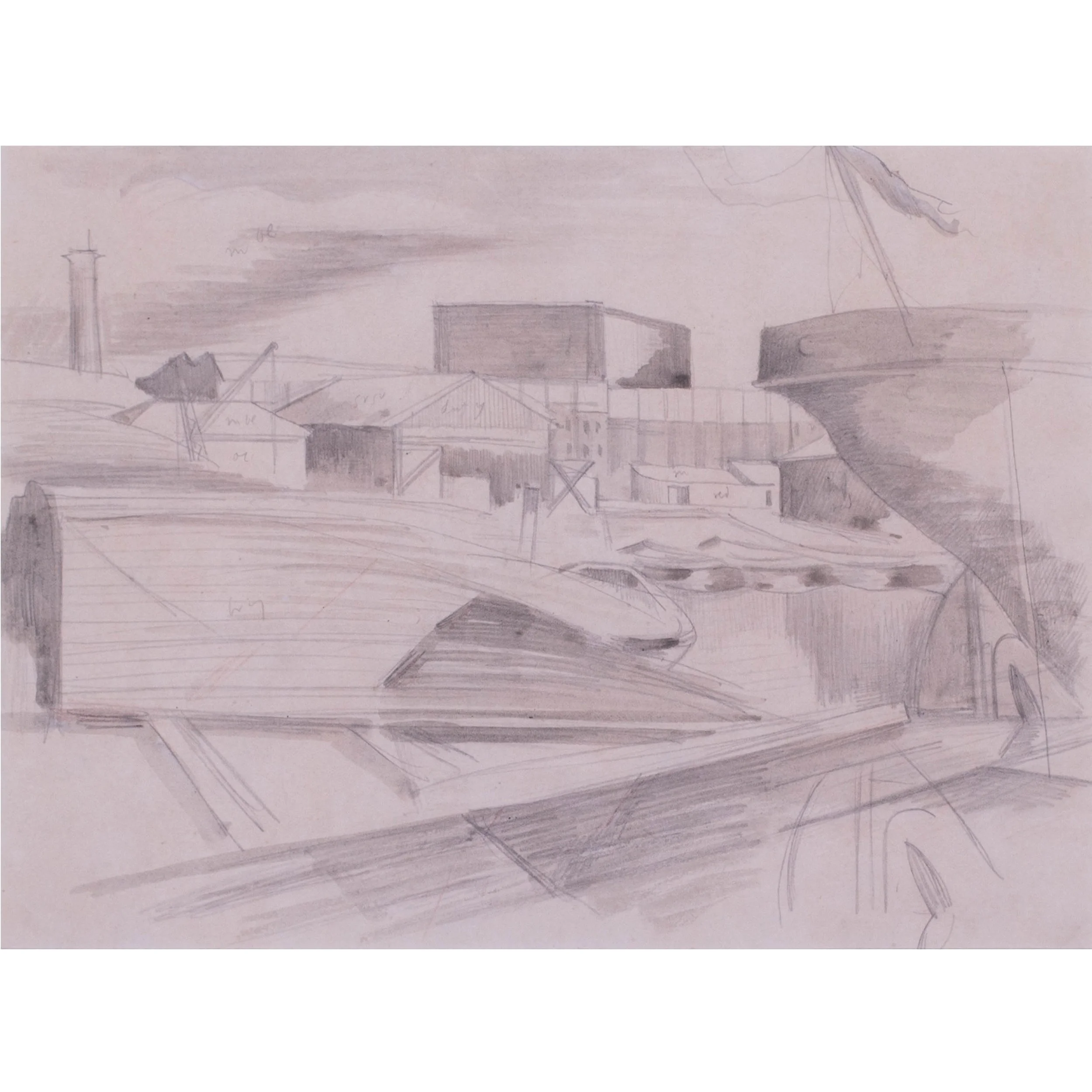 Image 5 of 7
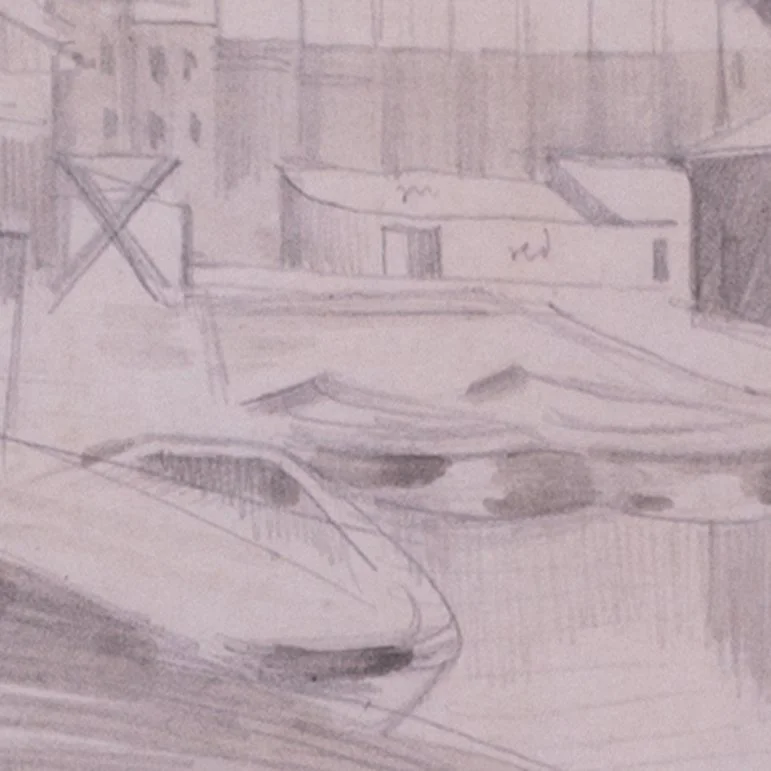 Image 6 of 7
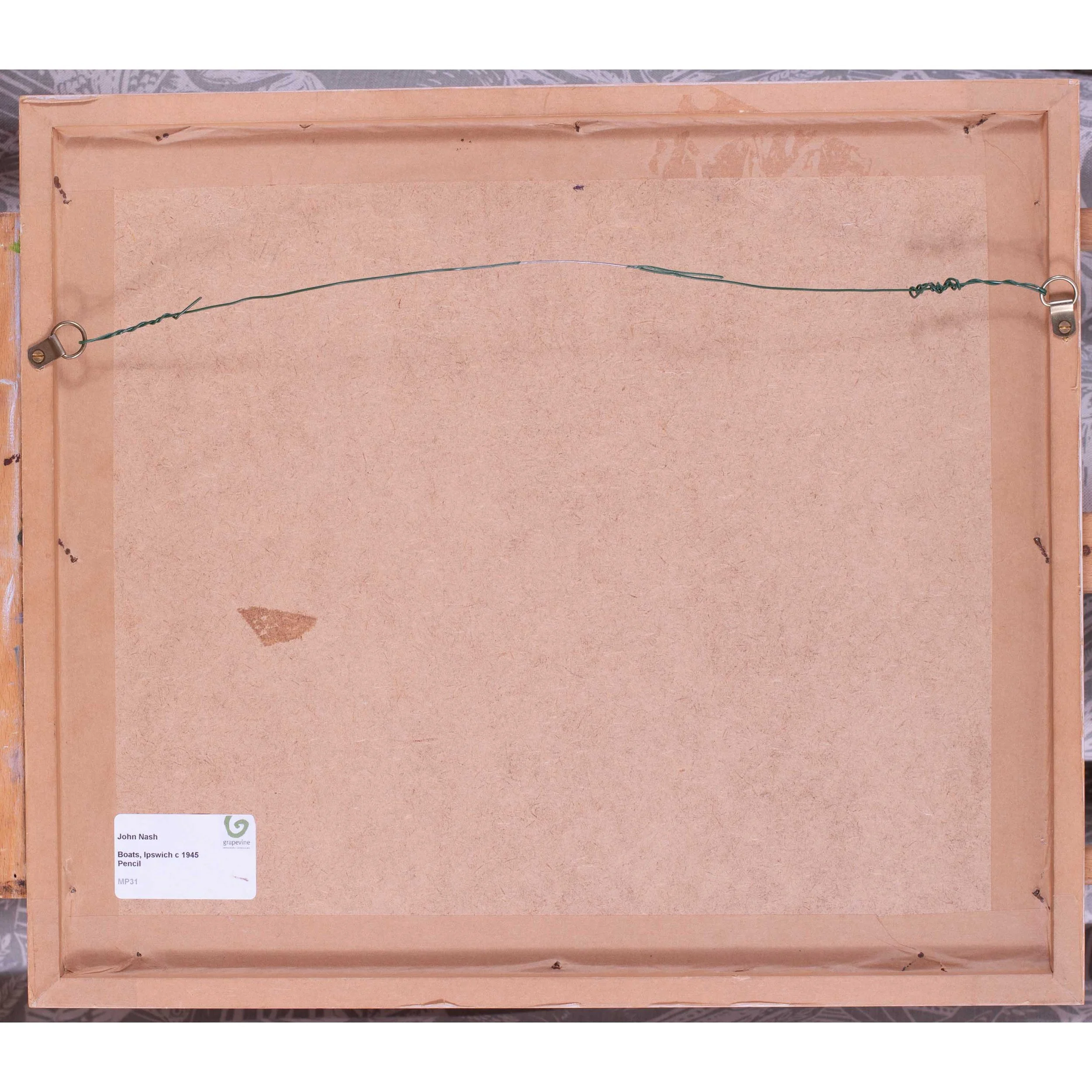 Image 7 of 7