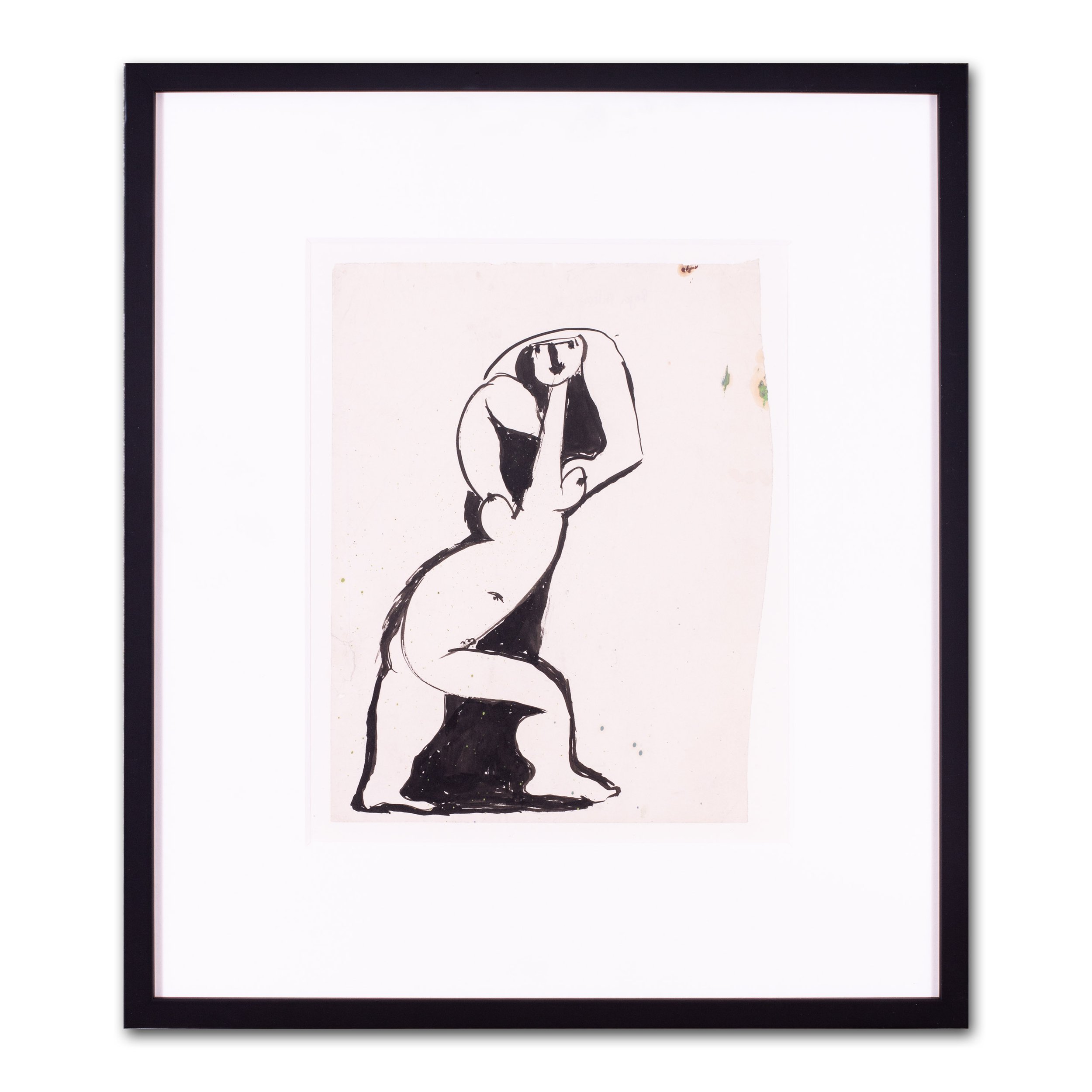
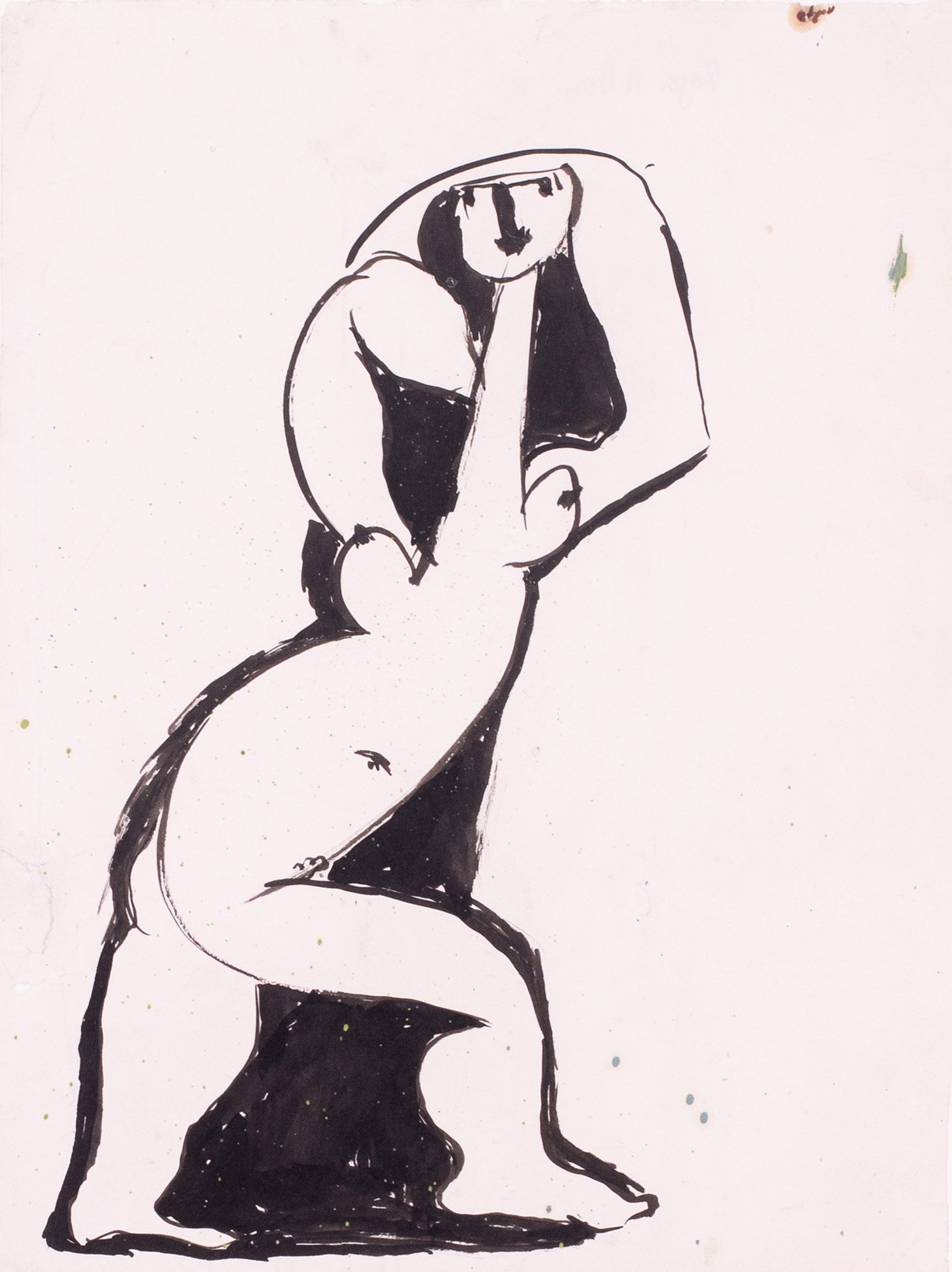
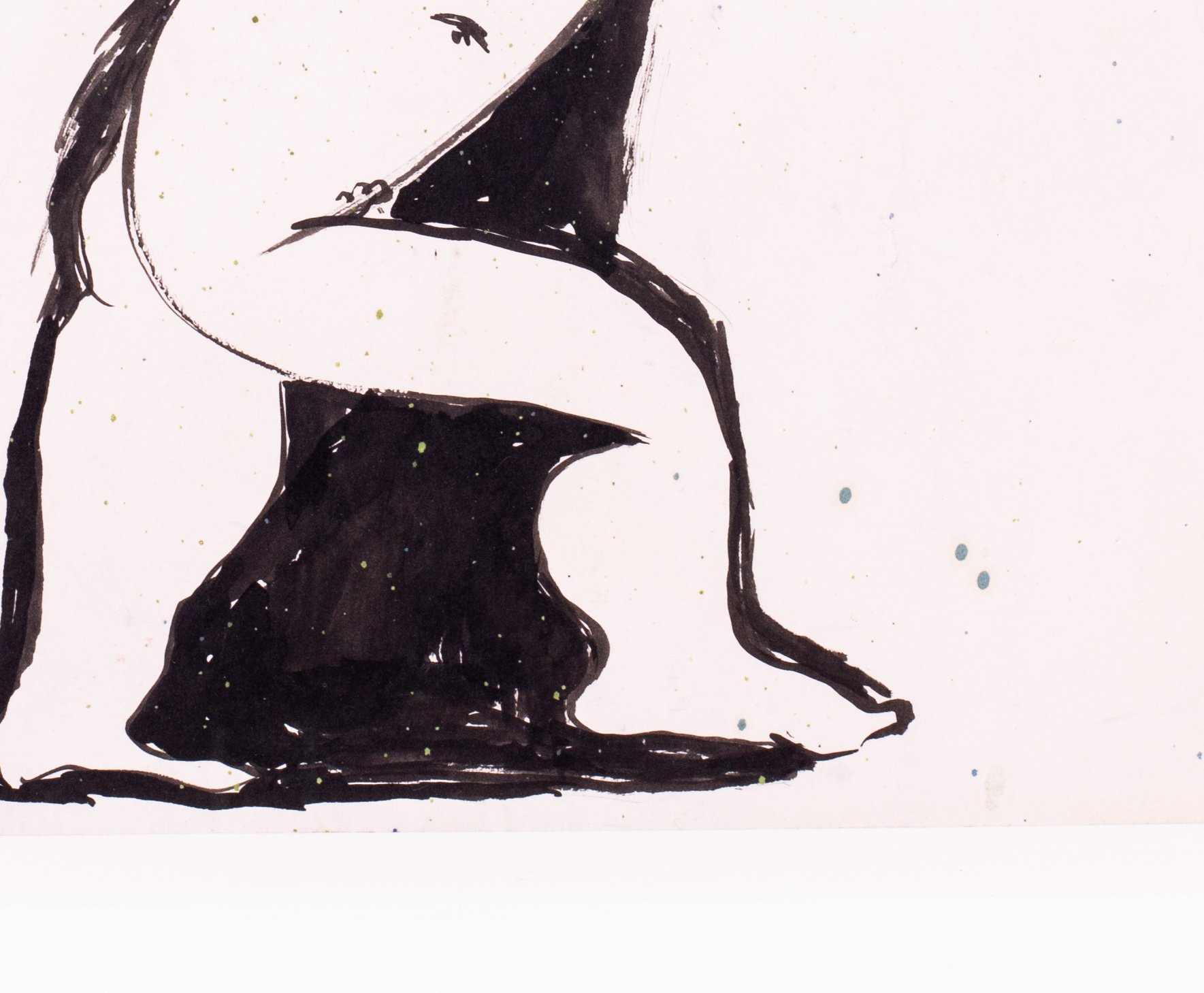
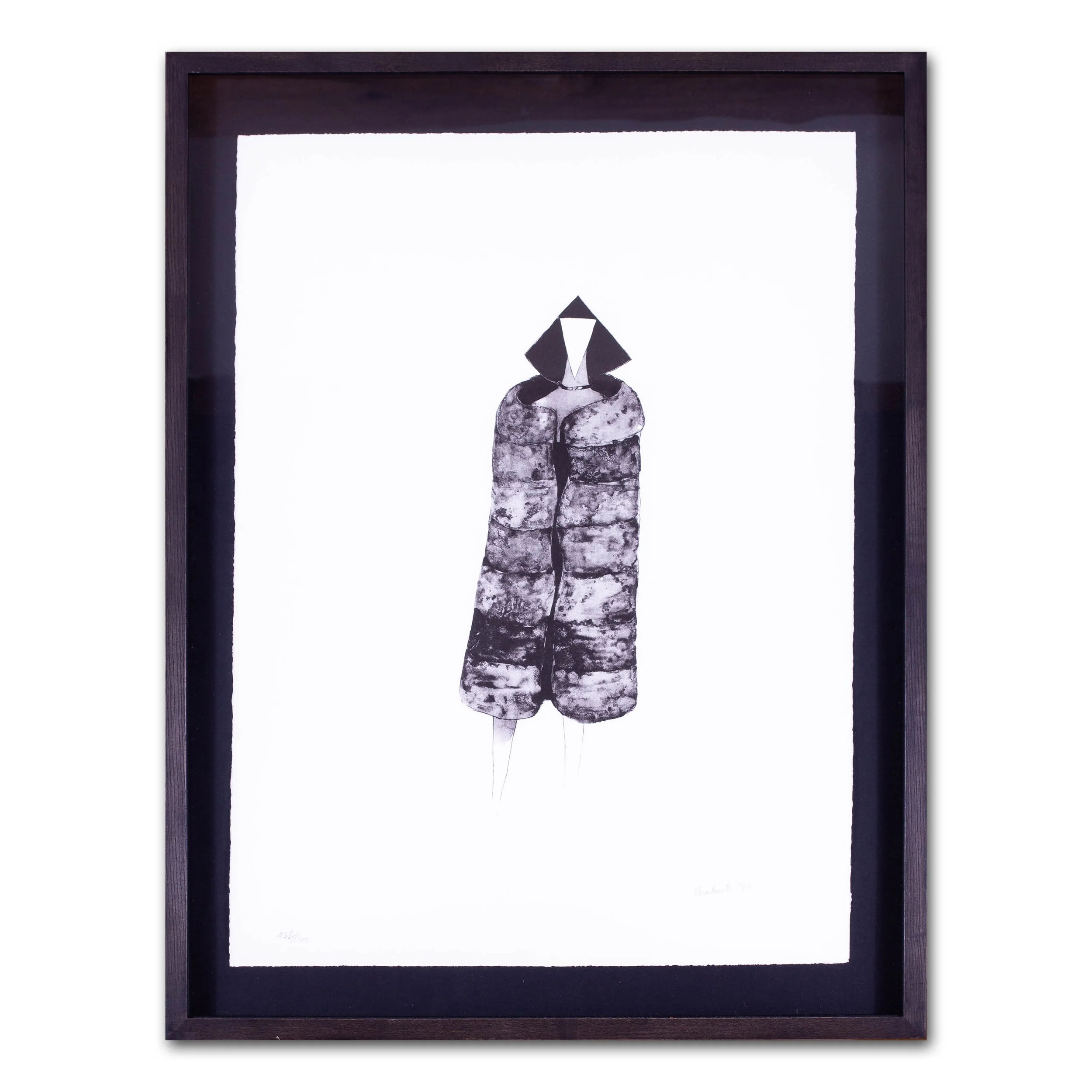
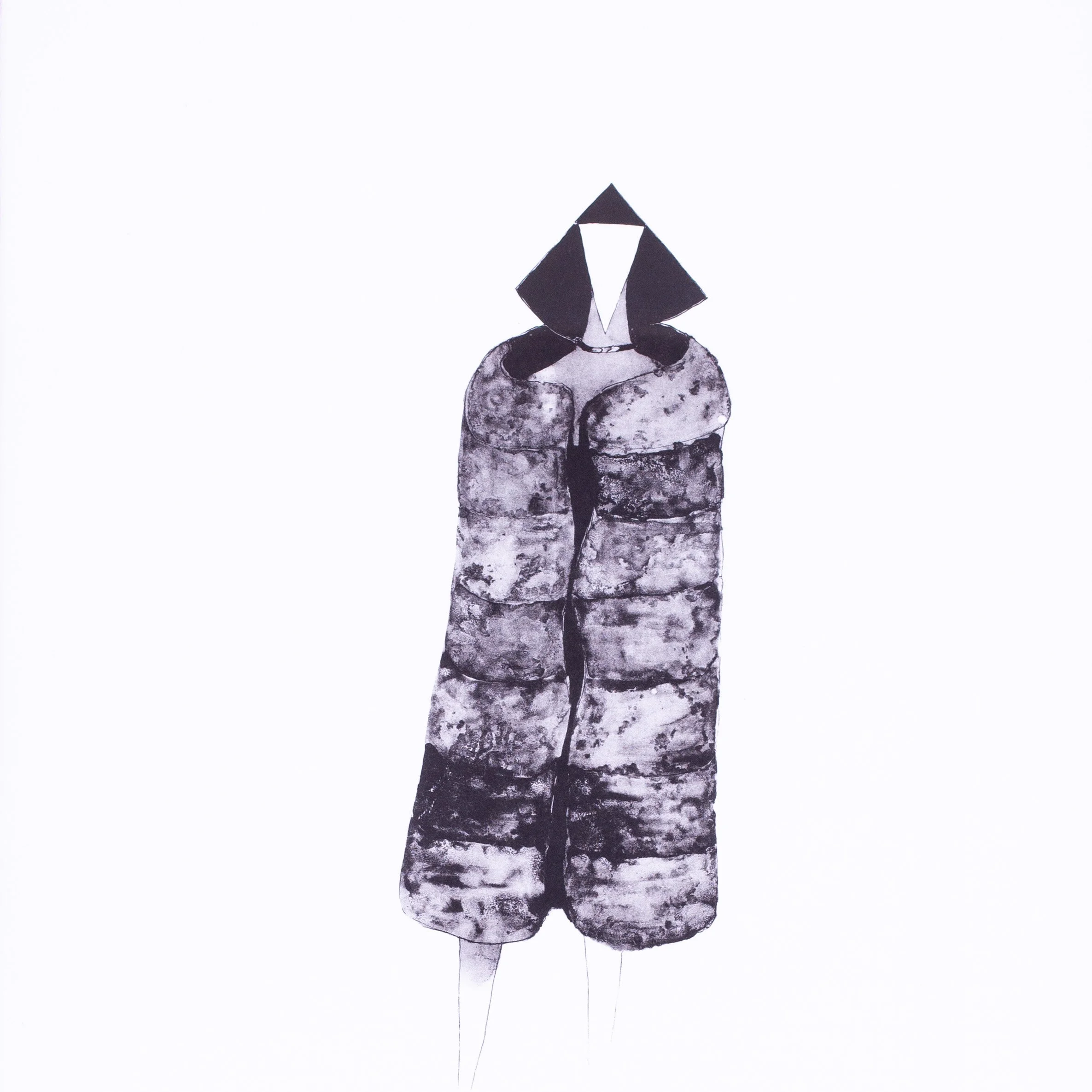
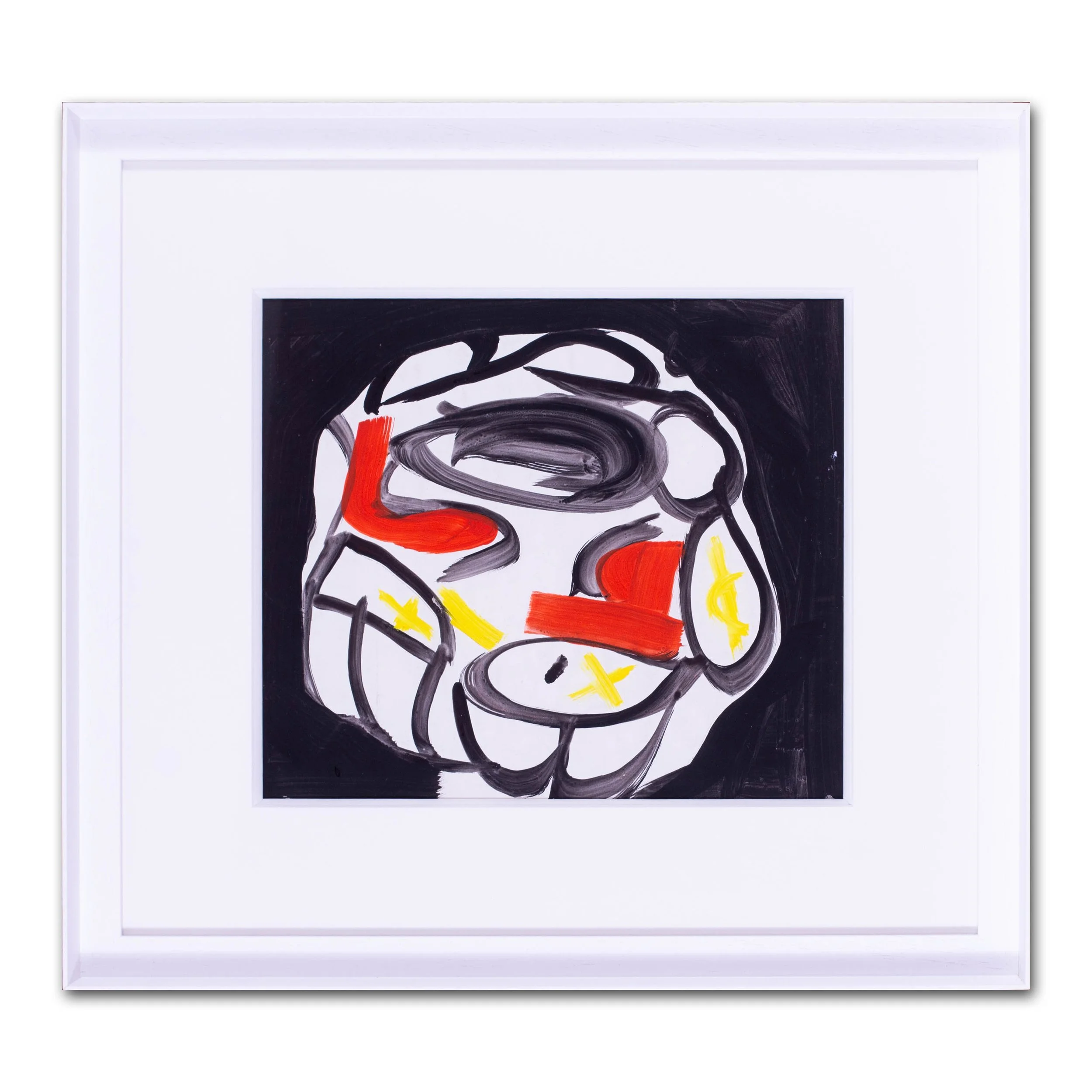
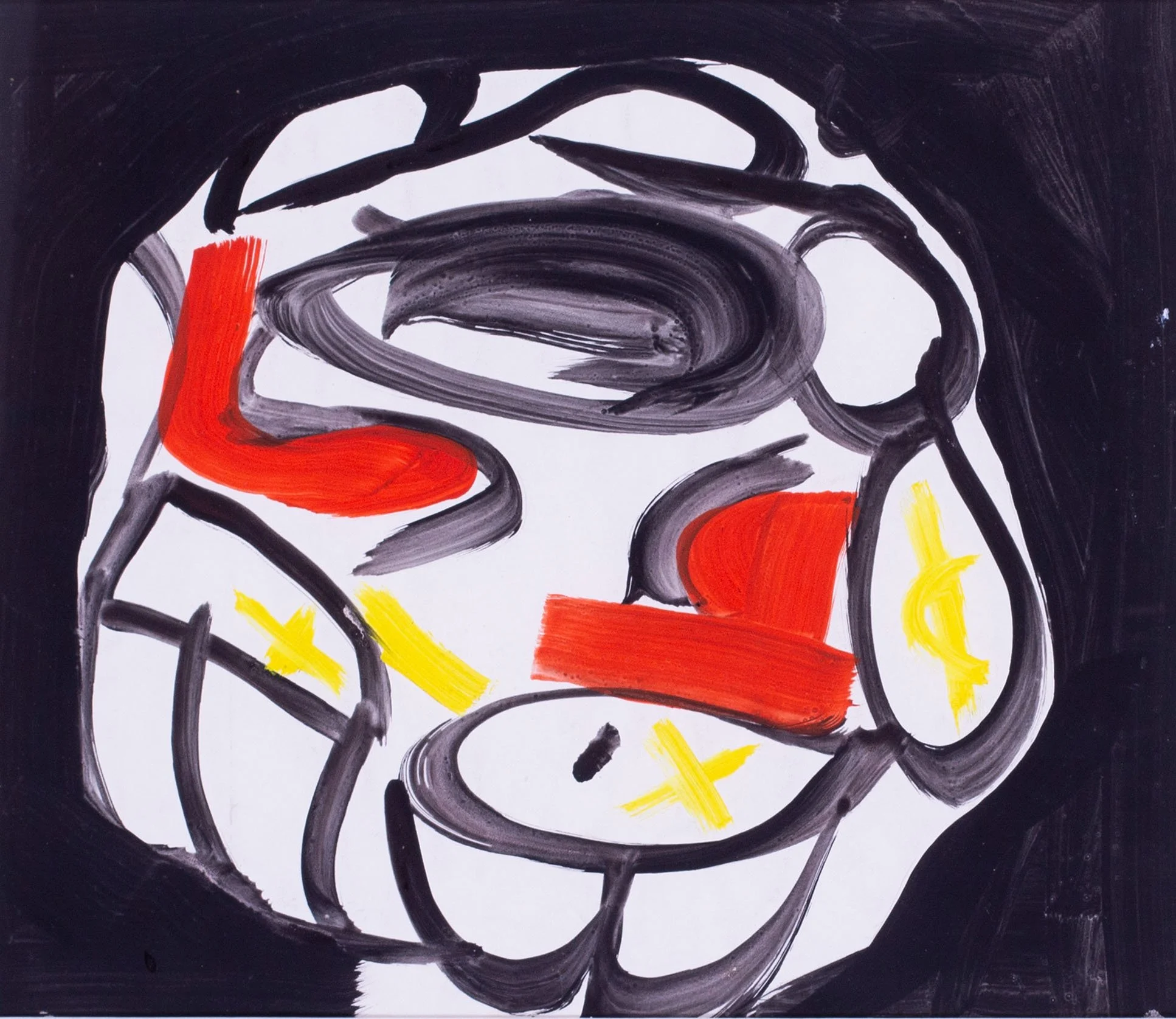
Jessica Dismorr (British, 1885 – 1939)
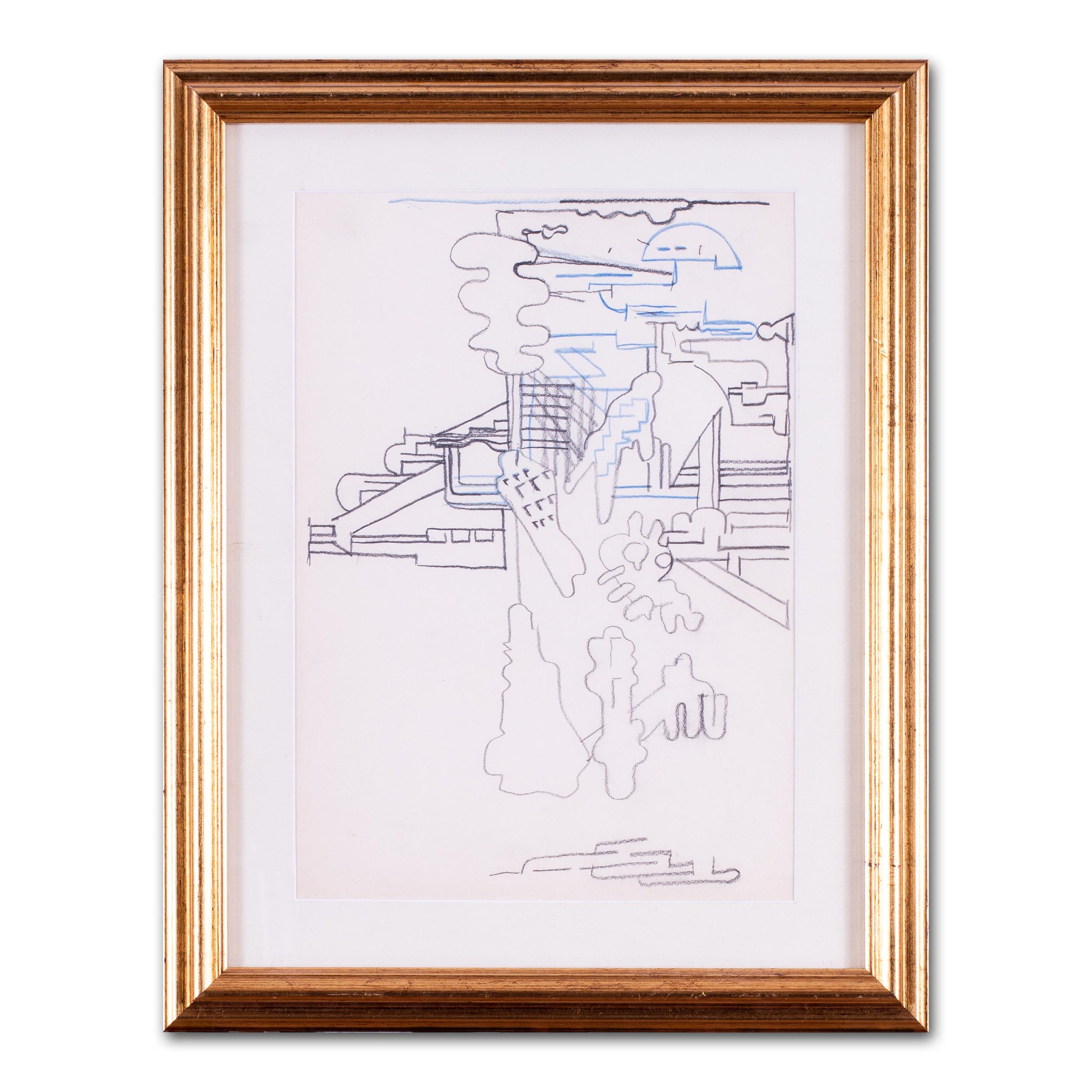
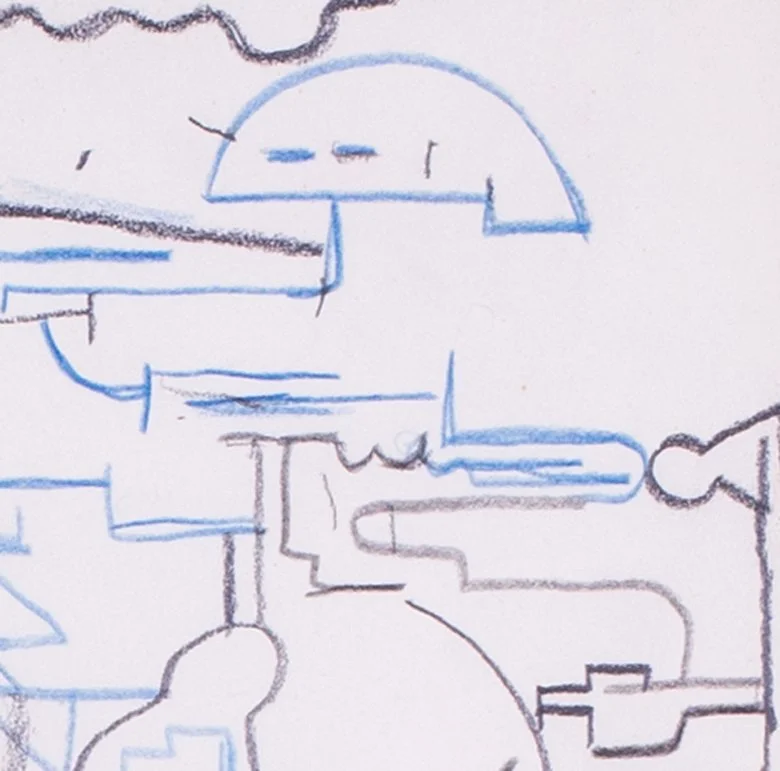
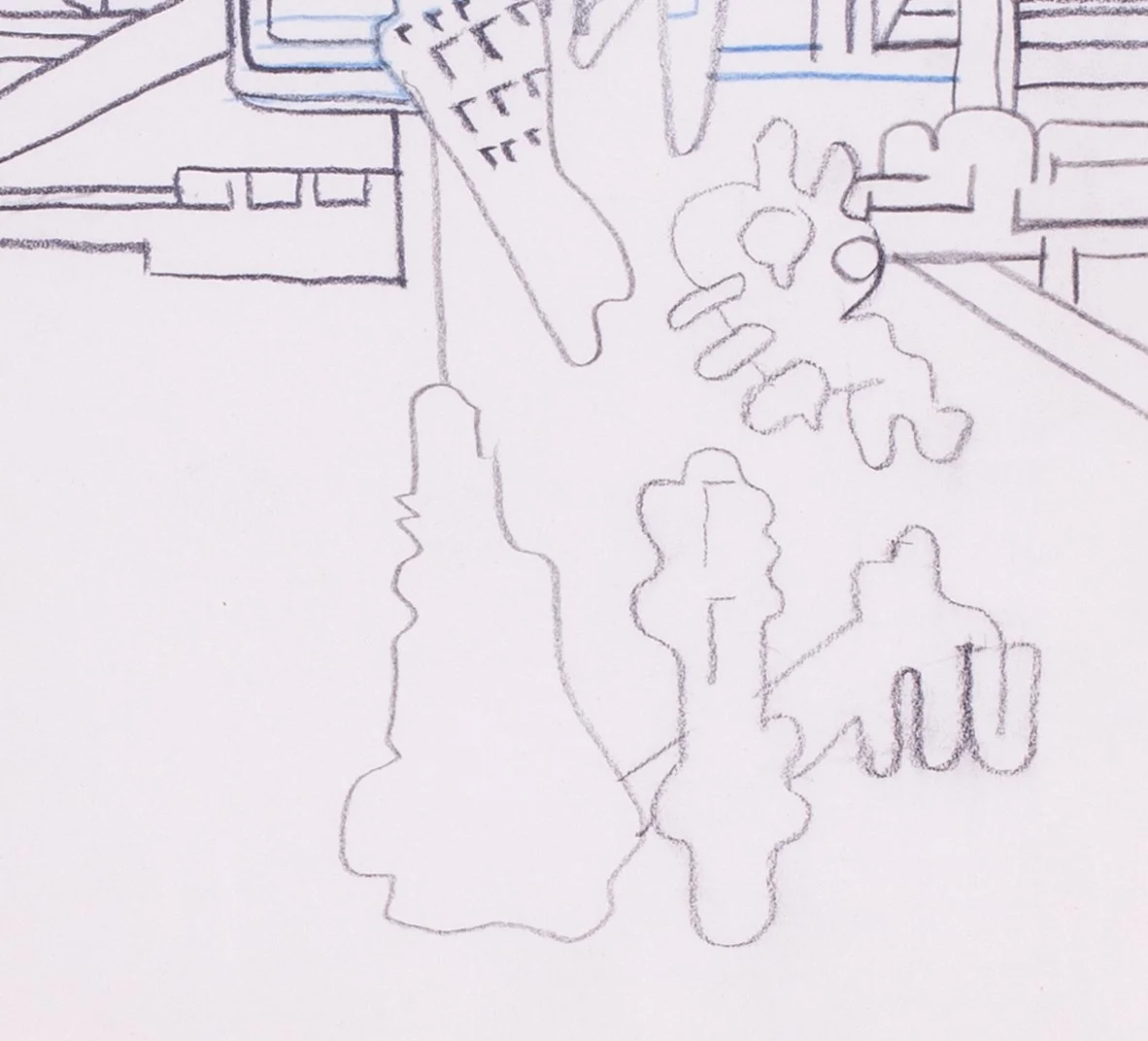
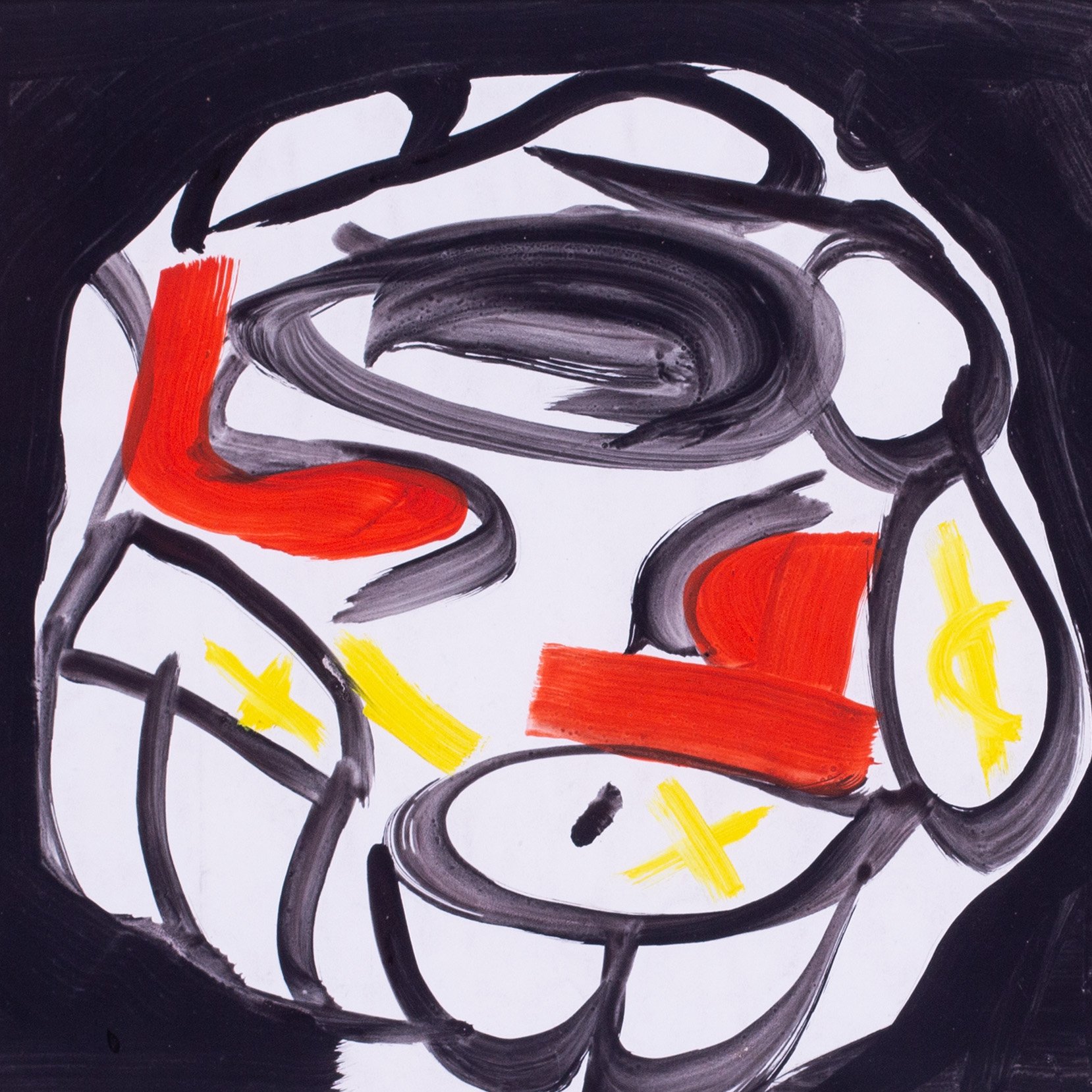
Italian landscape
watercolour and pencil on paper
27 x 37cm.
Provenance: Helen Saunders (1885-1963) and thence by descent;
Quentin Stevenson, Purchased from the Estate of the above;
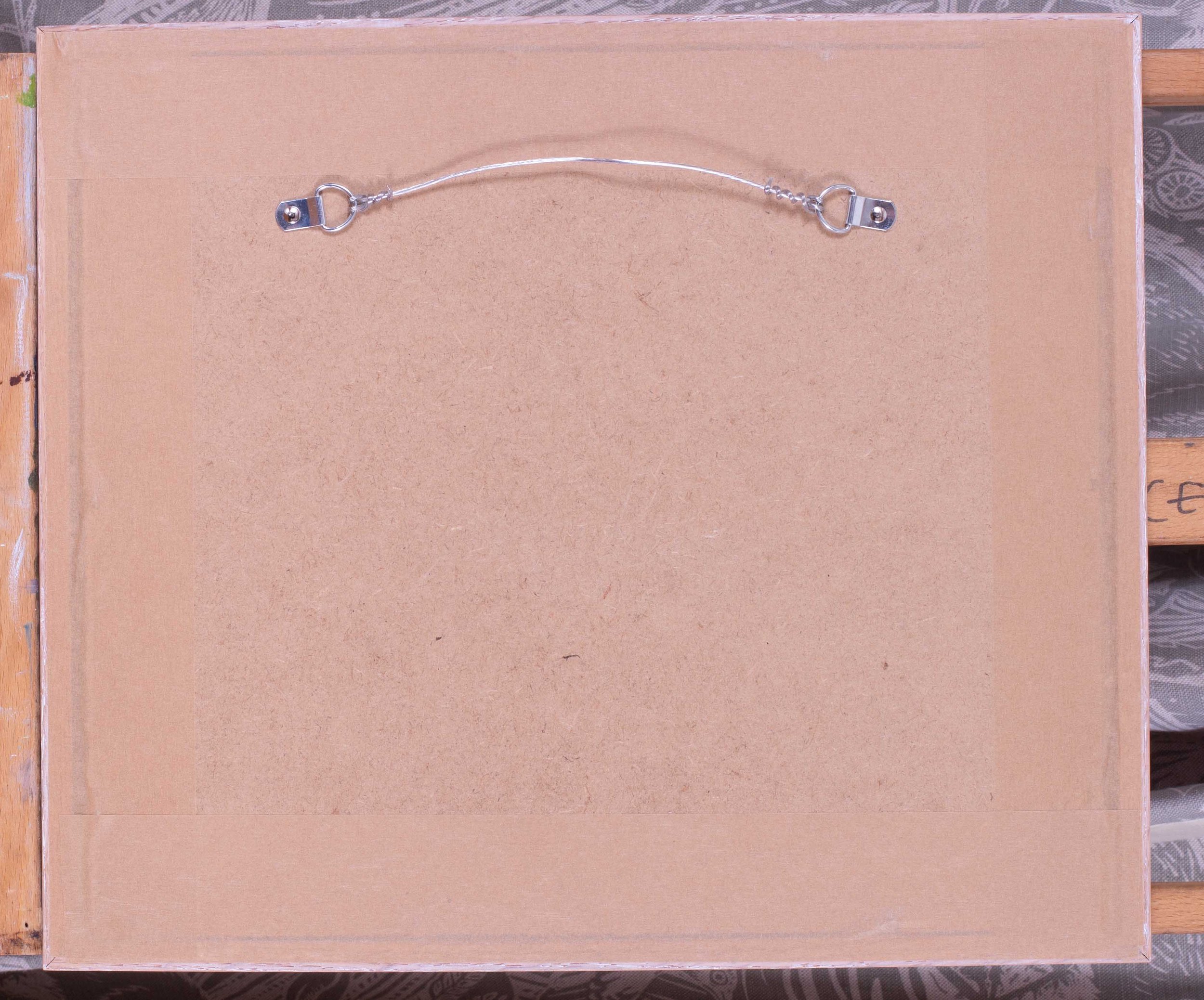
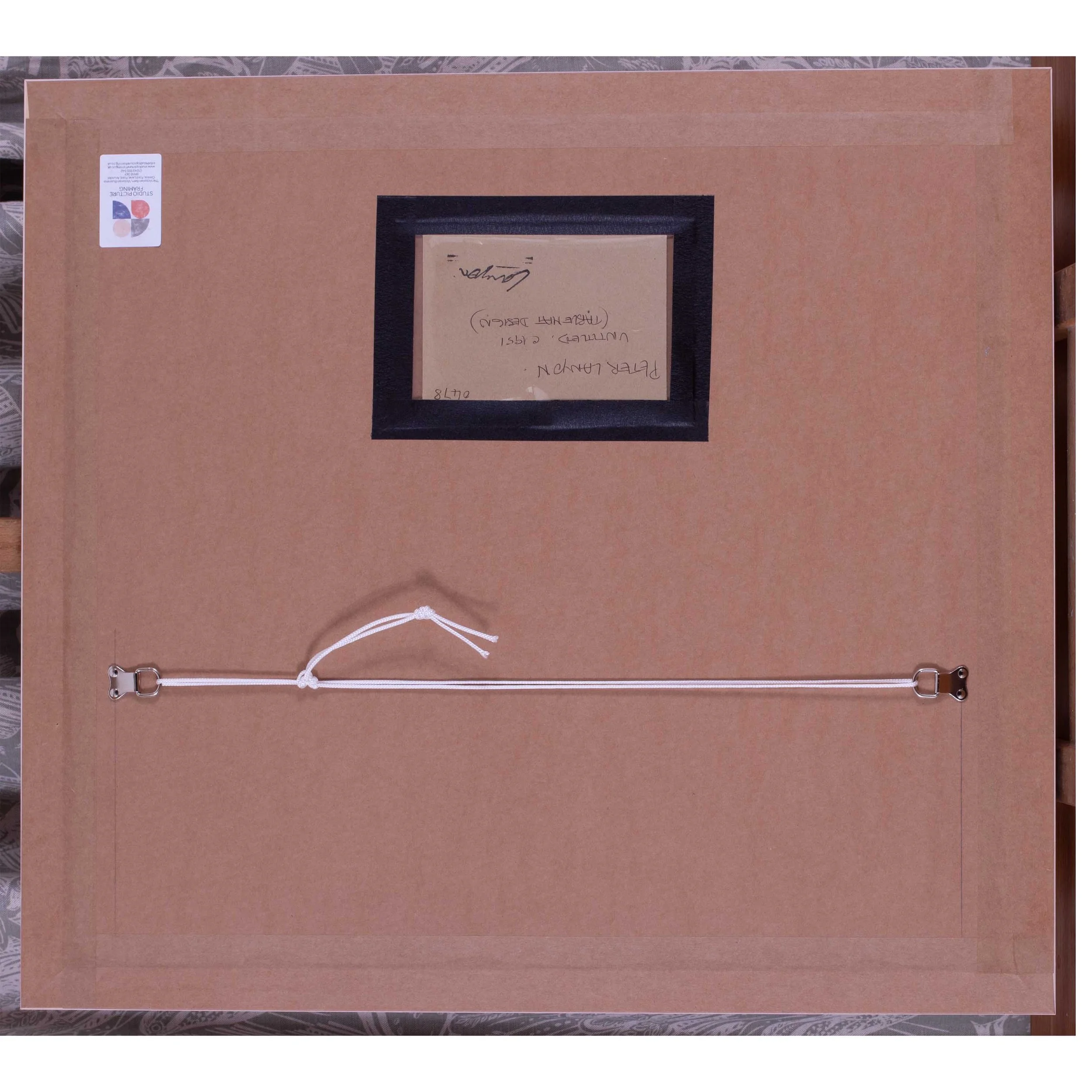
Private Collection, gifted from the above in November 2015 (according to the inscription on the reverse of the frame)
Read More »
Jessica Dismorr (1885–1939) was a pioneering British modernist whose career spanned Vorticism, abstraction and figurative painting. One of only two women to sign the Vorticist manifesto published in Blast in 1914, she was closely connected with Wyndham Lewis and the radical avant-garde, as well as writers including Ezra Pound and T.S. Eliot.
Dismorr was also an important member of the Seven and Five Society, exhibiting alongside leading modernists including Barbara Hepworth, Ben Nicholson and Henry Moore. Her later work continued to move between abstraction and figuration, reflecting the rapidly changing language of British art between the wars.
Long overshadowed by her male contemporaries, Dismorr is now recognised as an important figure in British modernism. Her work is held in major collections including Tate and the British Museum.
Jessica Dismorr (British, 1885 – 1939)
Italian landscape
watercolour and pencil on paper
27 x 37cm.
Provenance: Helen Saunders (1885-1963) and thence by descent;
Quentin Stevenson, Purchased from the Estate of the above;
Private Collection, gifted from the above in November 2015 (according to the inscription on the reverse of the frame)
Read More »
Jessica Dismorr (1885–1939) was a pioneering British modernist whose career spanned Vorticism, abstraction and figurative painting. One of only two women to sign the Vorticist manifesto published in Blast in 1914, she was closely connected with Wyndham Lewis and the radical avant-garde, as well as writers including Ezra Pound and T.S. Eliot.
Dismorr was also an important member of the Seven and Five Society, exhibiting alongside leading modernists including Barbara Hepworth, Ben Nicholson and Henry Moore. Her later work continued to move between abstraction and figuration, reflecting the rapidly changing language of British art between the wars.
Long overshadowed by her male contemporaries, Dismorr is now recognised as an important figure in British modernism. Her work is held in major collections including Tate and the British Museum.

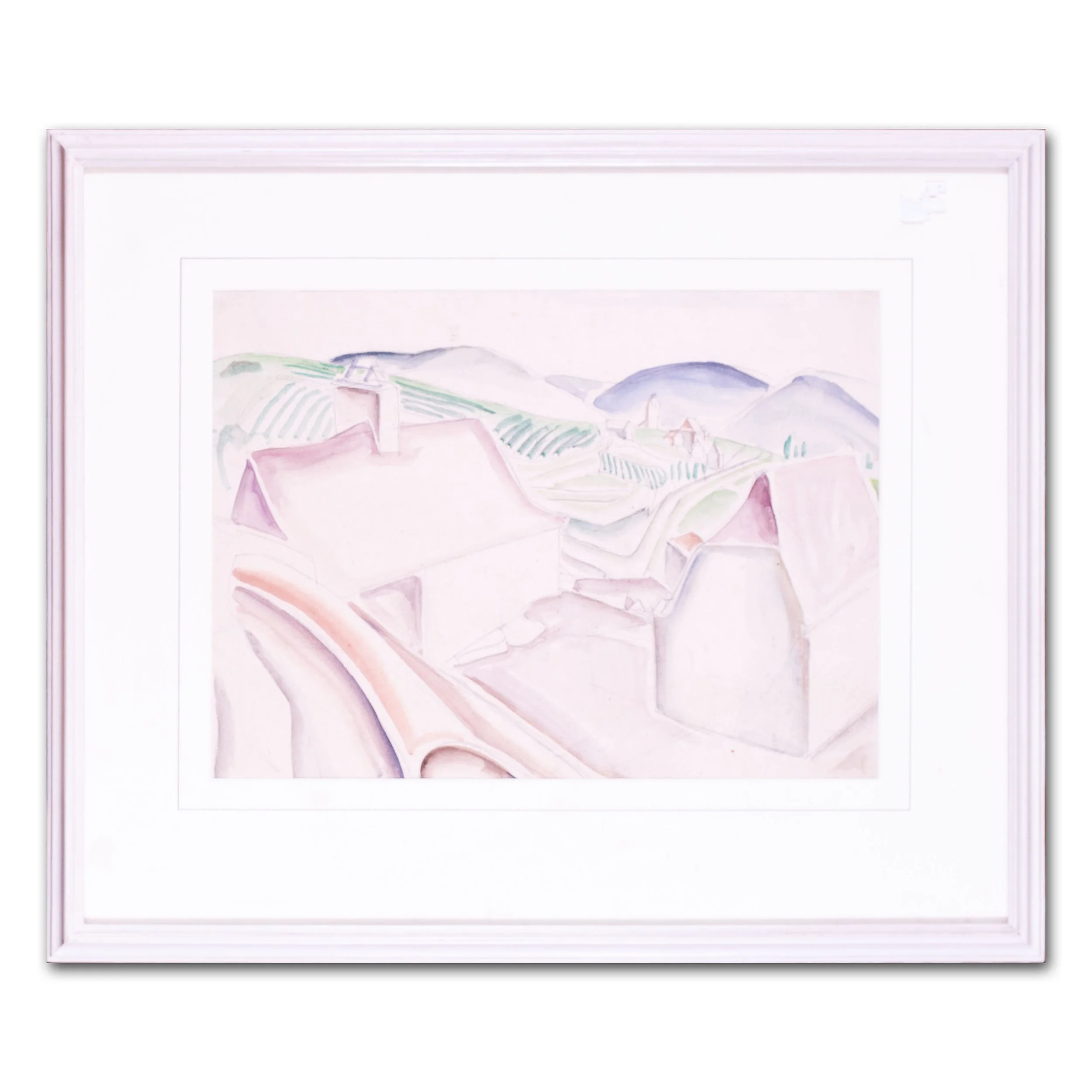 Image 1 of 6
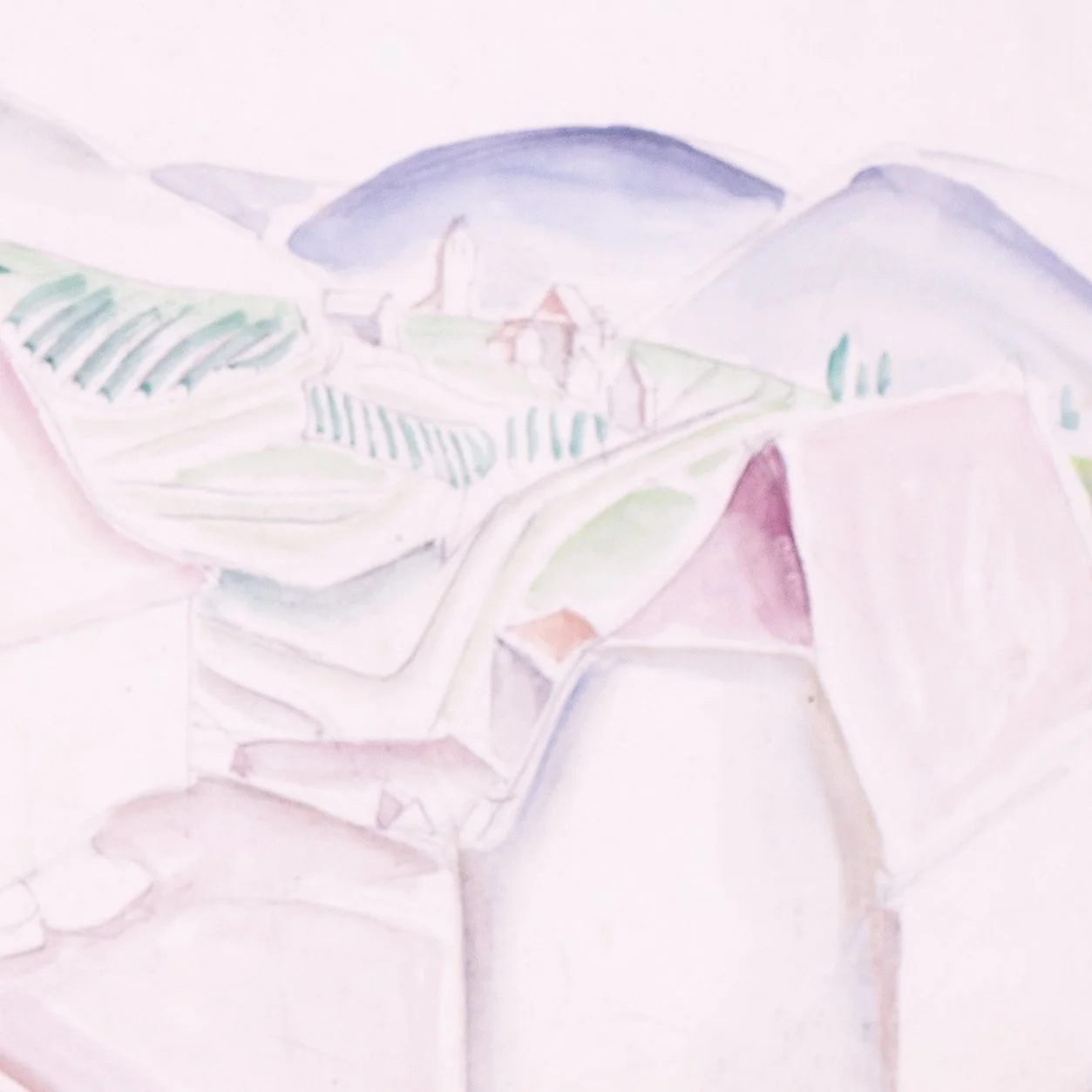 Image 2 of 6
 Image 3 of 6
 Image 4 of 6
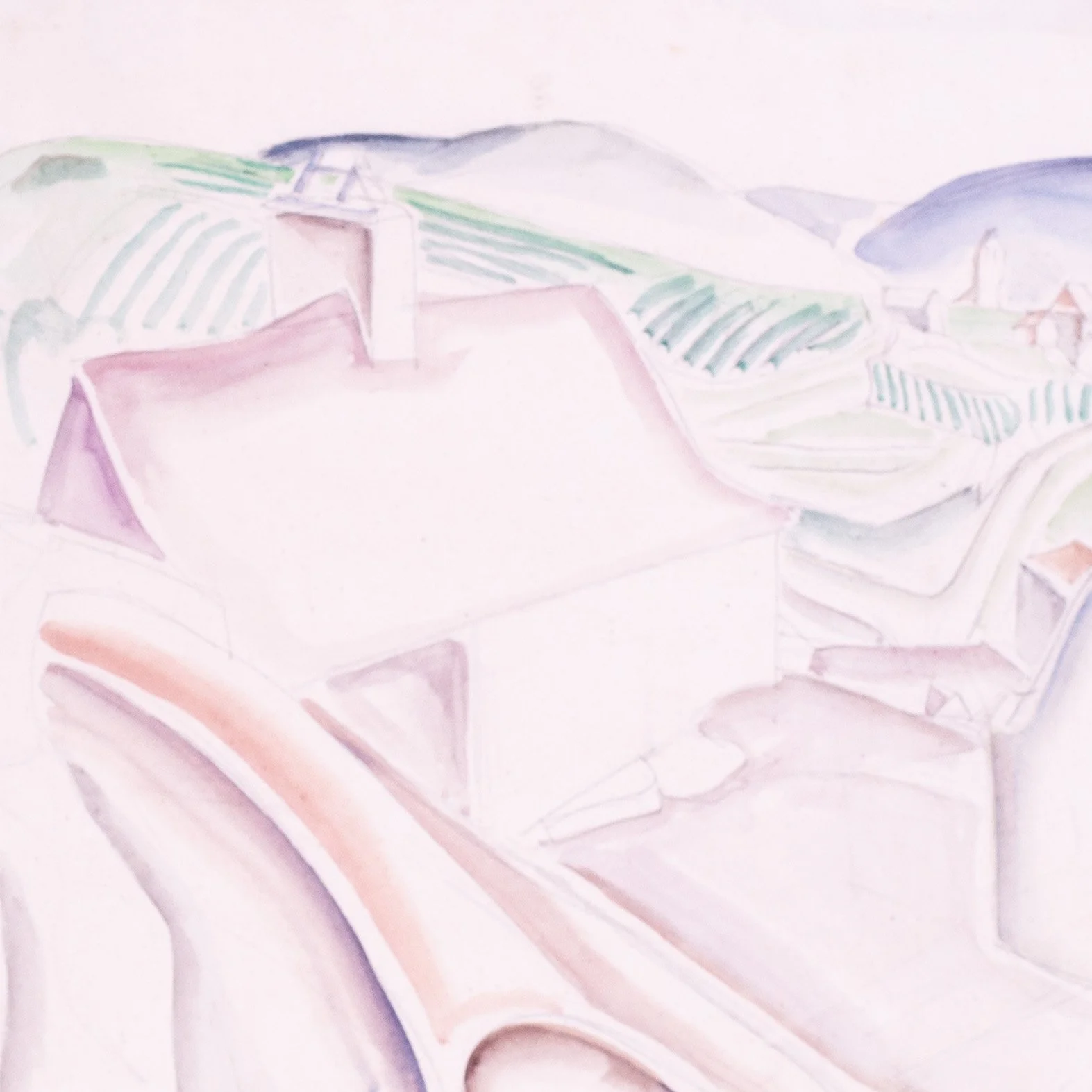 Image 5 of 6
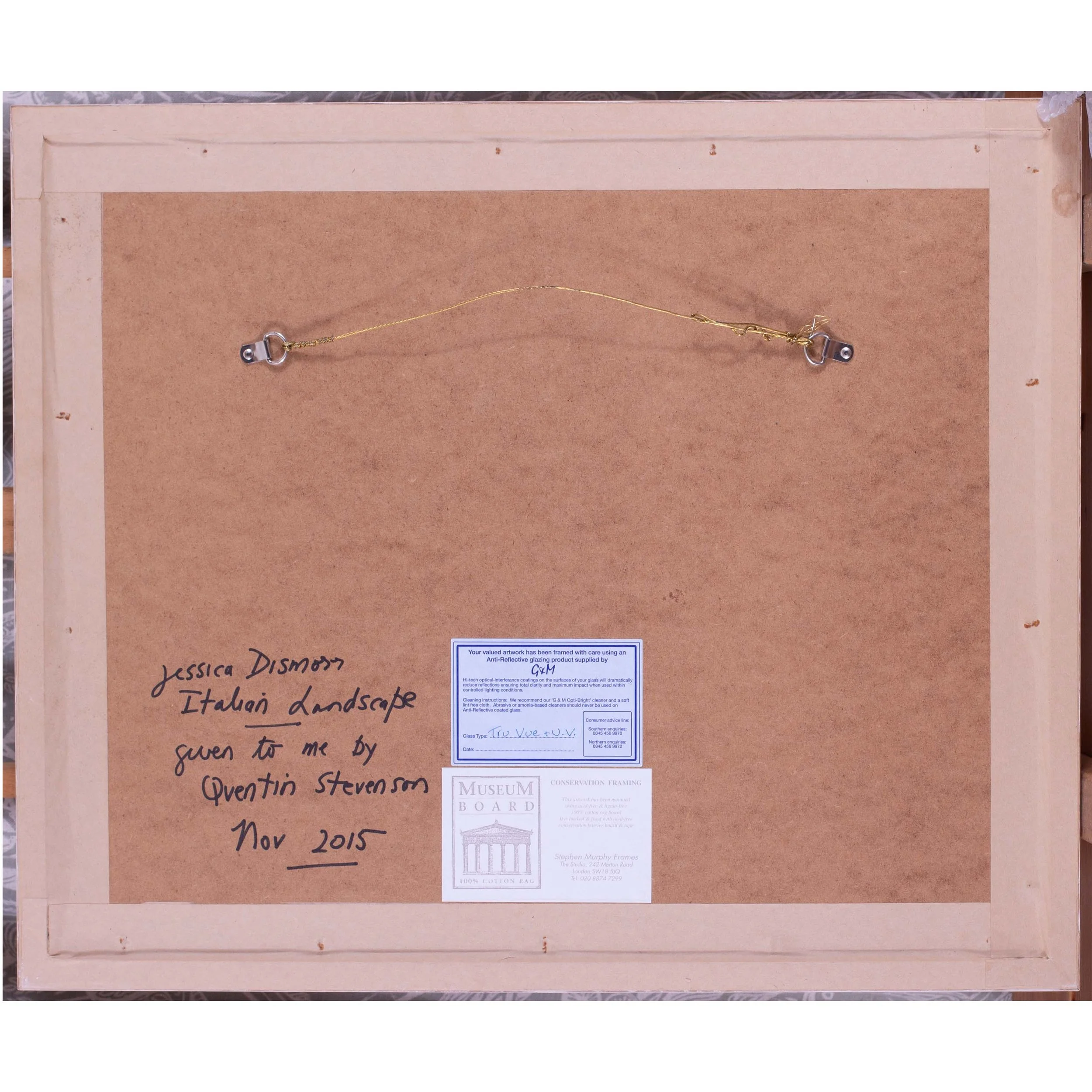 Image 6 of 6