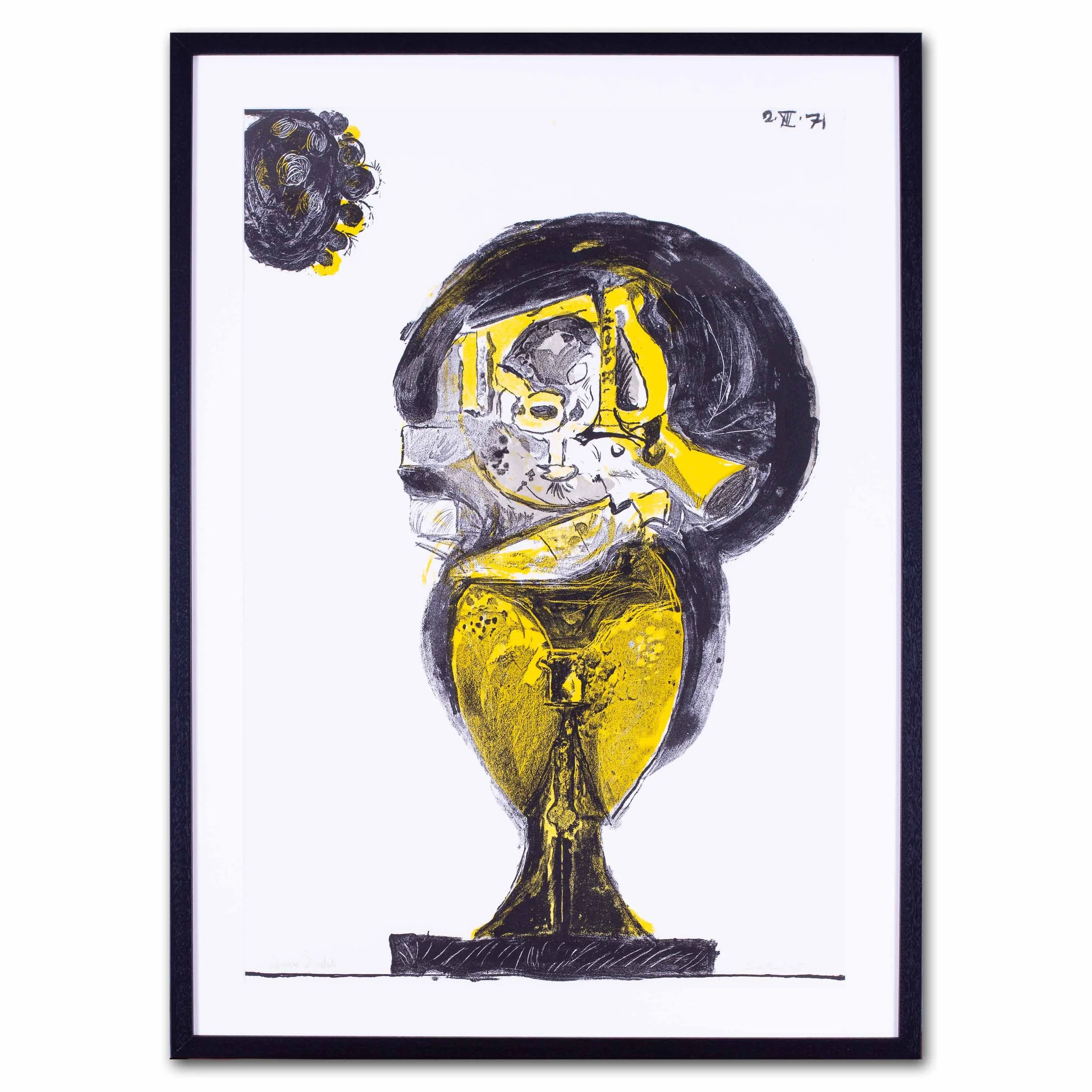
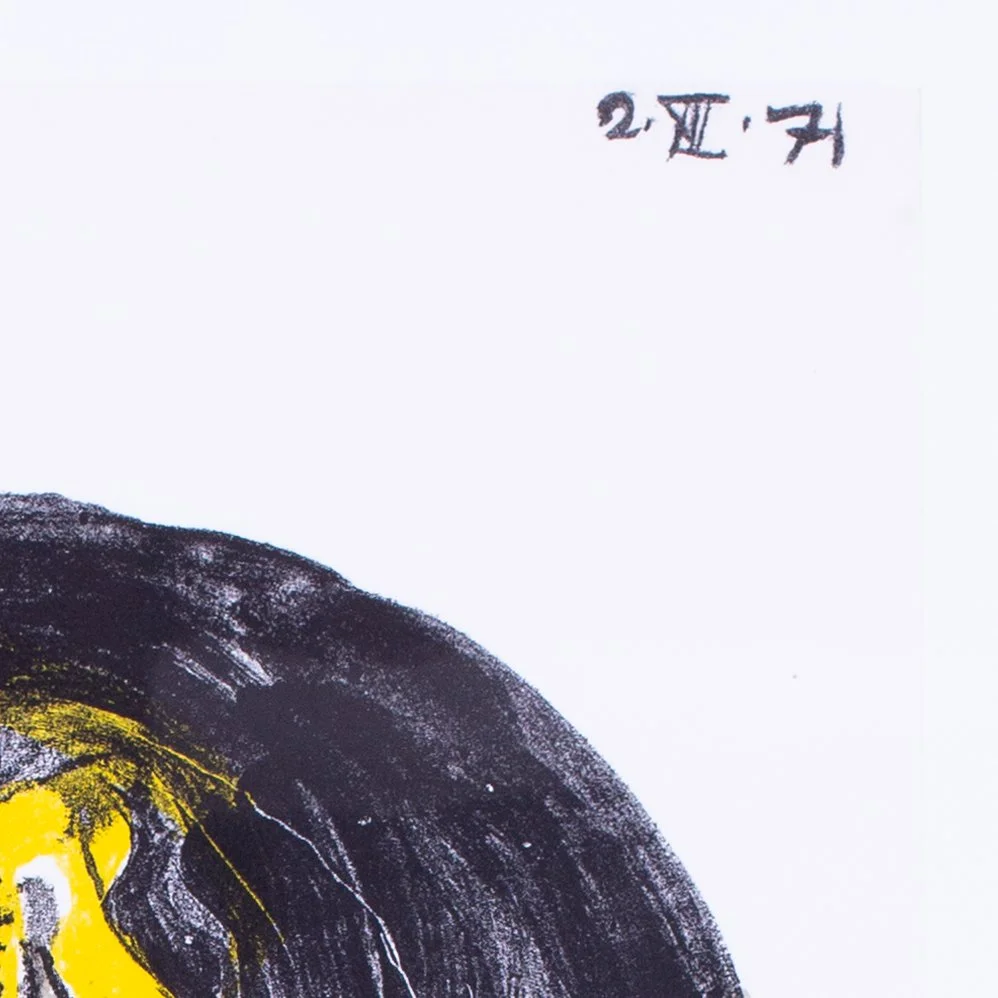
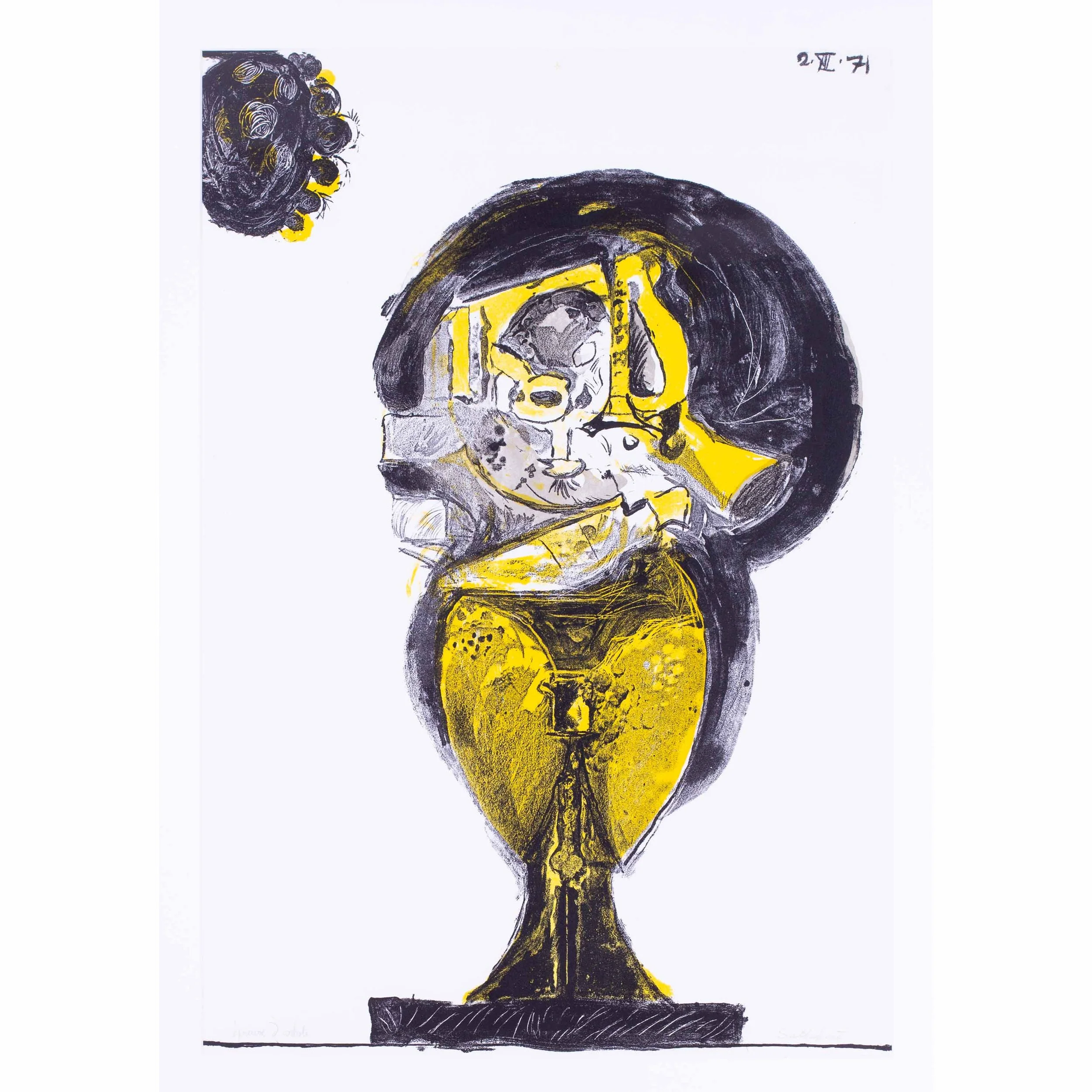
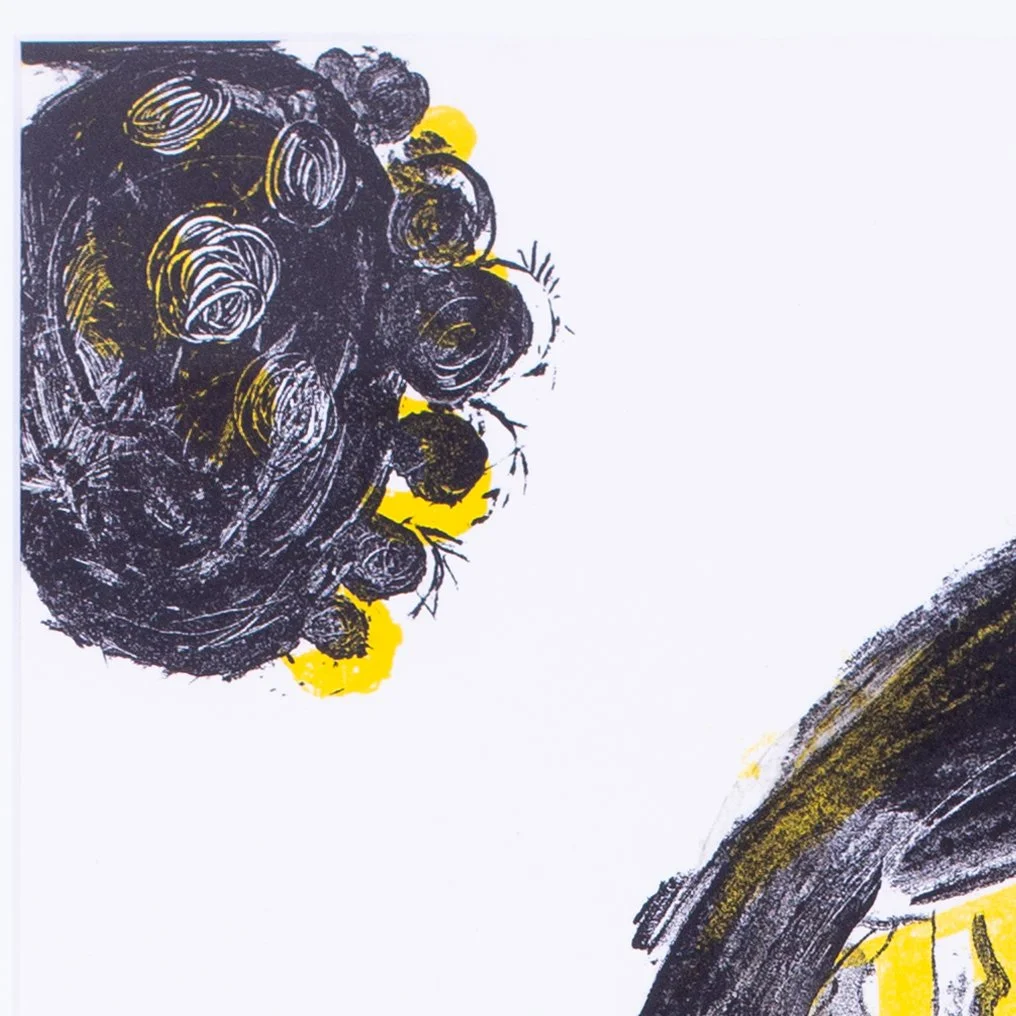
Graham Sutherland (British, 1903 – 1980)
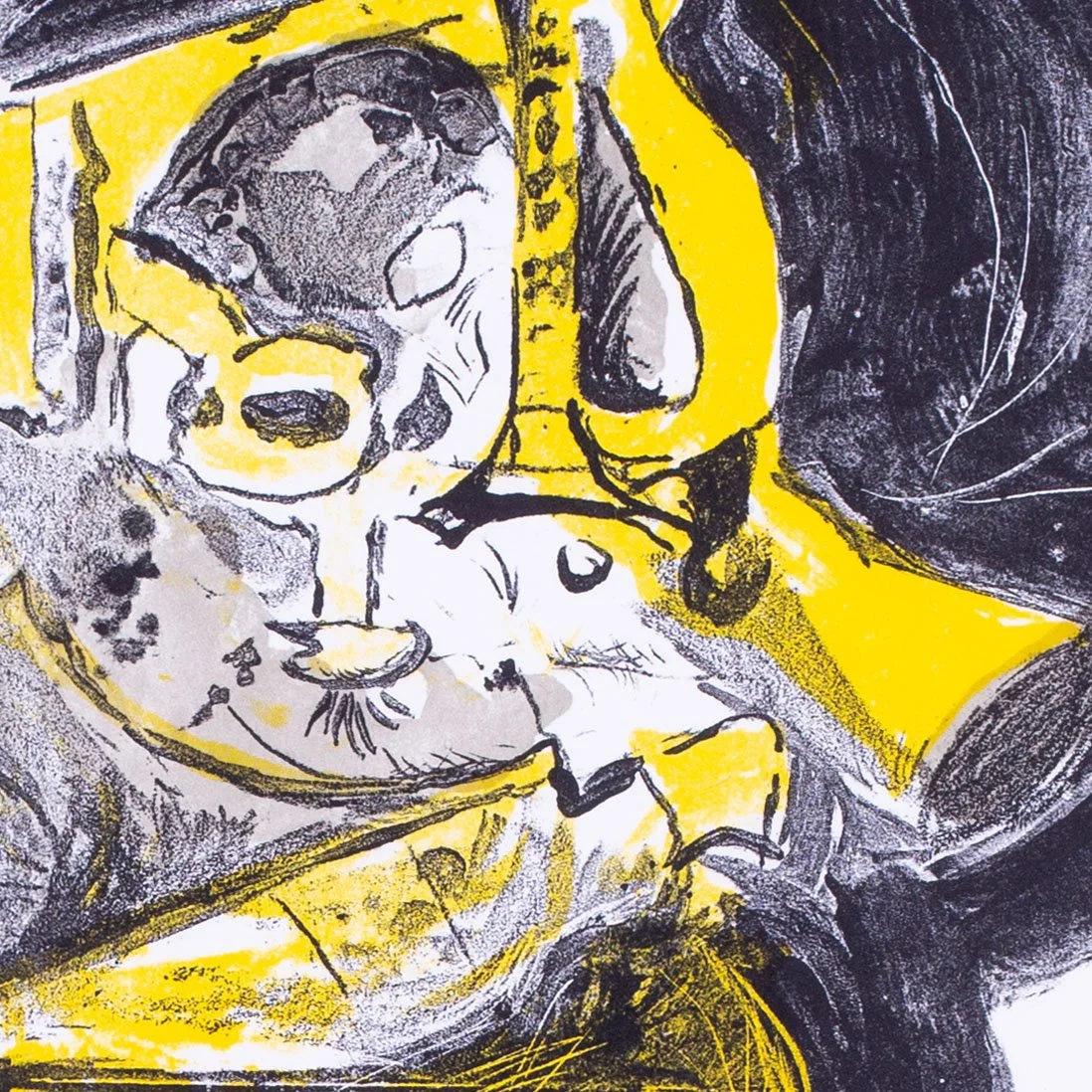
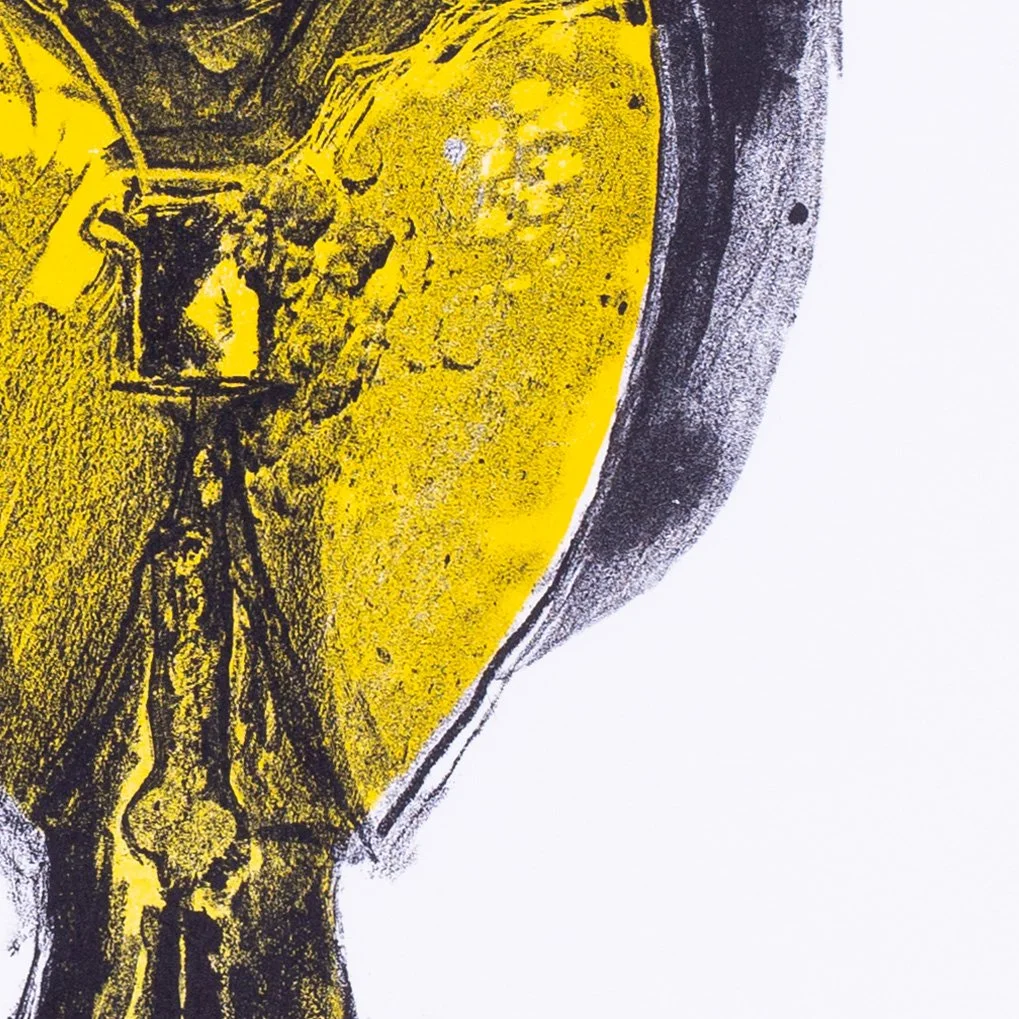
A large textile design for the Dorchester hotel
gouache on paper
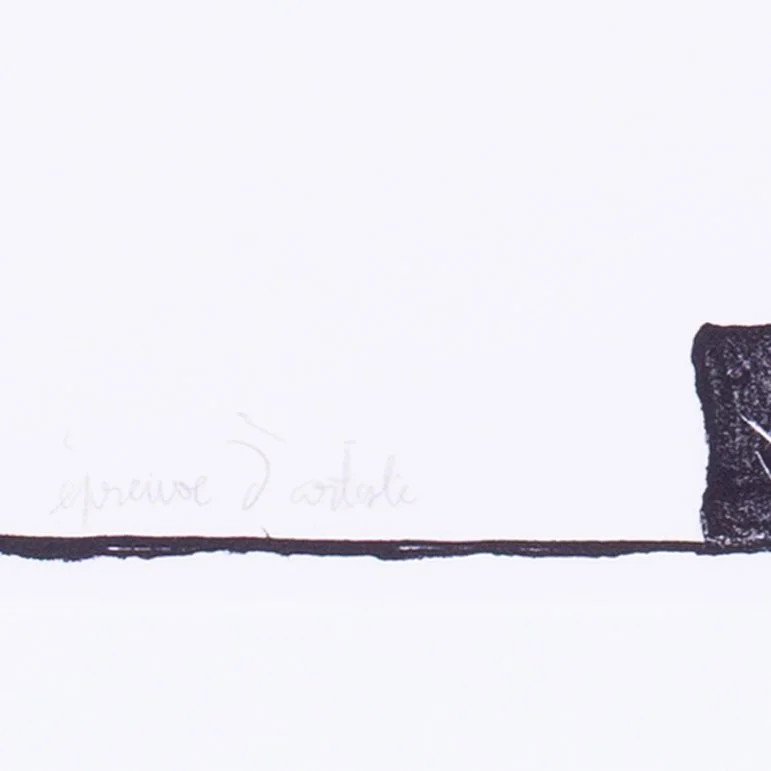
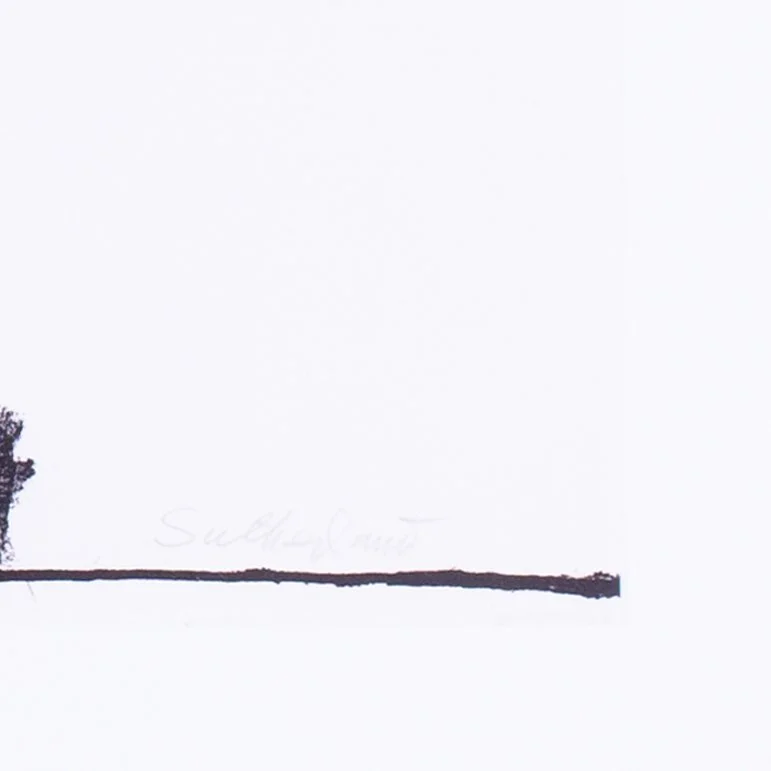
inscribed with a few notations and directions for production
54 x 23.1/4 in. (137.4 x 59 cm.)
Provenance: It was acquired directly from the artist and thence by descent
Read More »
Graham Sutherland (1903–1980) was one of Britain’s most influential 20th-century artists, celebrated for his haunting landscapes, wartime imagery and monumental tapestries. His distinctive language of organic forms, angular structures and intense colour also extended into the decorative arts.
In the post-war period, The Dorchester on Park Lane commissioned Sutherland to create designs for its luxurious interiors, bringing a leading British modernist into one of London’s most prestigious hotels. His preparatory studies combine bold geometric and biomorphic forms with sophisticated colour, translating the rhythms of his paintings into patterns for fabric and drapery.
Rather than the traditional decorative motifs associated with grand hotels, Sutherland introduced an unmistakably modern aesthetic, using upright lozenges, organic shapes and carefully balanced areas of colour. The designs reveal his remarkable ability to move between fine art and applied design while retaining his distinctive visual language.
The Dorchester commission offers a fascinating insight into Sutherland’s lesser-known contribution to post-war British design, when modern artists were increasingly invited to transform public and commercial interiors.
Graham Sutherland (British, 1903 – 1980)
A large textile design for the Dorchester hotel
gouache on paper
inscribed with a few notations and directions for production
54 x 23.1/4 in. (137.4 x 59 cm.)
Provenance: It was acquired directly from the artist and thence by descent
Read More »
Graham Sutherland (1903–1980) was one of Britain’s most influential 20th-century artists, celebrated for his haunting landscapes, wartime imagery and monumental tapestries. His distinctive language of organic forms, angular structures and intense colour also extended into the decorative arts.
In the post-war period, The Dorchester on Park Lane commissioned Sutherland to create designs for its luxurious interiors, bringing a leading British modernist into one of London’s most prestigious hotels. His preparatory studies combine bold geometric and biomorphic forms with sophisticated colour, translating the rhythms of his paintings into patterns for fabric and drapery.
Rather than the traditional decorative motifs associated with grand hotels, Sutherland introduced an unmistakably modern aesthetic, using upright lozenges, organic shapes and carefully balanced areas of colour. The designs reveal his remarkable ability to move between fine art and applied design while retaining his distinctive visual language.
The Dorchester commission offers a fascinating insight into Sutherland’s lesser-known contribution to post-war British design, when modern artists were increasingly invited to transform public and commercial interiors.

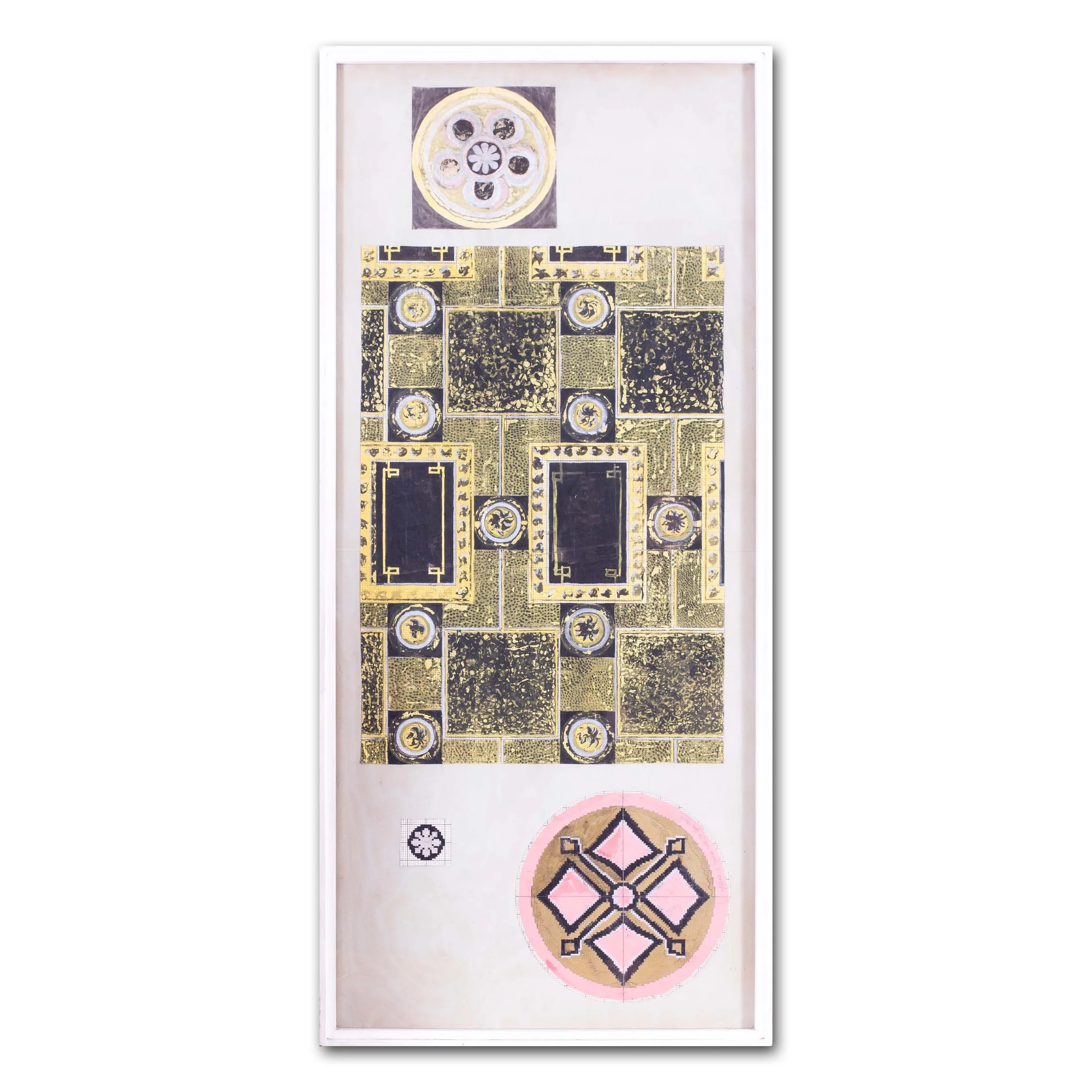 Image 1 of 7
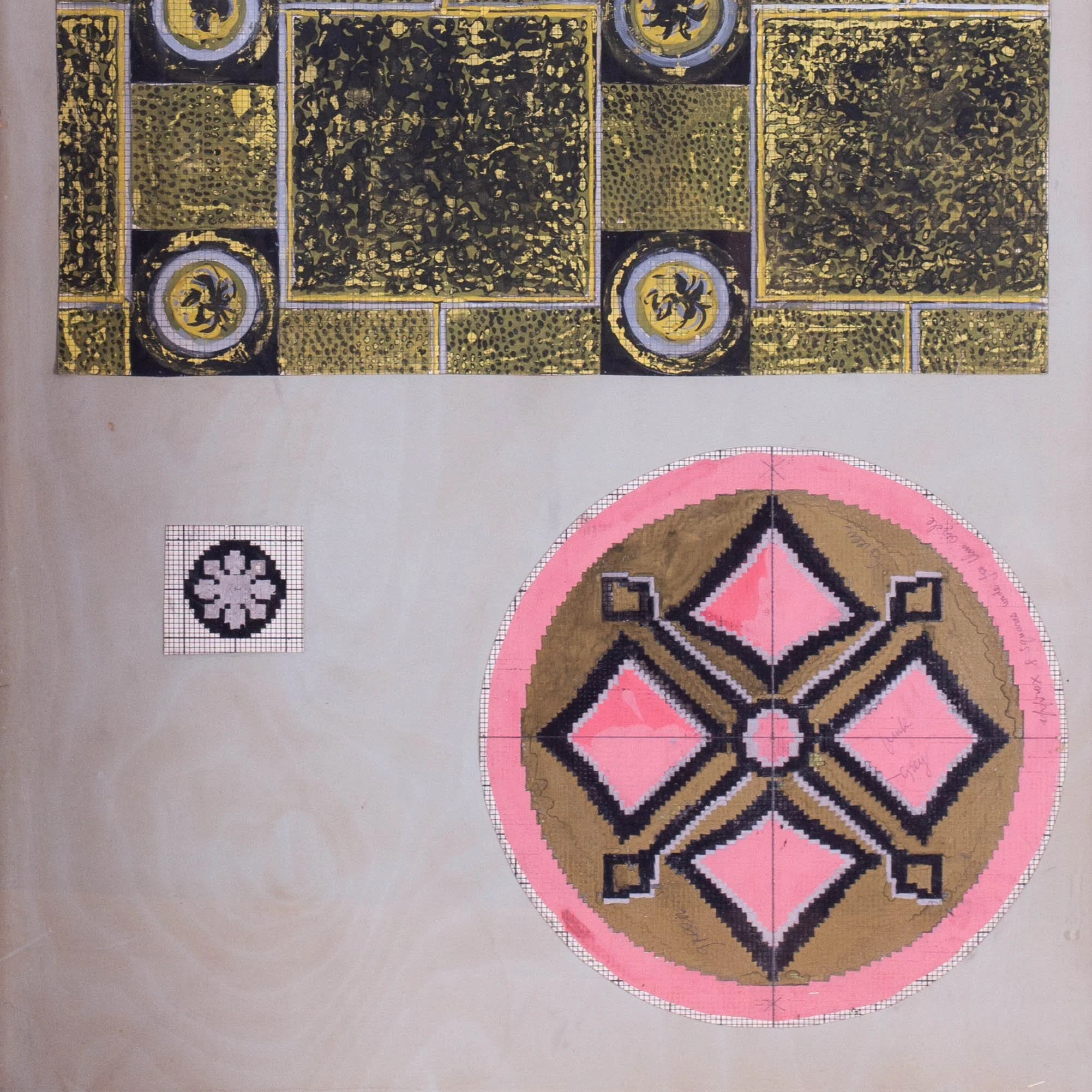 Image 2 of 7
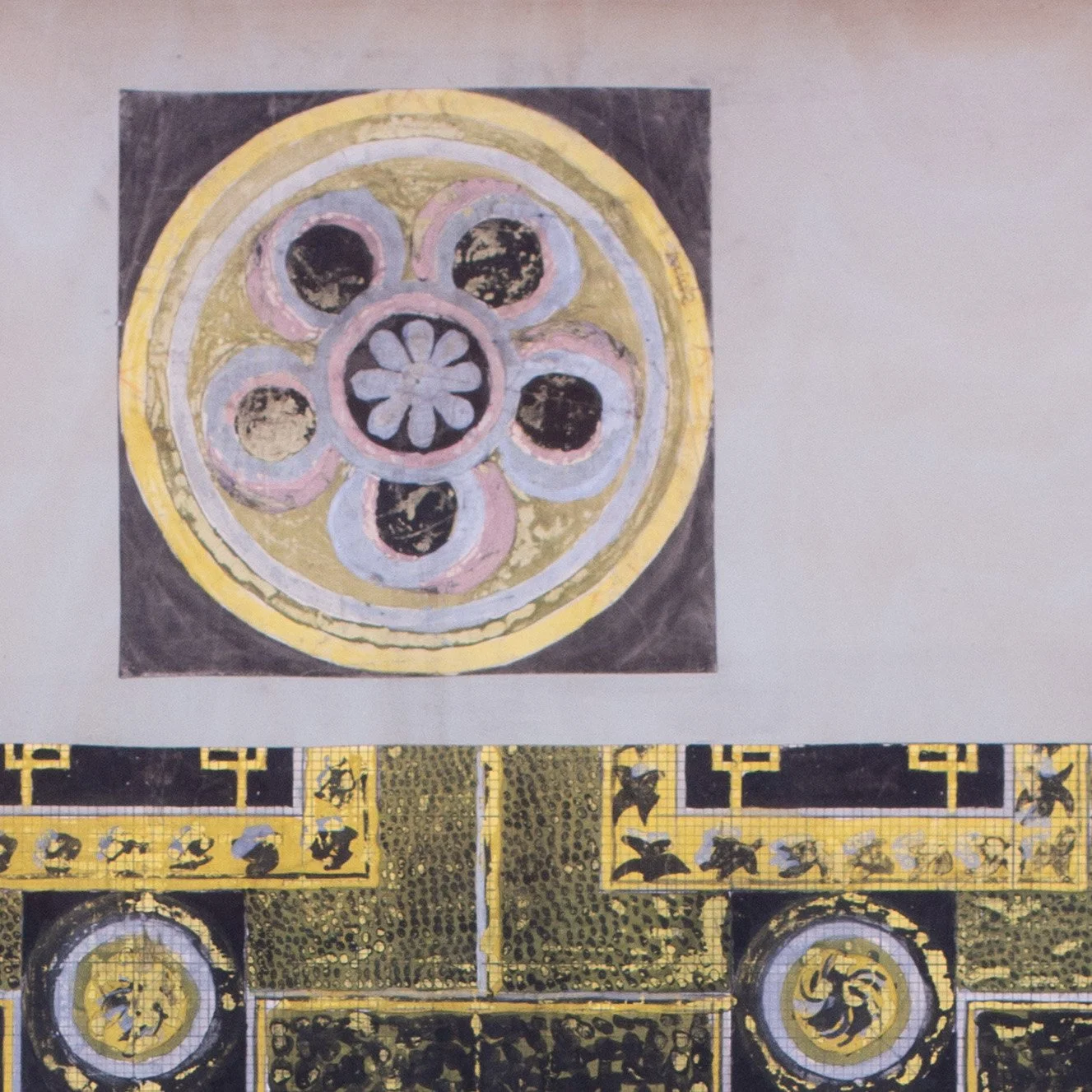 Image 3 of 7
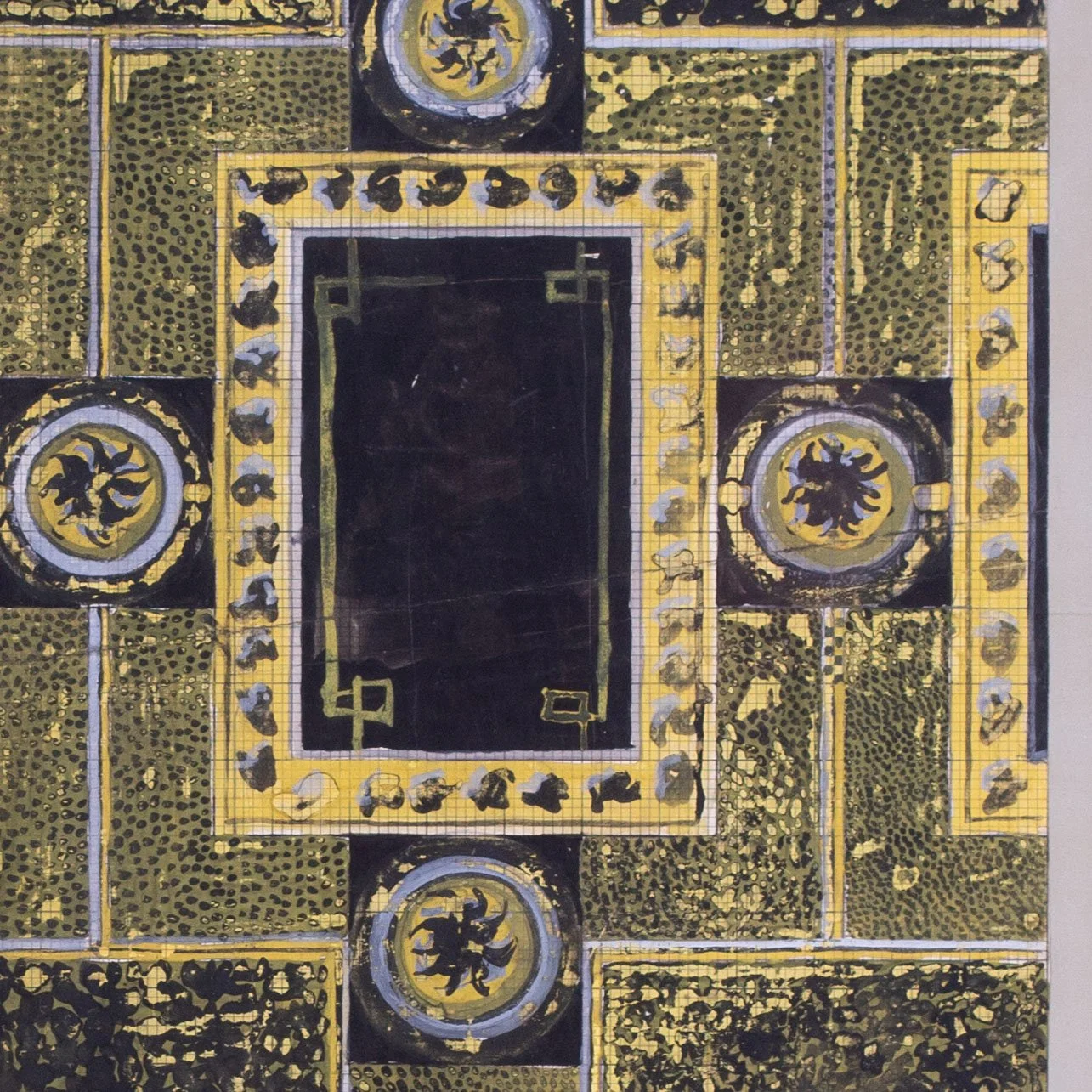 Image 4 of 7
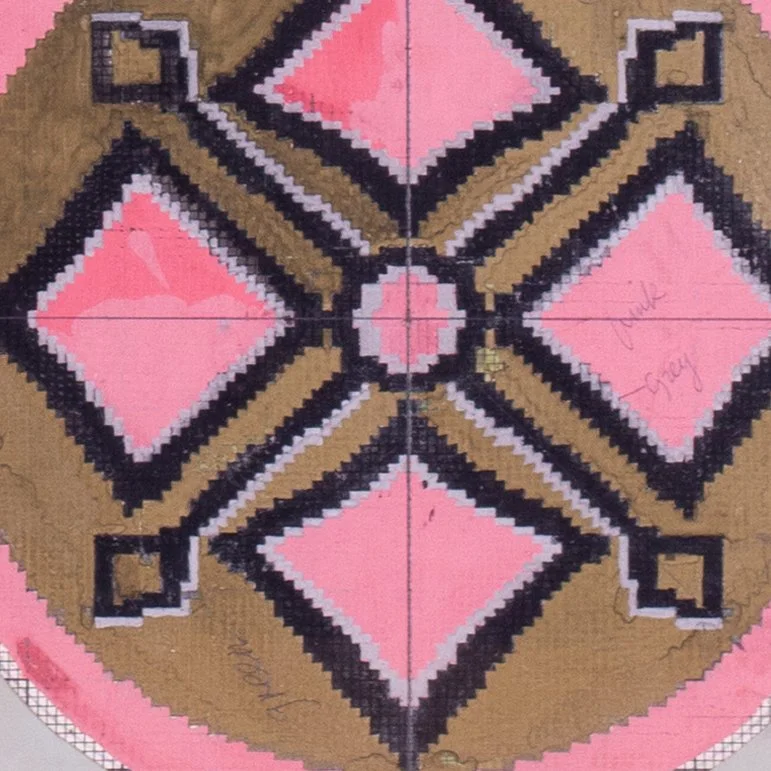 Image 5 of 7
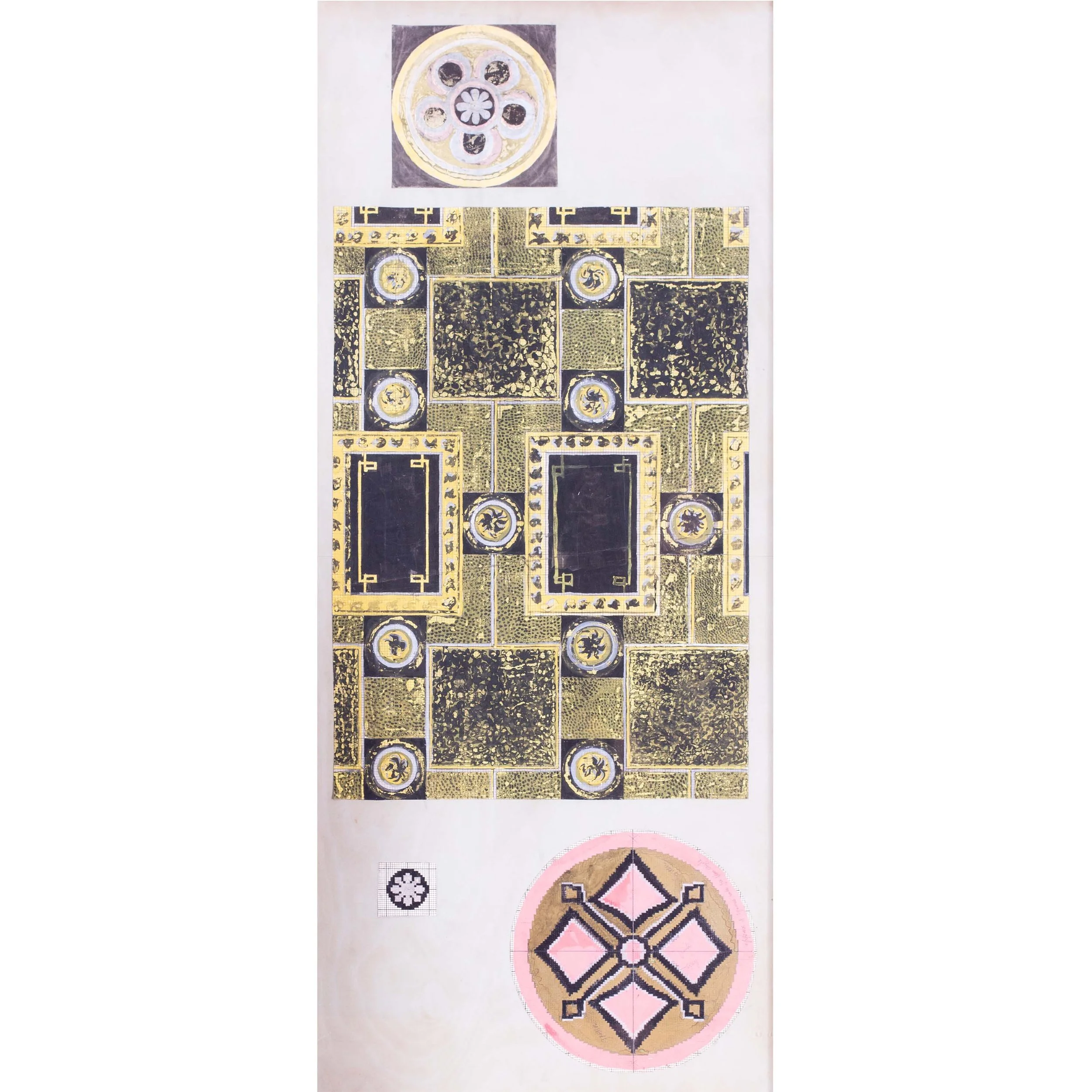 Image 6 of 7
 Image 7 of 7