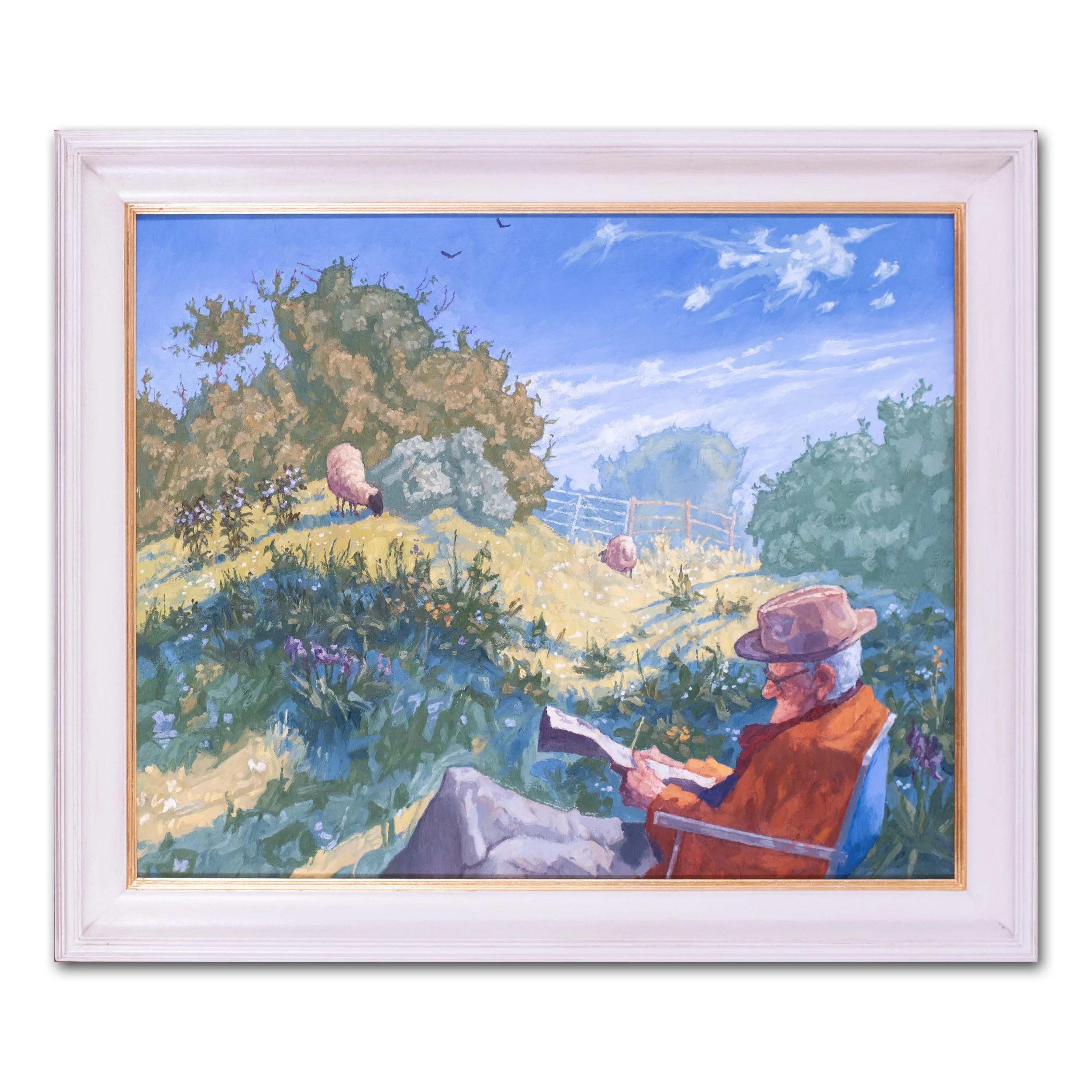
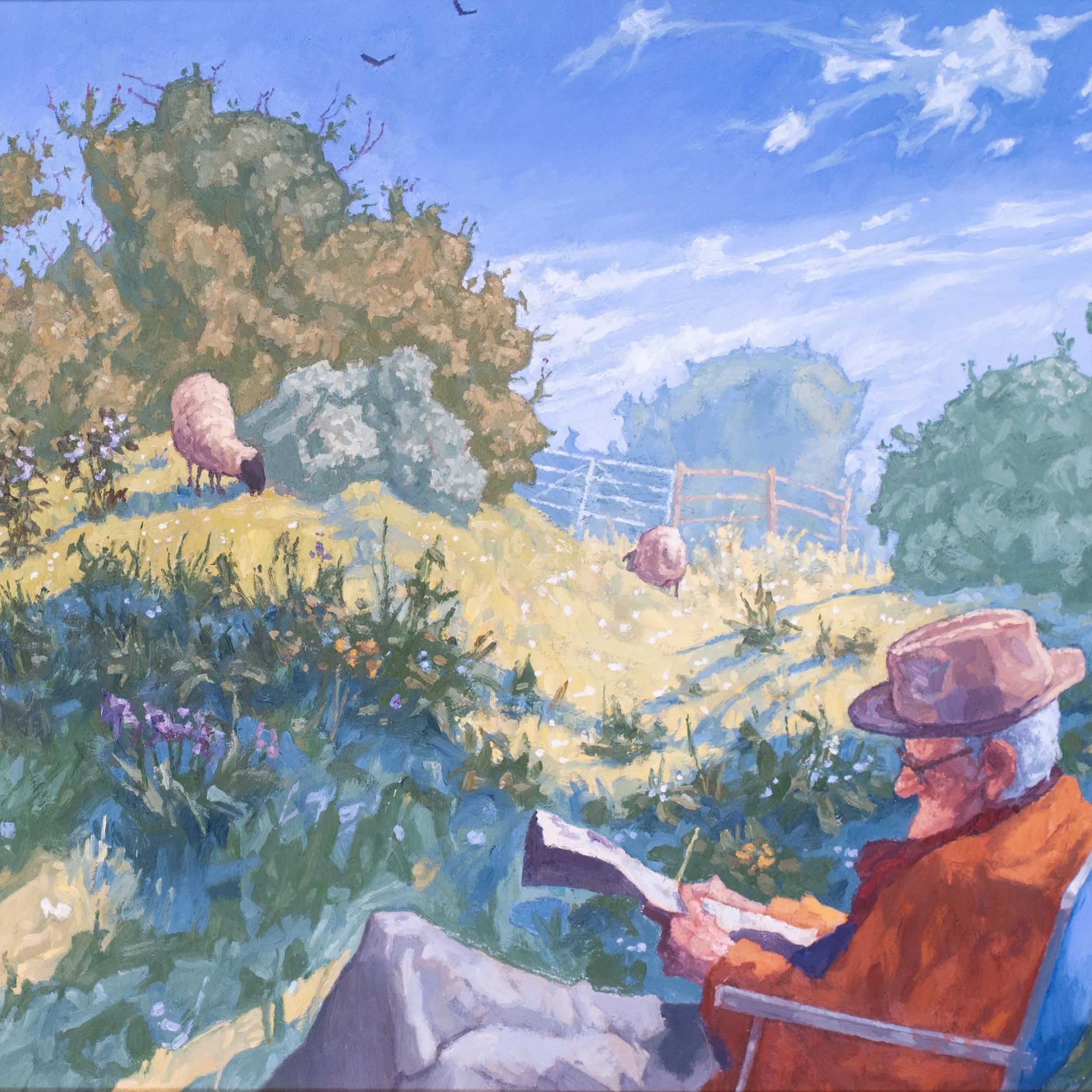
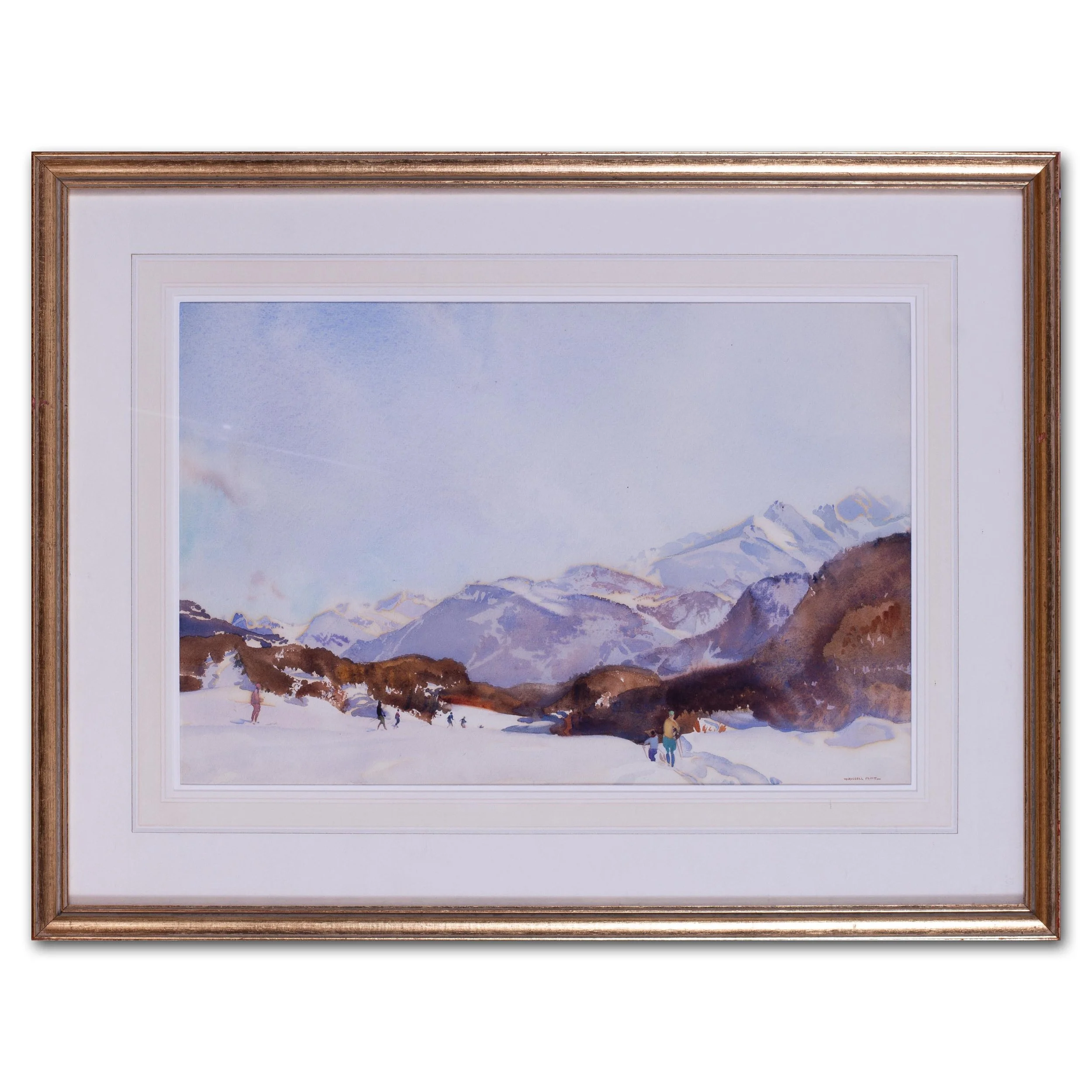
Ethelbert White (British, 1891 – 1972)
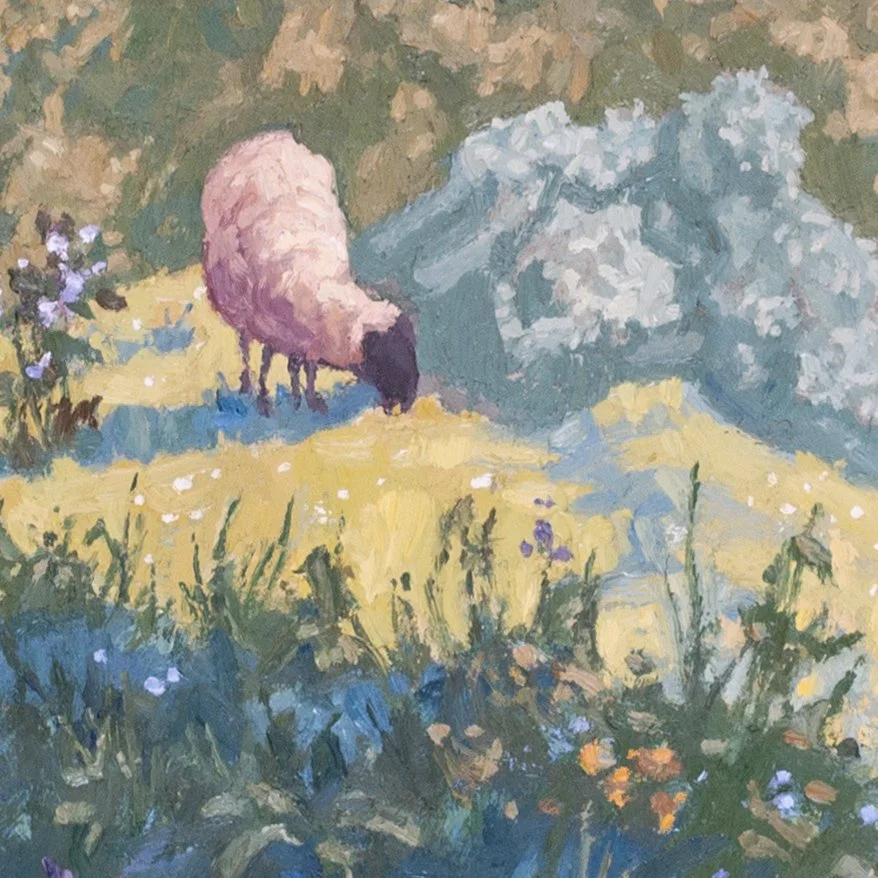
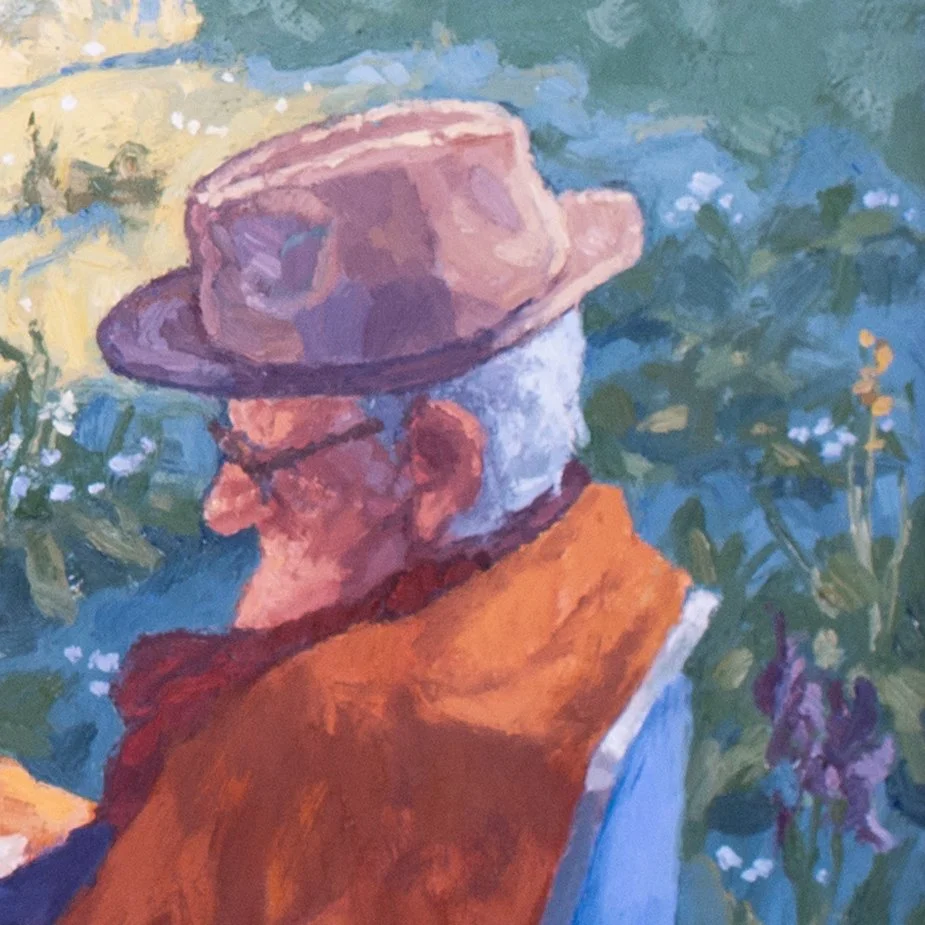
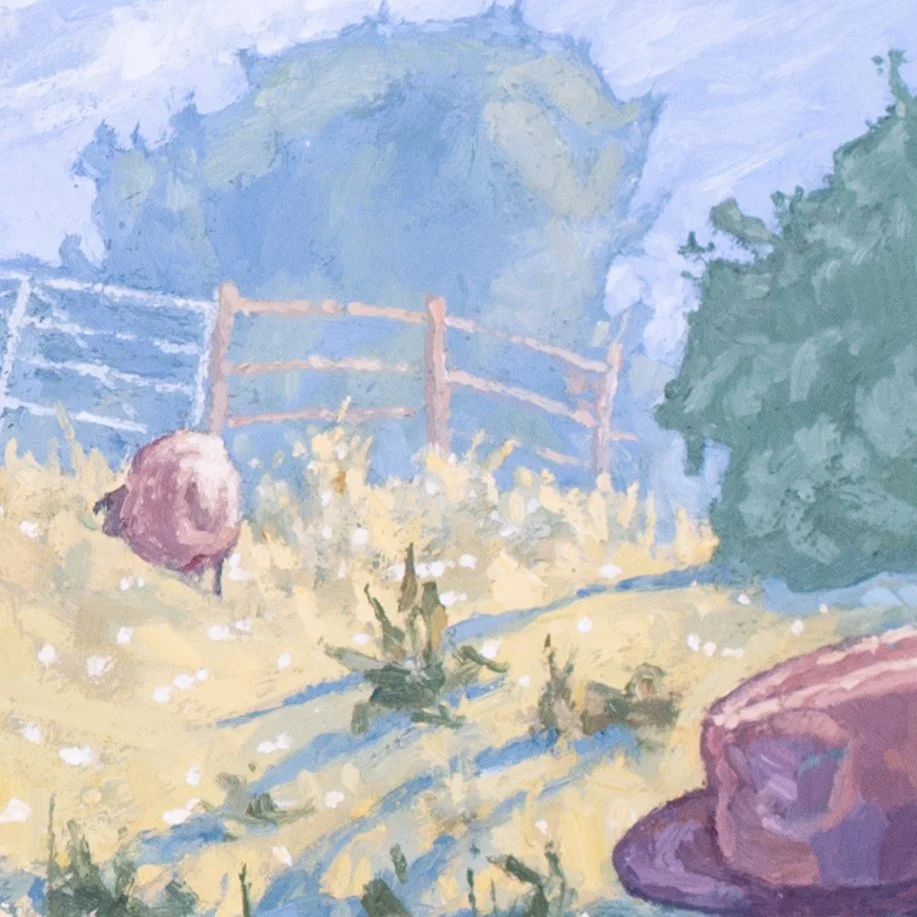
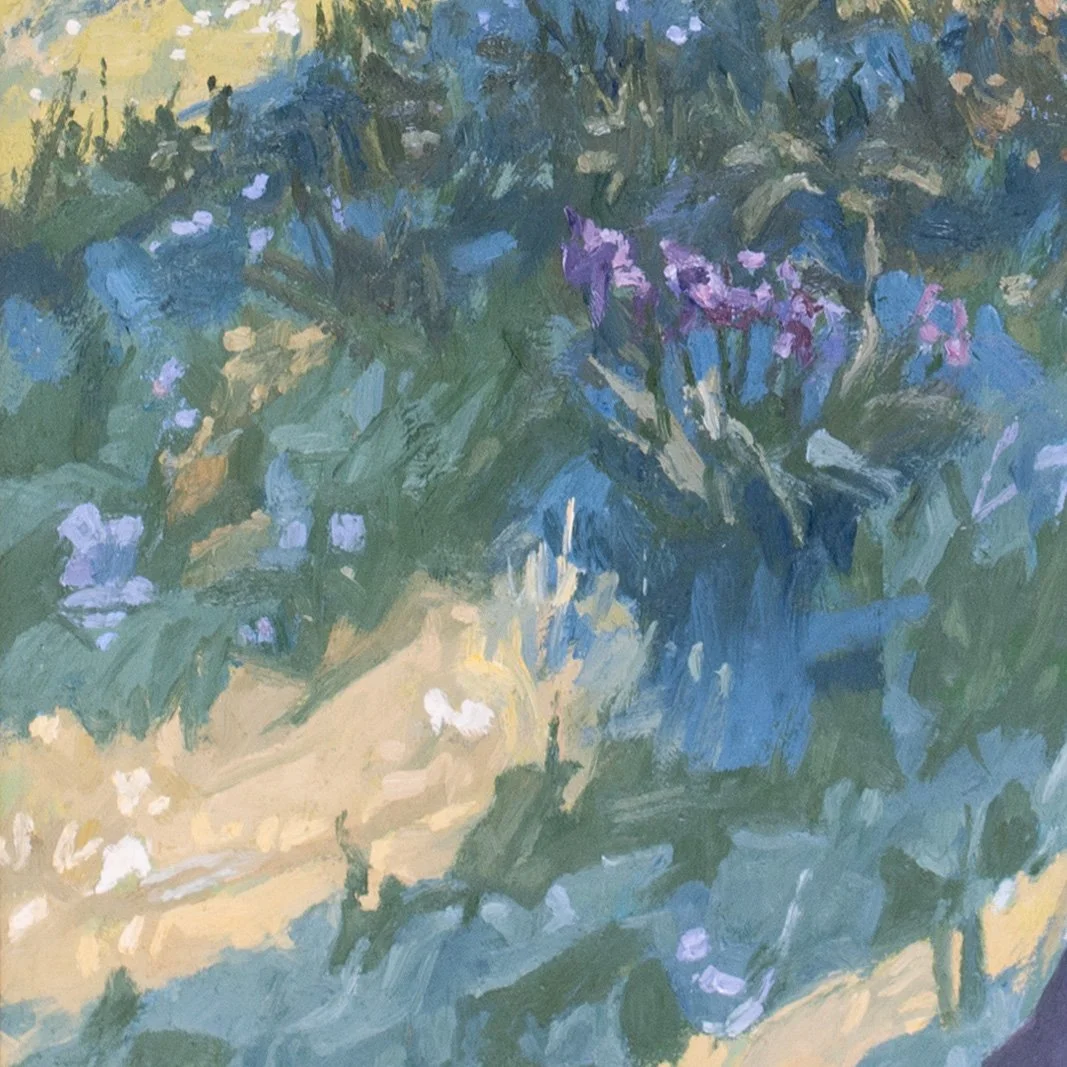
Spanish Mural
oil on paper
signed ‘Ethelbert White’ (lower right)
21.5/8 x 25.7/8 in. (55 x 65.5 cm.)
Read more »
Ethelbert White is celebrated for his evocative depictions of the English countryside, but his artistic horizons extended far beyond Britain. Extensive travels through France, Spain, Italy and Belgium introduced him to a very different landscape and light, profoundly influencing his use of colour, form and composition. Leaving behind the rolling hills of Surrey and Sussex, White was particularly inspired by the brilliant Mediterranean light and the architecture of southern Europe.
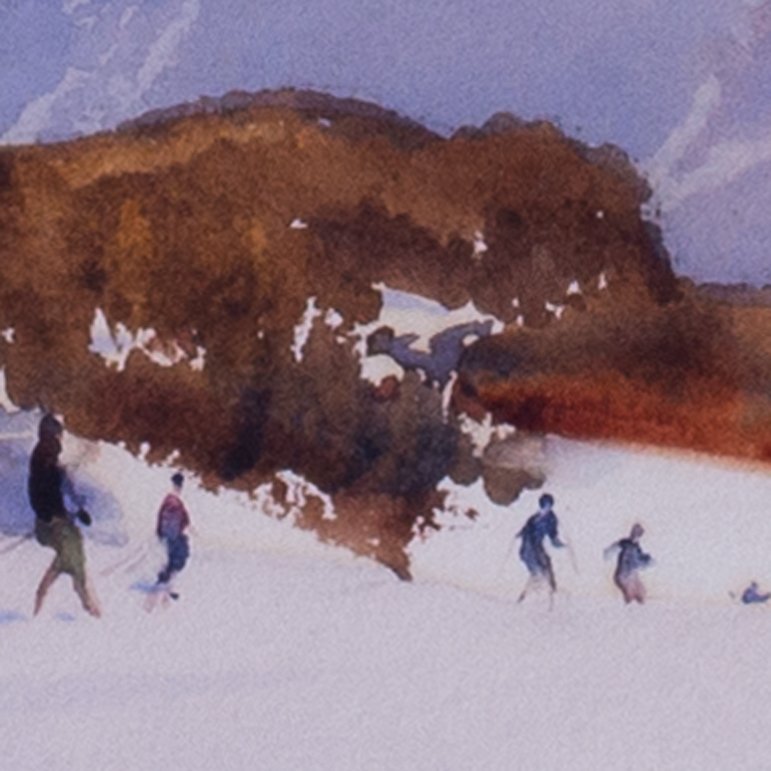
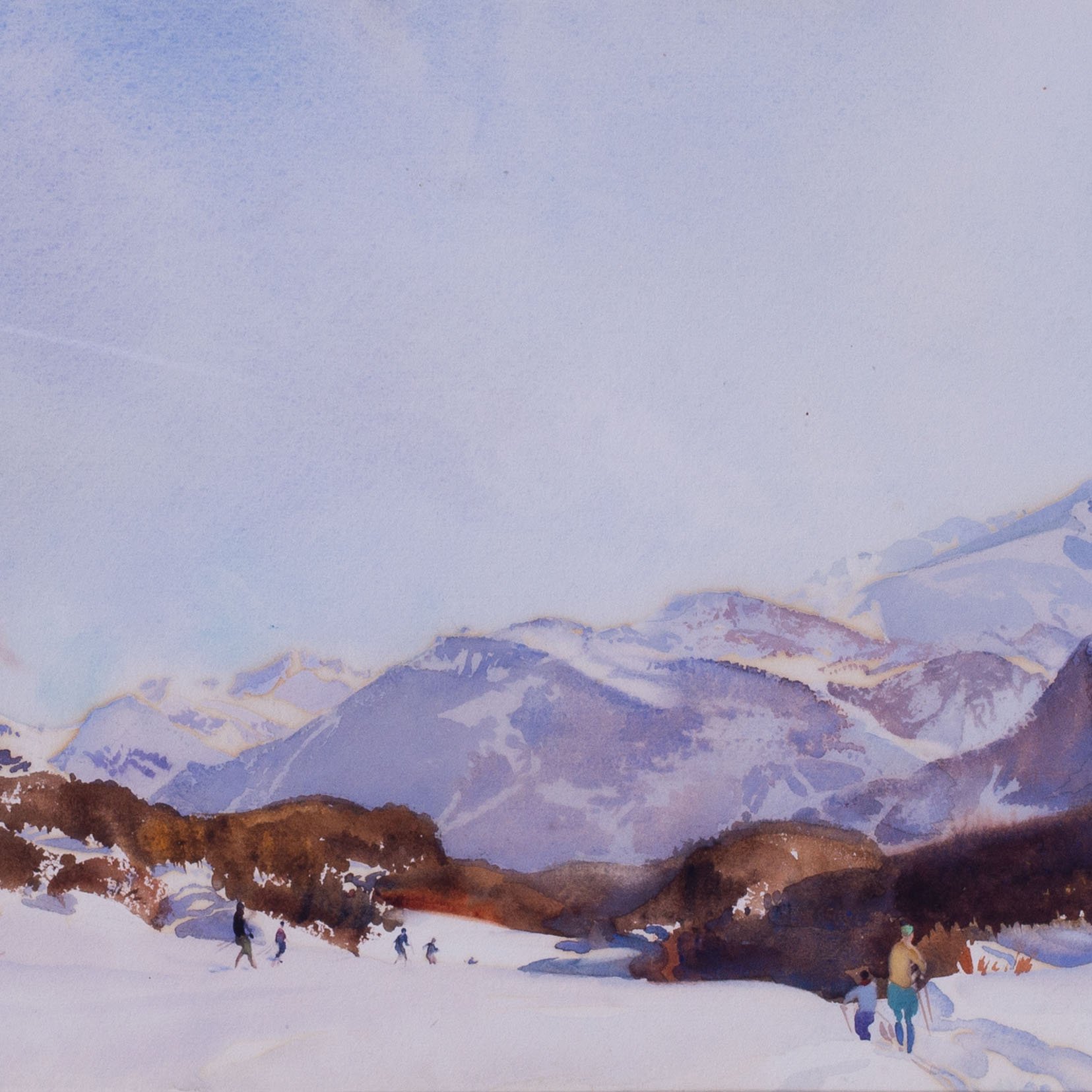
Influenced by European Post-Impressionism and the decorative clarity of artists such as Paul Cézanne and Henri Matisse, White transformed foreign landscapes through a distinctly British modernist sensibility. His paintings and watercolours of Spain and the Mediterranean, including Mallorca and Malaga, often have a strikingly decorative, almost mural-like quality. Sunlit buildings, mountain ridges and coastlines are reduced to crisp geometric forms and interlocking planes of terracotta, ochre, stone white and vivid colour.
White was part of a lively network of British artists working at the forefront of modernism. His friendships with Mark Gertler and C.R.W. Nevinson exposed him to radical approaches to modern form, while his association with Augustus John connected him to London's bohemian artistic circles. He was also an important member of the London Group and exhibited alongside artists including Paul and John Nash.
These continental works reveal a less familiar side of White: an artist who absorbed the visual language of European modernism while retaining a distinctly English sensibility, bringing together landscape, pattern and colour with remarkable economy.
Ethelbert White (British, 1891 – 1972)
Spanish Mural
oil on paper
signed ‘Ethelbert White’ (lower right)
21.5/8 x 25.7/8 in. (55 x 65.5 cm.)
Read more »
Ethelbert White is celebrated for his evocative depictions of the English countryside, but his artistic horizons extended far beyond Britain. Extensive travels through France, Spain, Italy and Belgium introduced him to a very different landscape and light, profoundly influencing his use of colour, form and composition. Leaving behind the rolling hills of Surrey and Sussex, White was particularly inspired by the brilliant Mediterranean light and the architecture of southern Europe.
Influenced by European Post-Impressionism and the decorative clarity of artists such as Paul Cézanne and Henri Matisse, White transformed foreign landscapes through a distinctly British modernist sensibility. His paintings and watercolours of Spain and the Mediterranean, including Mallorca and Malaga, often have a strikingly decorative, almost mural-like quality. Sunlit buildings, mountain ridges and coastlines are reduced to crisp geometric forms and interlocking planes of terracotta, ochre, stone white and vivid colour.
White was part of a lively network of British artists working at the forefront of modernism. His friendships with Mark Gertler and C.R.W. Nevinson exposed him to radical approaches to modern form, while his association with Augustus John connected him to London's bohemian artistic circles. He was also an important member of the London Group and exhibited alongside artists including Paul and John Nash.
These continental works reveal a less familiar side of White: an artist who absorbed the visual language of European modernism while retaining a distinctly English sensibility, bringing together landscape, pattern and colour with remarkable economy.

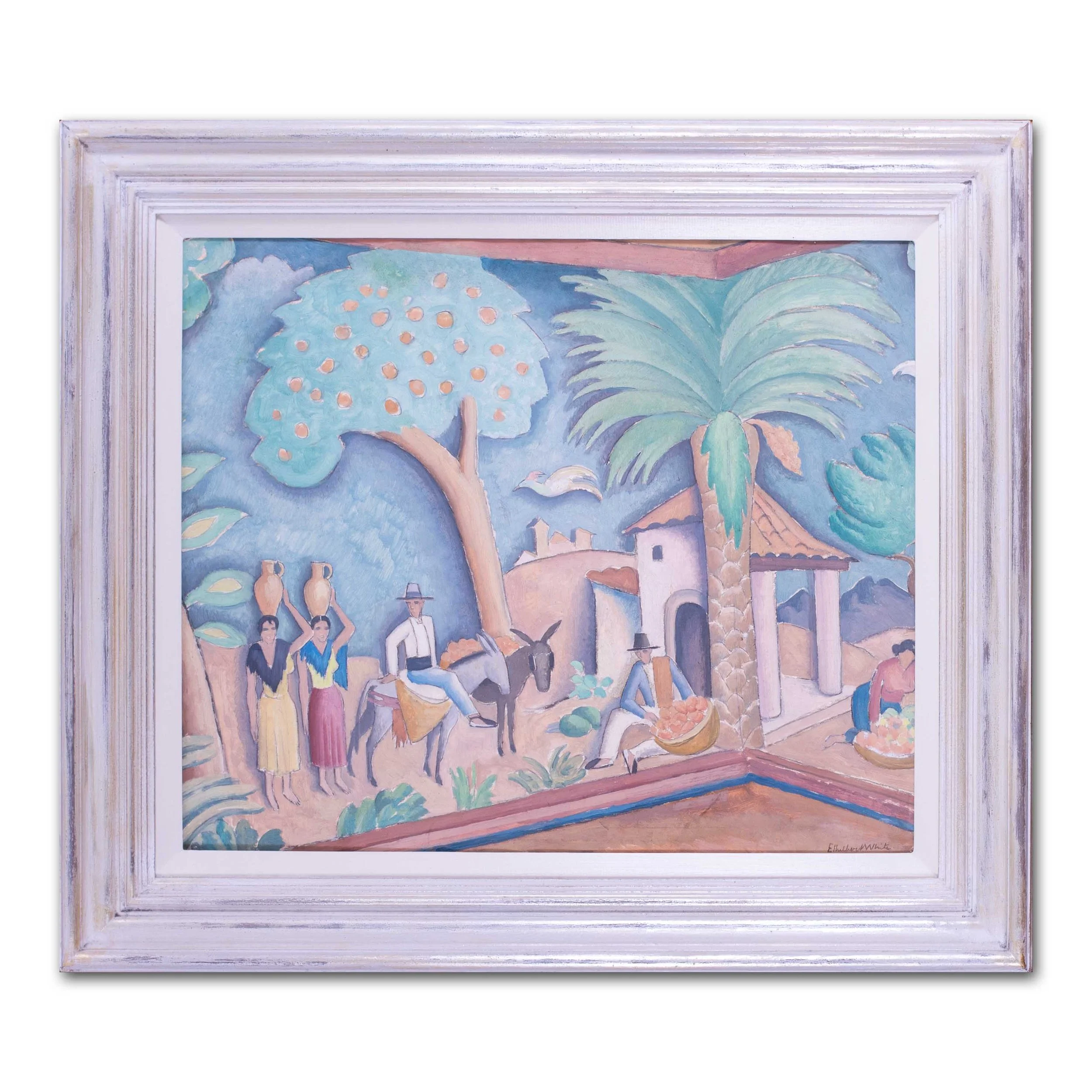 Image 1 of 7
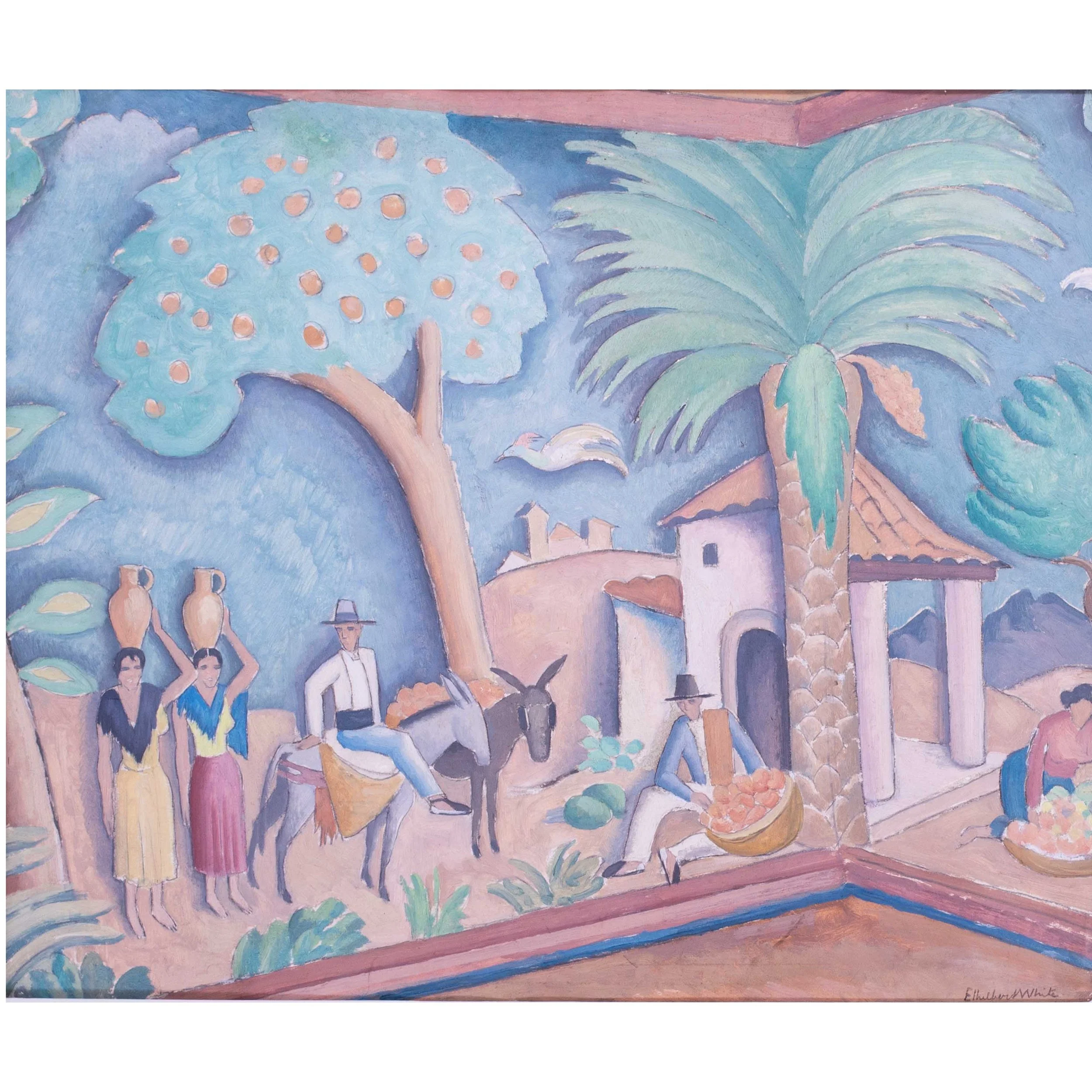 Image 2 of 7
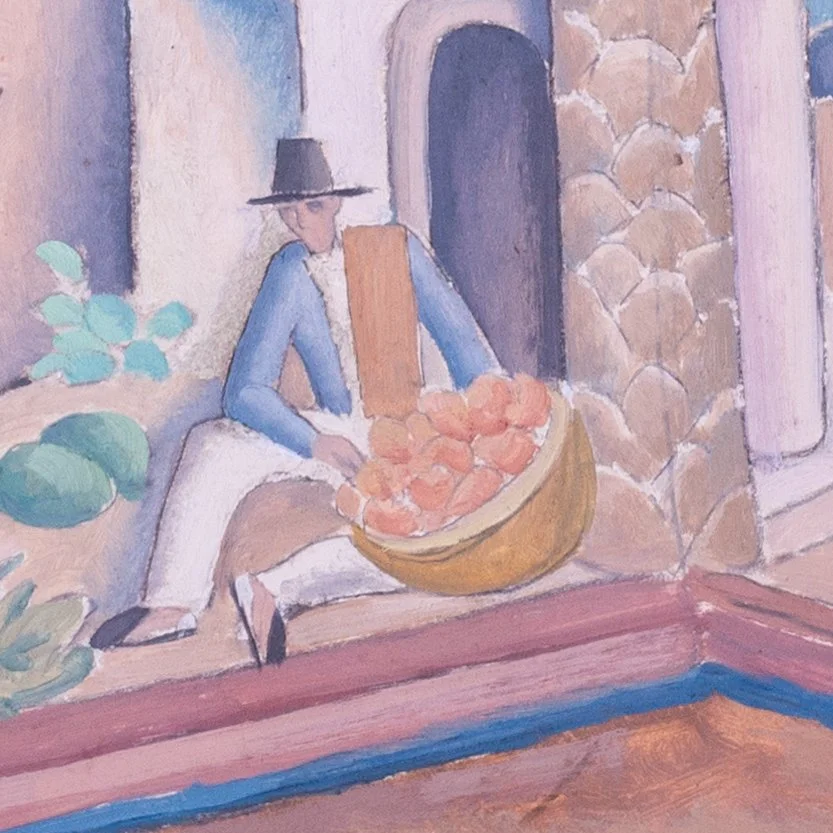 Image 3 of 7
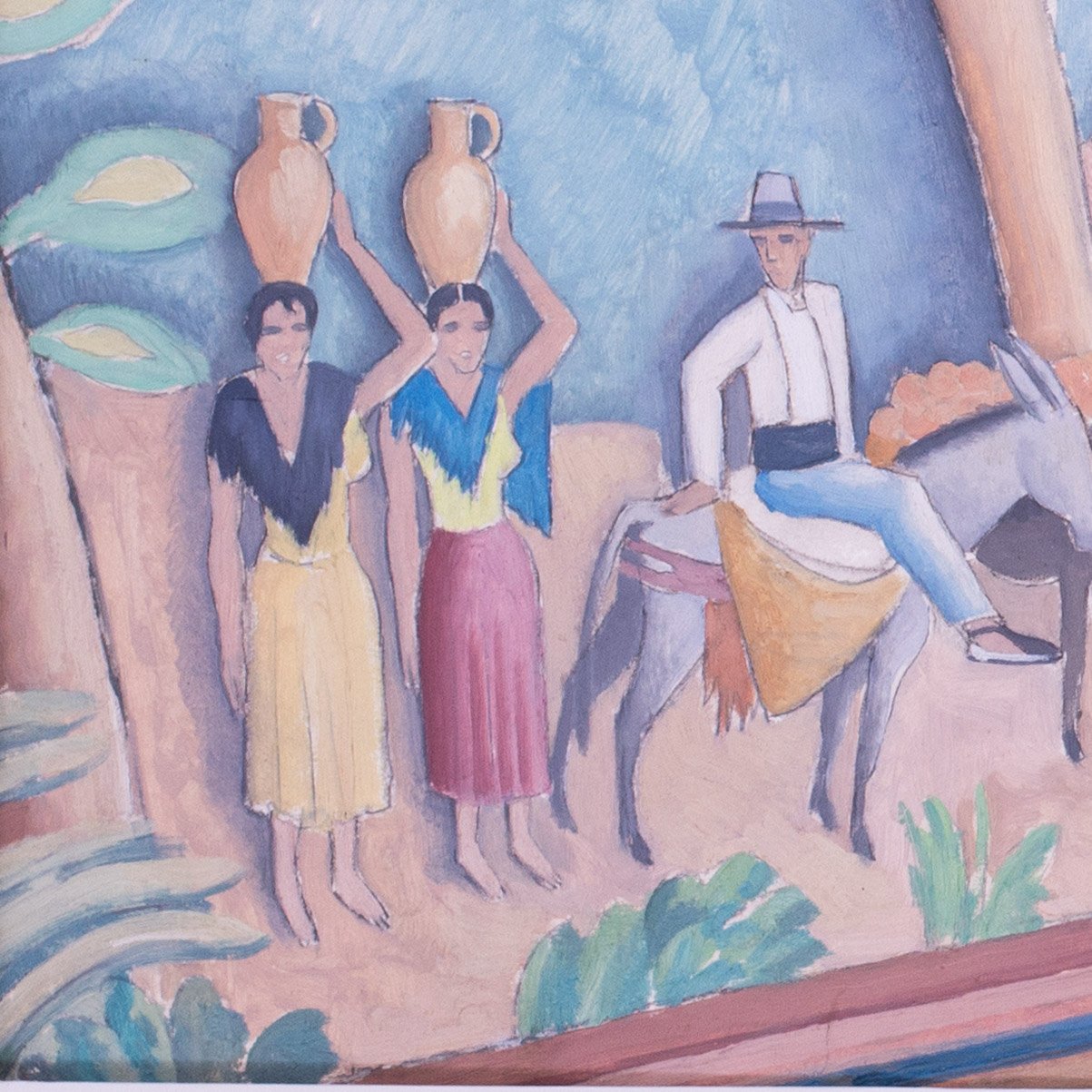 Image 4 of 7
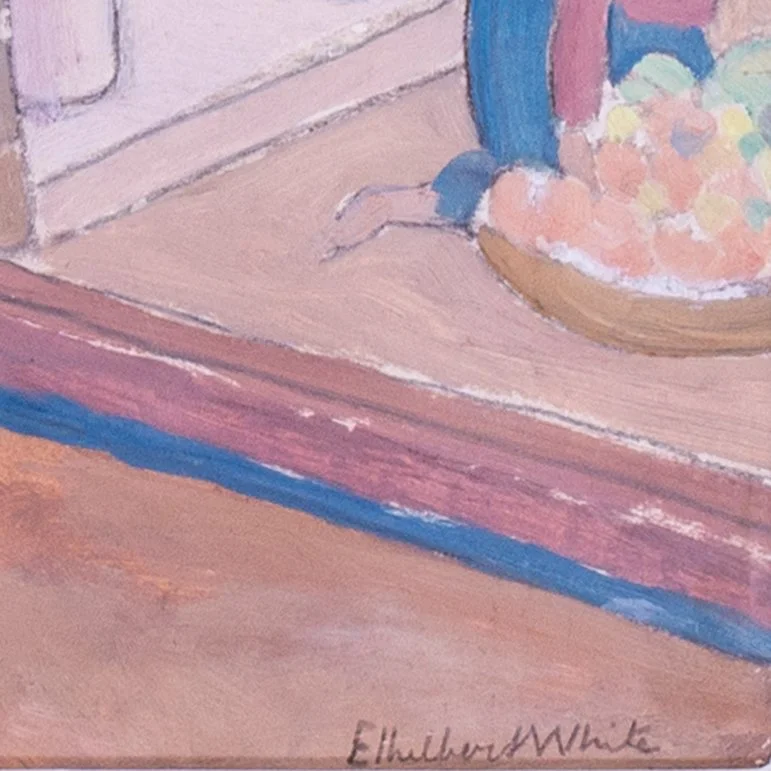 Image 5 of 7
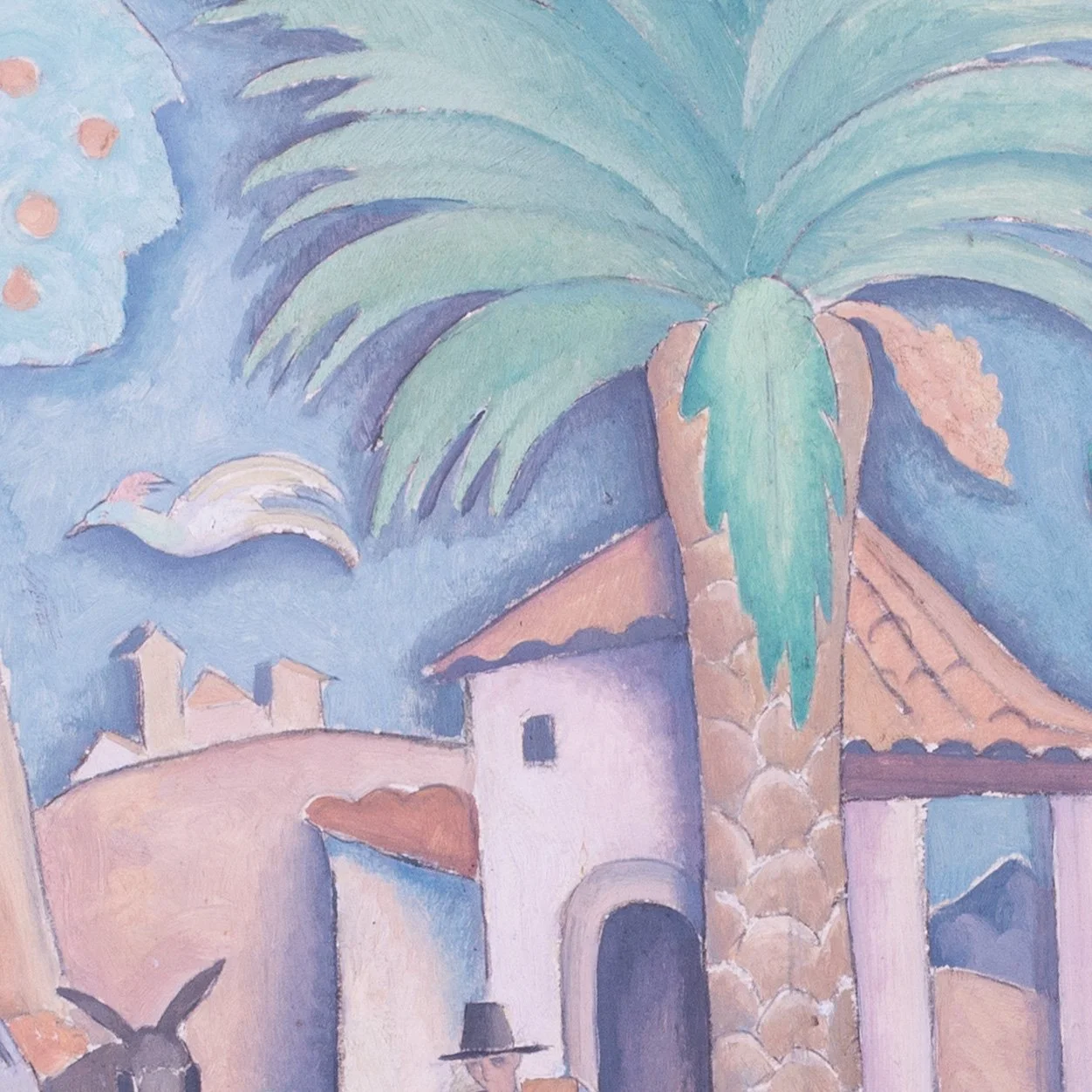 Image 6 of 7
 Image 7 of 7