David Bomberg (British, 1890 – 1957)
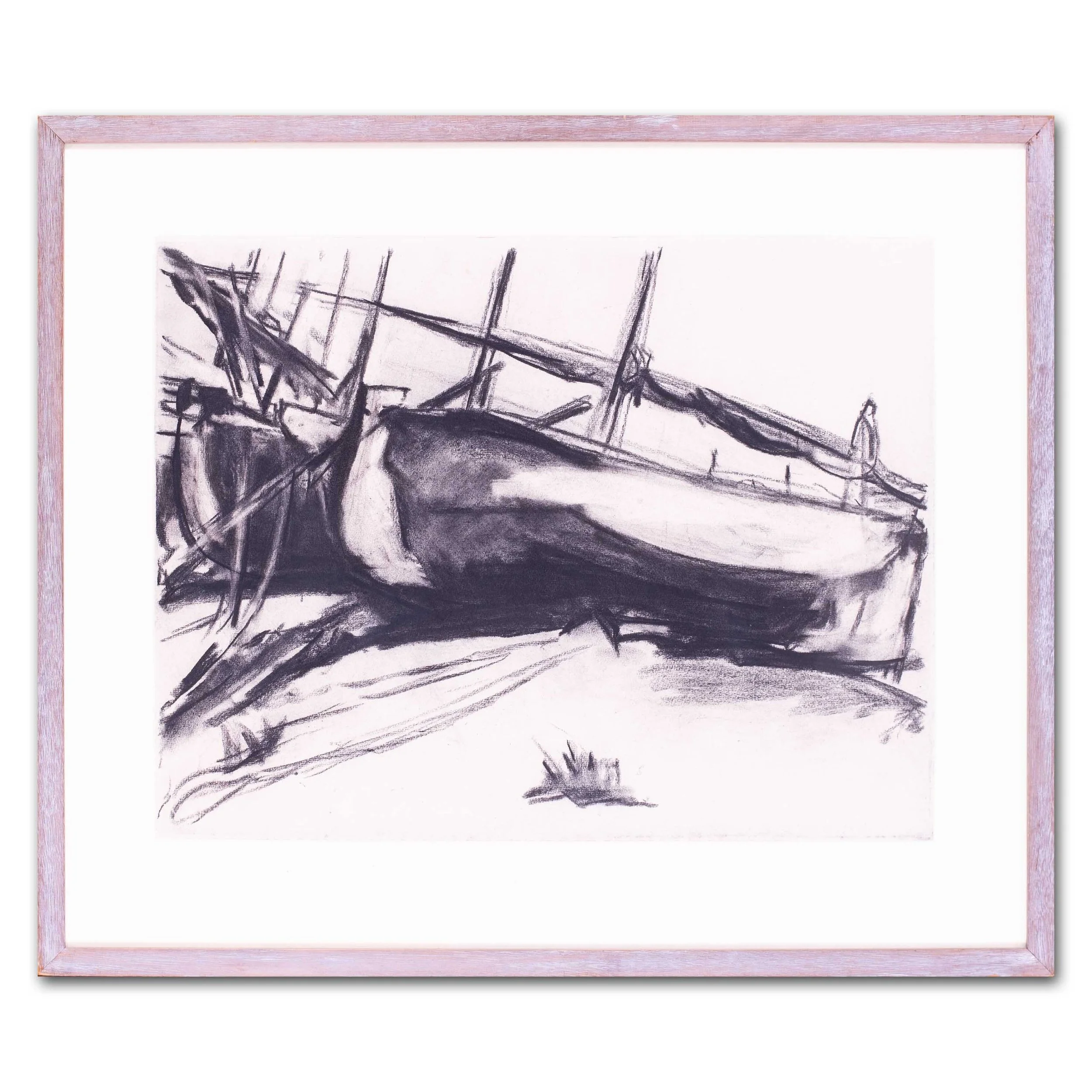
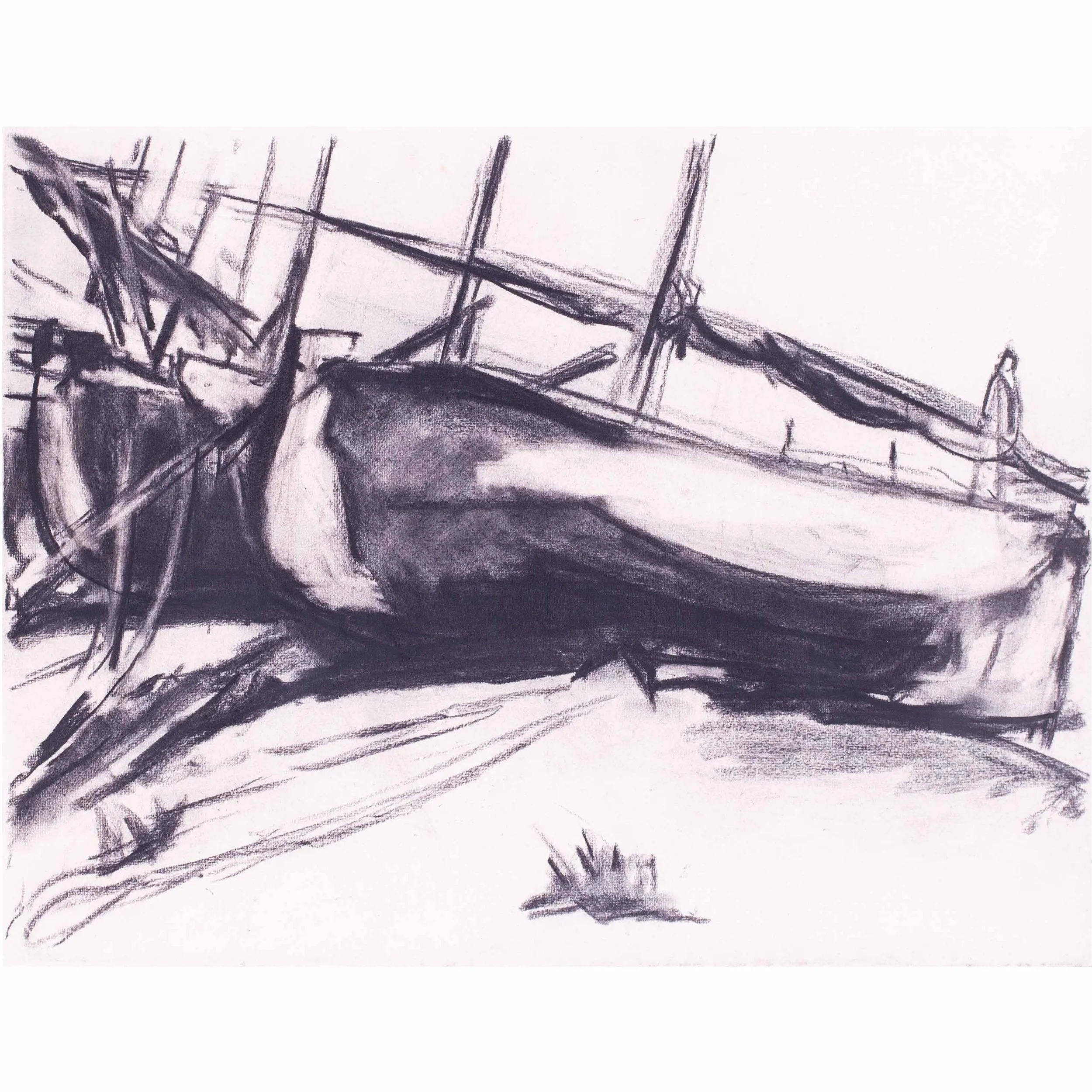
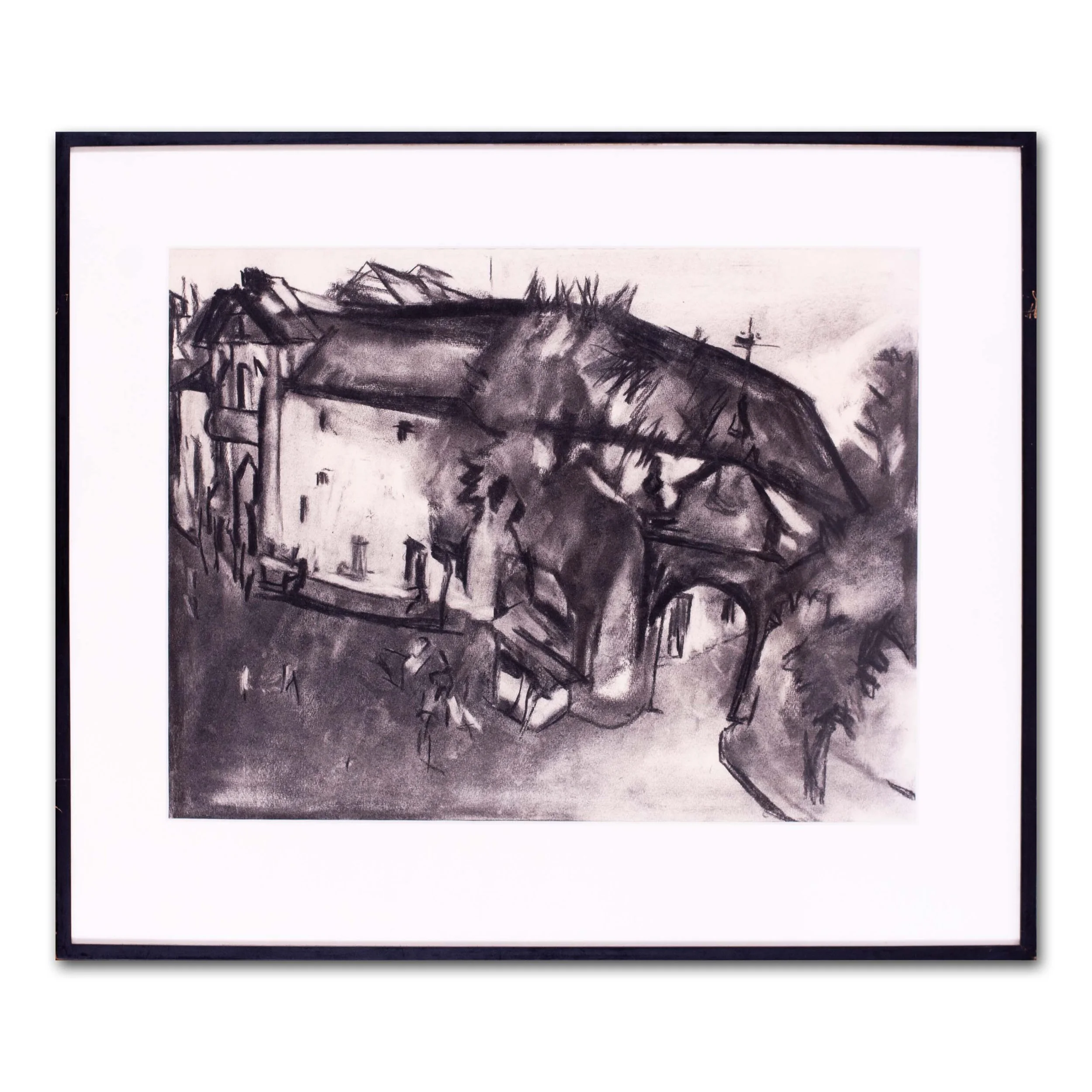
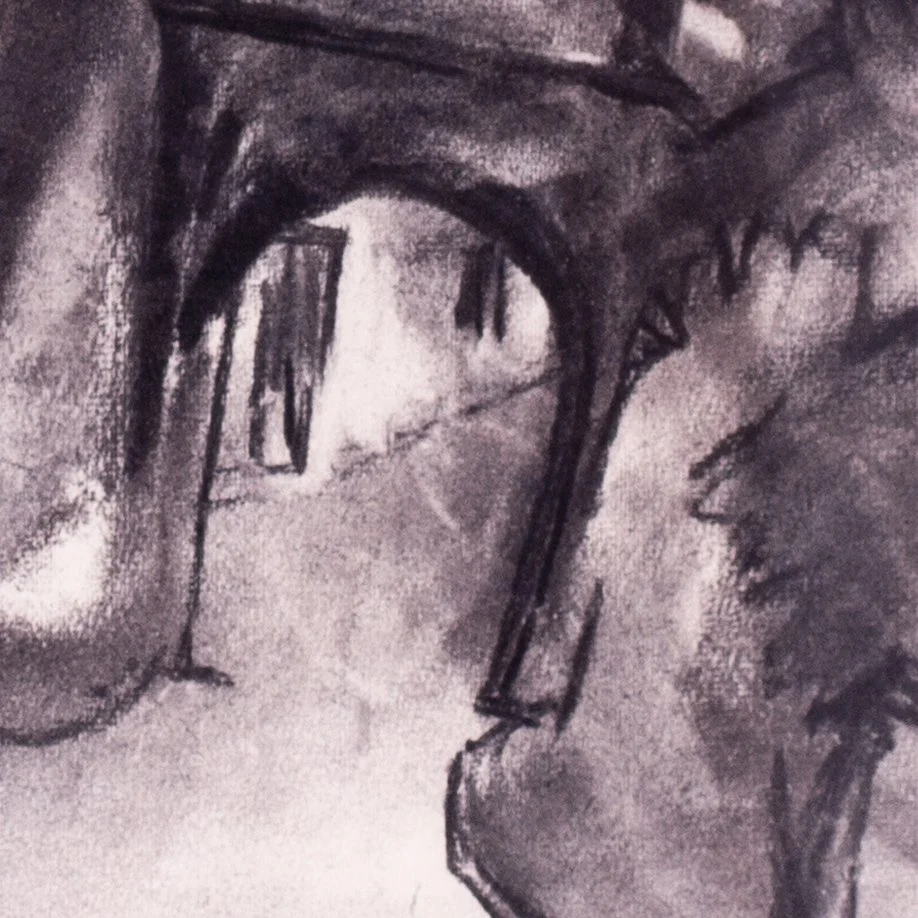
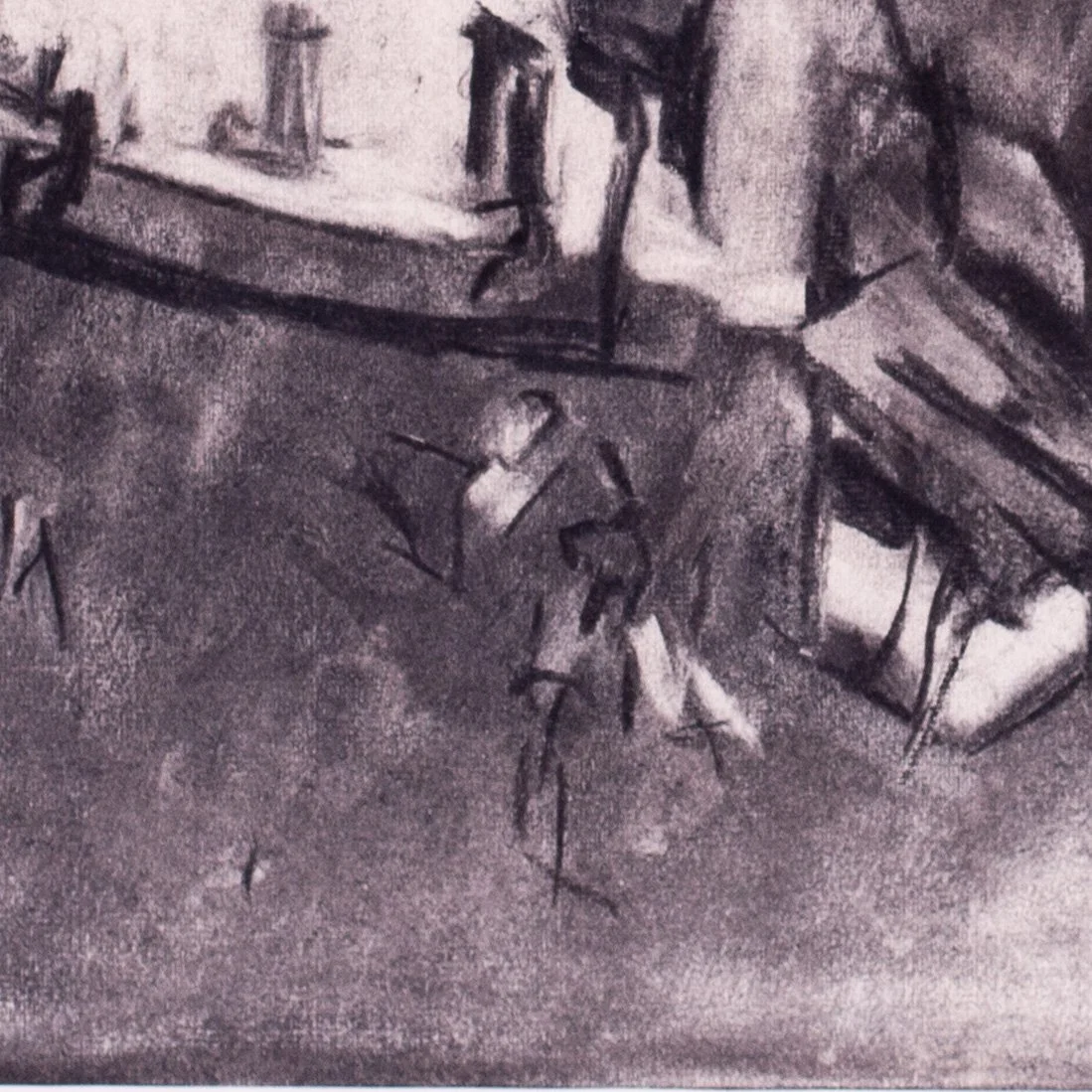
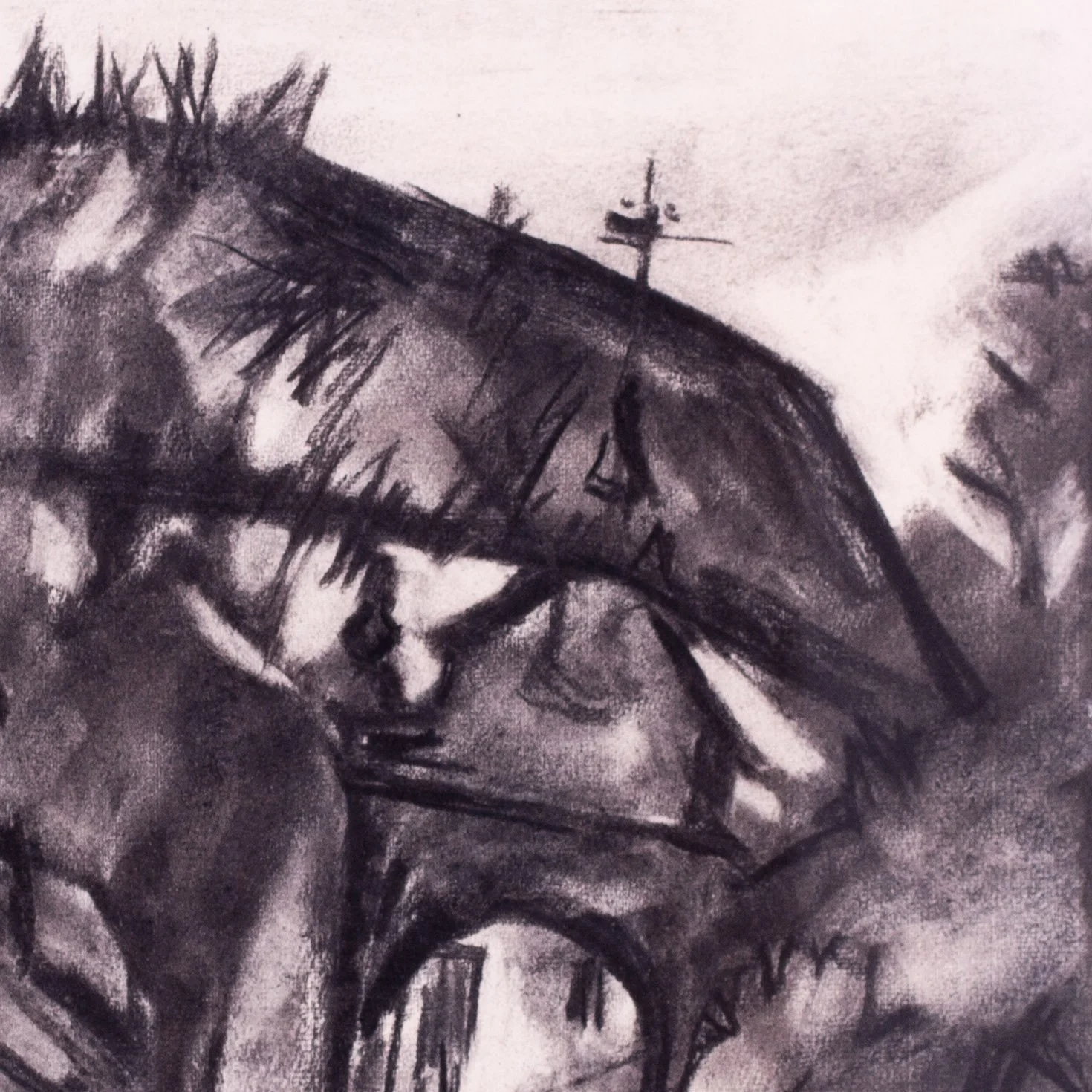
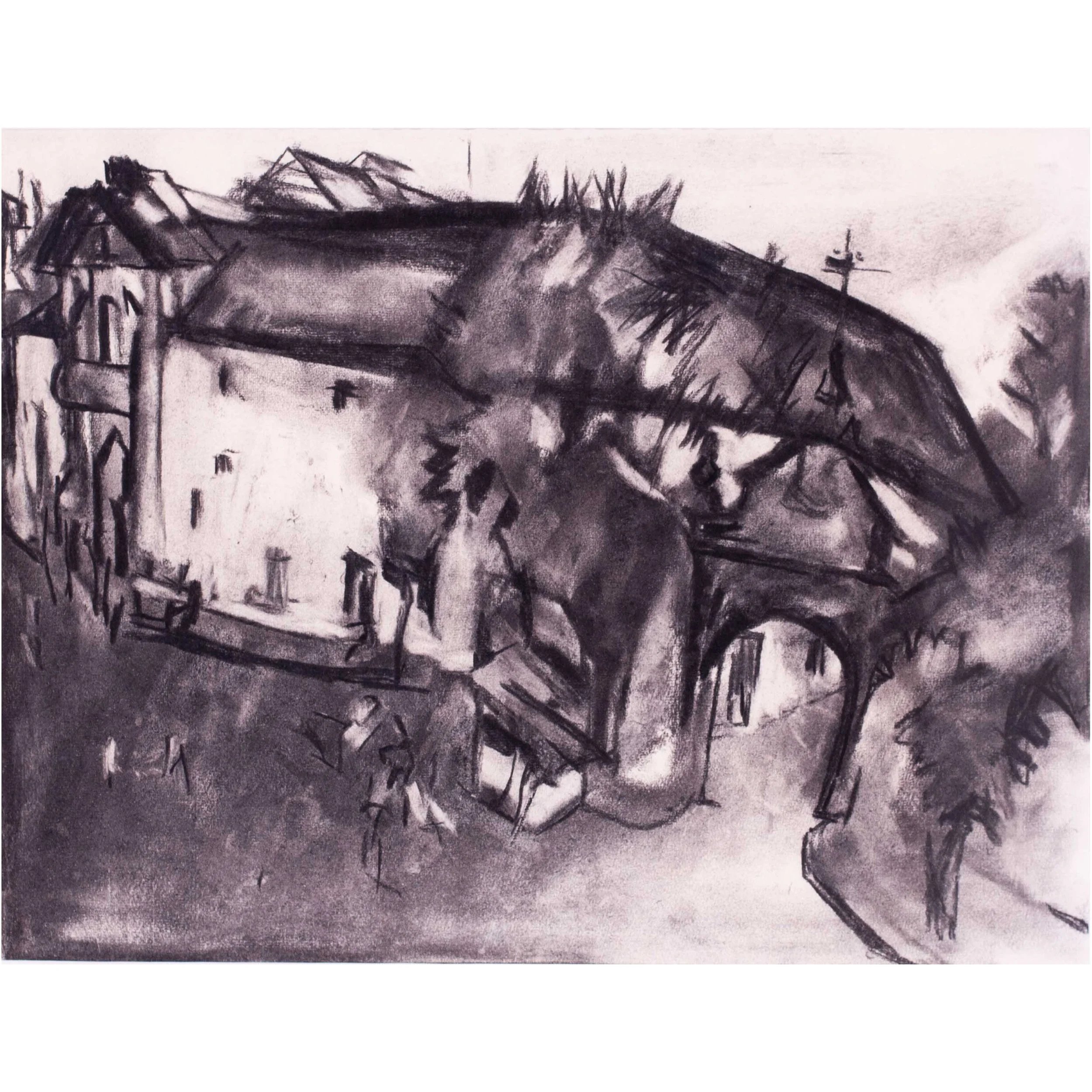
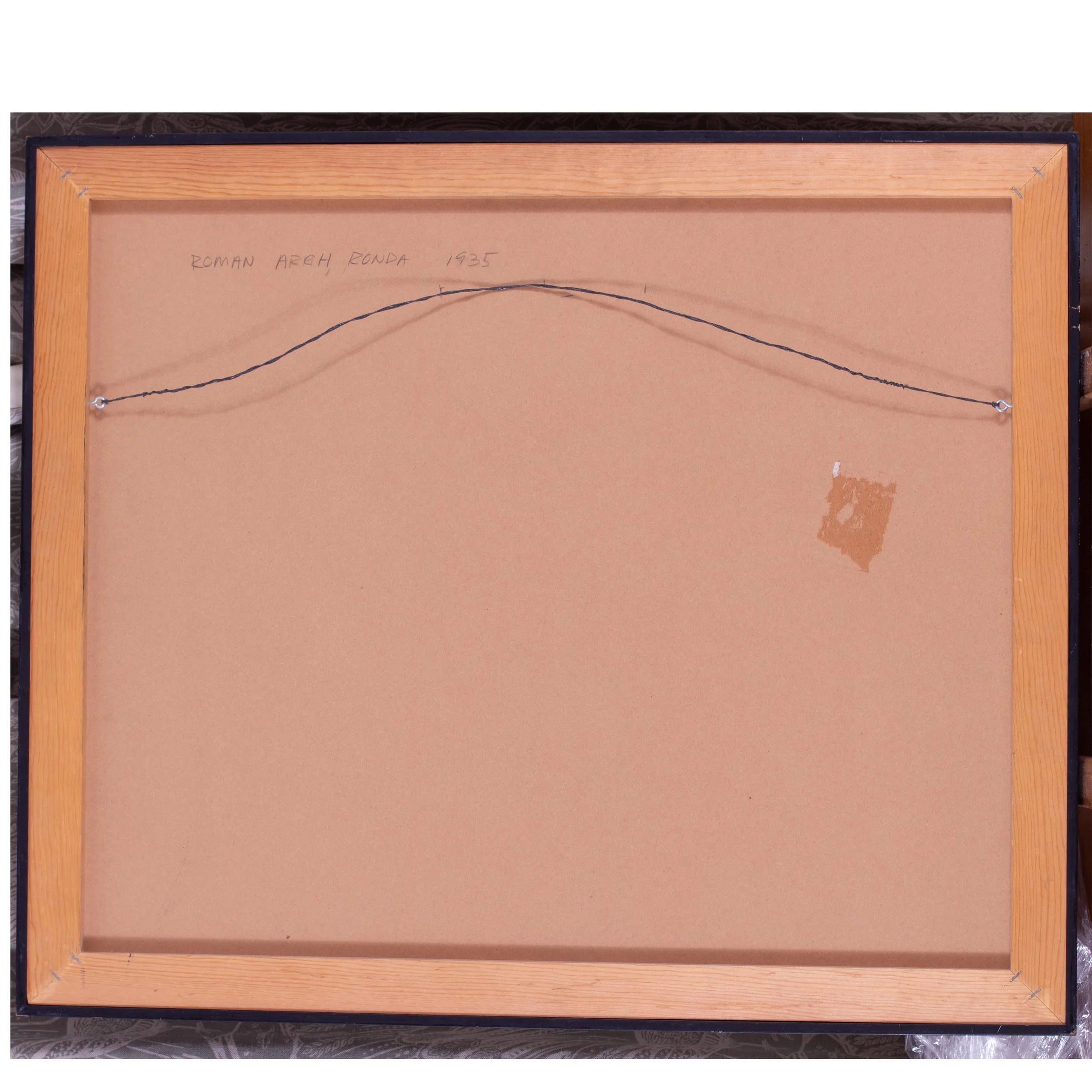
Evening from the Casa de la Virgin de la Cabeza, Ronda, 1956
charcoal on paper
18 x 24 in. (45.7 x 60.2 cm.)
Provenance: The Mayor Gallery, Cork Street, London
Property of the American Financier Jonathan Lever
Read more »
David Bomberg (1890–1957) was one of the most radical British artists of the 20th century, whose career moved from the geometric abstraction of Vorticism towards a highly expressive and individual approach to landscape and the figure. Born in Birmingham to Jewish immigrant parents, he studied at the Slade School of Fine Art alongside artists including Isaac Rosenberg, Mark Gertler and C.R.W. Nevinson. In 1915, he exhibited with the Vorticists, whose revolutionary approach to modern art placed him at the forefront of the British avant-garde.
After the First World War, Bomberg increasingly rejected the hard-edged abstraction of his early work, seeking instead a more direct engagement with the landscape. His travels in Spain became particularly important, inspiring some of his most powerful late paintings and drawings.
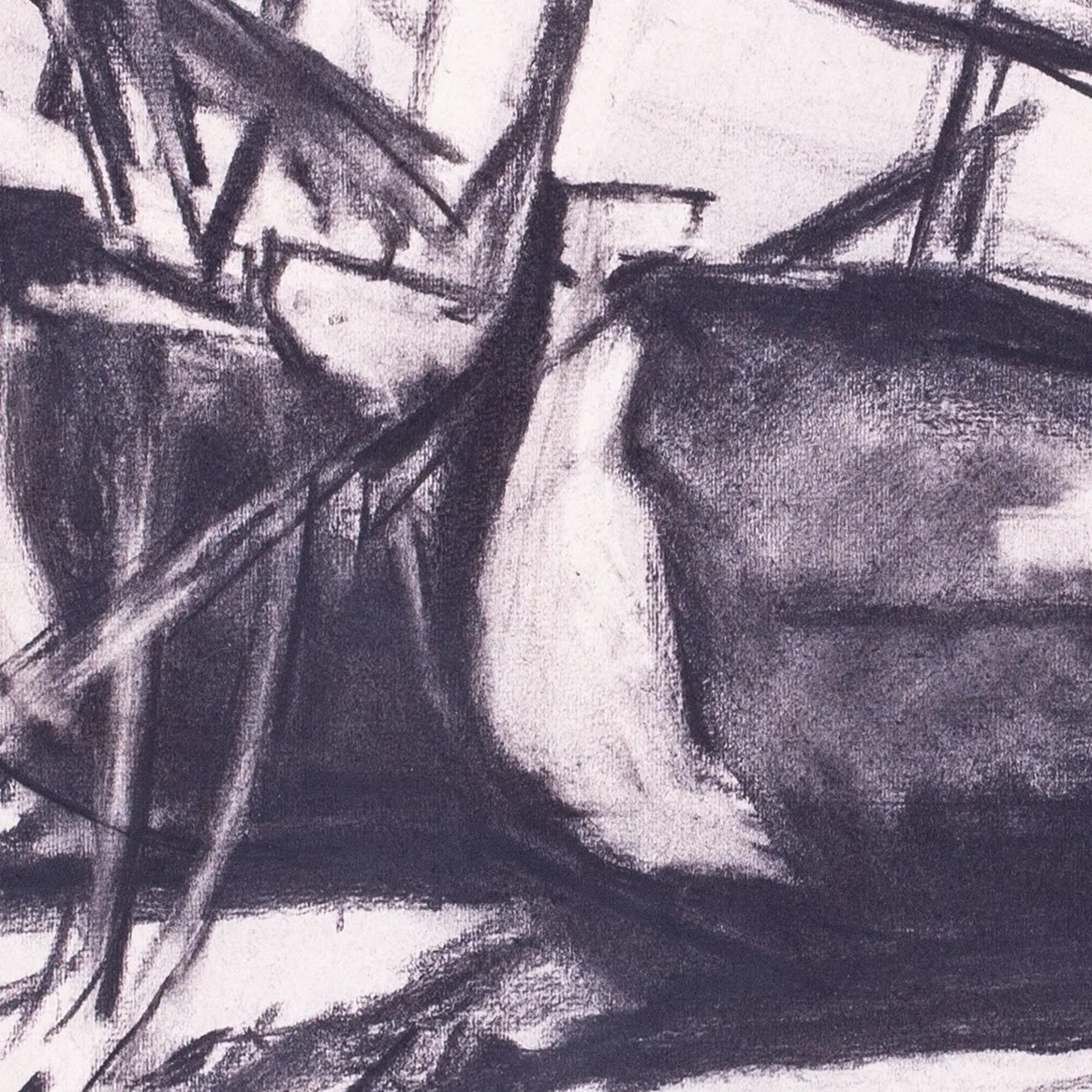
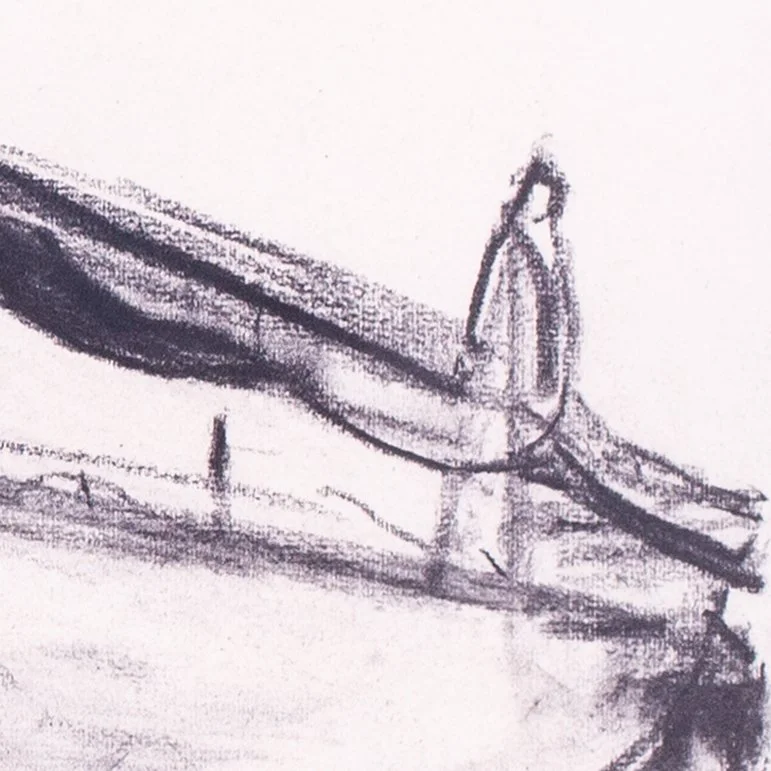
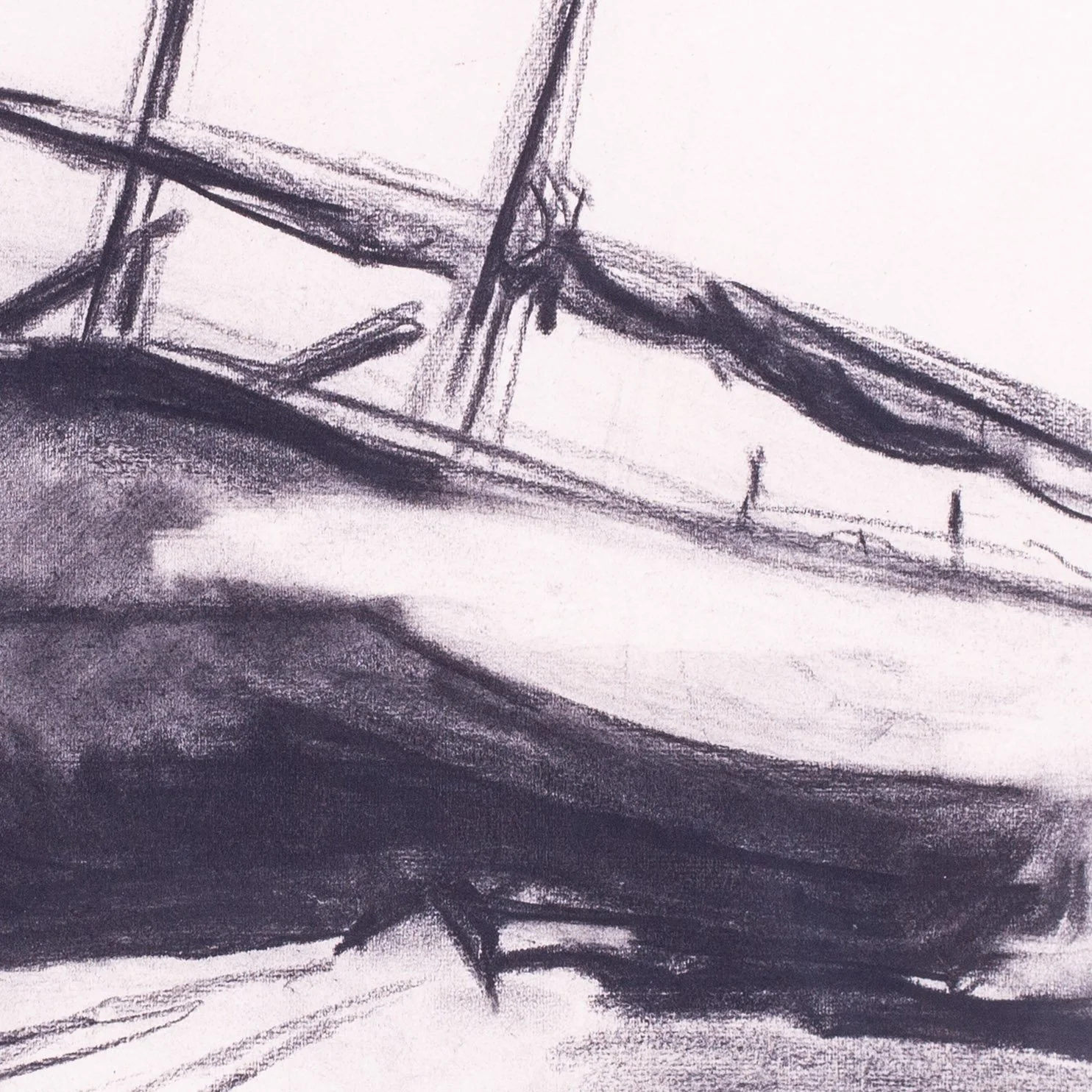
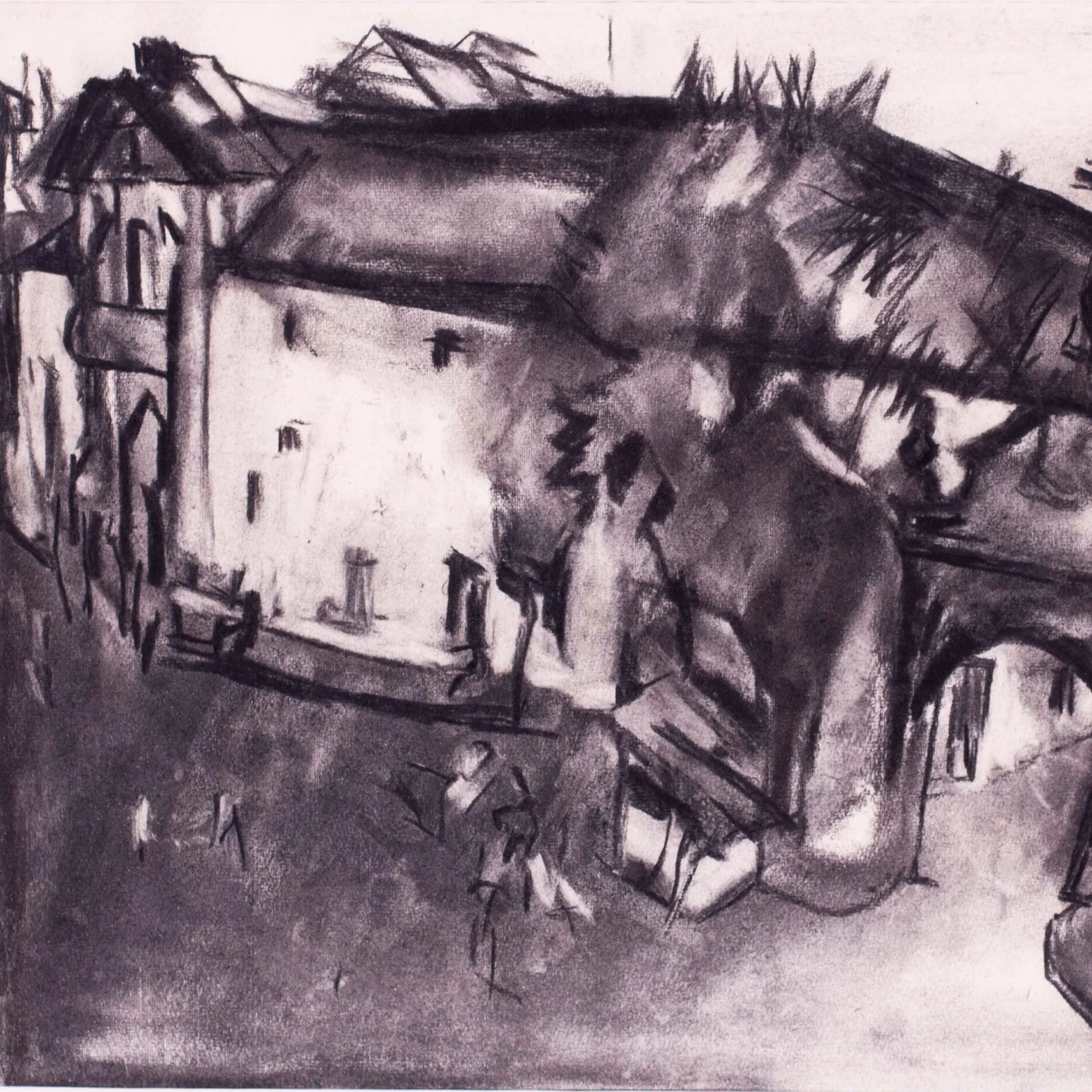
Evening from the Casa de la Virgen de la Cabeza, Ronda (1956) is a striking example of this late work. In charcoal, Bomberg uses vigorous, densely worked marks to capture the dramatic forms and intense atmosphere of the Andalusian landscape, transforming direct observation into something almost elemental.
Although under-recognised during his lifetime, Bomberg later became an important influence on younger British painters, notably Frank Auerbach and Leon Kossoff.
David Bomberg (British, 1890 – 1957)
Evening from the Casa de la Virgin de la Cabeza, Ronda, 1956
charcoal on paper
18 x 24 in. (45.7 x 60.2 cm.)
Provenance: The Mayor Gallery, Cork Street, London
Property of the American Financier Jonathan Lever
Read more »
David Bomberg (1890–1957) was one of the most radical British artists of the 20th century, whose career moved from the geometric abstraction of Vorticism towards a highly expressive and individual approach to landscape and the figure. Born in Birmingham to Jewish immigrant parents, he studied at the Slade School of Fine Art alongside artists including Isaac Rosenberg, Mark Gertler and C.R.W. Nevinson. In 1915, he exhibited with the Vorticists, whose revolutionary approach to modern art placed him at the forefront of the British avant-garde.
After the First World War, Bomberg increasingly rejected the hard-edged abstraction of his early work, seeking instead a more direct engagement with the landscape. His travels in Spain became particularly important, inspiring some of his most powerful late paintings and drawings.
Evening from the Casa de la Virgen de la Cabeza, Ronda (1956) is a striking example of this late work. In charcoal, Bomberg uses vigorous, densely worked marks to capture the dramatic forms and intense atmosphere of the Andalusian landscape, transforming direct observation into something almost elemental.
Although under-recognised during his lifetime, Bomberg later became an important influence on younger British painters, notably Frank Auerbach and Leon Kossoff.

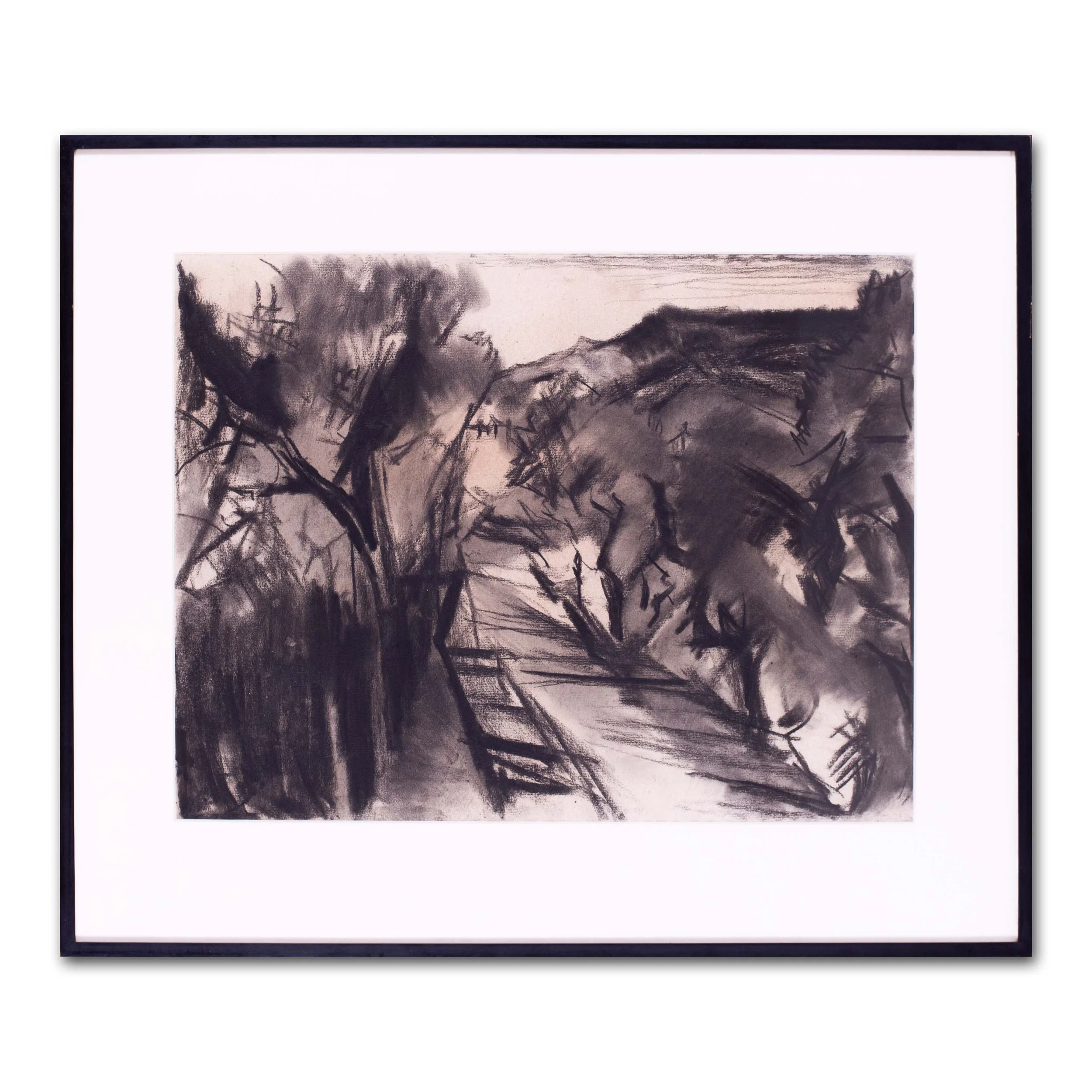 Image 1 of 7
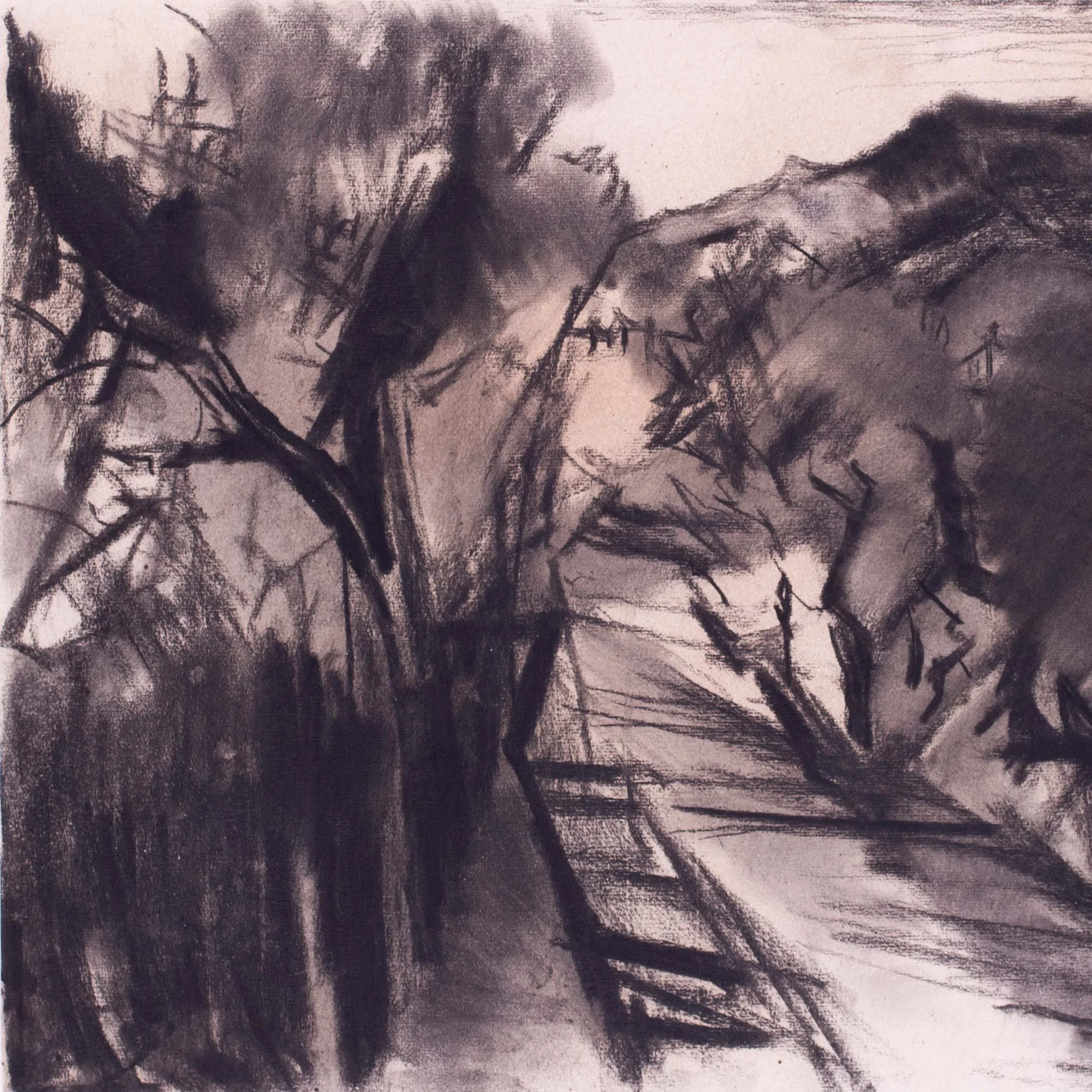 Image 2 of 7
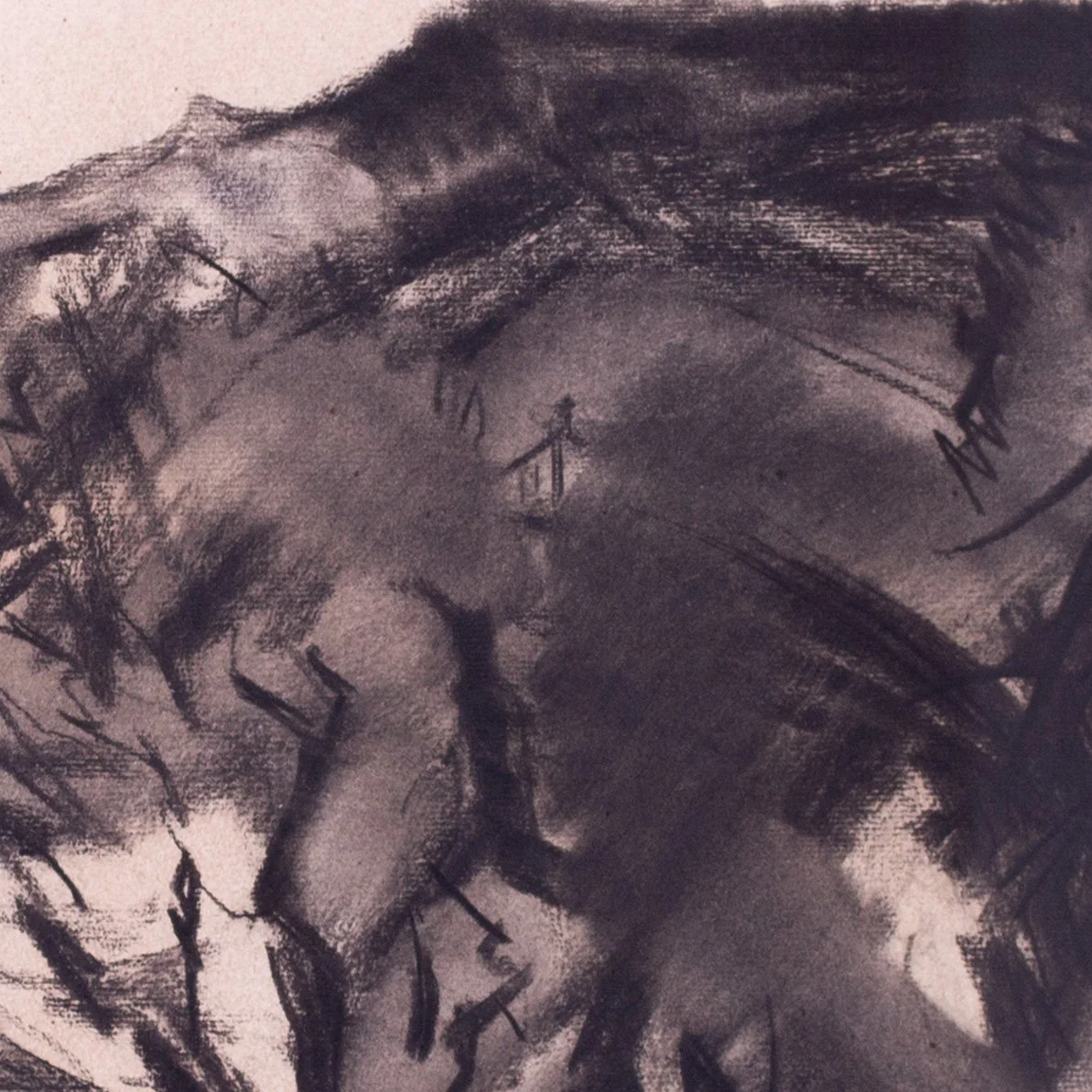 Image 3 of 7
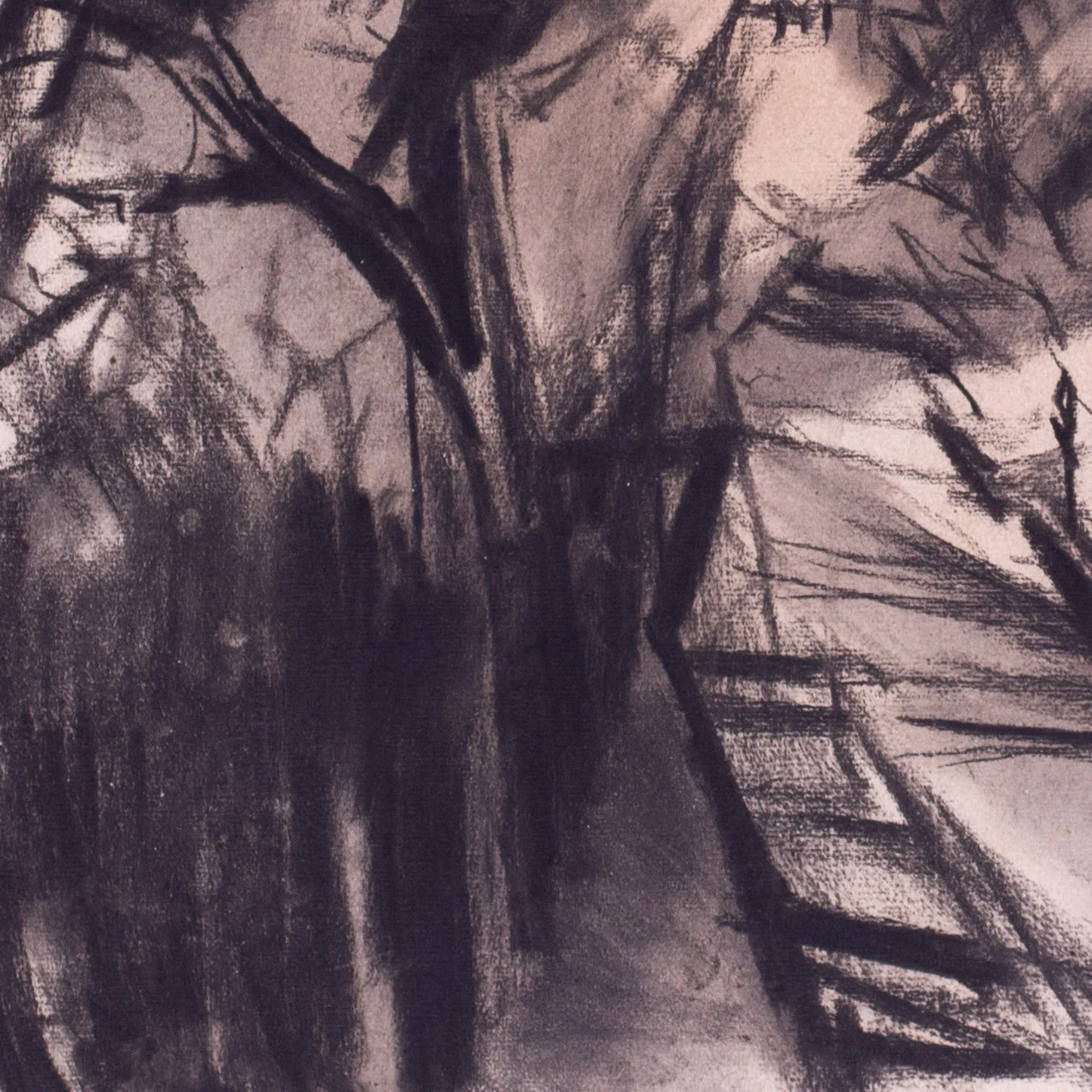 Image 4 of 7
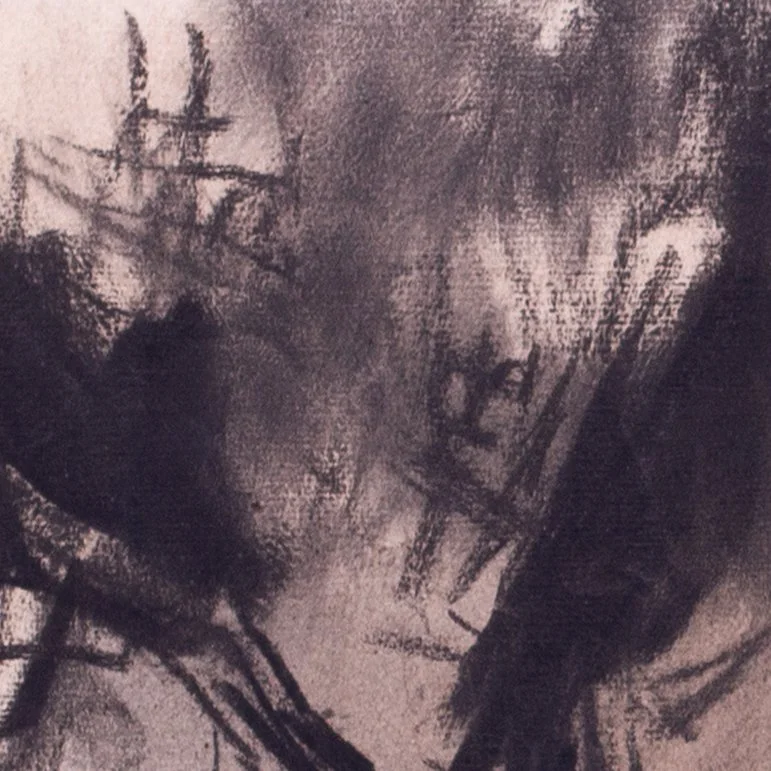 Image 5 of 7
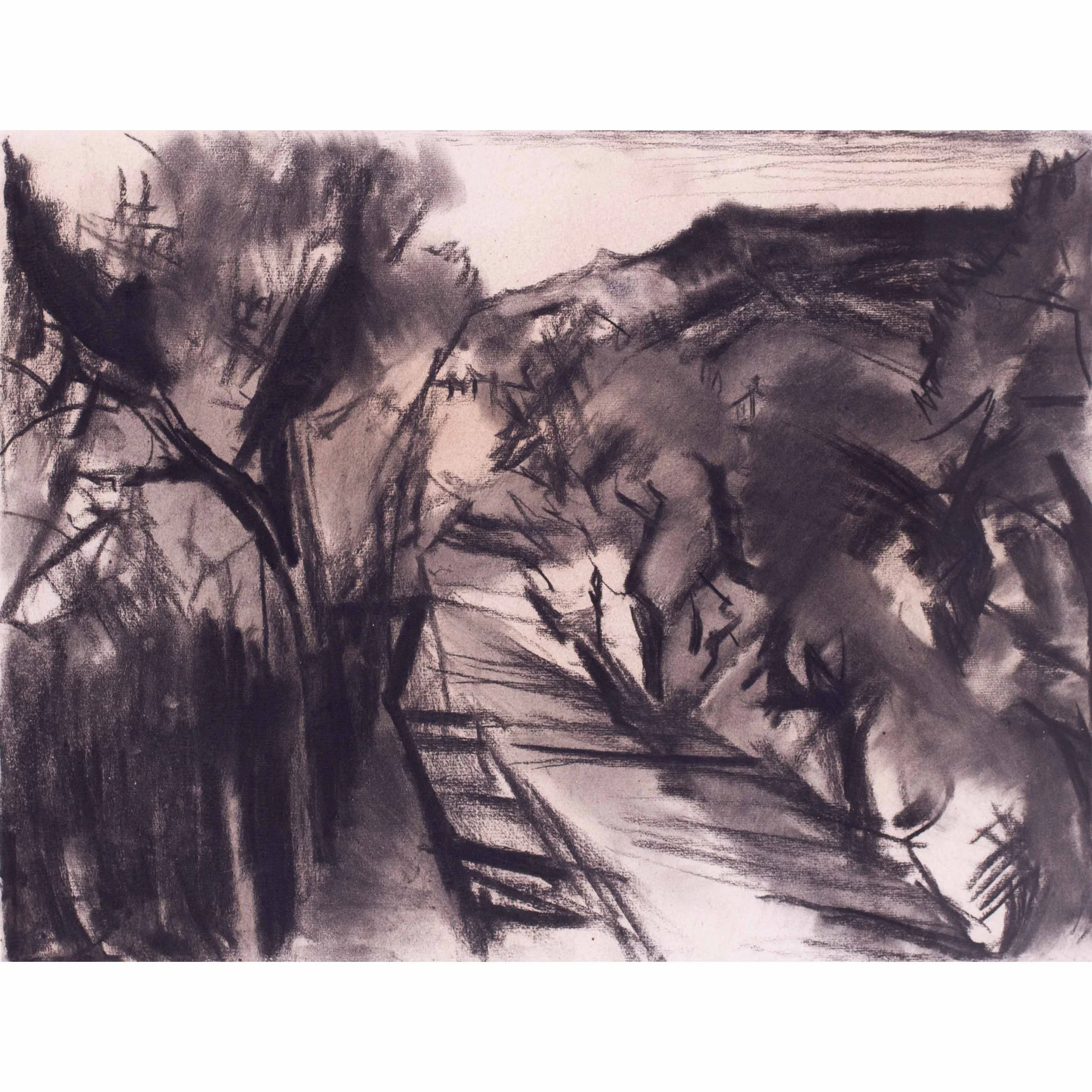 Image 6 of 7
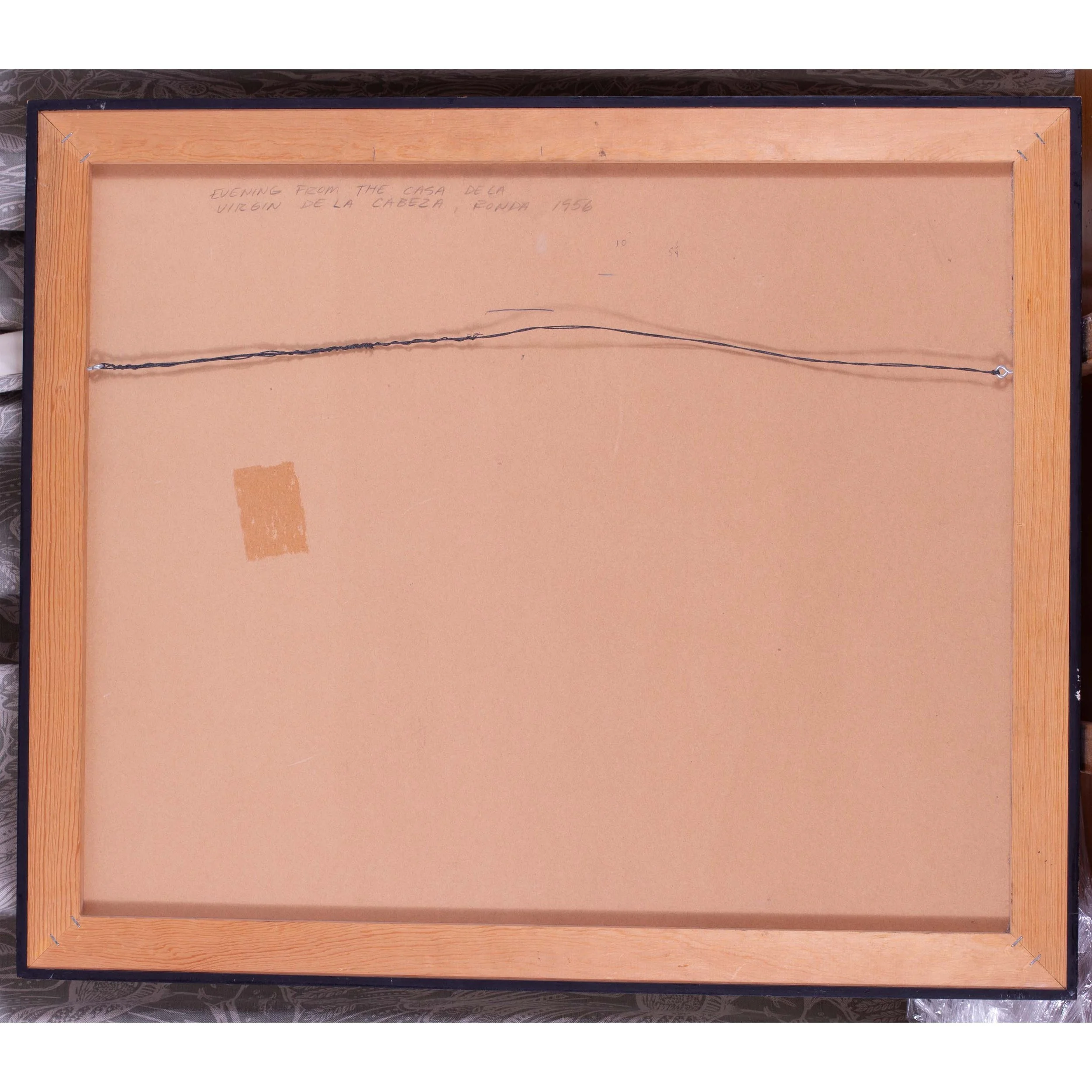 Image 7 of 7