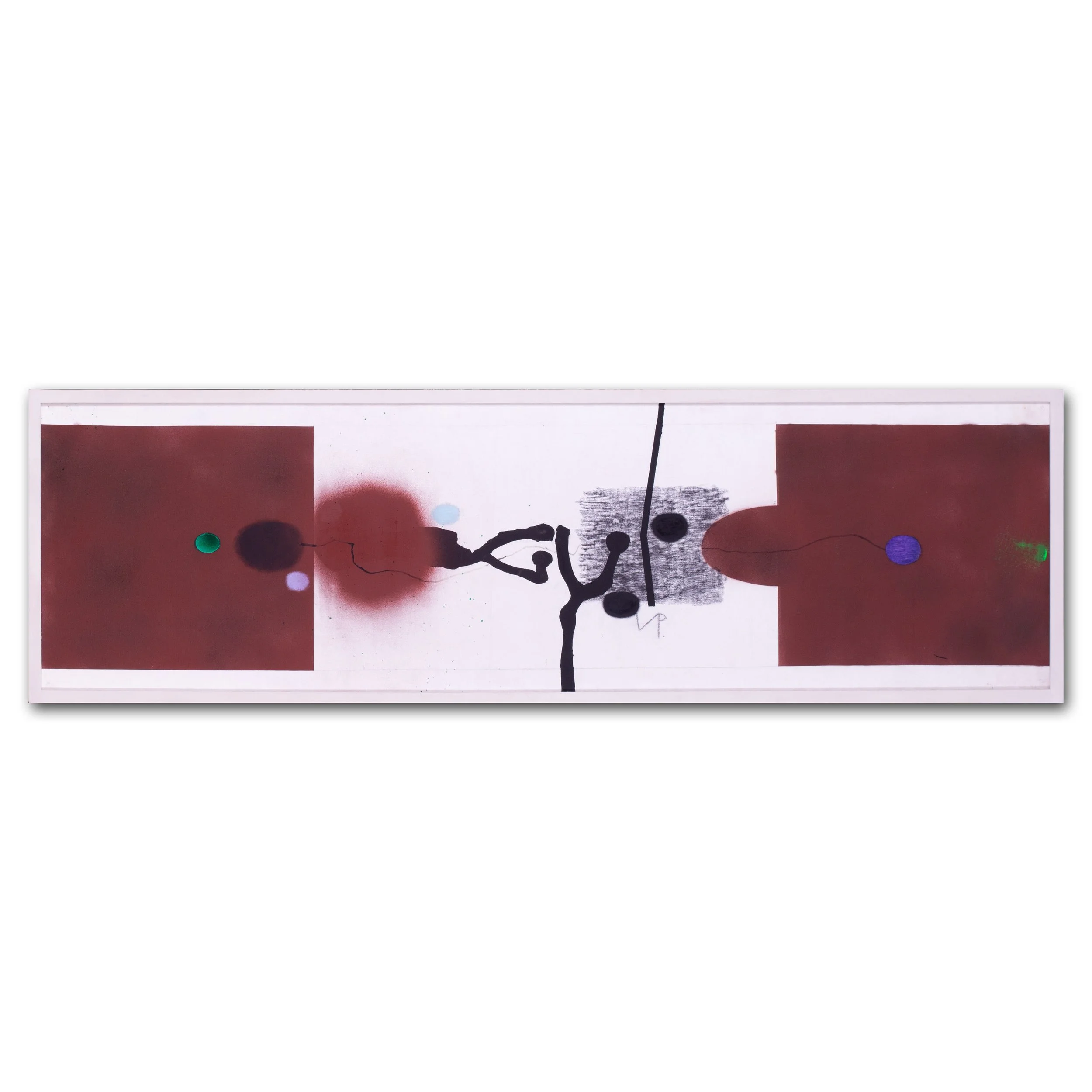
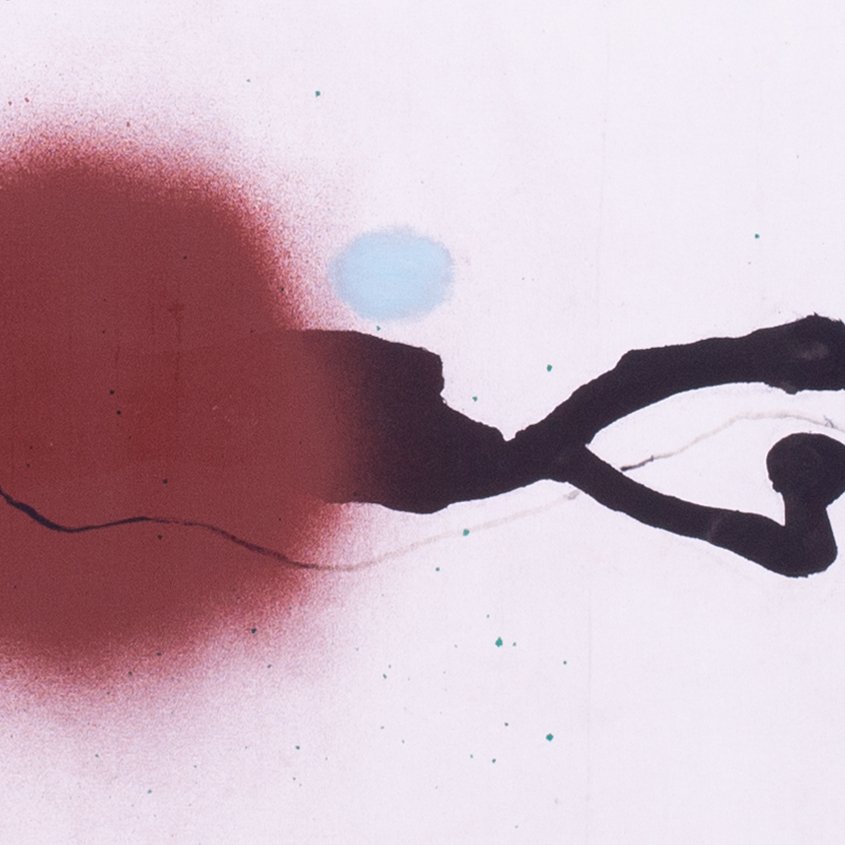
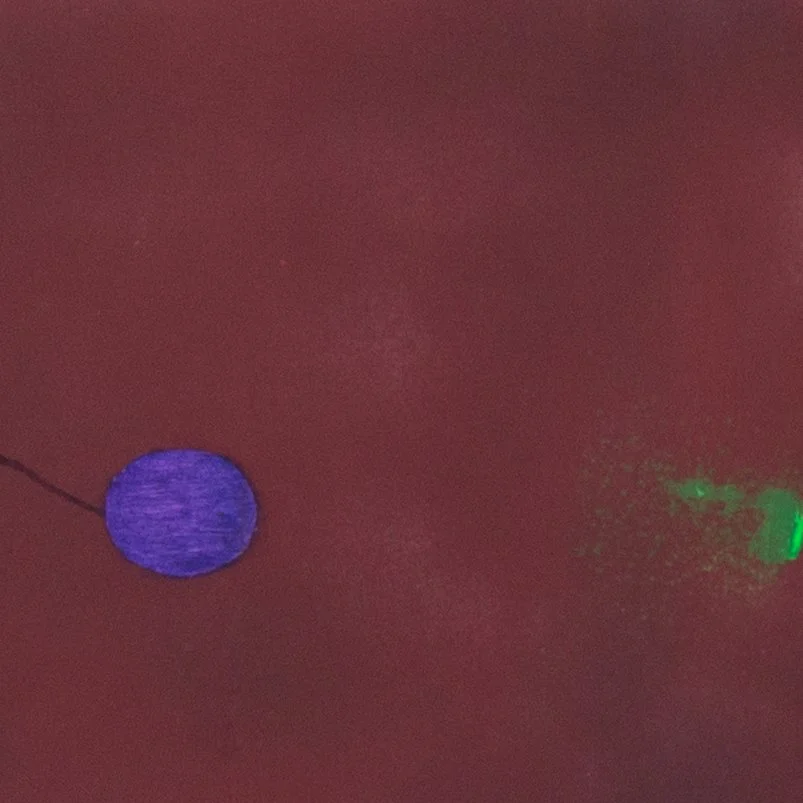
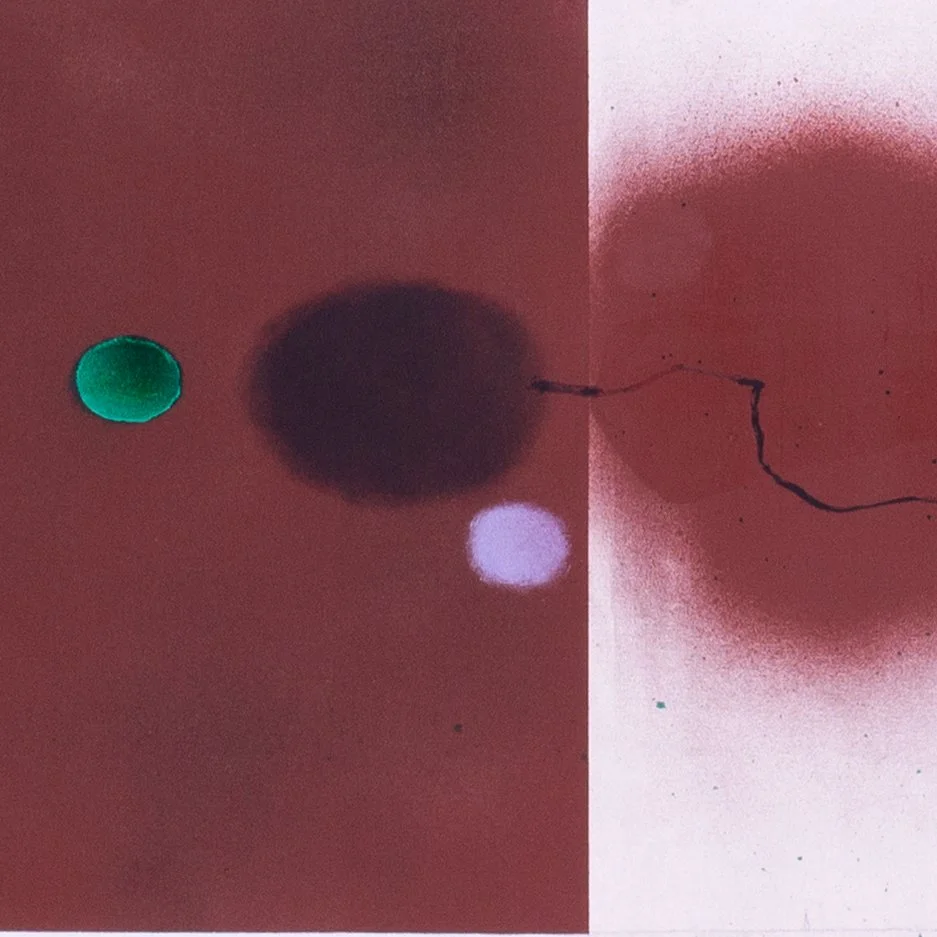
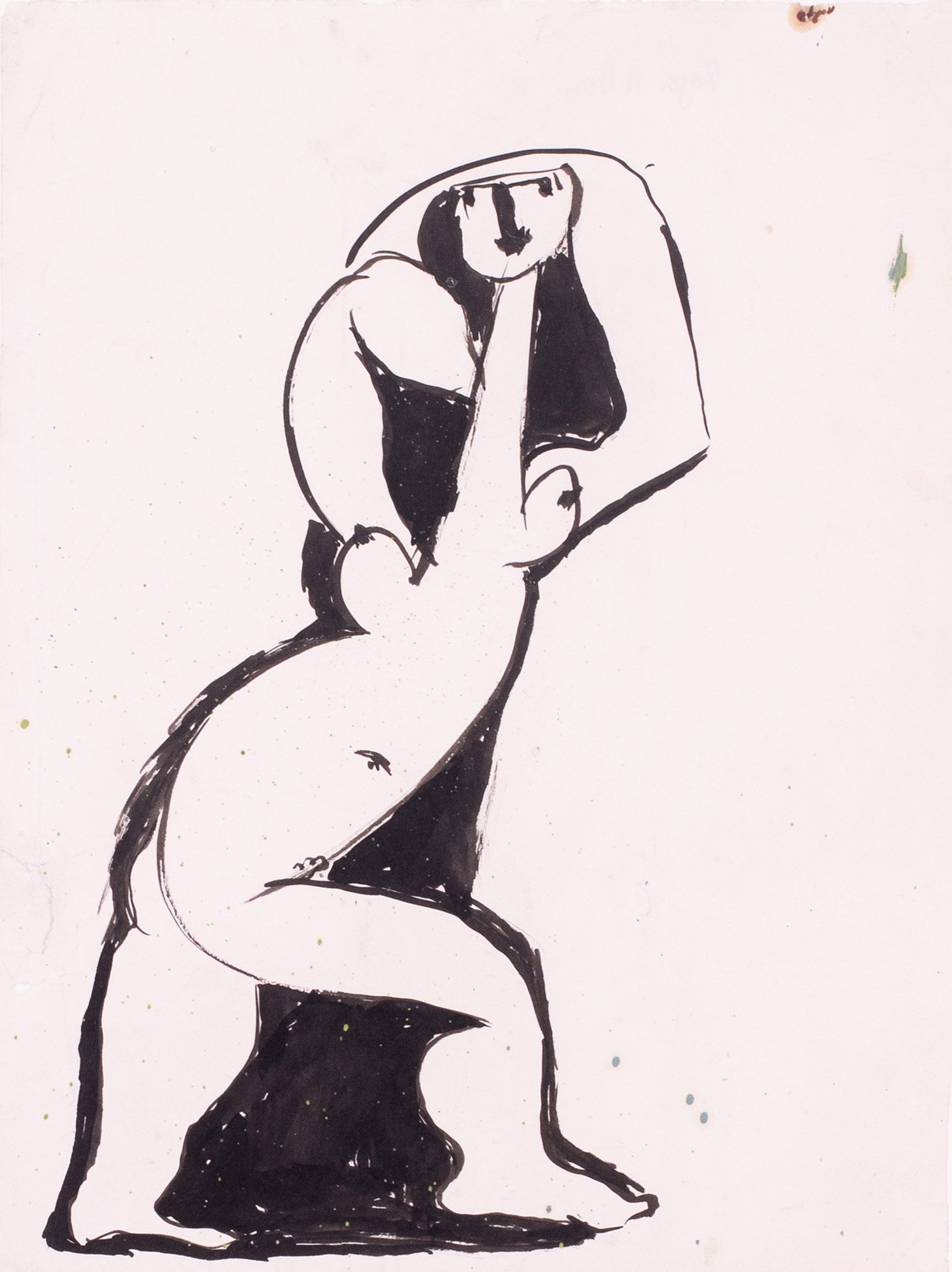
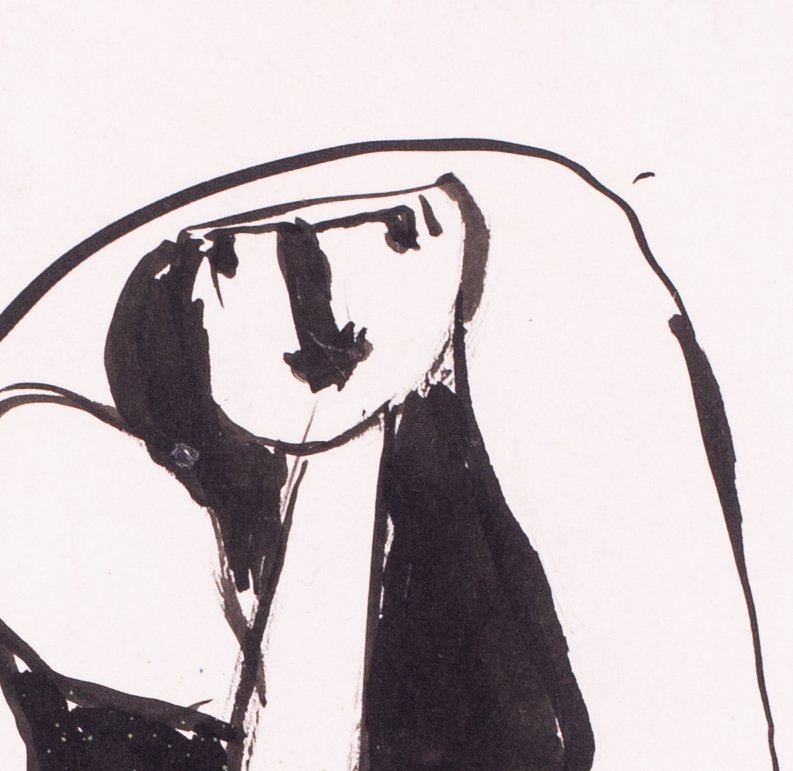
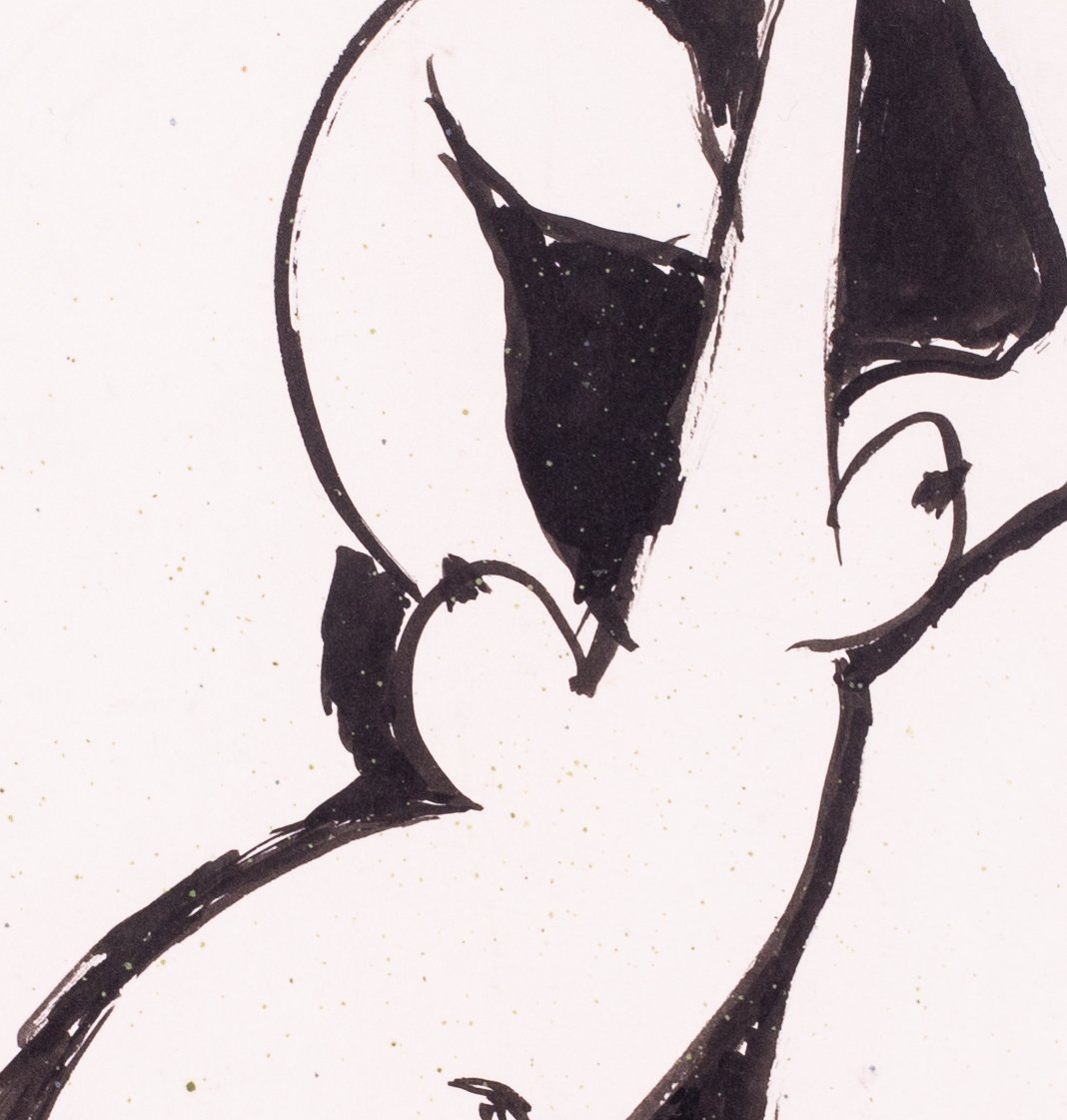
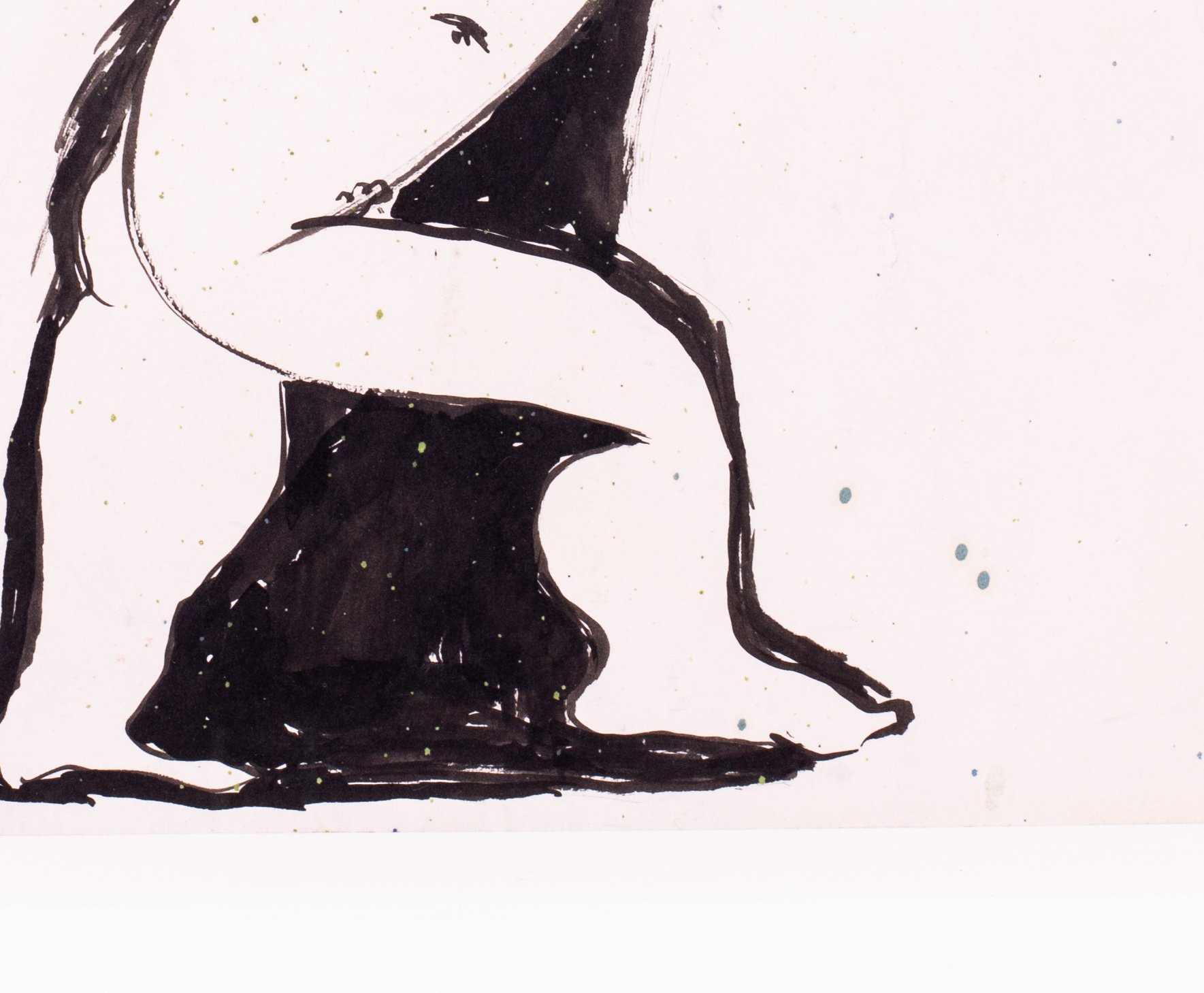
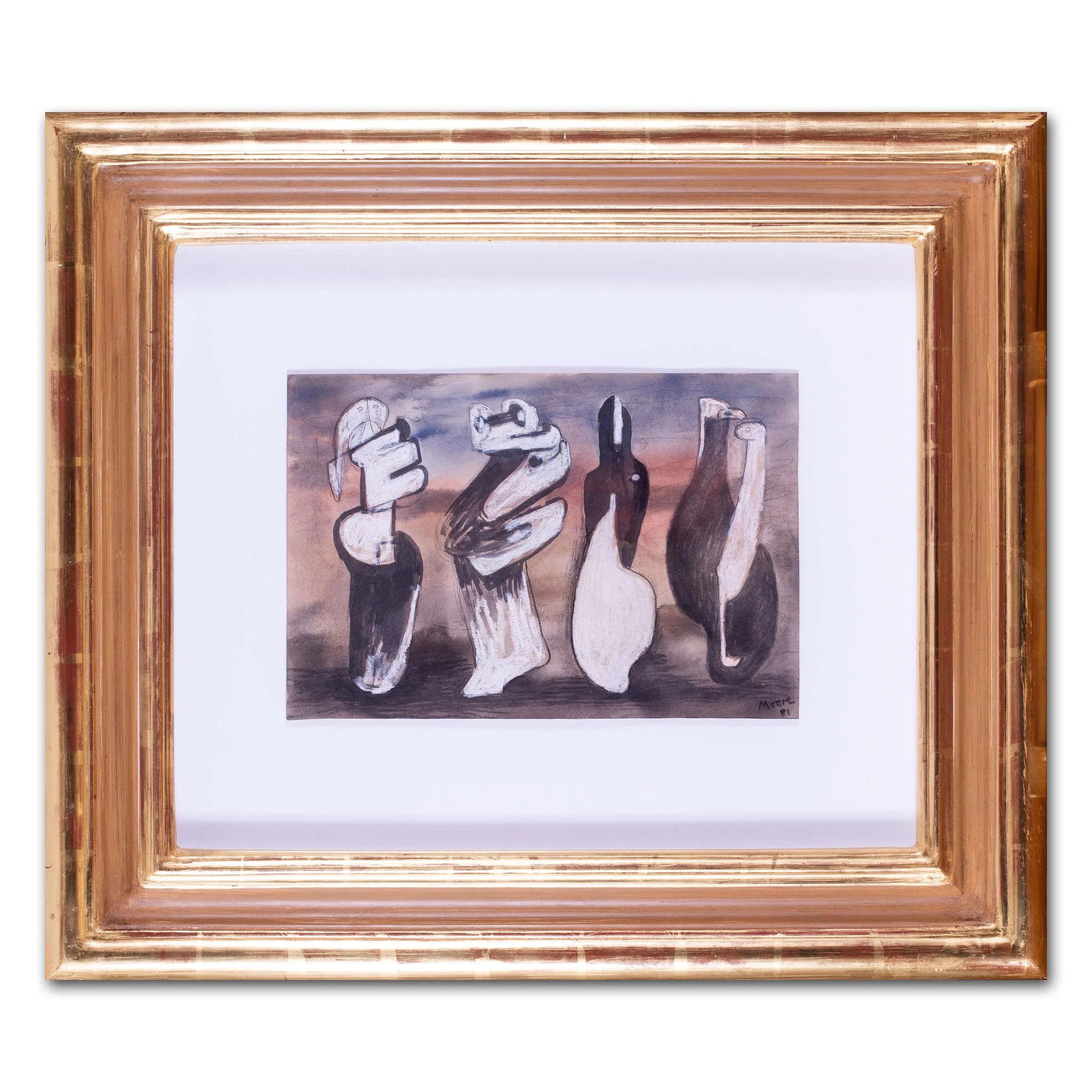
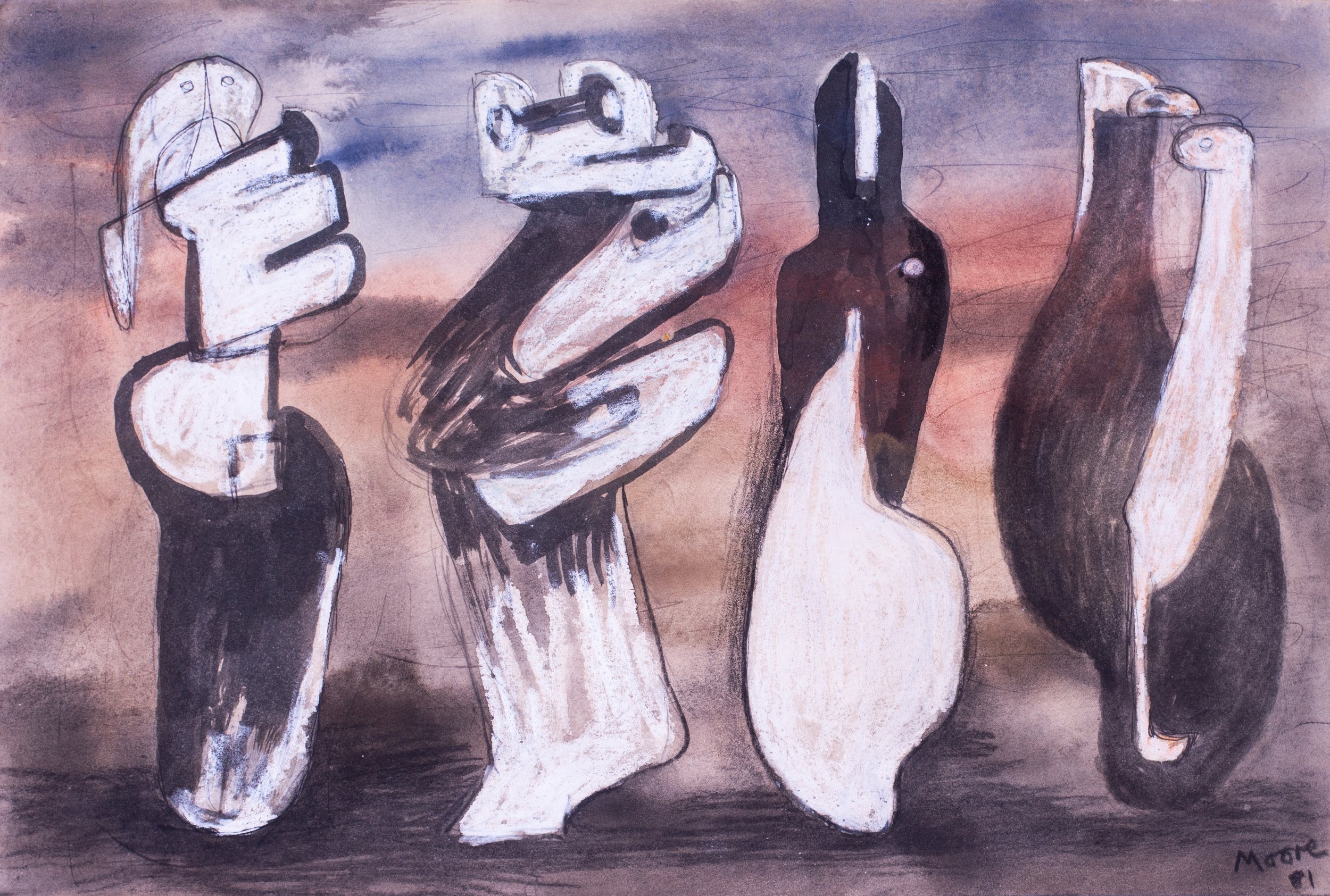
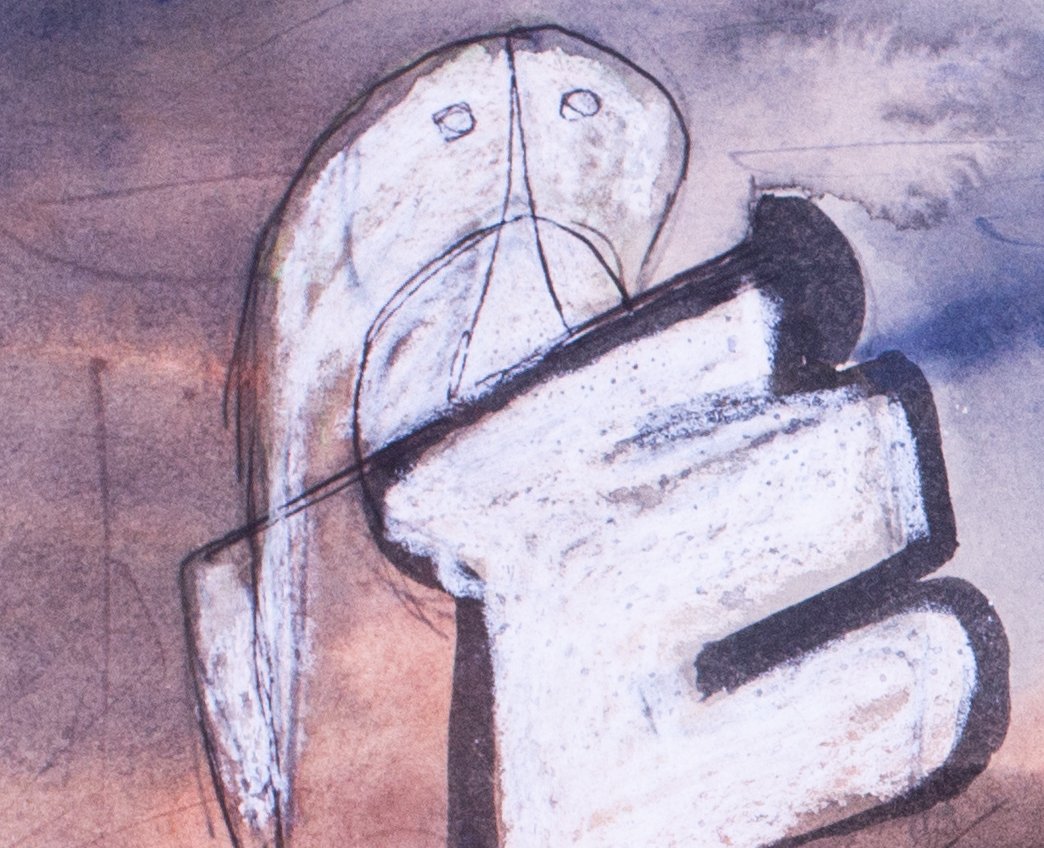
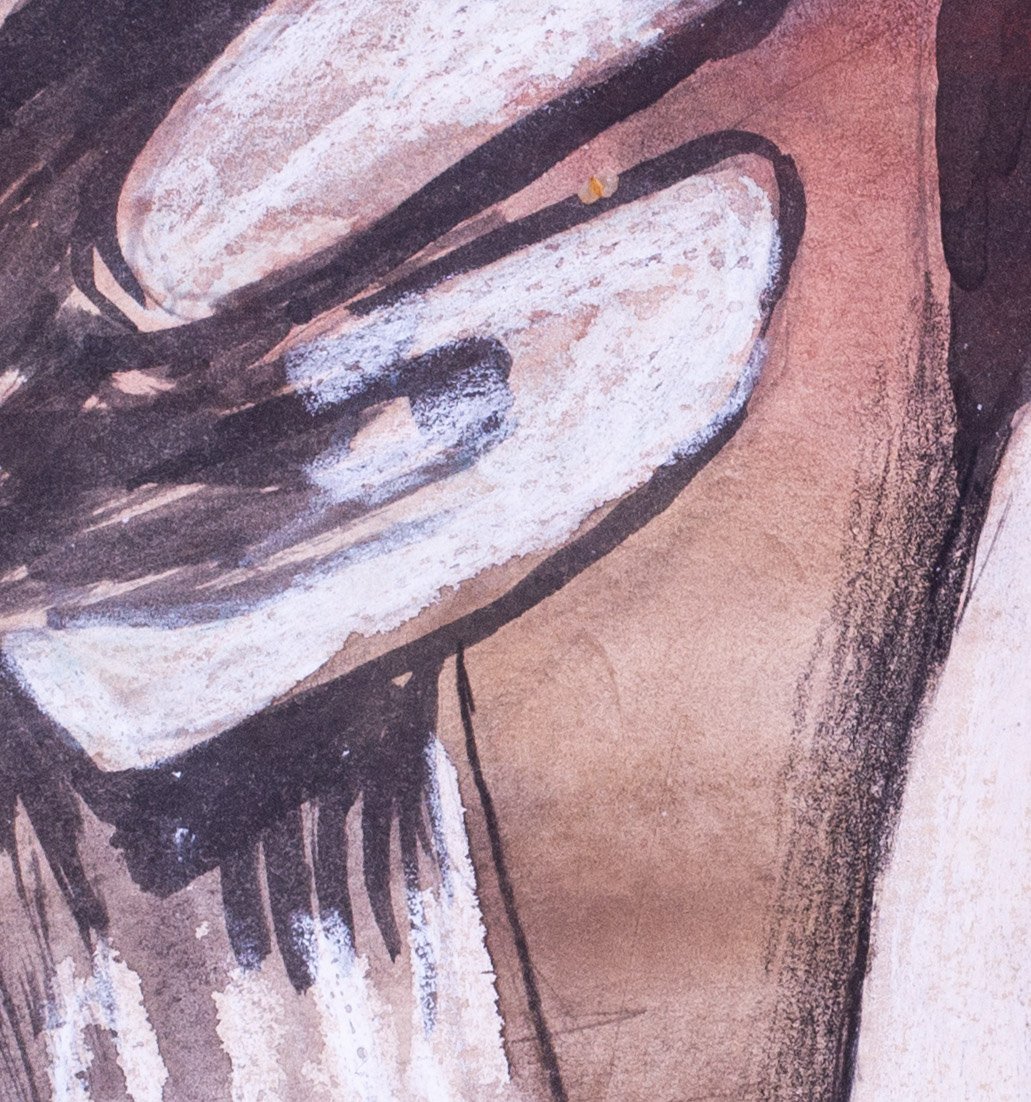
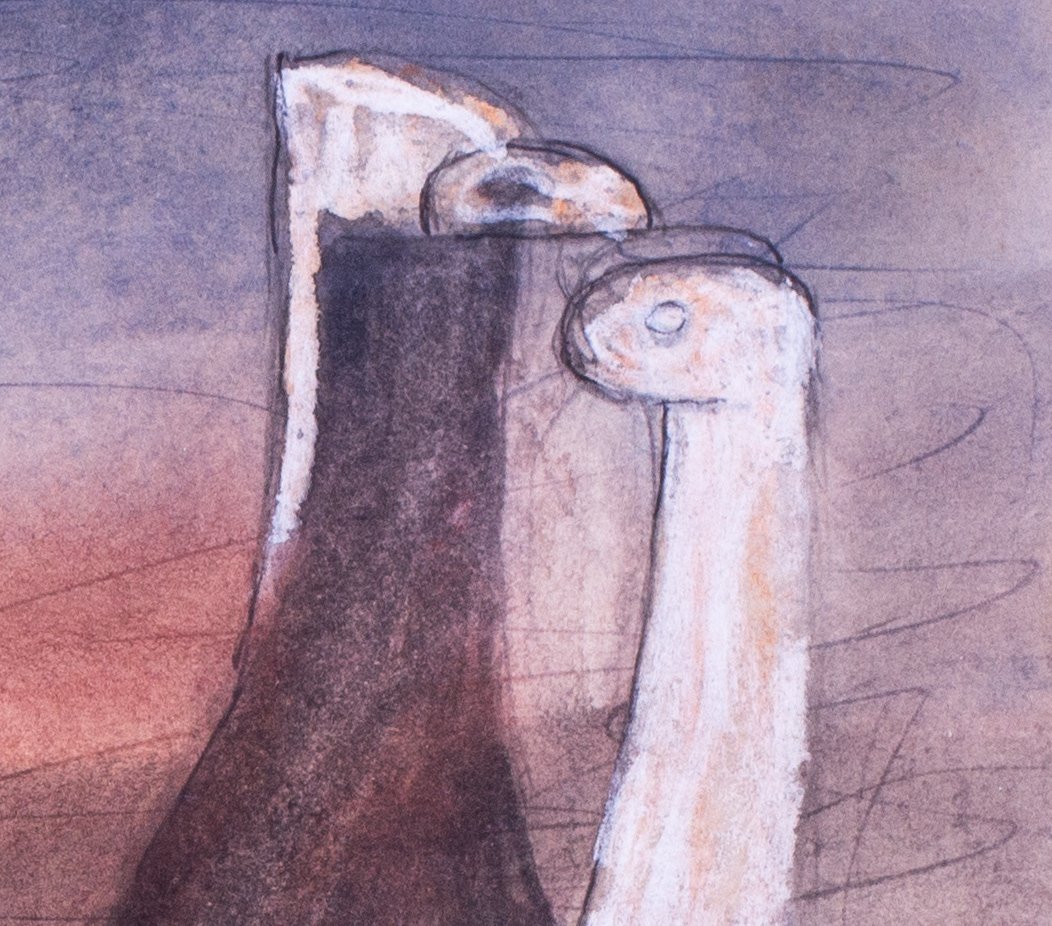
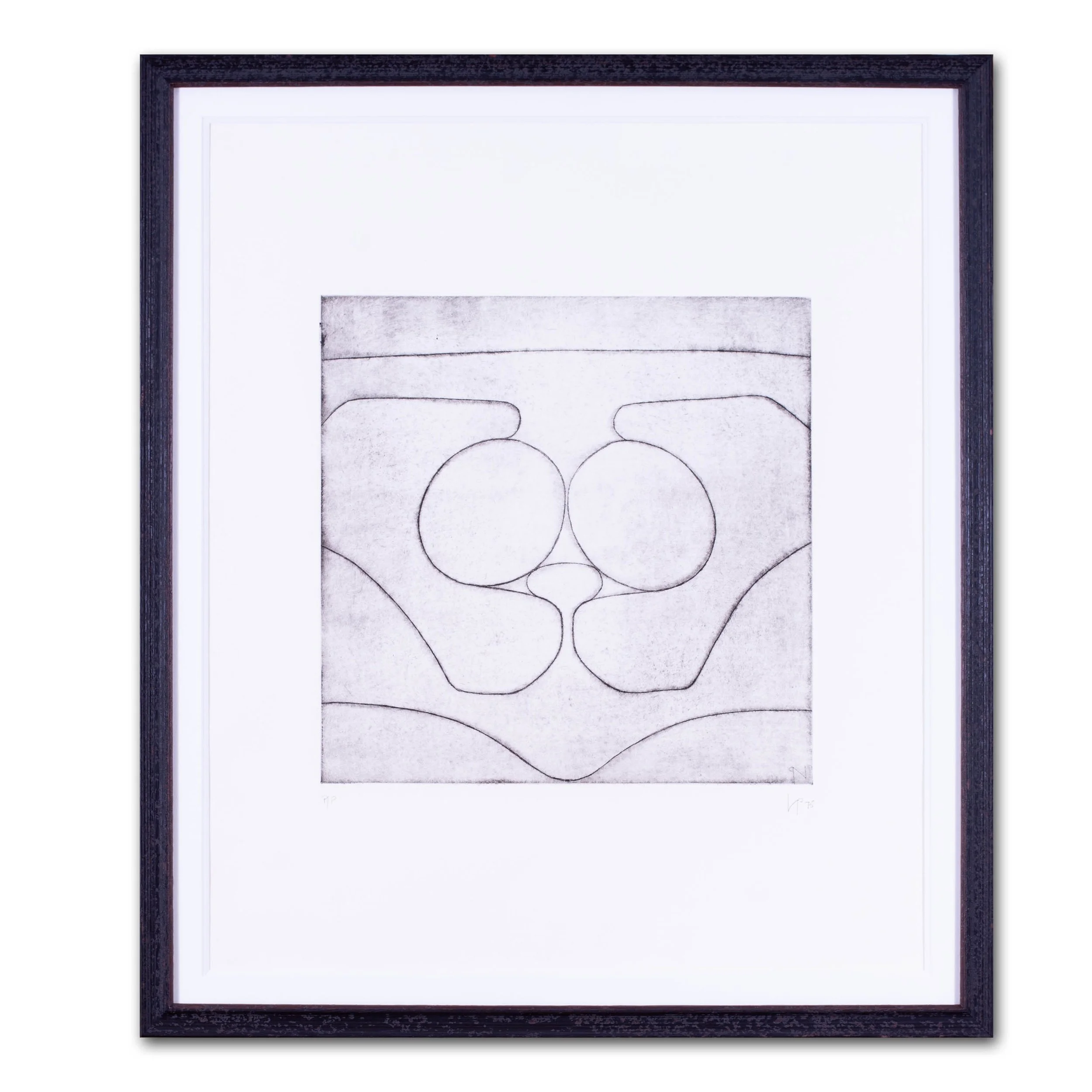
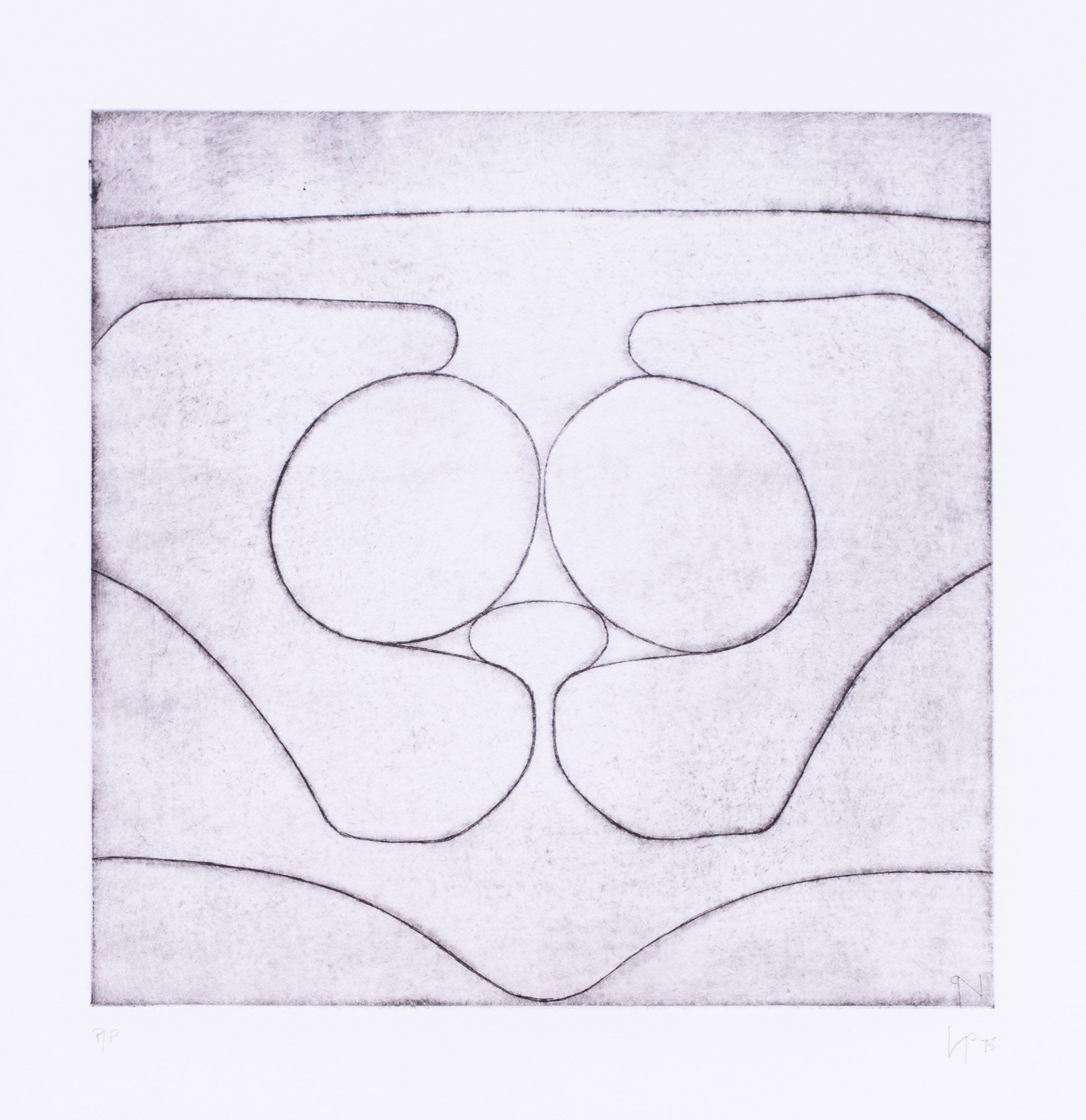
Bryan Ingham, (British 1936-1997)
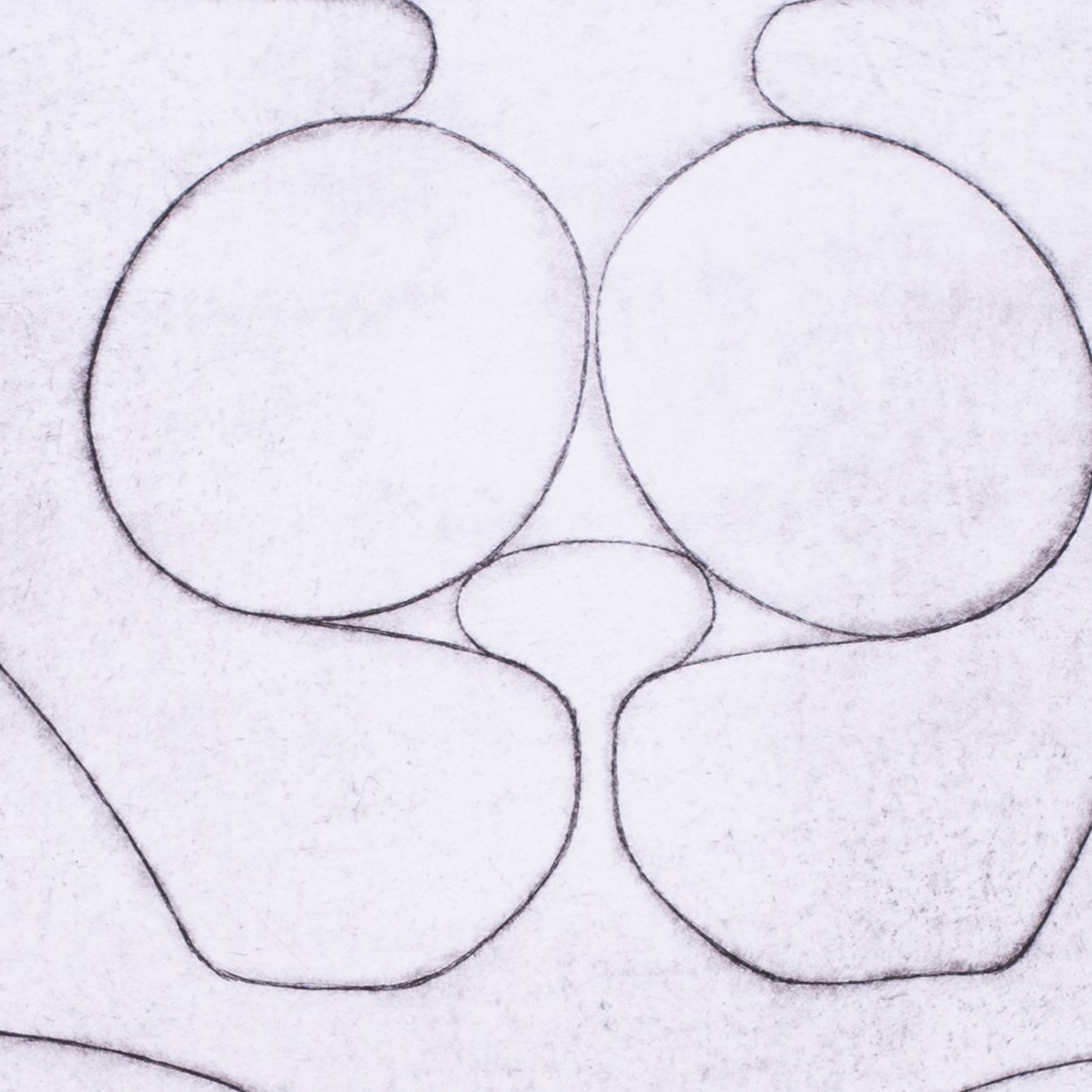
Colle Val d'Elsa, 1991-92
oil and pencil on wood relief
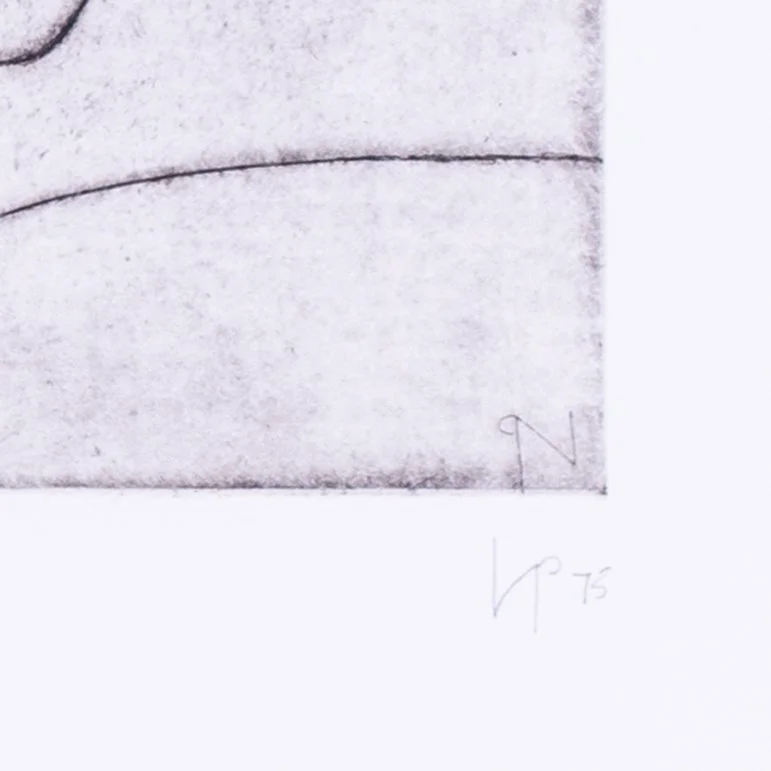
signed, titled and dated 'Bryan Ingham Colle Val d'Elsa 1991-1992 (relief)' (on the reverse)
57.5 x 81 cm.
Provenance: Bonhams, London, 20th Century British Art, 30th November 2004, lot 94;
private collection
Read More »
Born in Preston, Lancashire, in 1936, Bryan Ingham's work is a testament to his
exceptional skill and deep understanding of 20th-century art history. His artistic
training at St Martin’s School of Art, the Royal College of Art, and the British Academy
in Rome provided the foundation for a career that would play a pivotal role in the
narrative of British art.
Ingham’s career took a distinctive turn after his studies in London and Rome during
the 1950s and '60s. Rather than joining the buzzing art scene of London, where
artists like David Hockney, Bridget Riley, and Peter Blake were defining the era’s
‘cool’ aesthetic, Ingham chose a more solitary path. He moved to a remote house in
Jollytown, Cornwall, immersing himself in the rural surroundings that would shape
much of his work. Following in the footsteps of earlier artists such as Ben Nicholson
and Barbara Hepworth, who had similarly left London for St Ives, Ingham drew
inspiration from the rugged landscapes of Cornwall—the rough rocks, ancient
surfaces, and undulating hillsides—that would become central motifs in his art
Bryan Ingham, (British 1936-1997)
Colle Val d'Elsa, 1991-92
oil and pencil on wood relief
signed, titled and dated 'Bryan Ingham Colle Val d'Elsa 1991-1992 (relief)' (on the reverse)
57.5 x 81 cm.
Provenance: Bonhams, London, 20th Century British Art, 30th November 2004, lot 94;
private collection
Read More »
Born in Preston, Lancashire, in 1936, Bryan Ingham's work is a testament to his
exceptional skill and deep understanding of 20th-century art history. His artistic
training at St Martin’s School of Art, the Royal College of Art, and the British Academy
in Rome provided the foundation for a career that would play a pivotal role in the
narrative of British art.
Ingham’s career took a distinctive turn after his studies in London and Rome during
the 1950s and '60s. Rather than joining the buzzing art scene of London, where
artists like David Hockney, Bridget Riley, and Peter Blake were defining the era’s
‘cool’ aesthetic, Ingham chose a more solitary path. He moved to a remote house in
Jollytown, Cornwall, immersing himself in the rural surroundings that would shape
much of his work. Following in the footsteps of earlier artists such as Ben Nicholson
and Barbara Hepworth, who had similarly left London for St Ives, Ingham drew
inspiration from the rugged landscapes of Cornwall—the rough rocks, ancient
surfaces, and undulating hillsides—that would become central motifs in his art

 Image 1 of 8
 Image 2 of 8
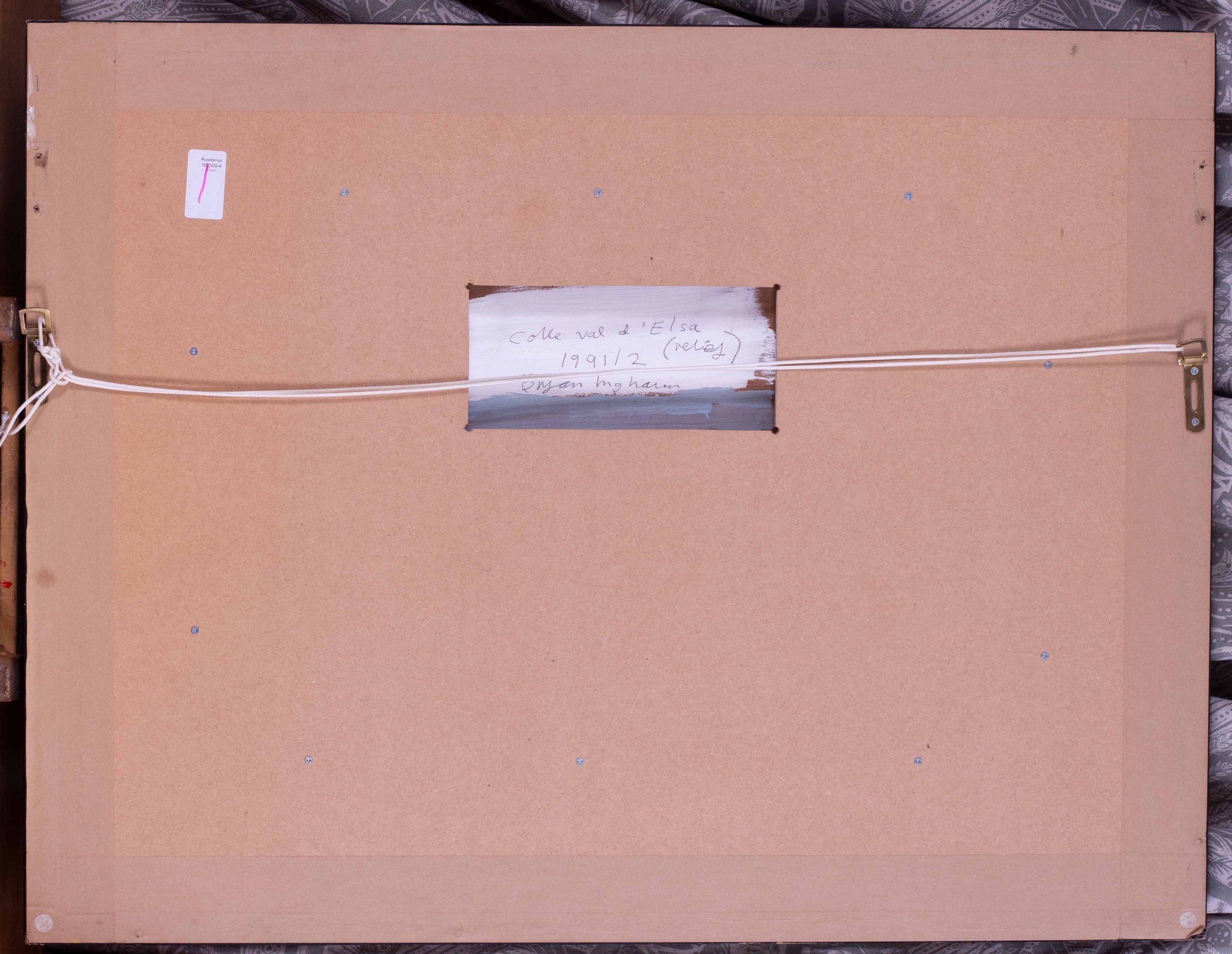 Image 3 of 8
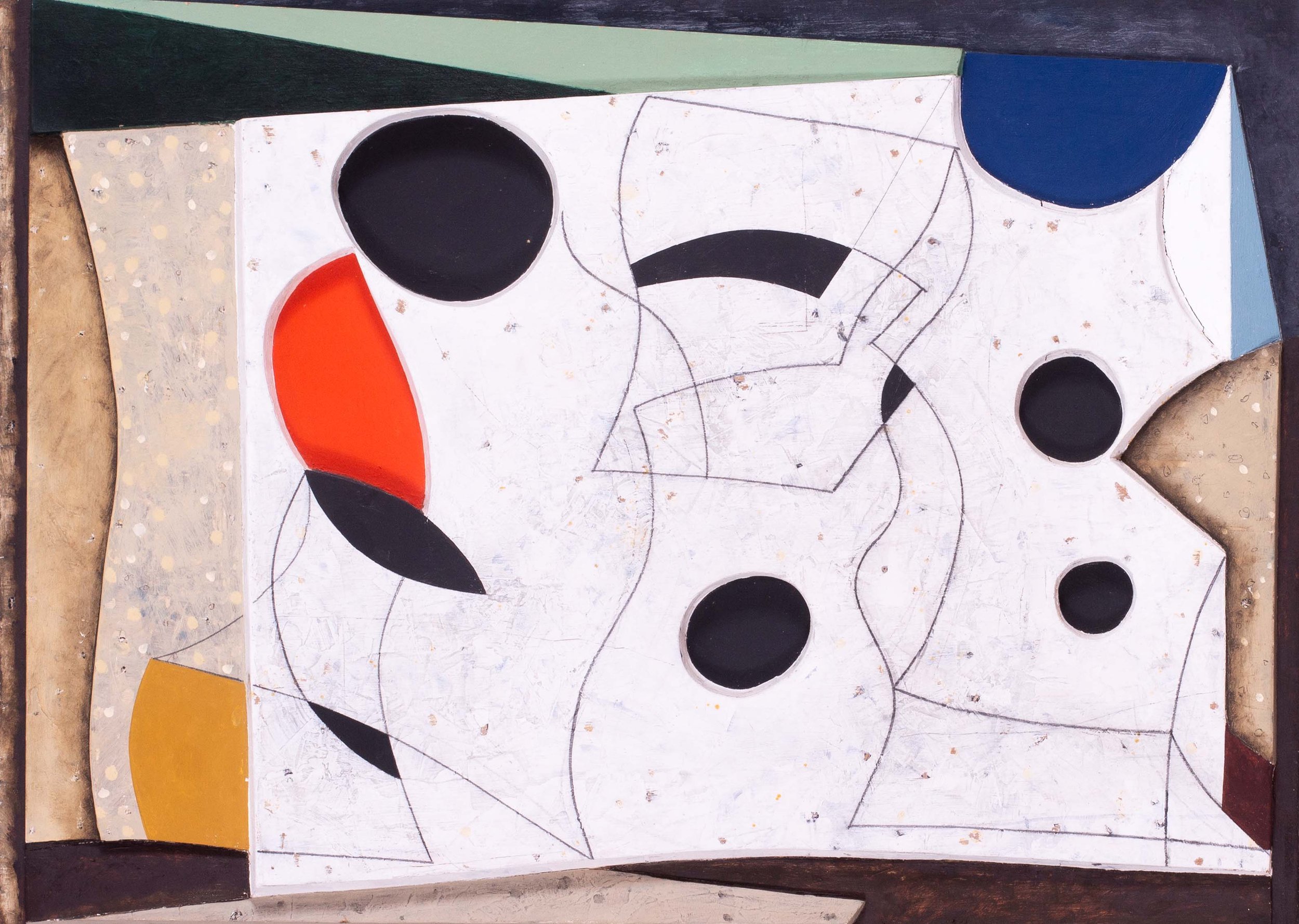 Image 4 of 8
 Image 5 of 8
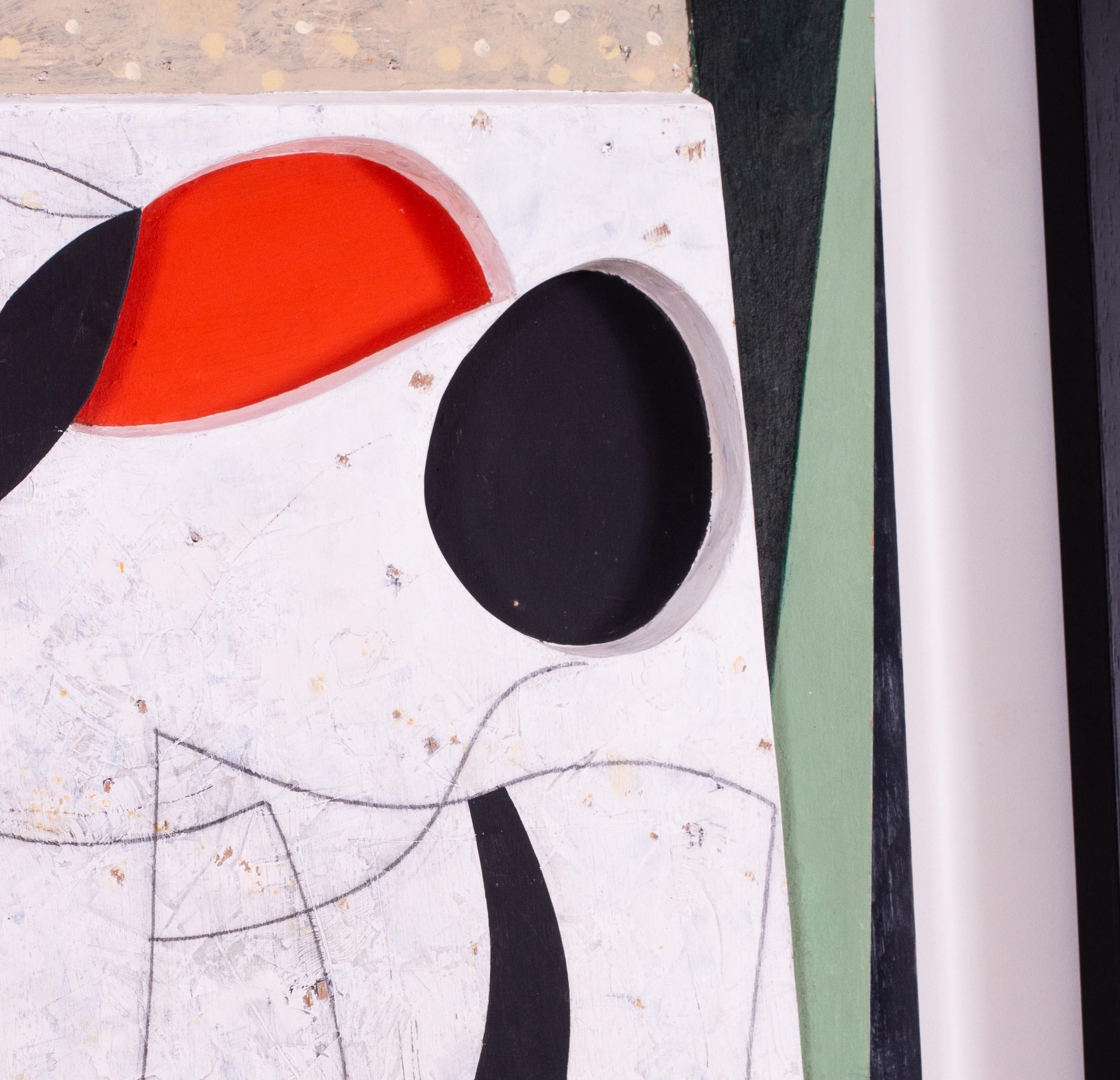 Image 6 of 8
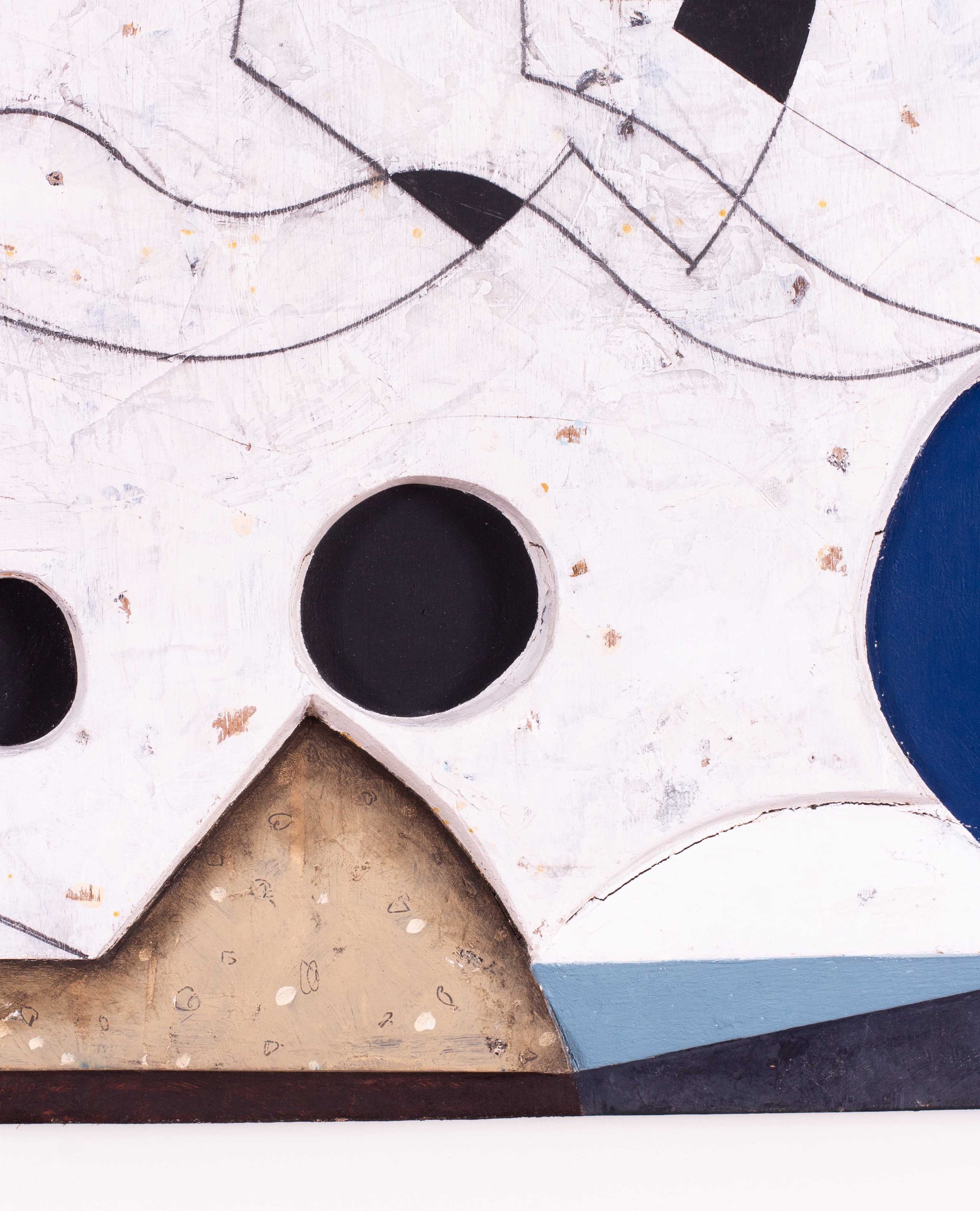 Image 7 of 8
 Image 8 of 8