Bridget Riley (British, b. 1931)
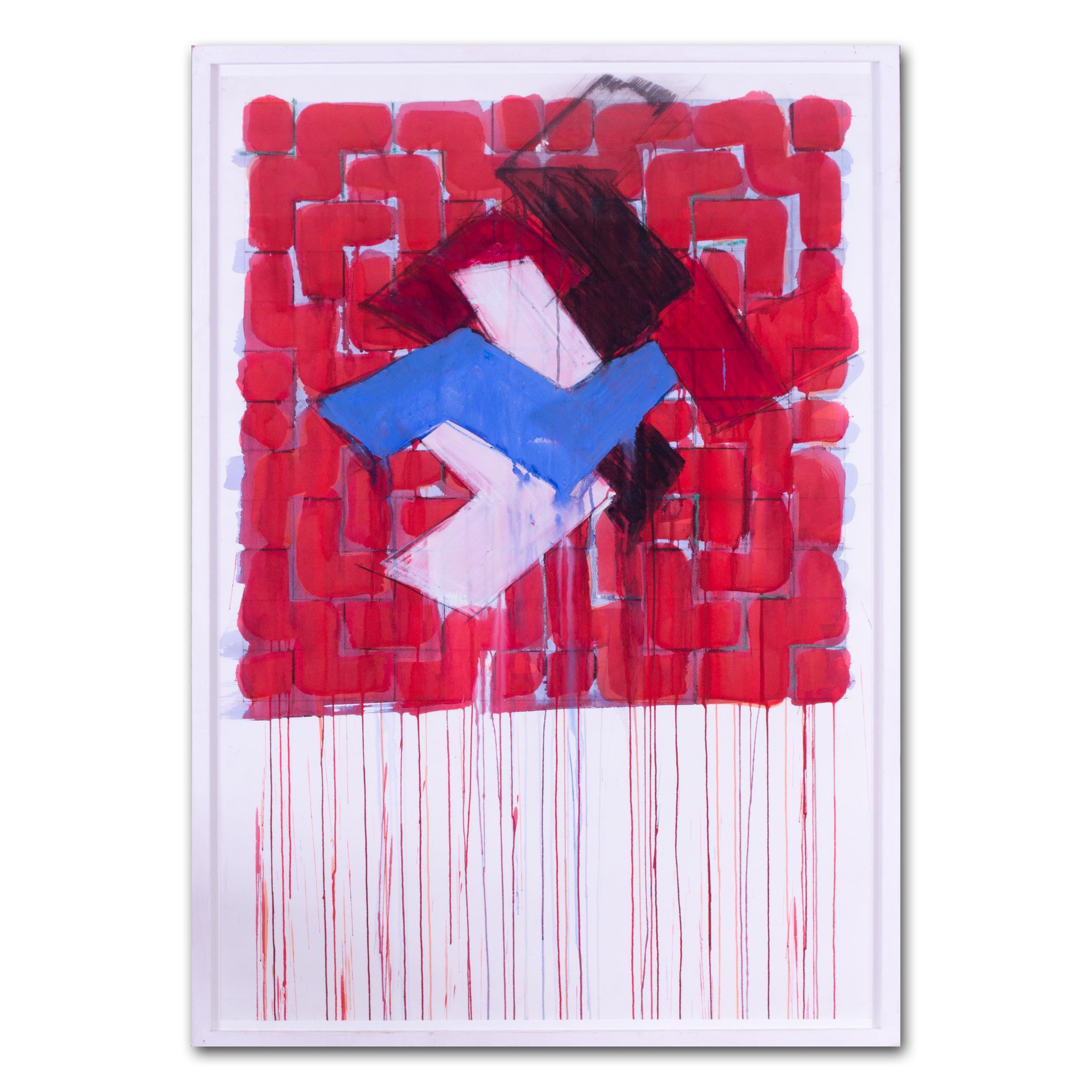
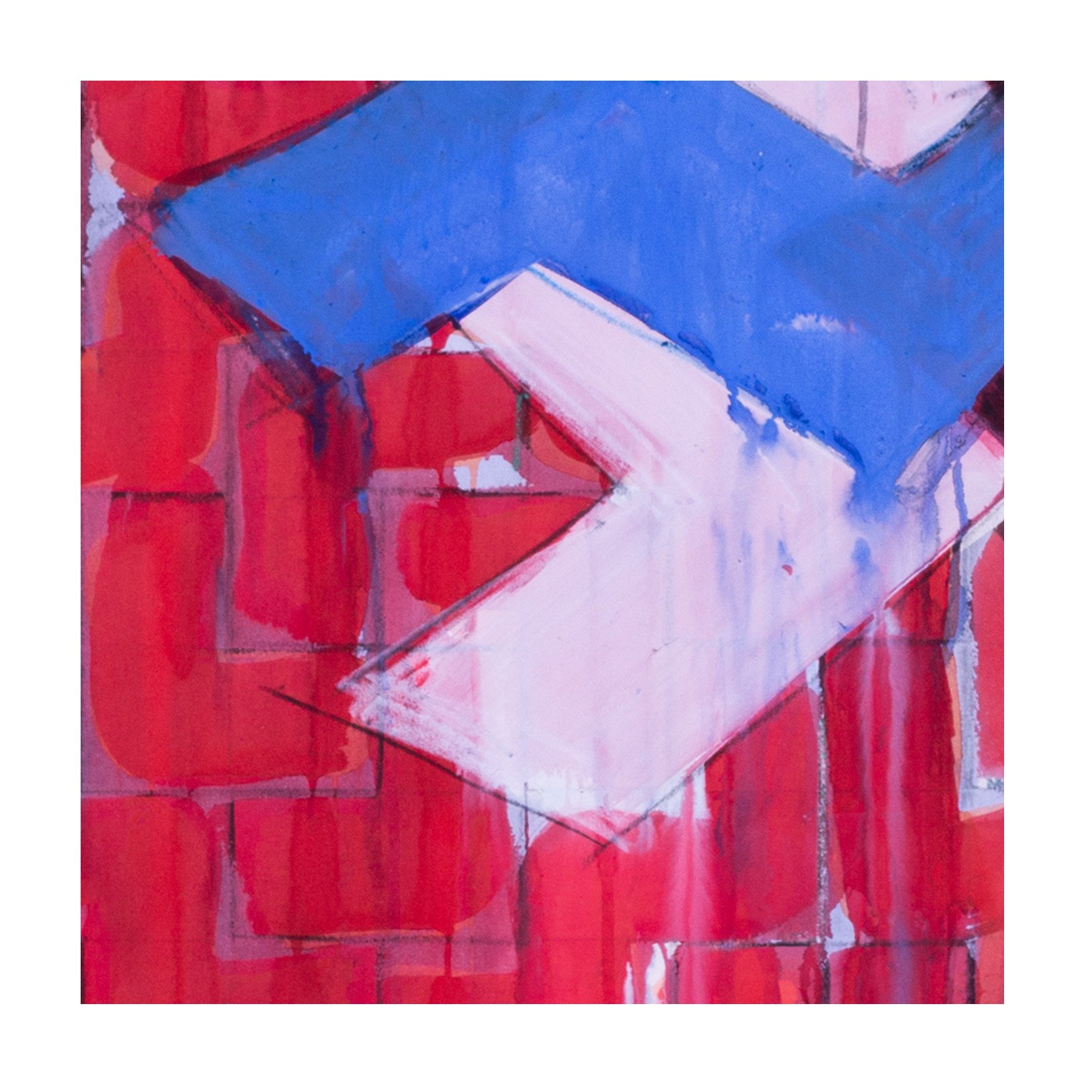
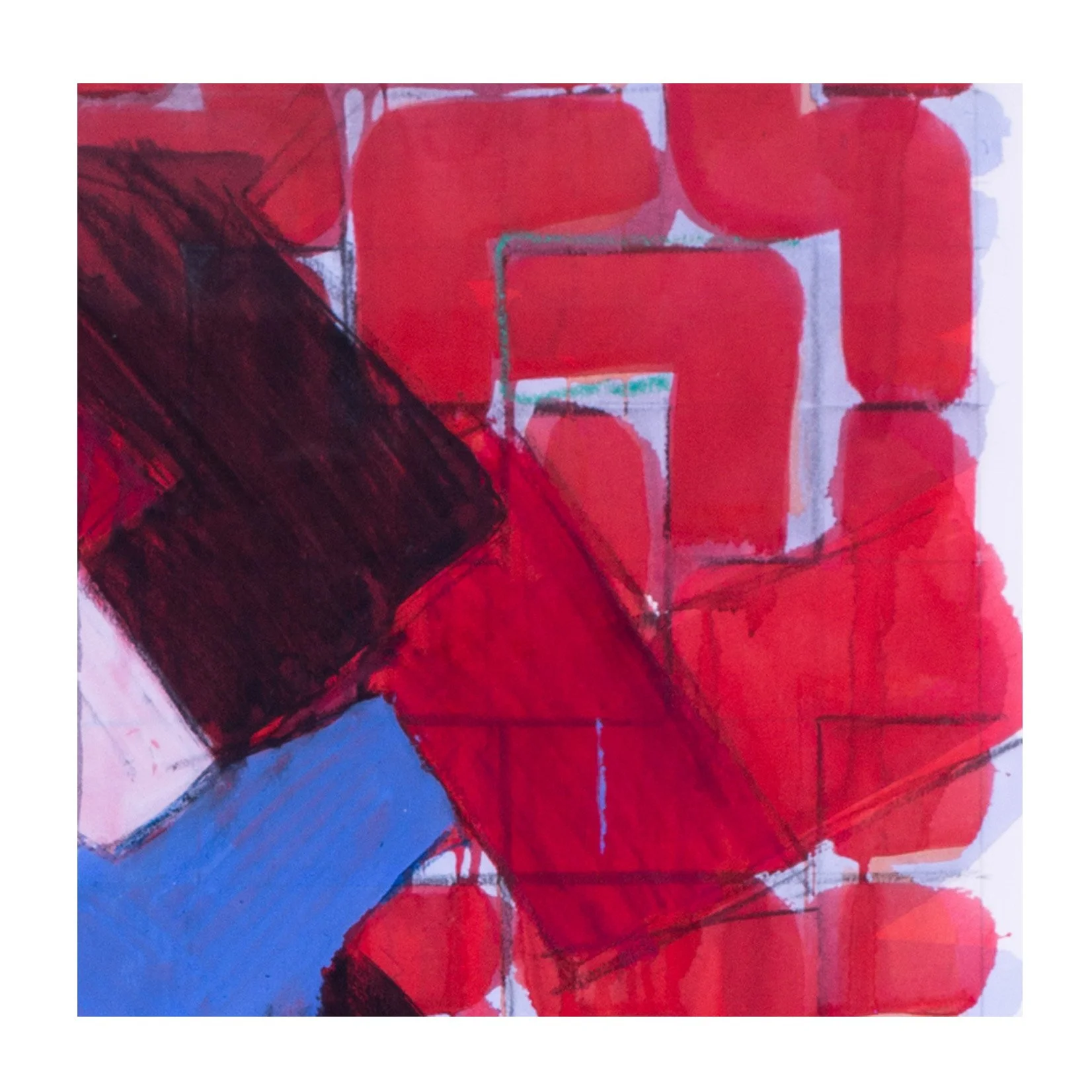
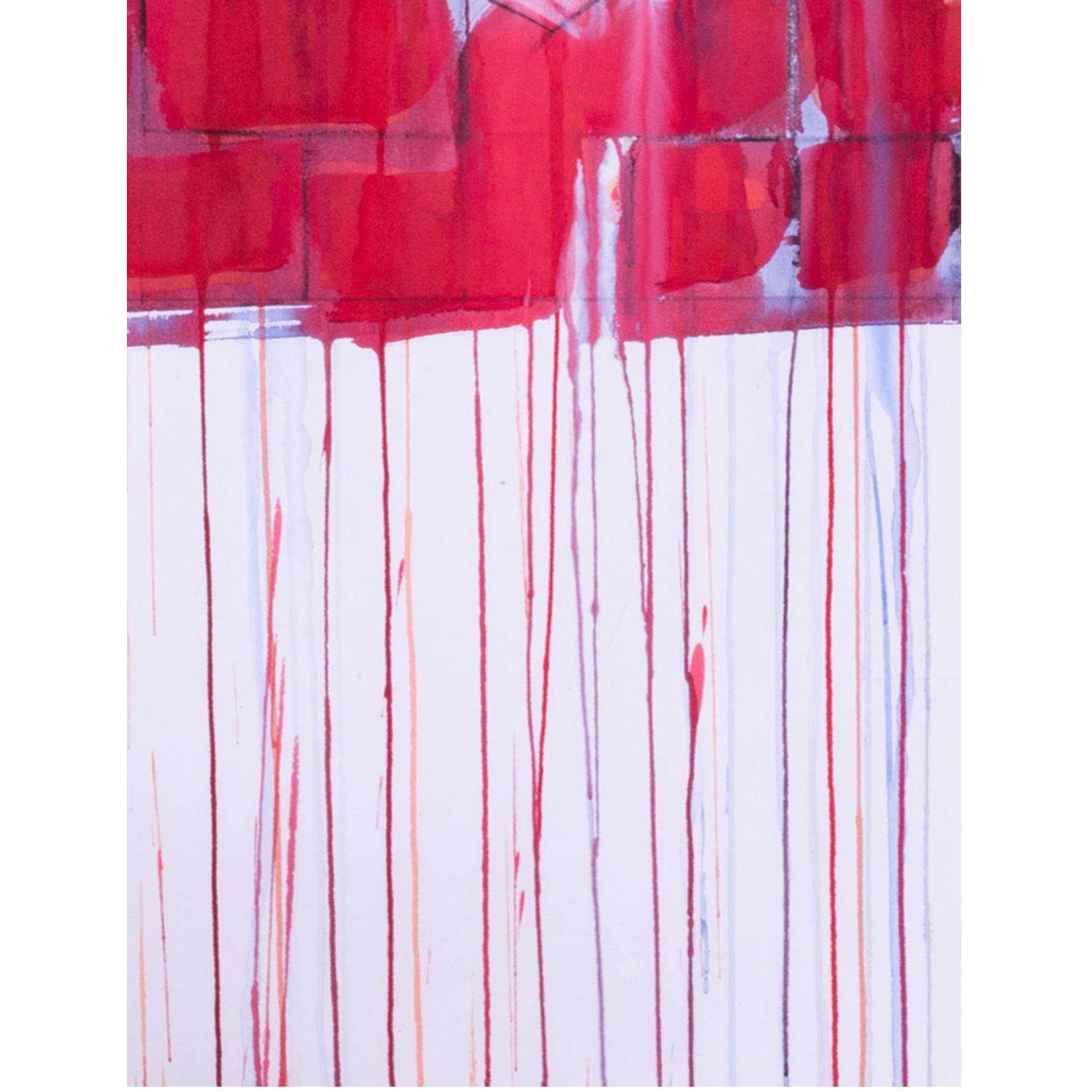
Untitled (Based on Primitive Blaze), 1962
screenprint
45 × 45 cm.
signed and dated “Bridget Riley 1962” in pencil
unnumbered
Provenance: Peter Sedgley; thence by descent/gift to the present owner.
Read more »
This is an unusual unnumbered impression of one of the pivotal images from the beginning of Bridget Riley's mature career.
Riley met Peter Sedgley in 1961, at precisely the moment when she was beginning the rigorous investigation of black, white and geometric form that would establish her international reputation. Sedgley had trained in architecture and urban planning before becoming an artist, and his technical drawing skills proved important to Riley. Riley later recalled that when she met Peter she did not know how to construct a curve or properly use a ruler, and that he taught her geometry so that she could make the forms she already knew she wanted to make. The two artists subsequently shared a studio and developed their work in close proximity.
The present image dates from 1962, an extraordinarily consequential year for Riley. Her first solo exhibition at Gallery One took place that year, and she was developing the uncompromising black-and-white vocabulary that transformed her work. In these pictures static geometric forms generate sensations of movement, vibration and instability in the eye of the spectator.
The screenprint now known as Untitled (Based on Primitive Blaze) is particularly interesting within that development. It is catalogued as Riley's first print and dates from 1962. The image was initially held back from publication. Riley rediscovered it much later and subsequently authorised a small edition of 40 impressions plus five artist's proofs; the title refers retrospectively to her related 1963 painting Primitive Blaze.Bridget Riley with Peter Sedgley Bridget Riley with Hugh Gilbey.
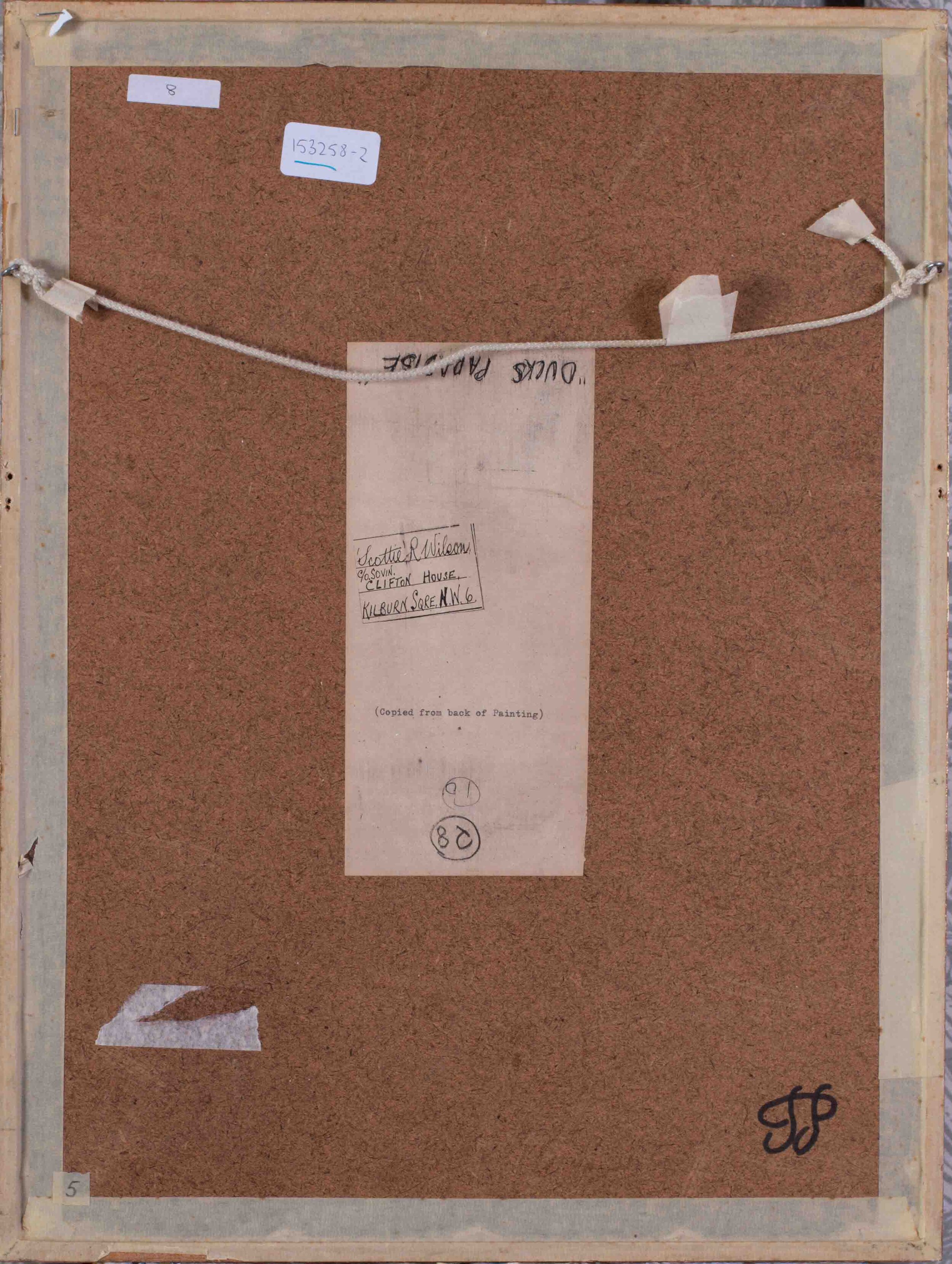
The present impression is not numbered. It is signed and dated 1962 by Riley and remained in the collection of Peter Sedgley, her close friend and fellow artist from this formative period. Its orientation also appears to differ by approximately 45 degrees from that normally encountered in impressions of the subsequently numbered edition, when Riley's pencil signature is used to establish the bottom of the sheet.
The Sedgley provenance has particular resonance. His relationship with Riley was not incidental to this period of her work. His architectural training supplied some of the practical geometry with which Riley was able to realise her developing ideas, while their artistic exchange influenced Sedgley's own emergence as an important optical and kinetic artist.
Only three years after this impression was made, Riley and Sedgley were both selected for William Seitz's landmark 1965 exhibition The Responsive Eye at the Museum of Modern Art, New Y ork. The exhibition brought optical art to an enormous international audience. Riley's Current (1964) was included and appeared on the exhibition catalogue cover; MoMA describes the exhibition as one of its most popular shows of the period.
The importance of the present impression therefore lies not simply in its rarity. It survives from the moment when Riley's new geometric language was being formed, and it was retained by the artist who had helped her acquire some of the technical means with which to construct that language.
The work remained with Peter Sedgley until the end of his life. During Peter's final years he was cared for by the present owner, Hugh Gilbert, who helped to stage Peter’s final retrospective at Rddfern, where Peter and Bridget were reunited. Following Sedgley's death the work passed to Gilbert.
Provenance and context
The impression belonged to Peter Sedgley, Bridget Riley's close friend and fellow artist. Sedgley had trained as an architect, and Riley has acknowledged the practical importance of his geometrical knowledge during the formative period of her black-and-white work. He taught her how to construct the geometric forms she was beginning to explore. Their association subsequently developed into the establishment, with Peter Townsend, of SPACE, providing large and affordable studios for artists in London.
The present owner, photographer Hugh Gilbert, knew and worked for both Riley and Sedgley from his early twenties, during the period in which Riley and Sedgley were establishing SPACE at St Katharine Docks. Decades later Gilbert cared for Sedgley during the final years of his life and helped organise his final retrospective, attended by Riley, at which the two artists were reunited.
Following Sedgley's death, this signed, unnumbered 1962 impression of Untitled (Based on Primitive Blaze) was one of two works from Sedgley's collection that came to Gilbert. Its history is therefore direct: Riley to Sedgley, in whose possession it remained, and subsequently to Gilbert, who had known and worked with both artists and later cared for Sedgley
Bridget Riley (British, b. 1931)
Untitled (Based on Primitive Blaze), 1962
screenprint
45 × 45 cm.
signed and dated “Bridget Riley 1962” in pencil
unnumbered
Provenance: Peter Sedgley; thence by descent/gift to the present owner.
Read more »
This is an unusual unnumbered impression of one of the pivotal images from the beginning of Bridget Riley's mature career.
Riley met Peter Sedgley in 1961, at precisely the moment when she was beginning the rigorous investigation of black, white and geometric form that would establish her international reputation. Sedgley had trained in architecture and urban planning before becoming an artist, and his technical drawing skills proved important to Riley. Riley later recalled that when she met Peter she did not know how to construct a curve or properly use a ruler, and that he taught her geometry so that she could make the forms she already knew she wanted to make. The two artists subsequently shared a studio and developed their work in close proximity.
The present image dates from 1962, an extraordinarily consequential year for Riley. Her first solo exhibition at Gallery One took place that year, and she was developing the uncompromising black-and-white vocabulary that transformed her work. In these pictures static geometric forms generate sensations of movement, vibration and instability in the eye of the spectator.
The screenprint now known as Untitled (Based on Primitive Blaze) is particularly interesting within that development. It is catalogued as Riley's first print and dates from 1962. The image was initially held back from publication. Riley rediscovered it much later and subsequently authorised a small edition of 40 impressions plus five artist's proofs; the title refers retrospectively to her related 1963 painting Primitive Blaze.Bridget Riley with Peter Sedgley Bridget Riley with Hugh Gilbey.
The present impression is not numbered. It is signed and dated 1962 by Riley and remained in the collection of Peter Sedgley, her close friend and fellow artist from this formative period. Its orientation also appears to differ by approximately 45 degrees from that normally encountered in impressions of the subsequently numbered edition, when Riley's pencil signature is used to establish the bottom of the sheet.
The Sedgley provenance has particular resonance. His relationship with Riley was not incidental to this period of her work. His architectural training supplied some of the practical geometry with which Riley was able to realise her developing ideas, while their artistic exchange influenced Sedgley's own emergence as an important optical and kinetic artist.
Only three years after this impression was made, Riley and Sedgley were both selected for William Seitz's landmark 1965 exhibition The Responsive Eye at the Museum of Modern Art, New Y ork. The exhibition brought optical art to an enormous international audience. Riley's Current (1964) was included and appeared on the exhibition catalogue cover; MoMA describes the exhibition as one of its most popular shows of the period.
The importance of the present impression therefore lies not simply in its rarity. It survives from the moment when Riley's new geometric language was being formed, and it was retained by the artist who had helped her acquire some of the technical means with which to construct that language.
The work remained with Peter Sedgley until the end of his life. During Peter's final years he was cared for by the present owner, Hugh Gilbert, who helped to stage Peter’s final retrospective at Rddfern, where Peter and Bridget were reunited. Following Sedgley's death the work passed to Gilbert.
Provenance and context
The impression belonged to Peter Sedgley, Bridget Riley's close friend and fellow artist. Sedgley had trained as an architect, and Riley has acknowledged the practical importance of his geometrical knowledge during the formative period of her black-and-white work. He taught her how to construct the geometric forms she was beginning to explore. Their association subsequently developed into the establishment, with Peter Townsend, of SPACE, providing large and affordable studios for artists in London.
The present owner, photographer Hugh Gilbert, knew and worked for both Riley and Sedgley from his early twenties, during the period in which Riley and Sedgley were establishing SPACE at St Katharine Docks. Decades later Gilbert cared for Sedgley during the final years of his life and helped organise his final retrospective, attended by Riley, at which the two artists were reunited.
Following Sedgley's death, this signed, unnumbered 1962 impression of Untitled (Based on Primitive Blaze) was one of two works from Sedgley's collection that came to Gilbert. Its history is therefore direct: Riley to Sedgley, in whose possession it remained, and subsequently to Gilbert, who had known and worked with both artists and later cared for Sedgley

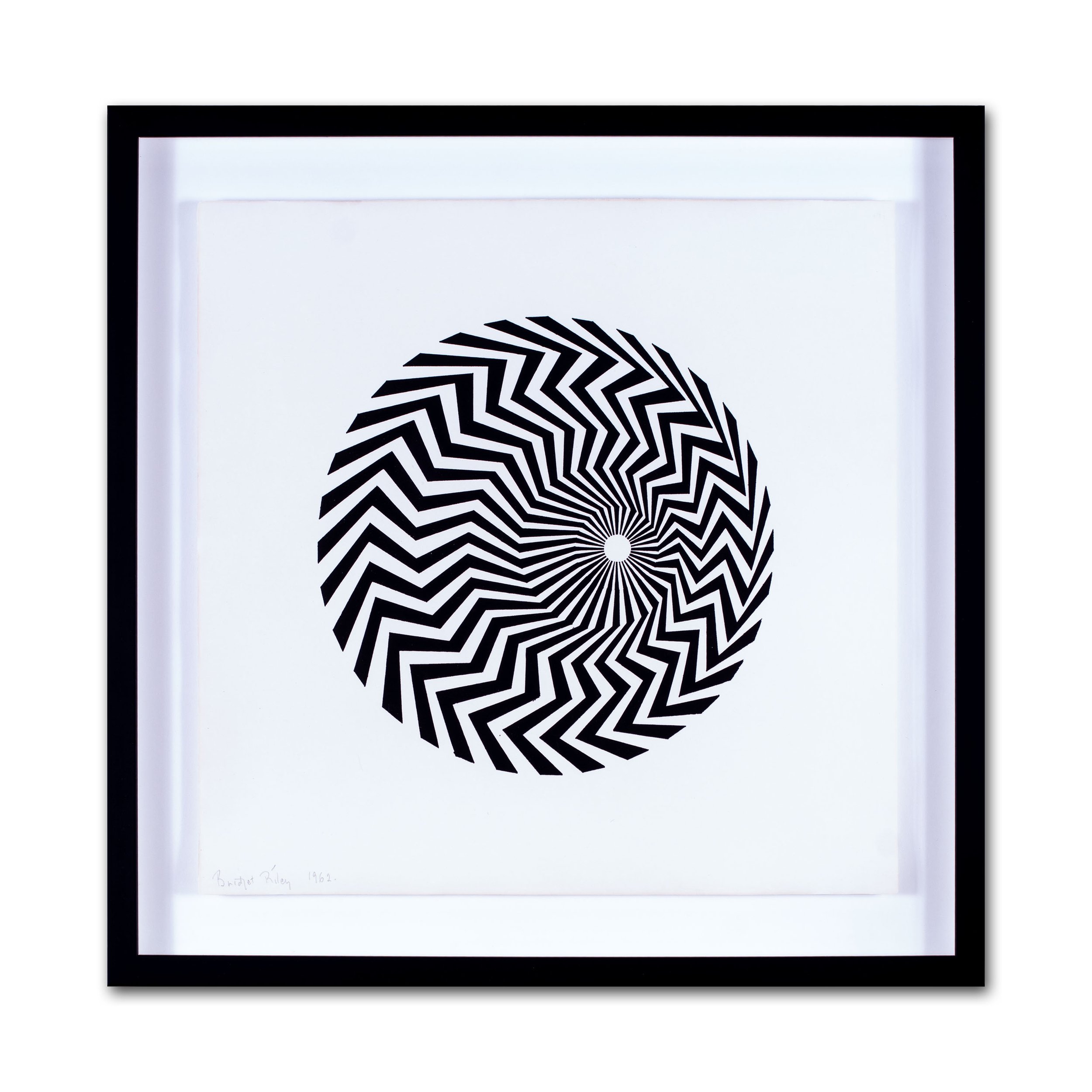 Image 1 of 9
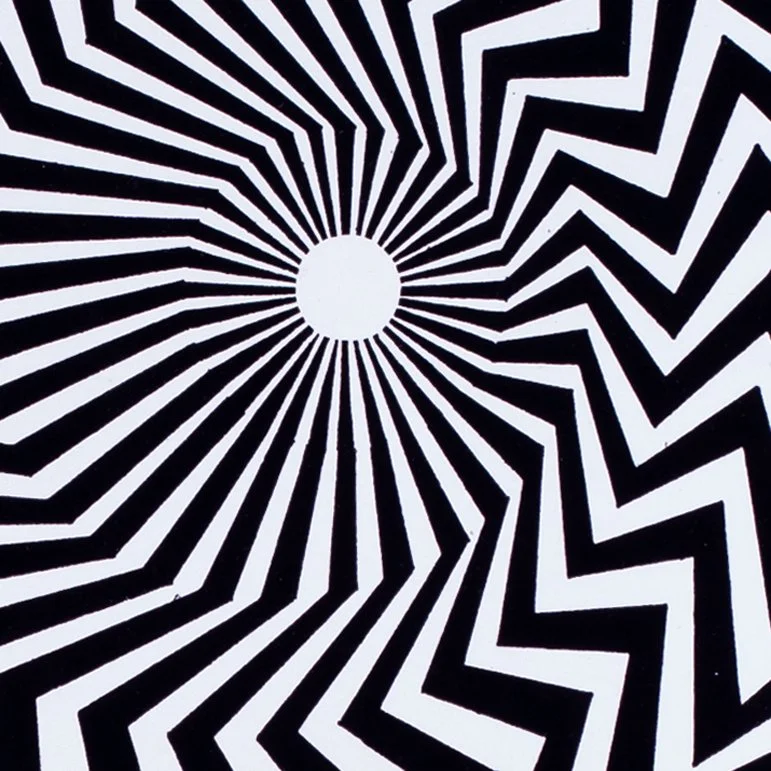 Image 2 of 9
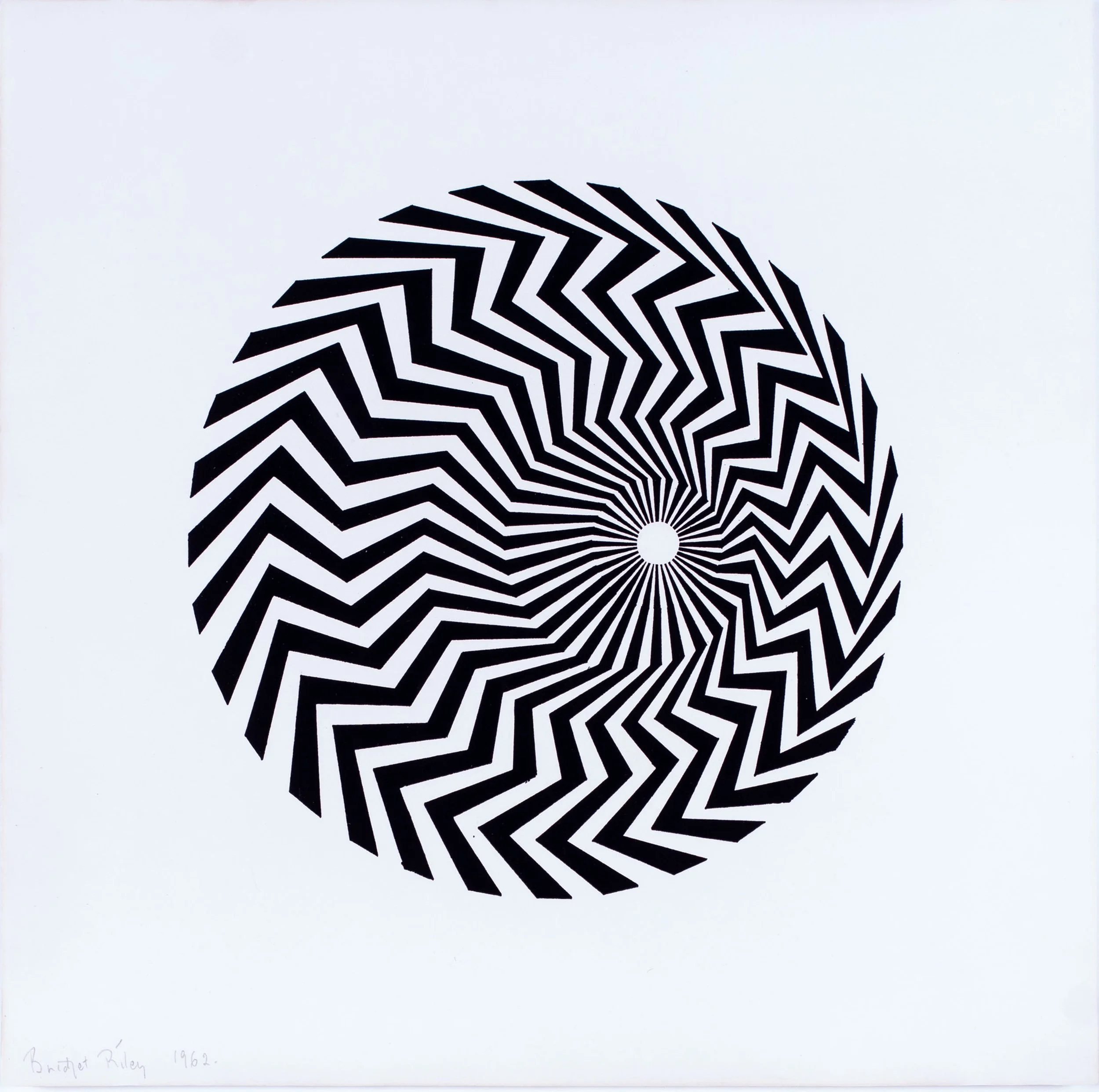 Image 3 of 9
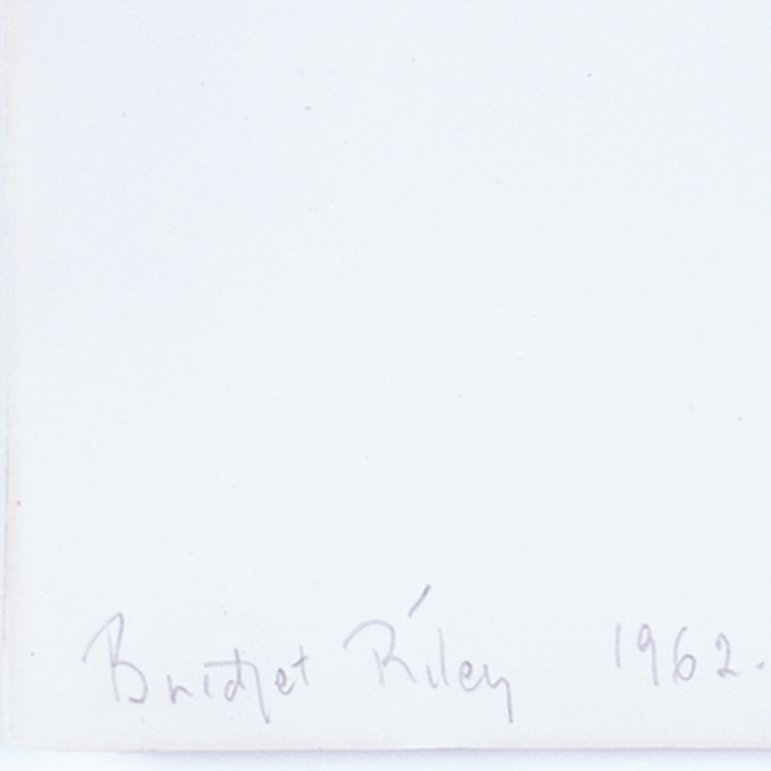 Image 4 of 9
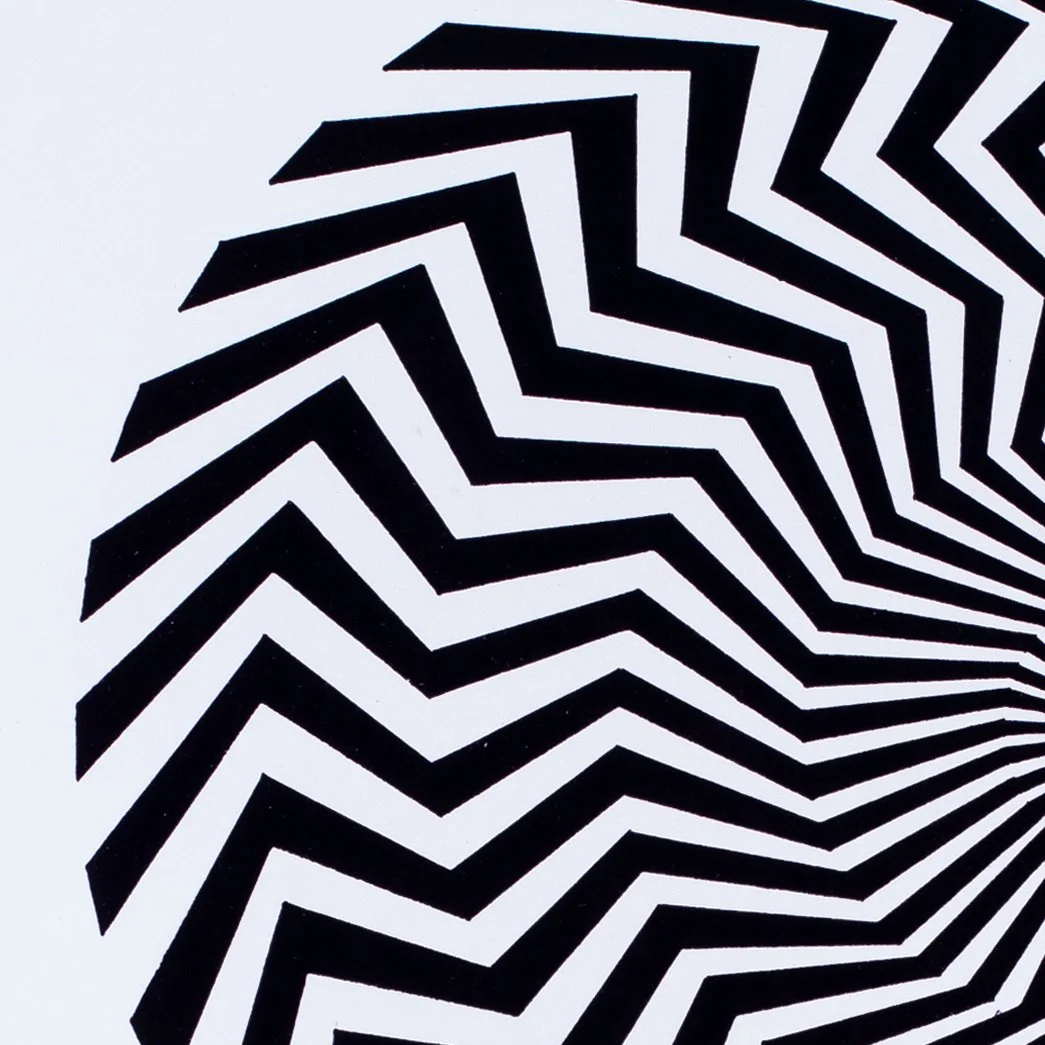 Image 5 of 9
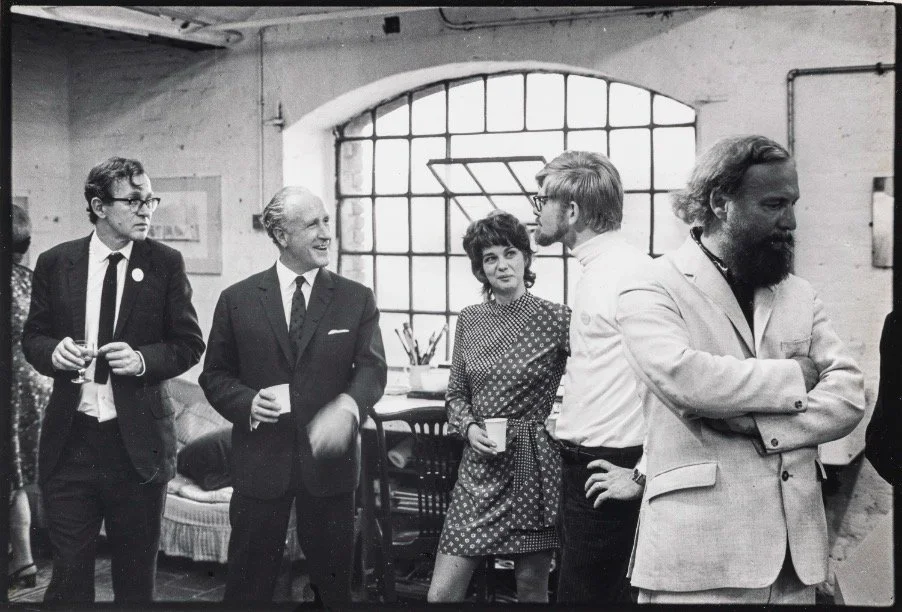 Image 6 of 9
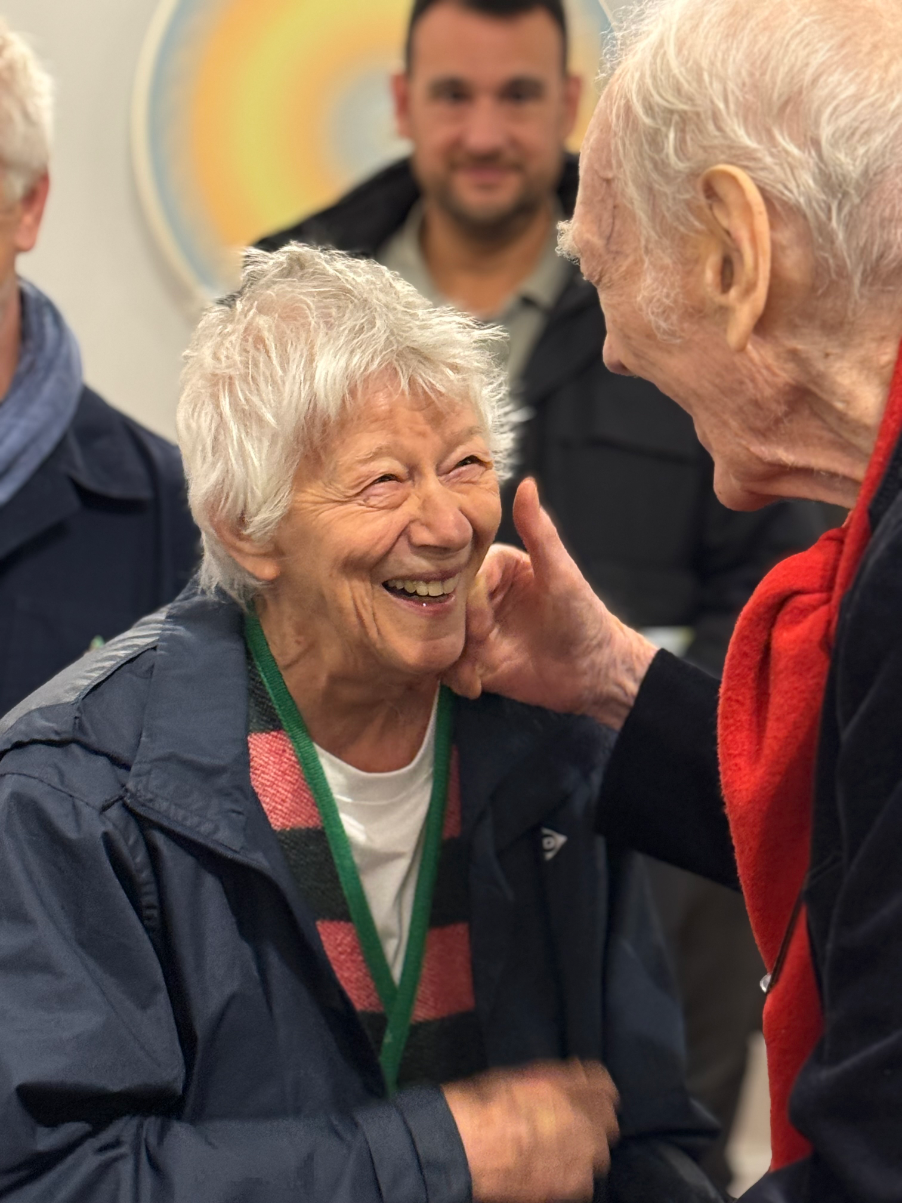 Image 7 of 9
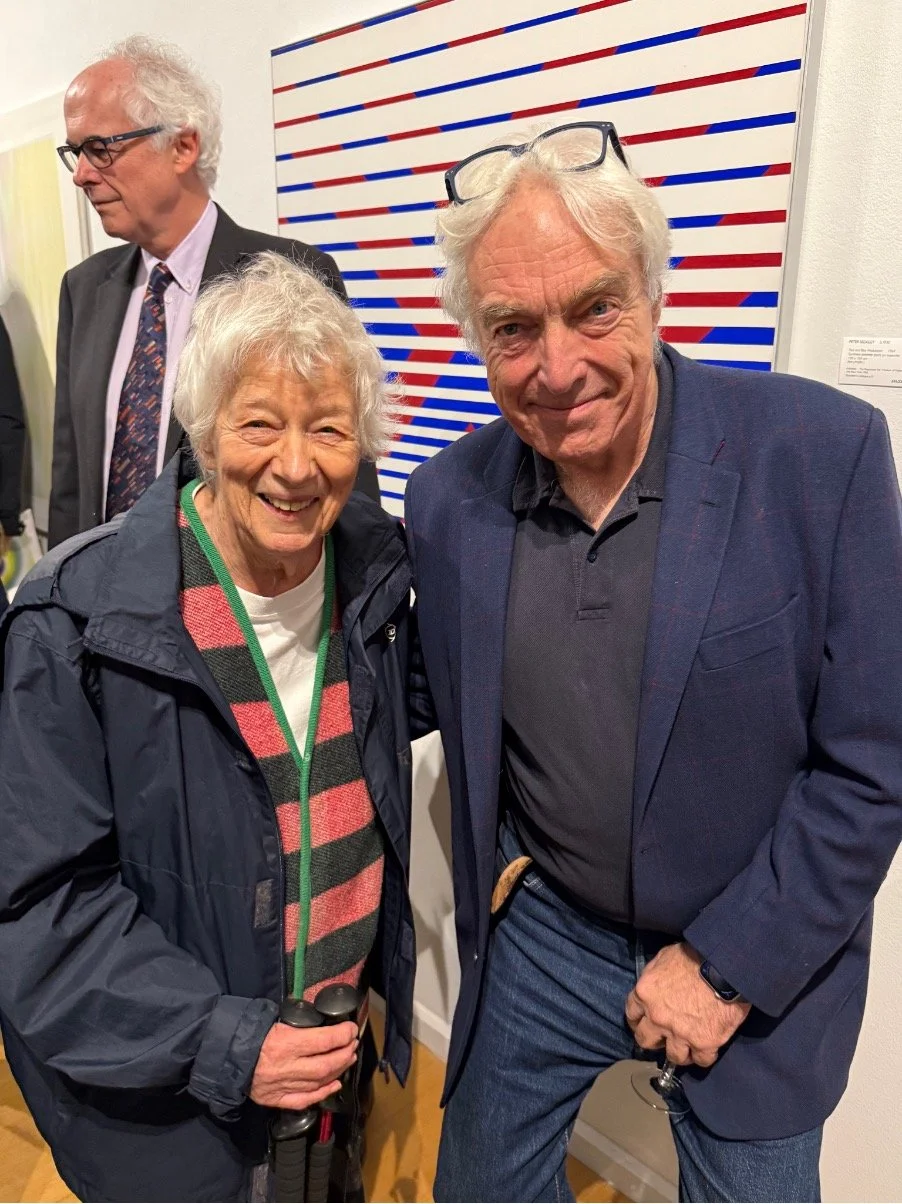 Image 8 of 9
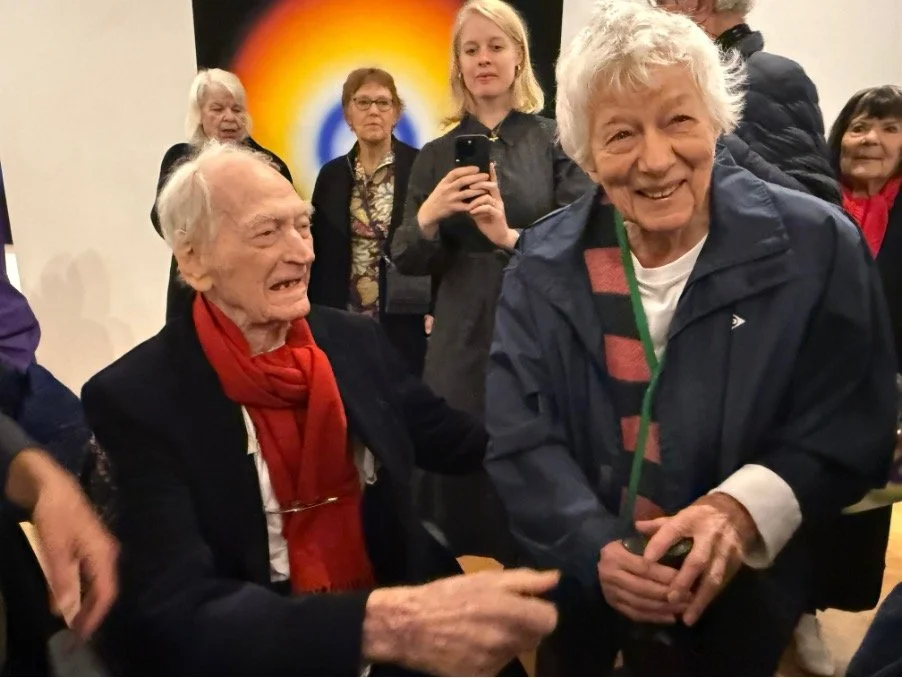 Image 9 of 9