Fred Cuming RA (British, 1930 – 2022)
Fairground, Evening
oil on board
signed ‘Cuming’ (Lower left)
30 x 30 in. (76 x 76 cm.)
Read More »
Fred Cuming, was a contemporary landscape painter who worked in a traditional manner. Cuming was born in London of English, Scottish and Irish ancestry. He received his art education at Sidcup School of Art (1945 – 49) and, after National Service, at the Royal College of Art. He was awarded the Abbey Minor Travelling Scholarship to visit Italy. In 1957 his oil painting of Lewisham Road was included as one of the 'Young Artists of Promise' in Jack Beddington's book. In 1969, he was elected an Associate of the Royal Academy (ARA), and a Royal Academician (RA) in 1974. He was elected as a member of the New English Art Club in 1960.
As well as continuing to paint Italian scenes, including Venice, he still devoted much time to the landscape of the Southern English coastline, including Hastings and Rye. His art has an impressionist quality which captures "the fleeting impressions of his surroundings". He first encountered such landscapes as a child evacuee during the Blitz. The powerful contrast to his home in London created an enduring love for it.
Fred Cuming RA (British, 1930 – 2022)
Fairground, Evening
oil on board
signed ‘Cuming’ (Lower left)
30 x 30 in. (76 x 76 cm.)
Read More »
Fred Cuming, was a contemporary landscape painter who worked in a traditional manner. Cuming was born in London of English, Scottish and Irish ancestry. He received his art education at Sidcup School of Art (1945 – 49) and, after National Service, at the Royal College of Art. He was awarded the Abbey Minor Travelling Scholarship to visit Italy. In 1957 his oil painting of Lewisham Road was included as one of the 'Young Artists of Promise' in Jack Beddington's book. In 1969, he was elected an Associate of the Royal Academy (ARA), and a Royal Academician (RA) in 1974. He was elected as a member of the New English Art Club in 1960.
As well as continuing to paint Italian scenes, including Venice, he still devoted much time to the landscape of the Southern English coastline, including Hastings and Rye. His art has an impressionist quality which captures "the fleeting impressions of his surroundings". He first encountered such landscapes as a child evacuee during the Blitz. The powerful contrast to his home in London created an enduring love for it.

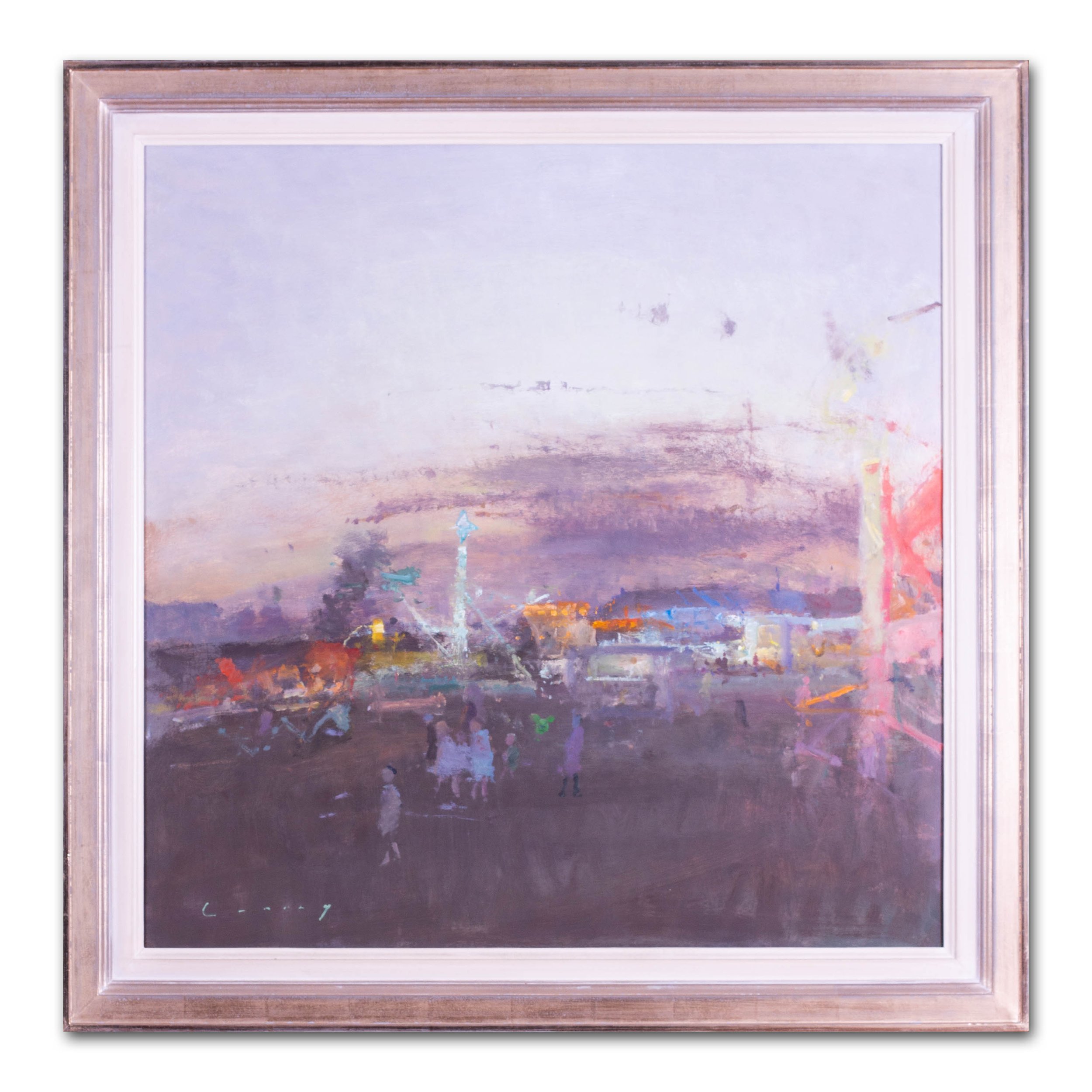 Image 1 of 9
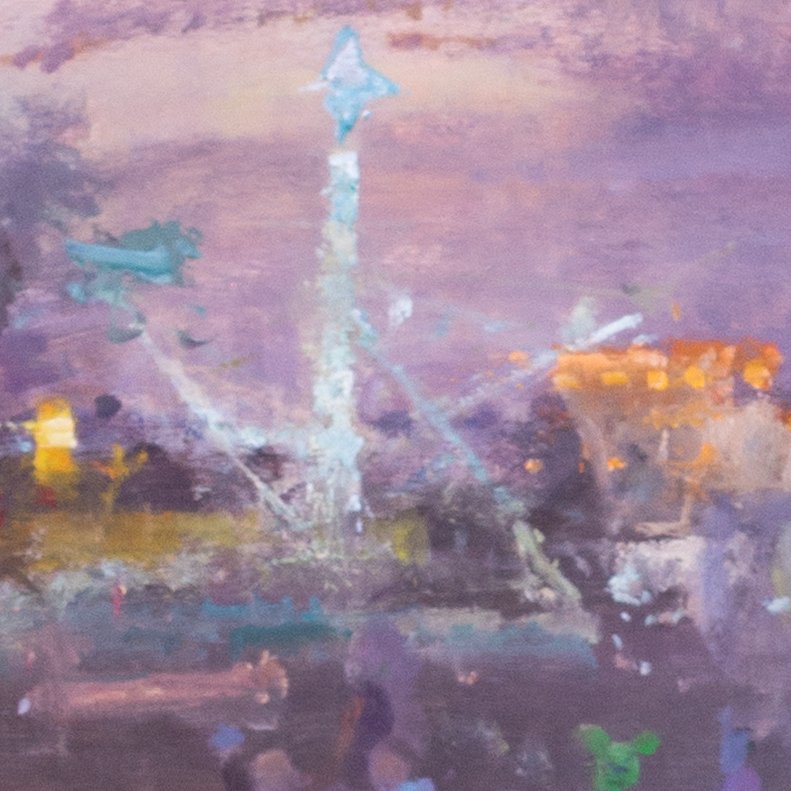 Image 2 of 9
 Image 3 of 9
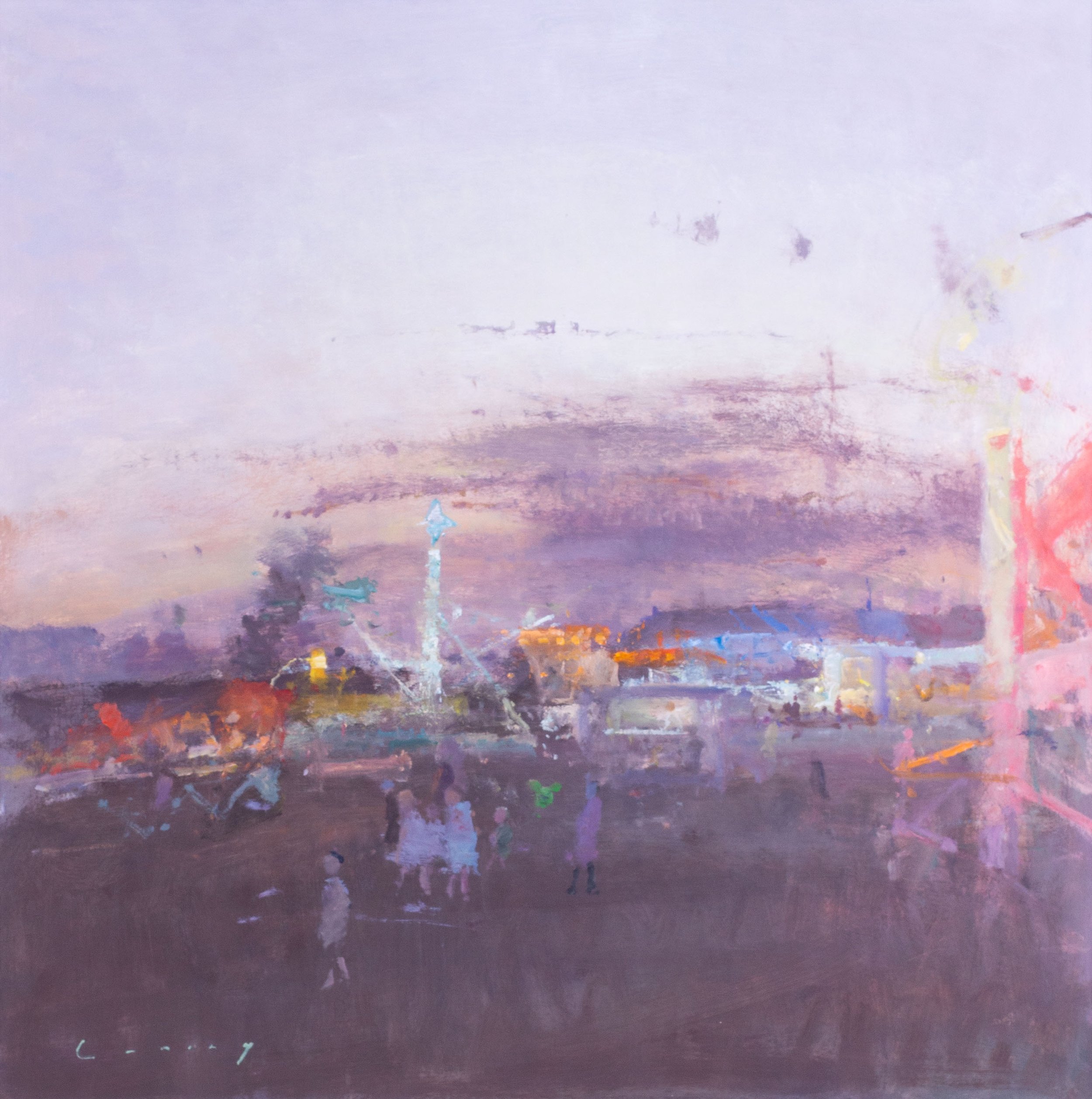 Image 4 of 9
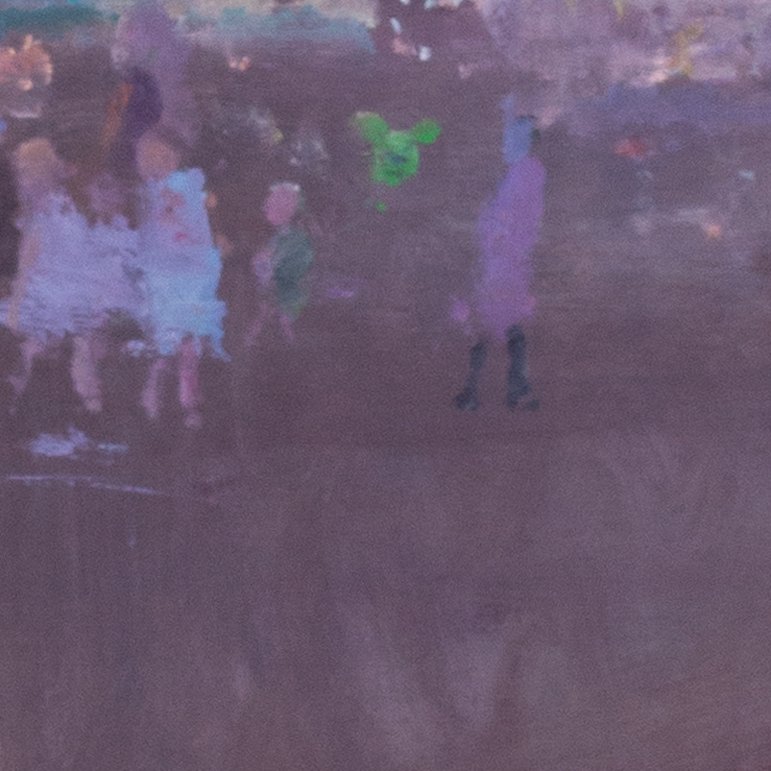 Image 5 of 9
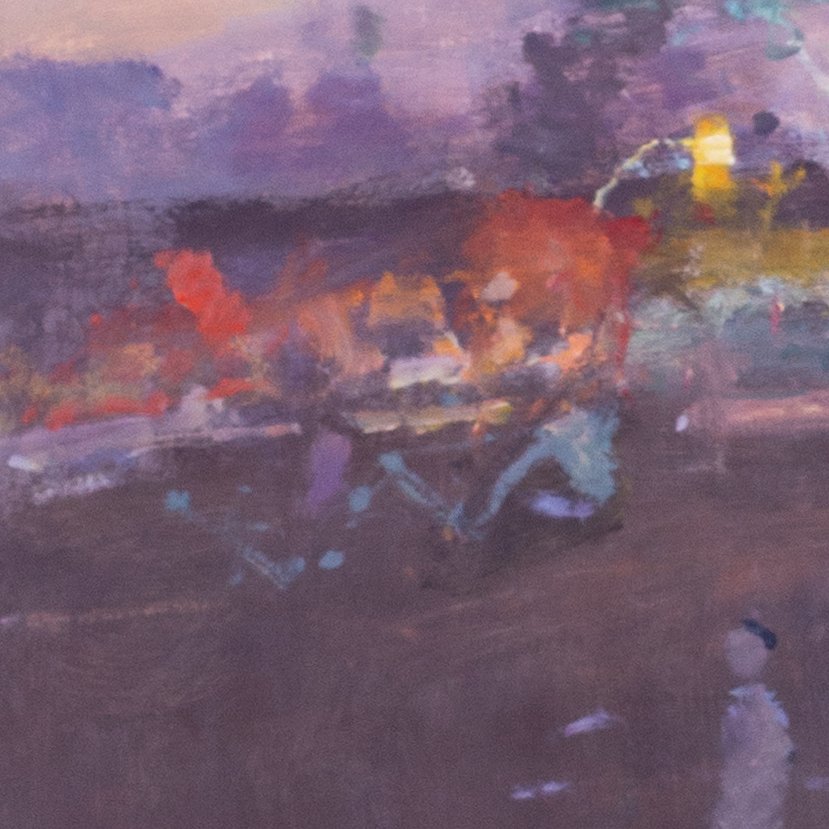 Image 6 of 9
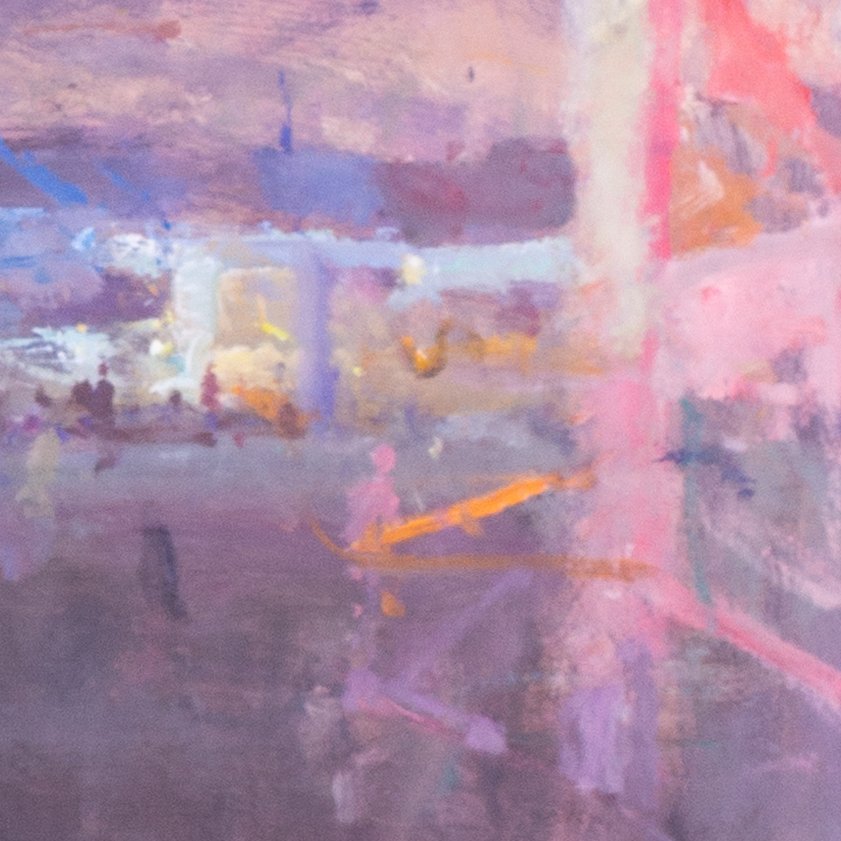 Image 7 of 9
 Image 8 of 9
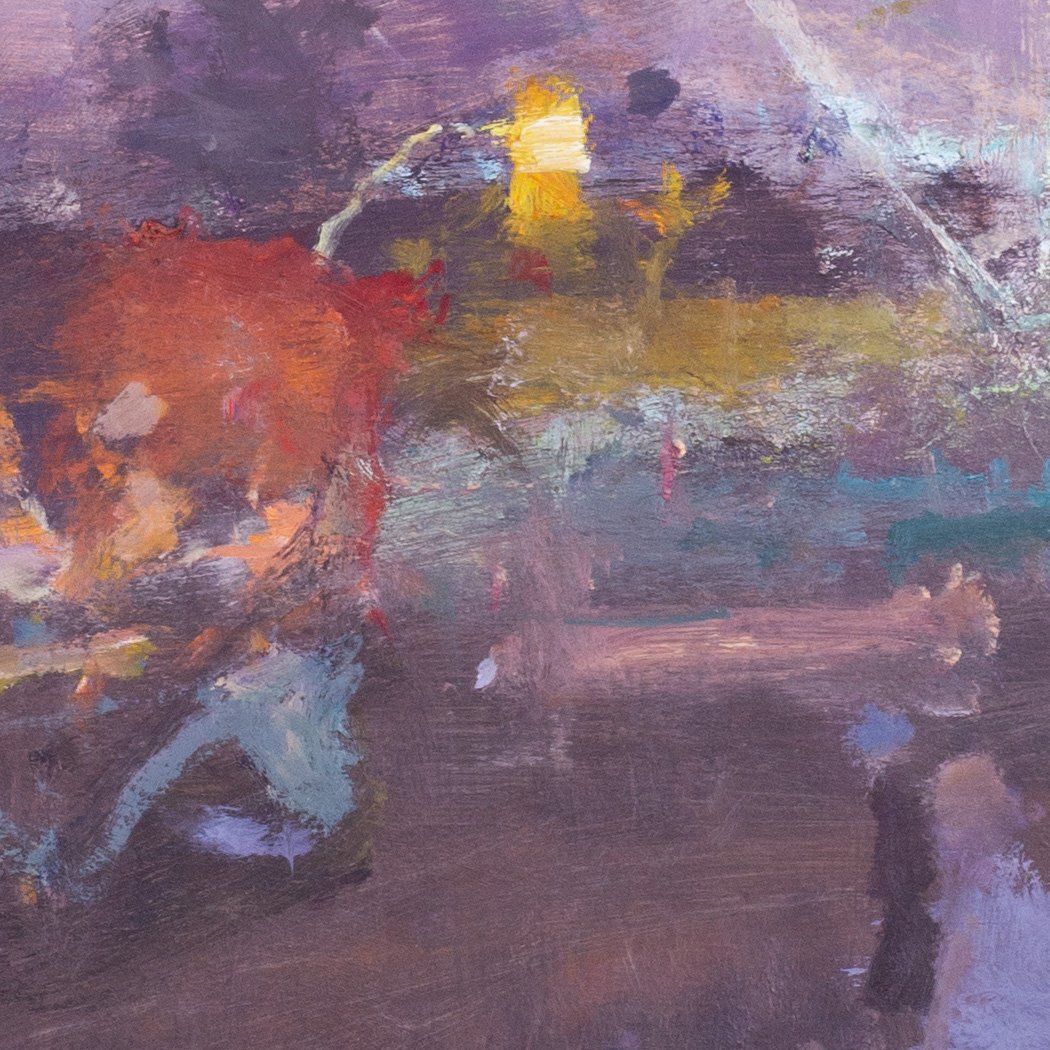 Image 9 of 9