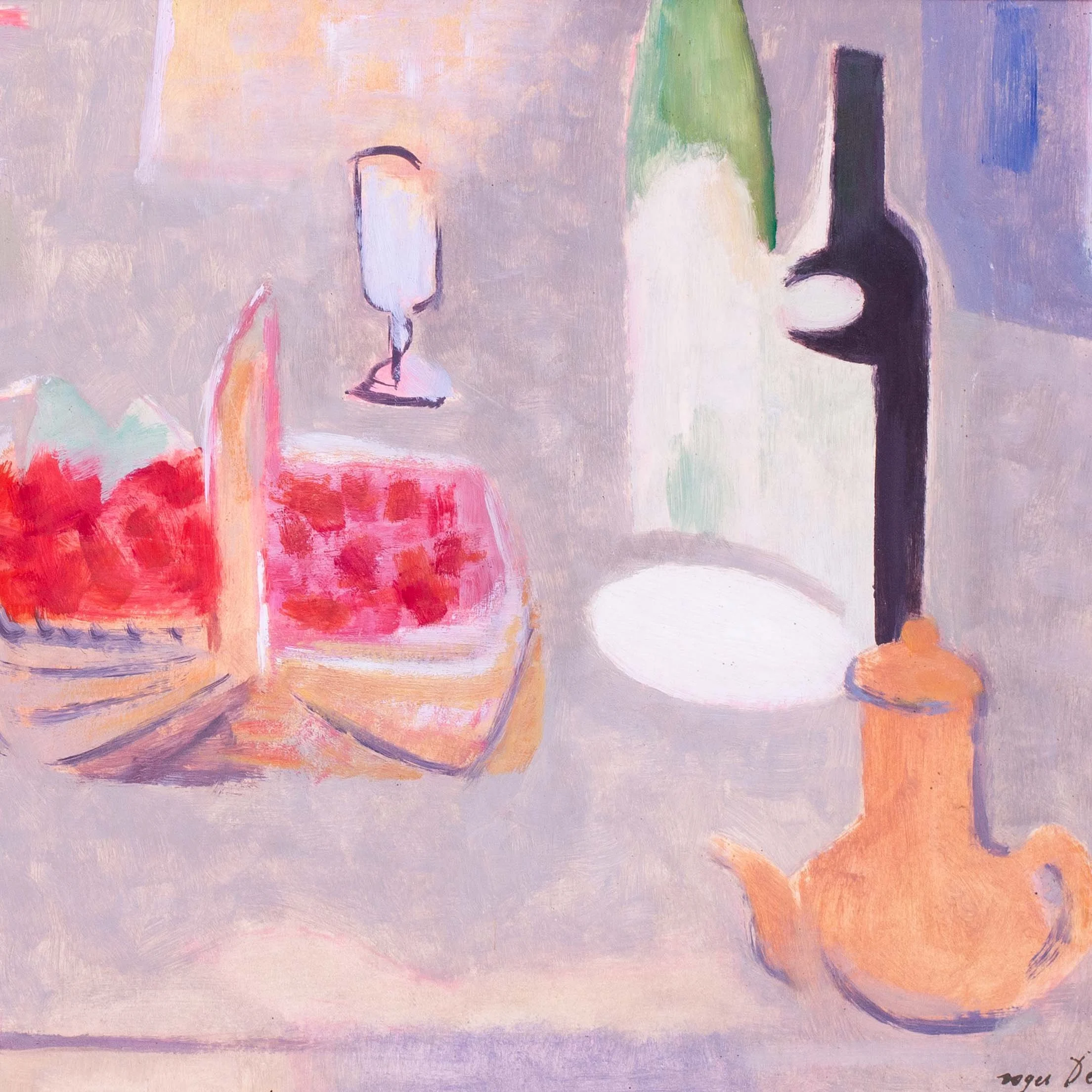
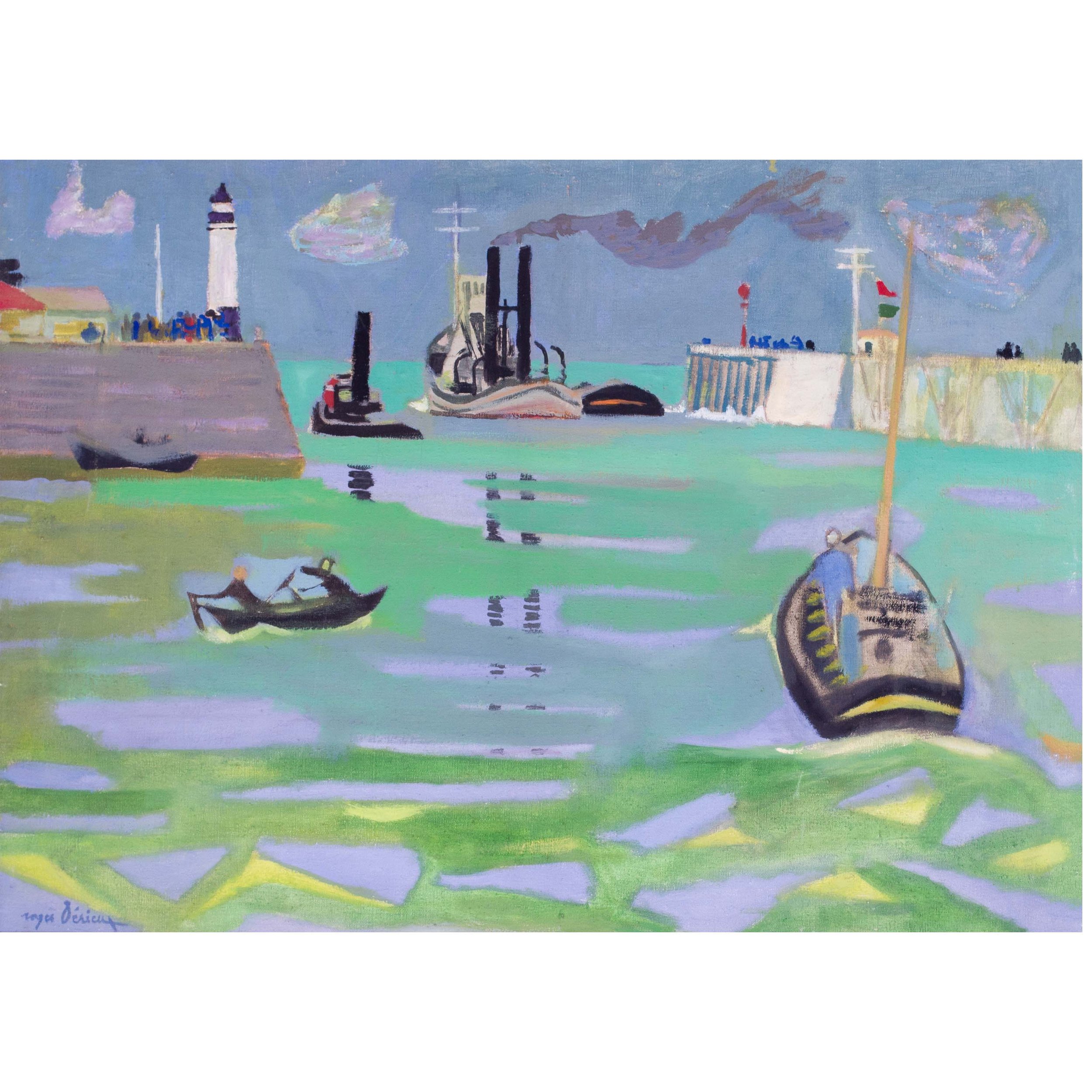
Roger Derieux (French 1922-2015)
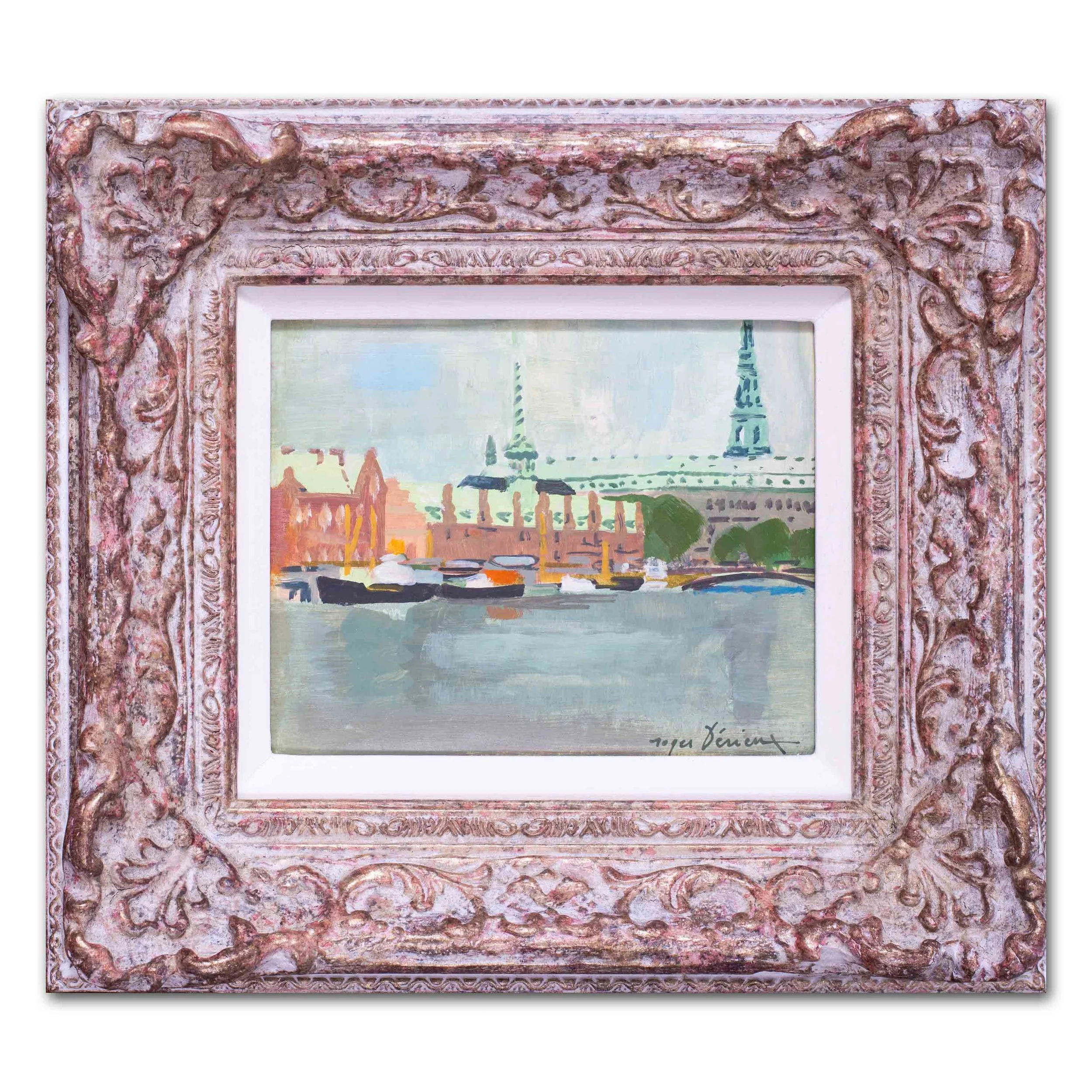
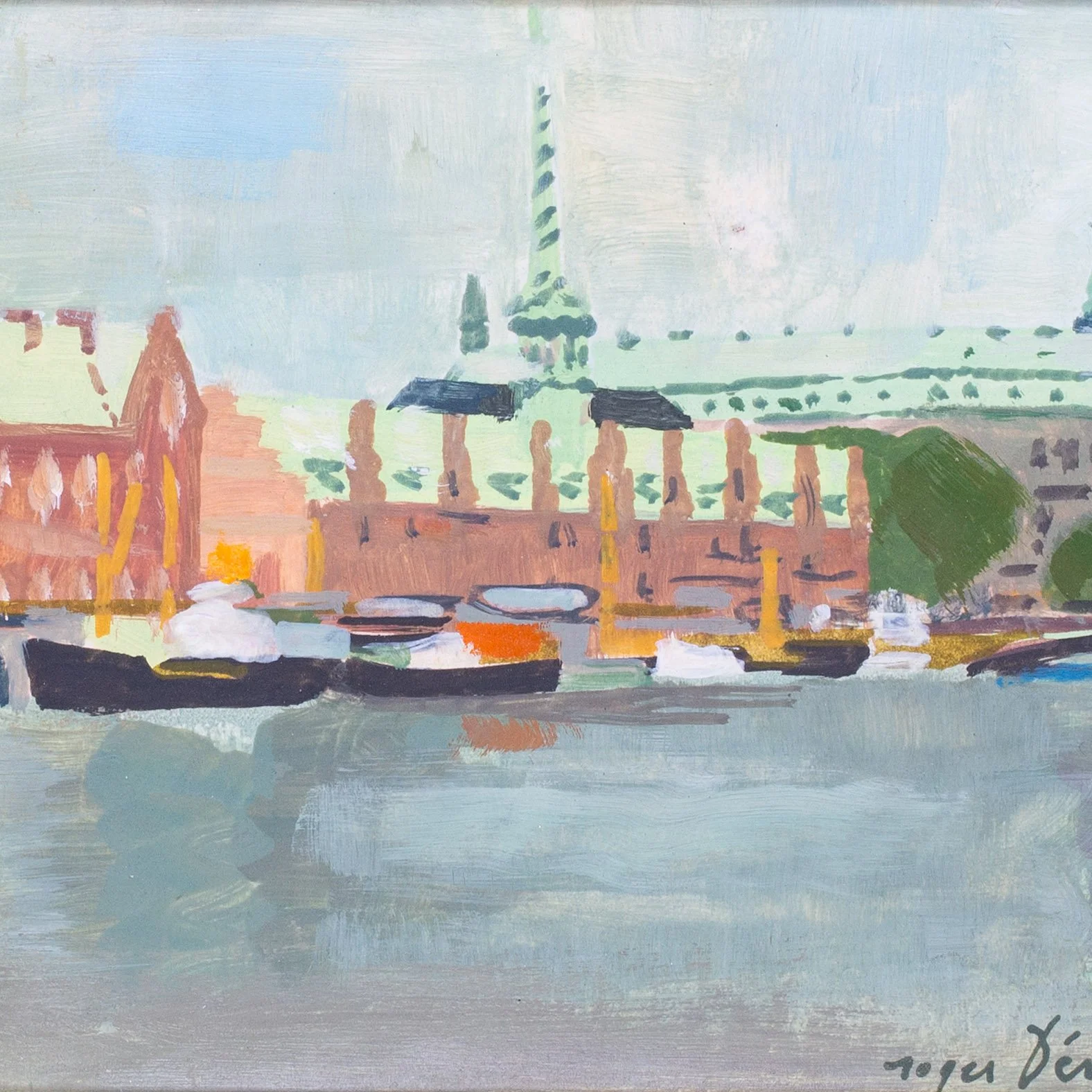
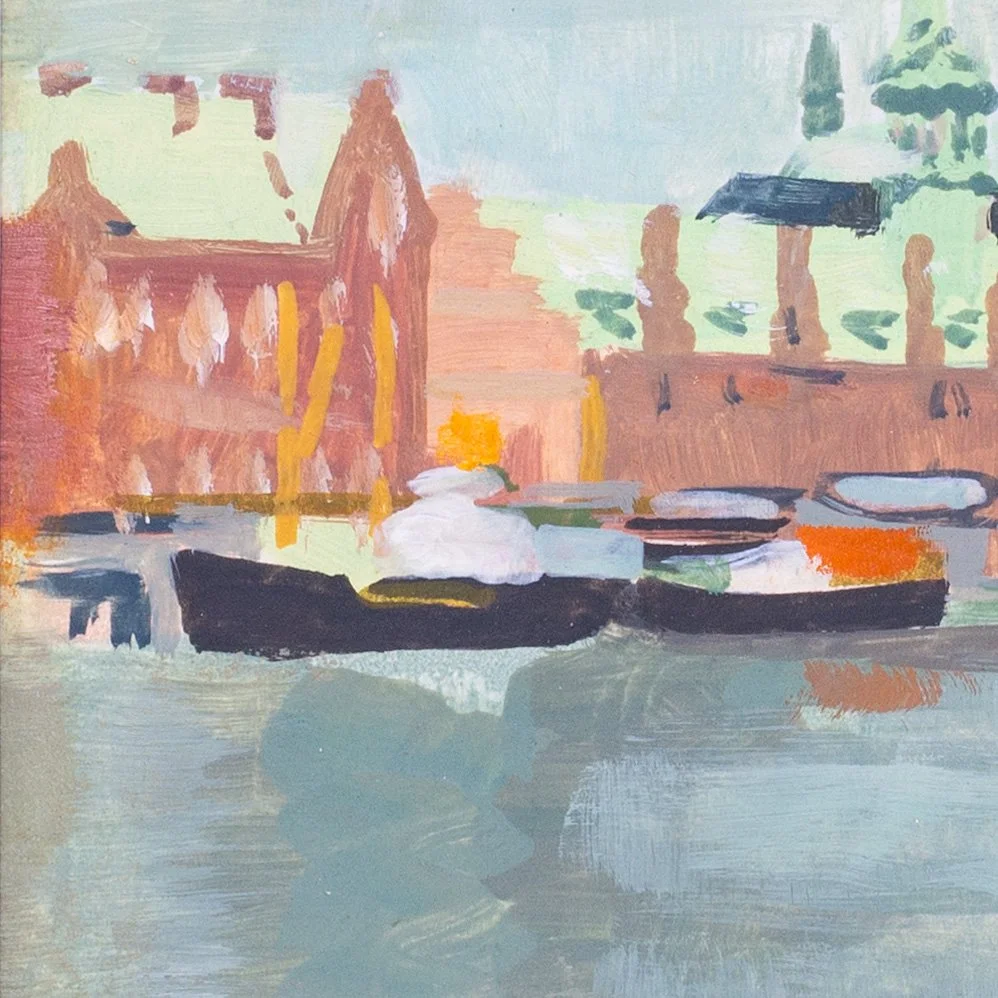
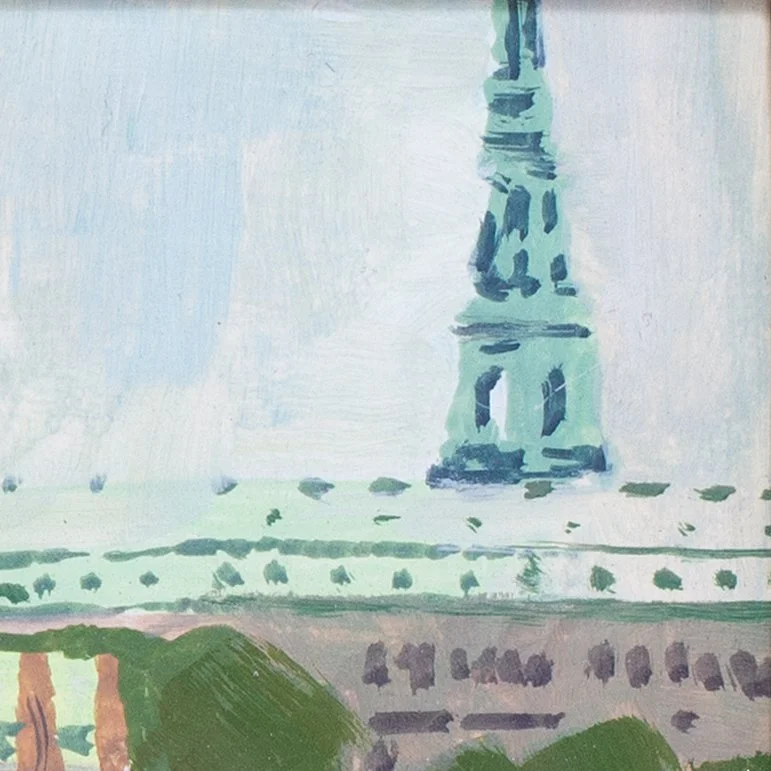
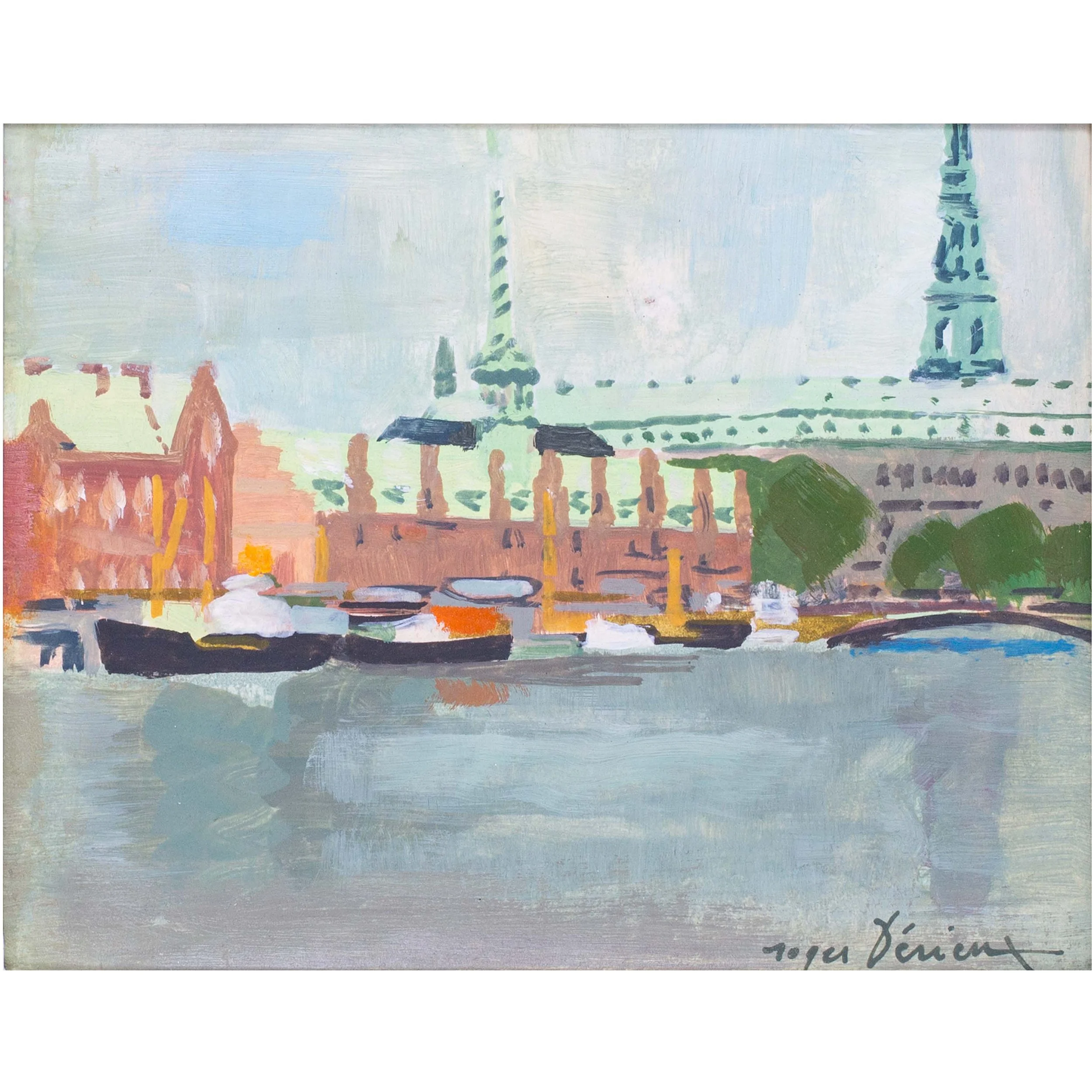
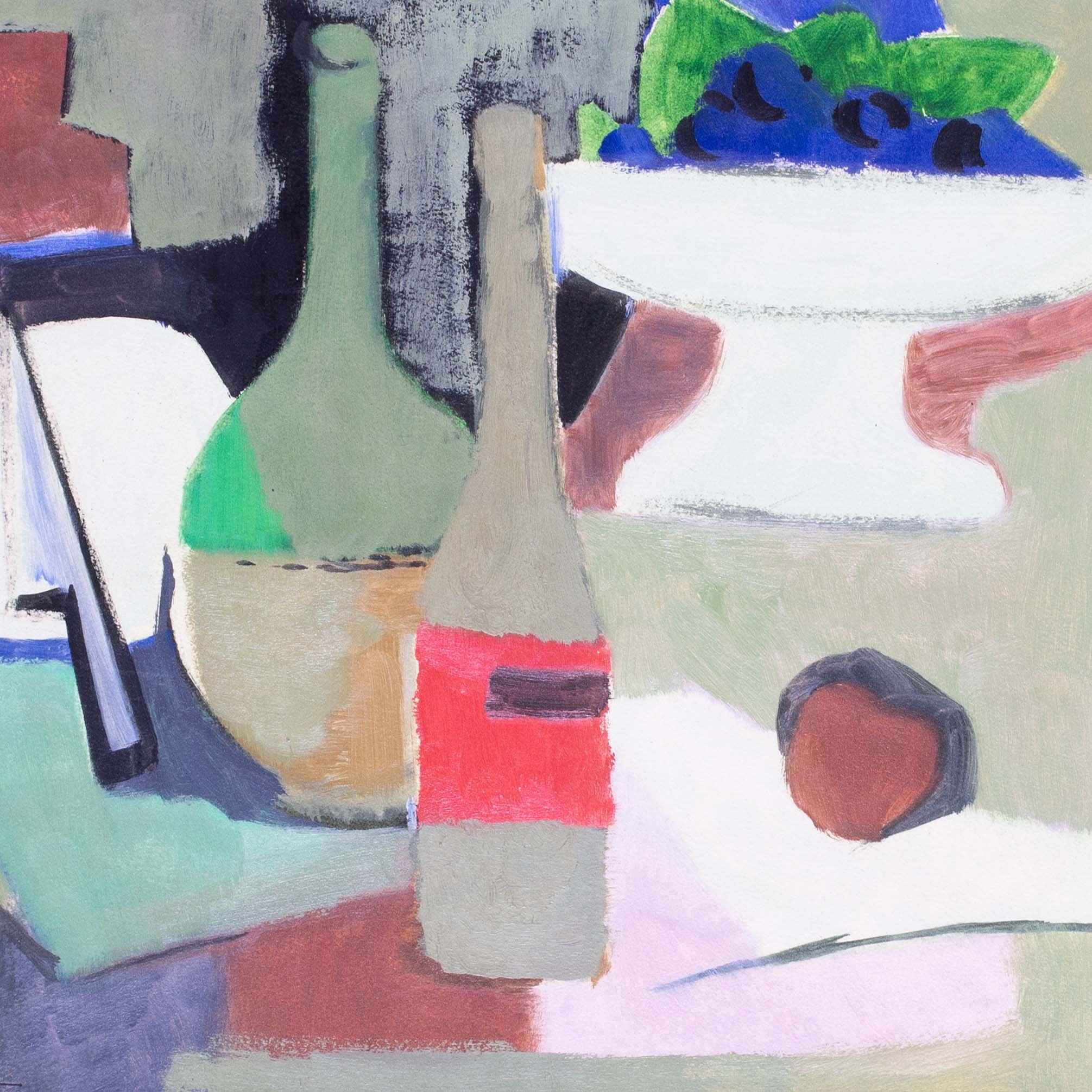
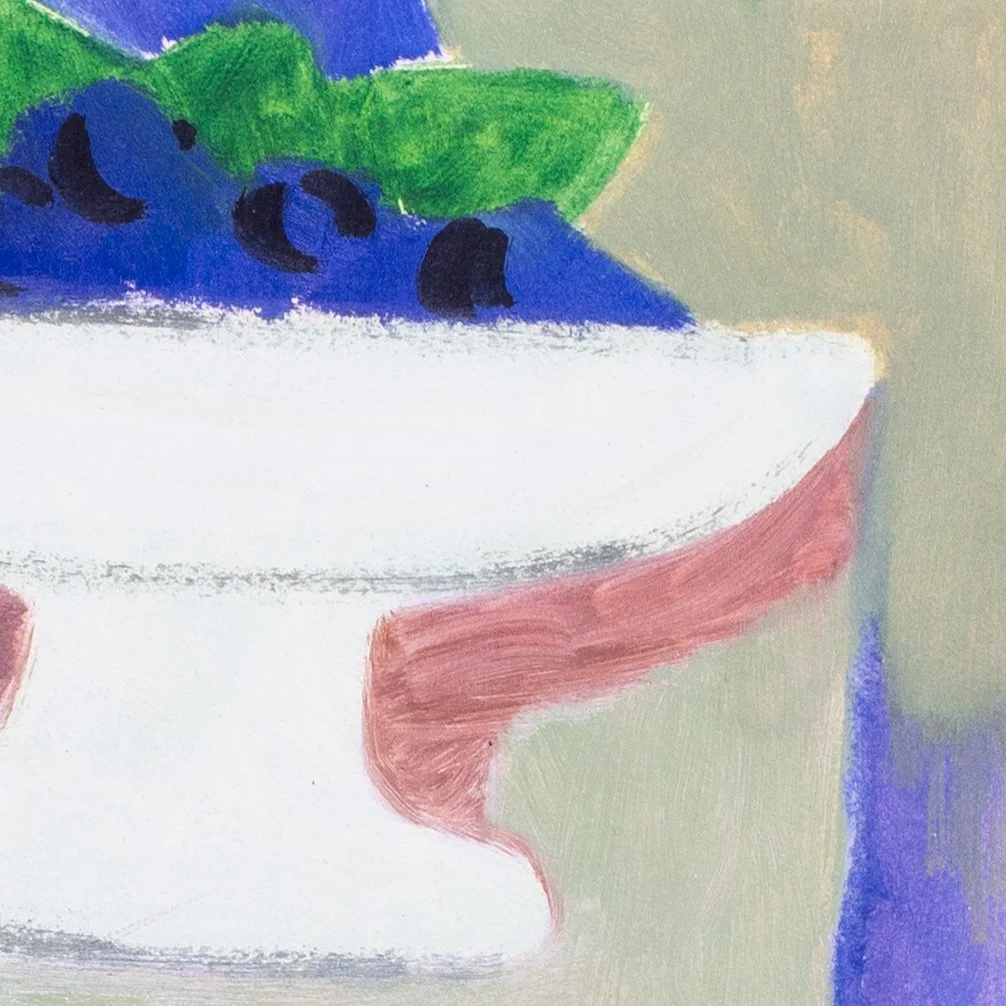
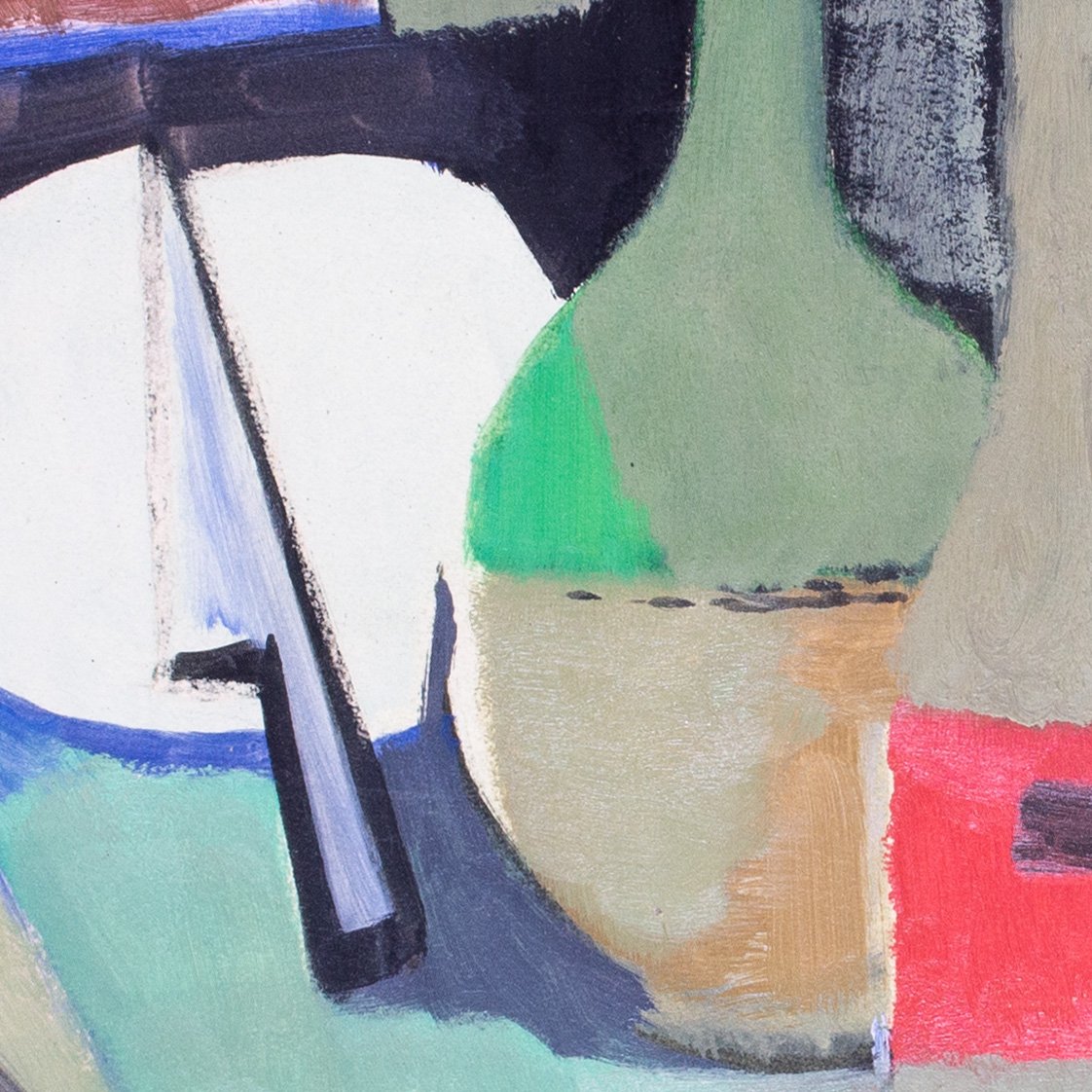
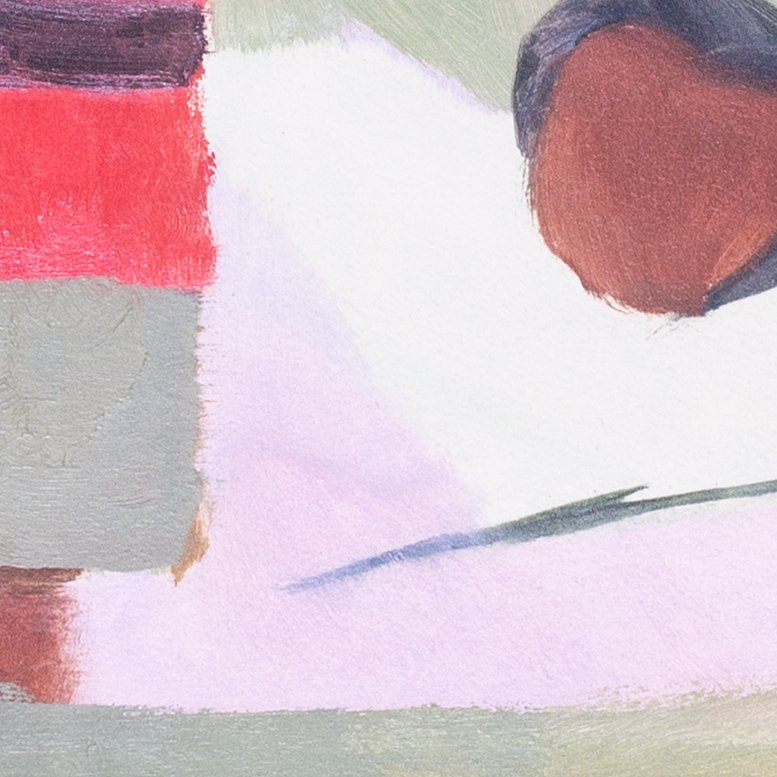
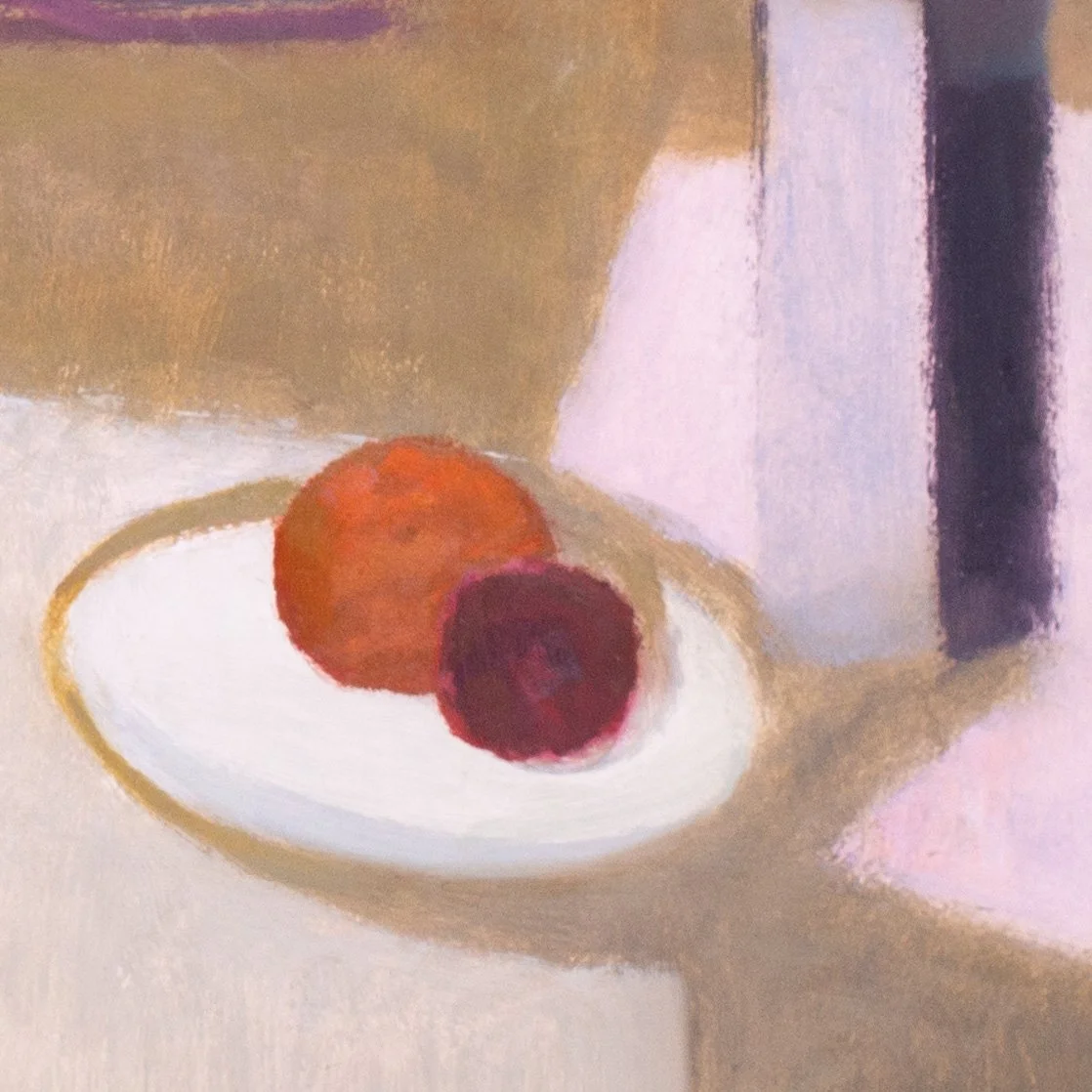
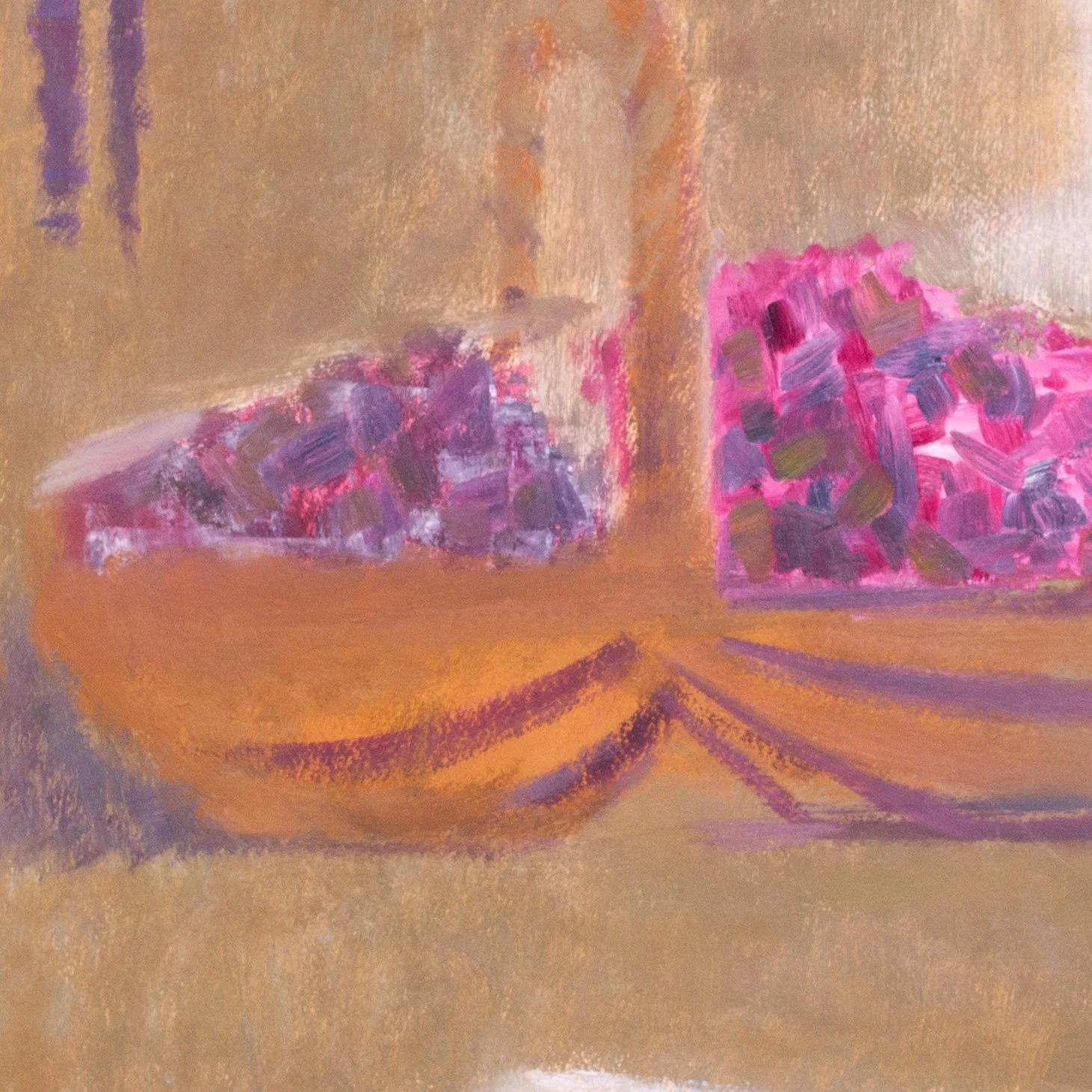
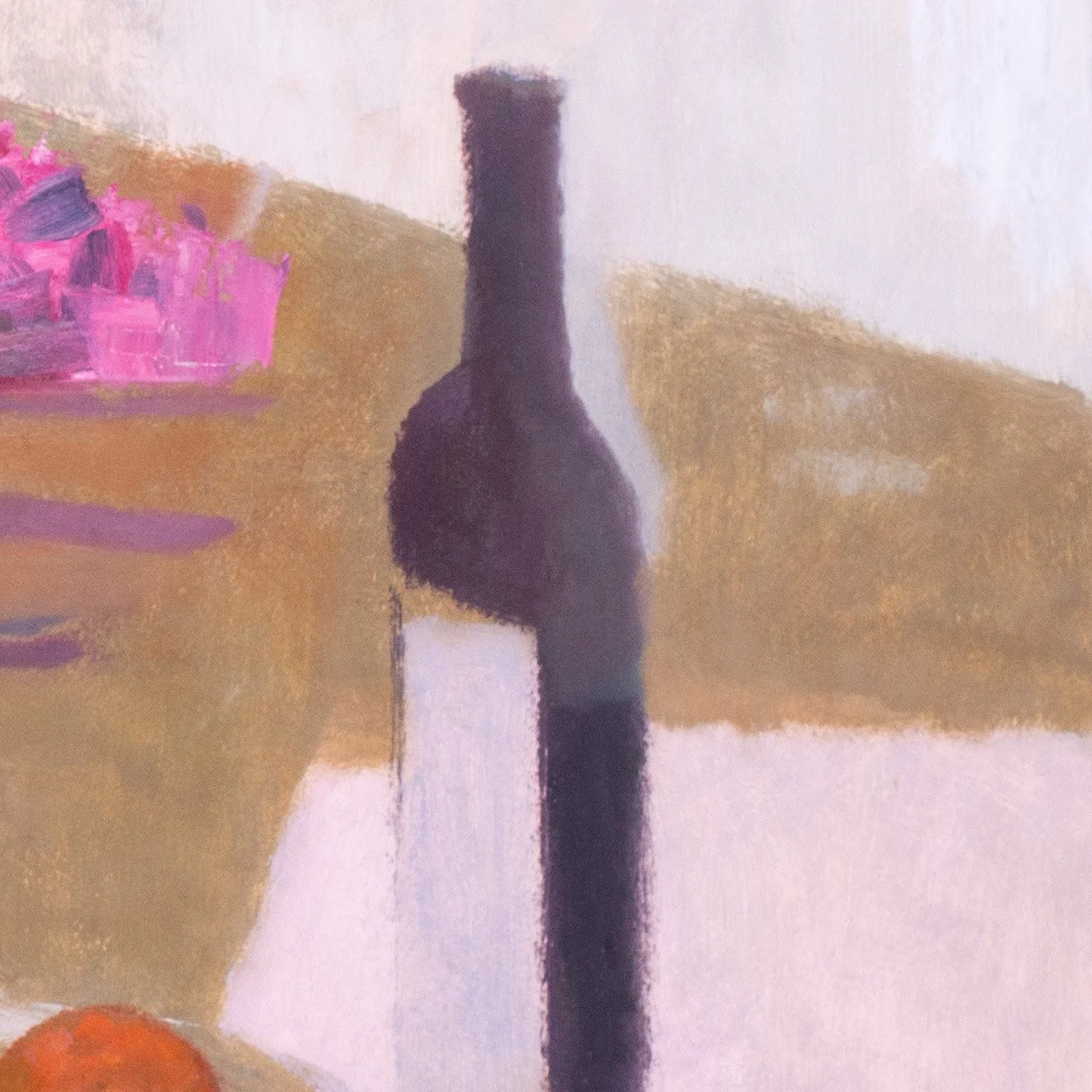
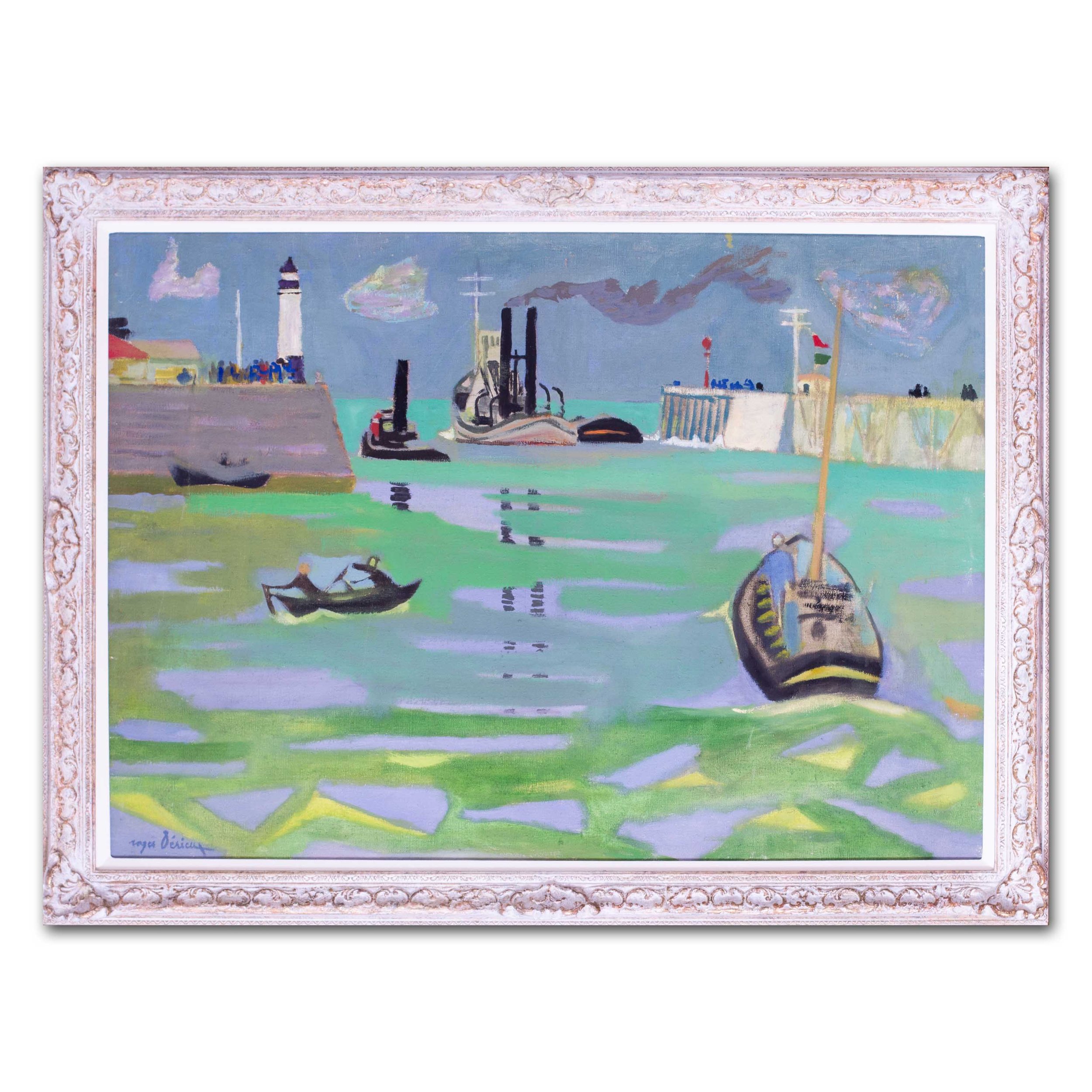
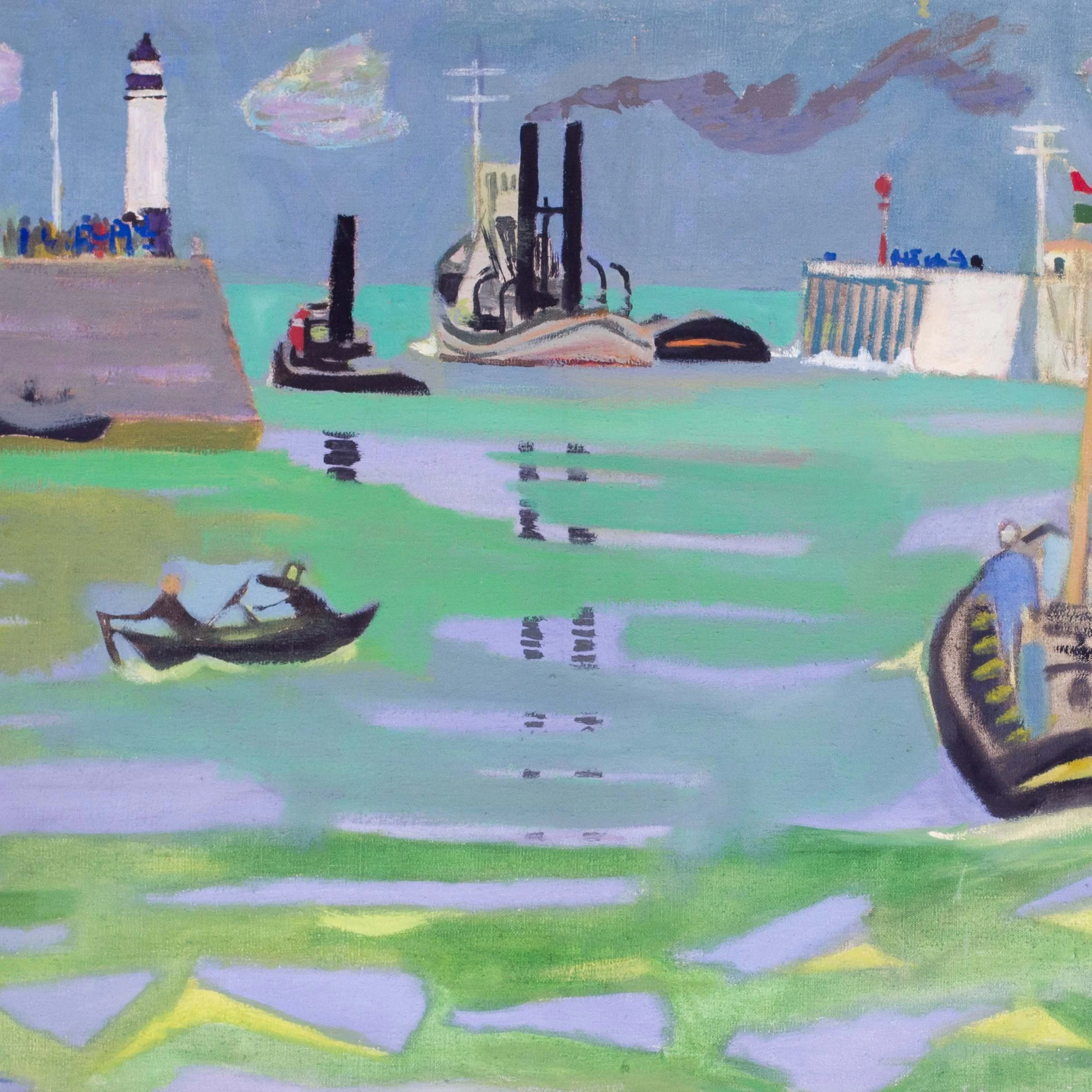
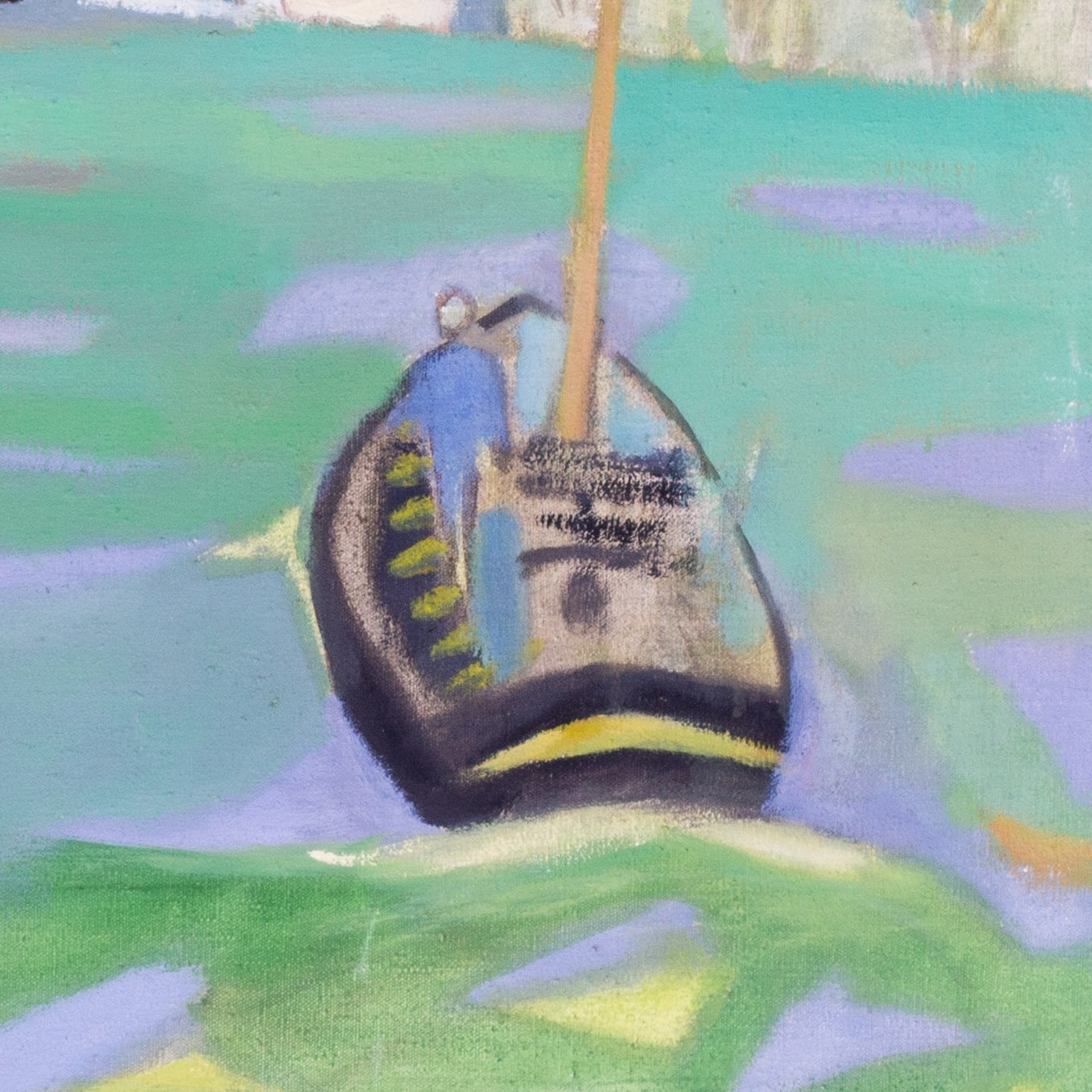
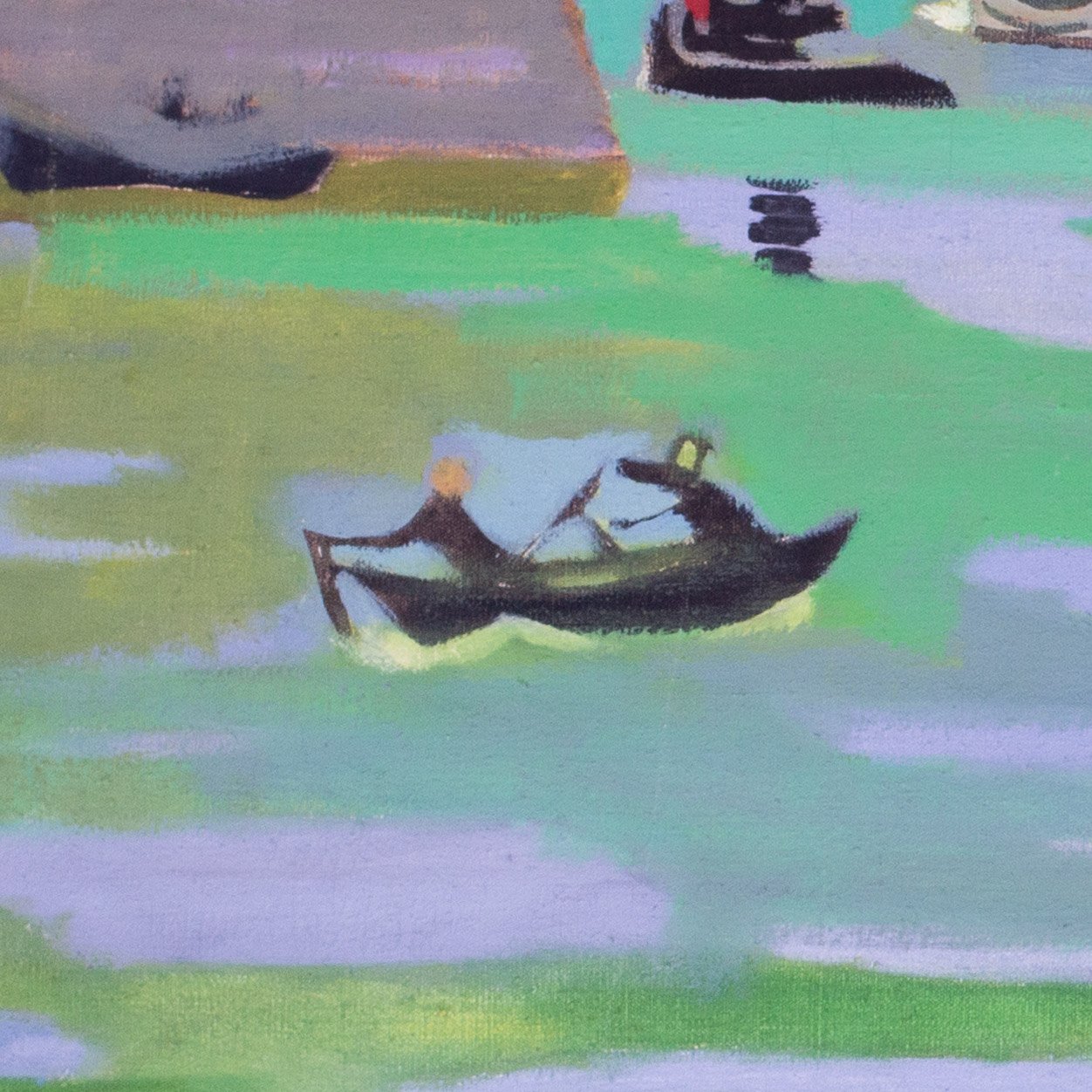
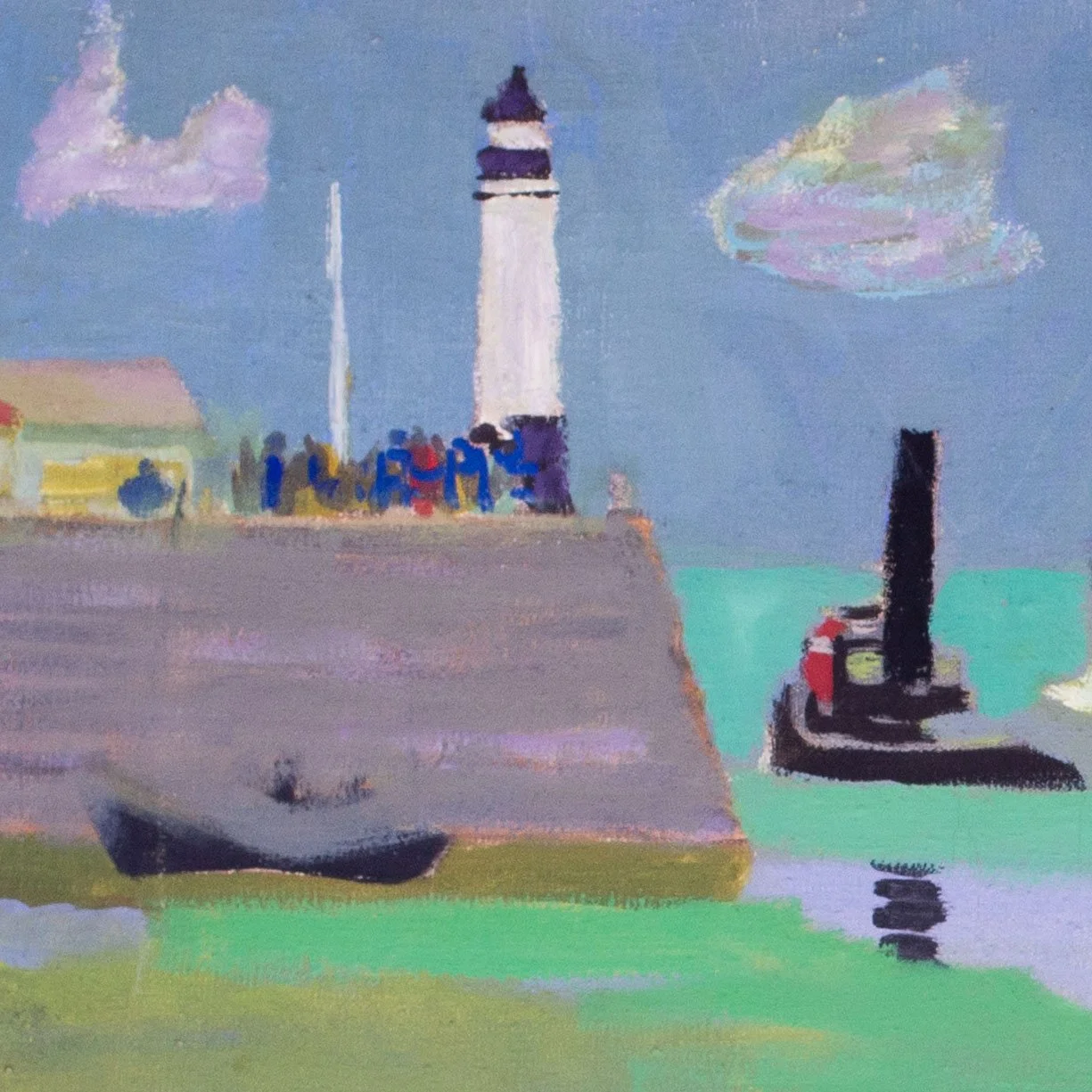
The Seine at Billancourt, 1953
oil on canvas
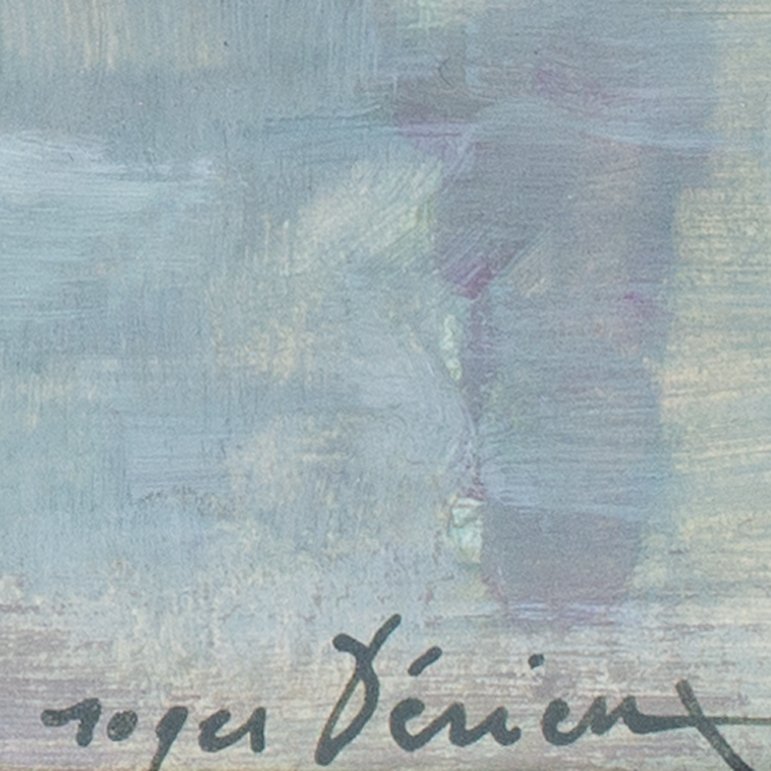
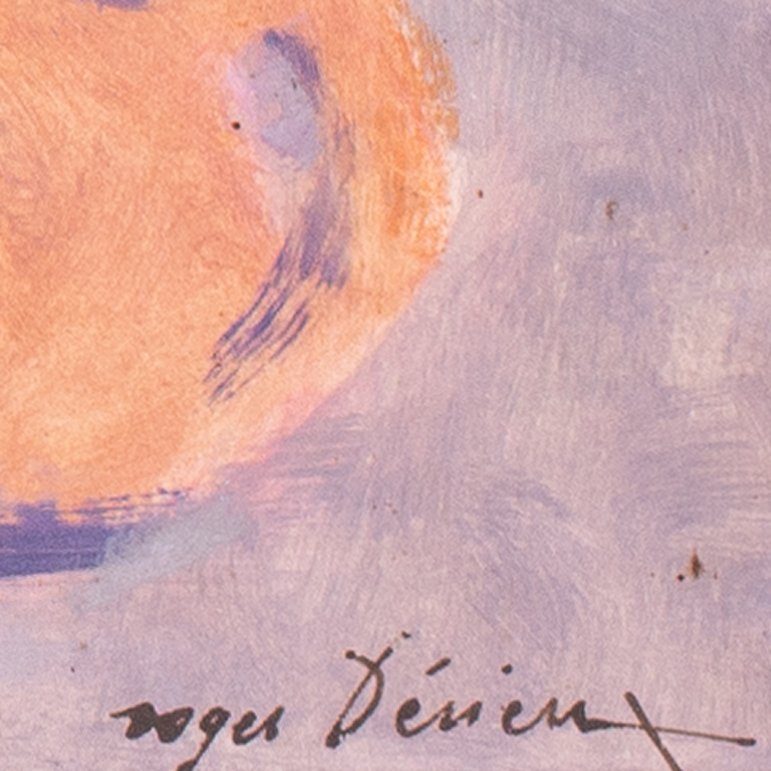
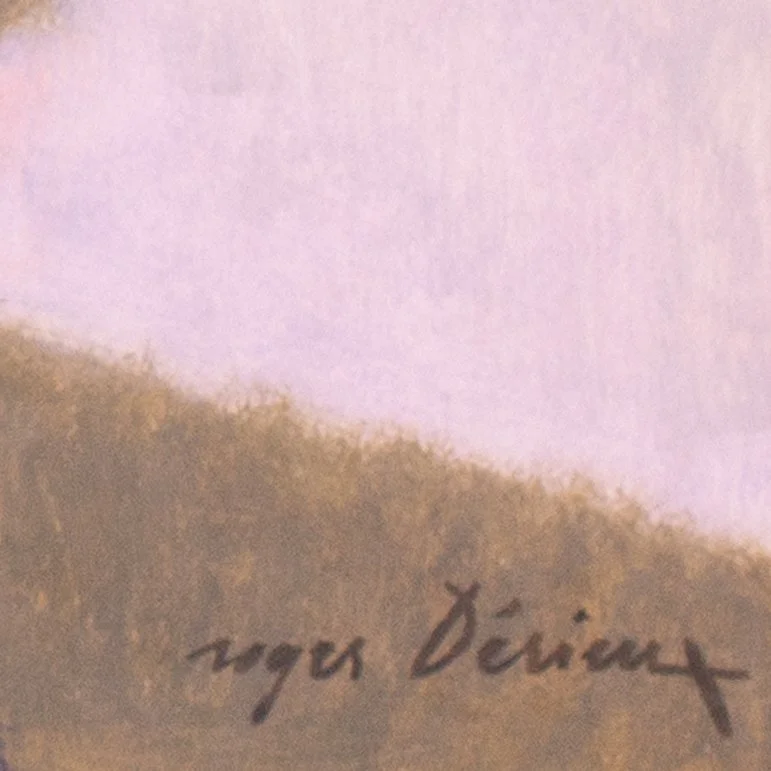
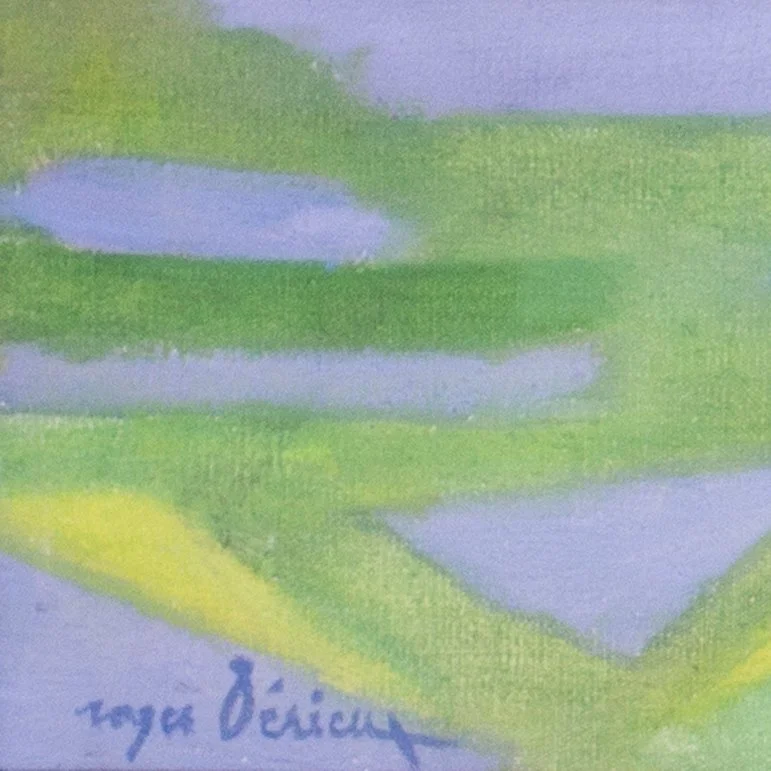
signed ‘Roger Derieux’ (lower right)
9.1/2 x 16.1/8 in. (24.2 x 41 cm.)
From the artist’s estate
Read more »
Roger Dérieux (French, 1922–2015) was a Paris-born painter whose career developed within the vibrant artistic circles of post-war France. He grew up in a literary and artistic environment and, in 1938, was introduced to Francis Picabia through Germaine Everling Picabia, a friend of his mother. The meeting made a lasting impression on the young Dérieux, and Picabia remained an important figure in his artistic world.
After studying at the Académie André Lhote, Dérieux began exhibiting in Paris and quickly became associated with the generation of painters who shaped post-war French art. In 1950, he was invited to participate in Levende Farver (“Living Colours”) in Copenhagen, a major survey of contemporary French painting in which he exhibited alongside Picasso, Braque, Matisse, Léger, Hartung, Soulages and Nicolas de Staël. As one of the youngest artists in the exhibition, this marked an important beginning to his international career.
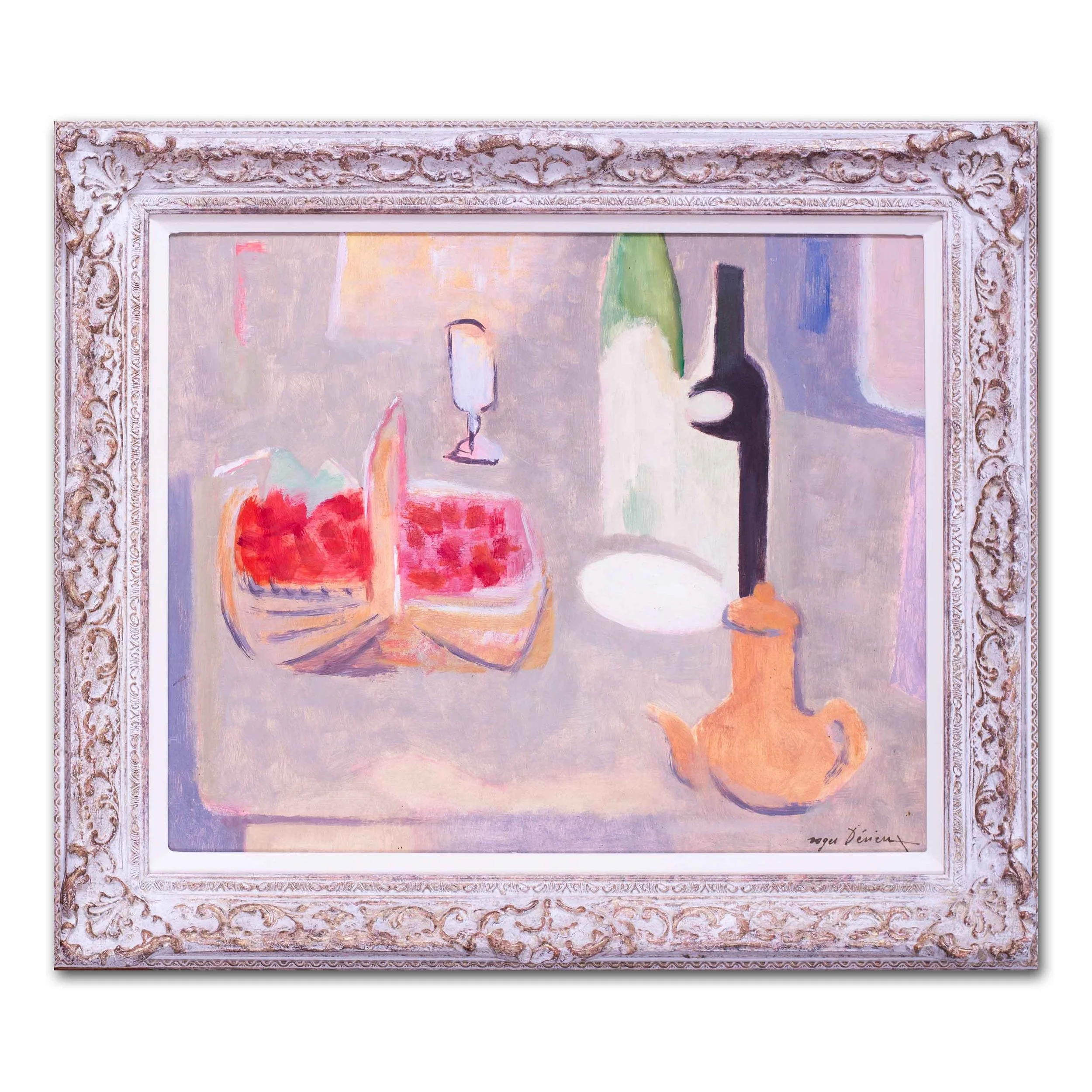
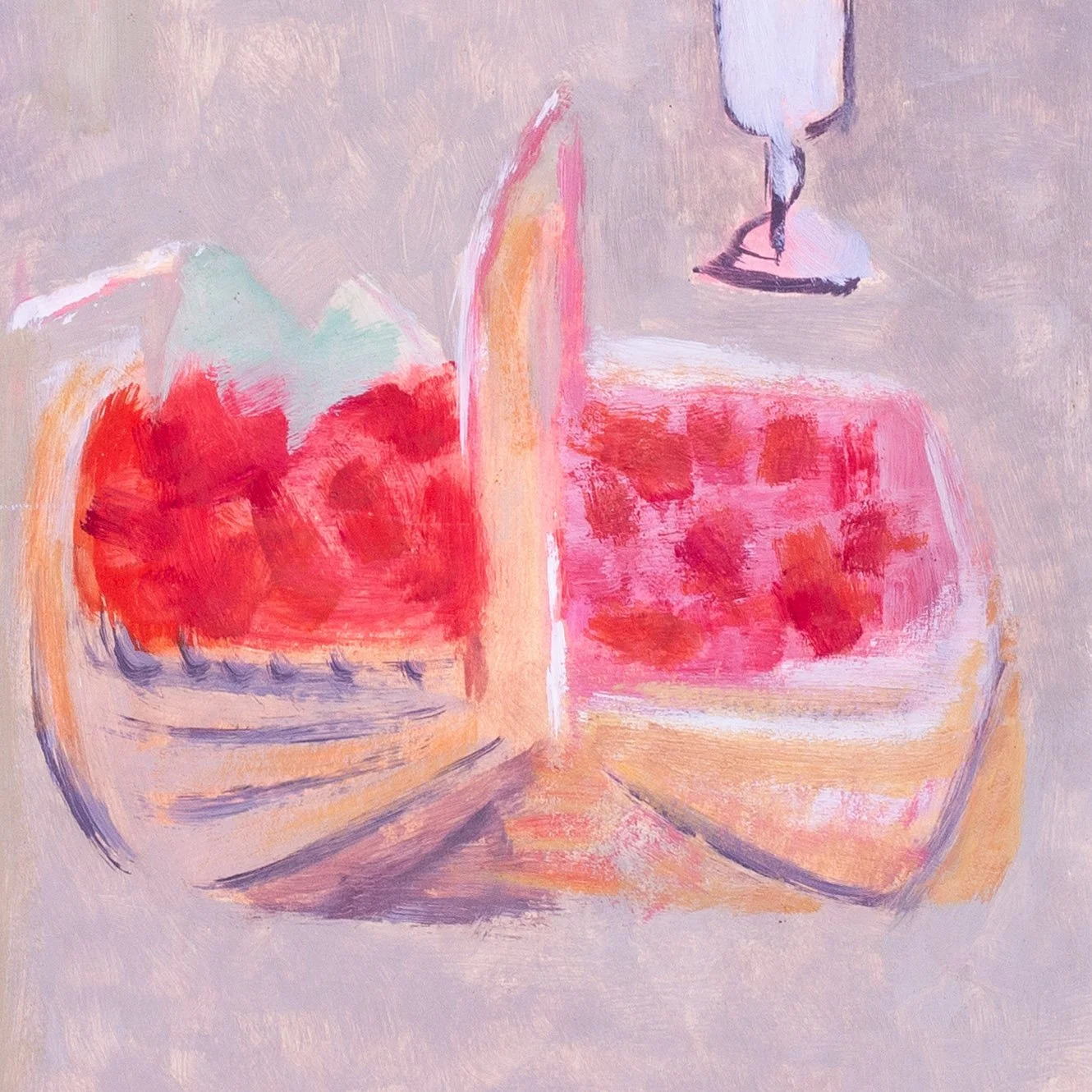
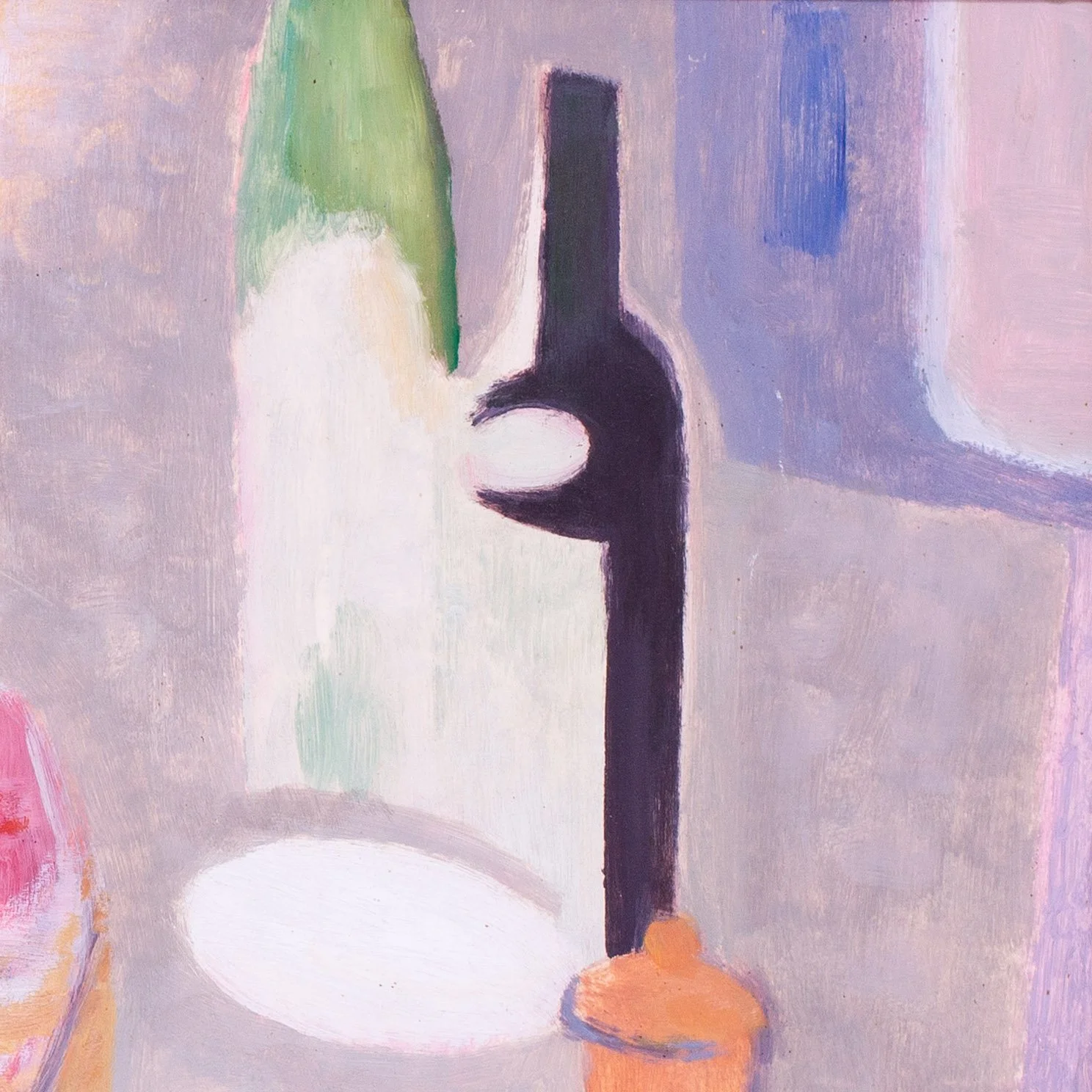
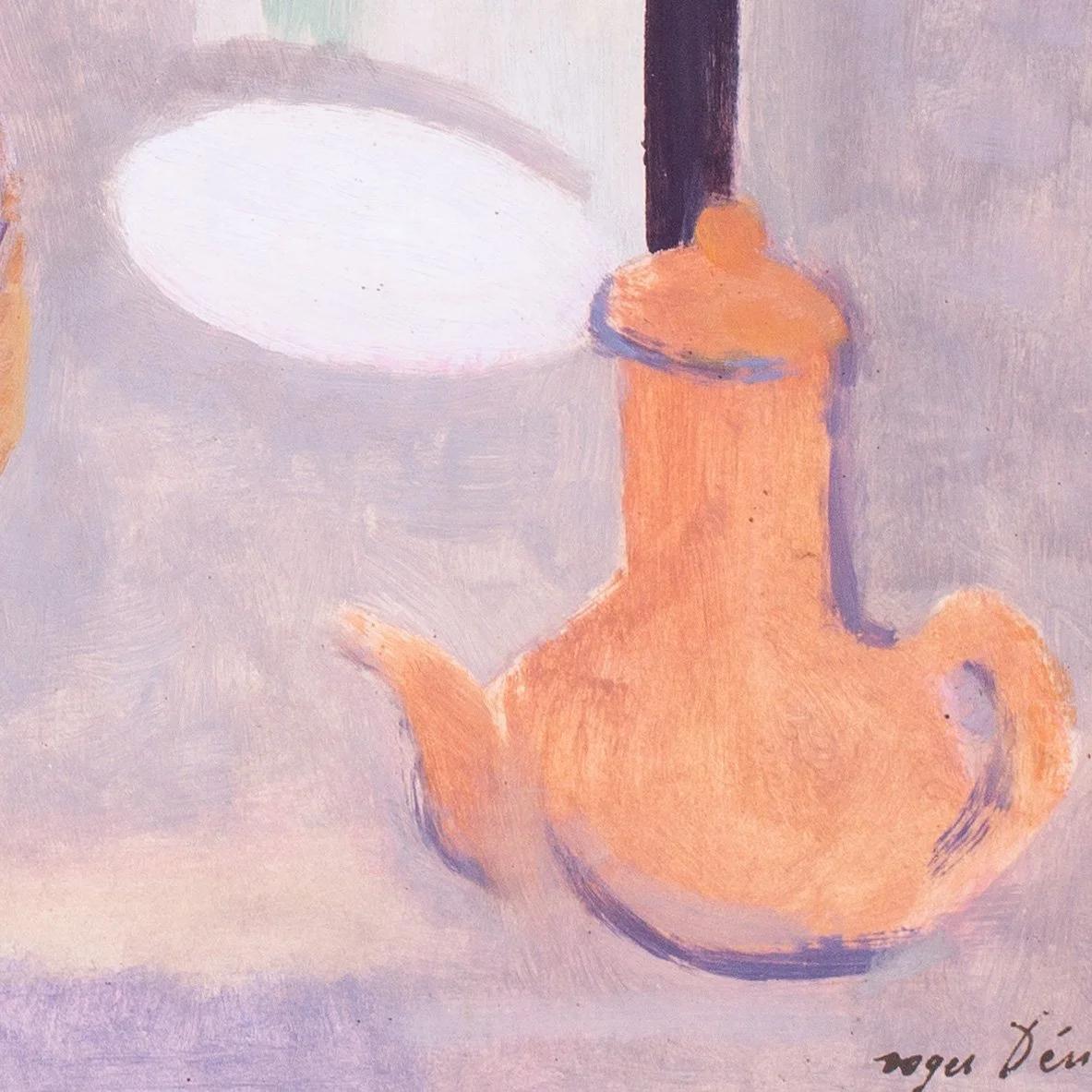
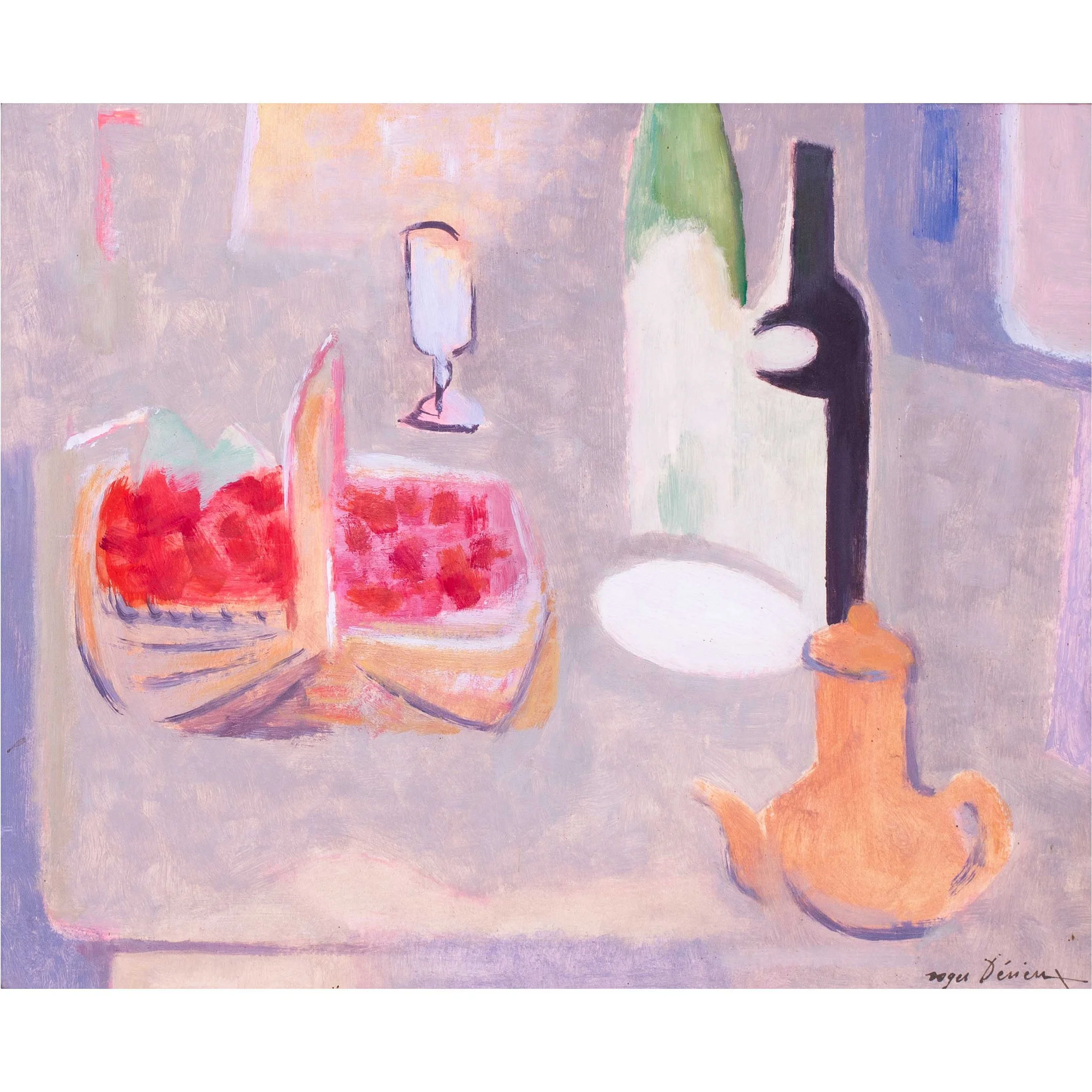
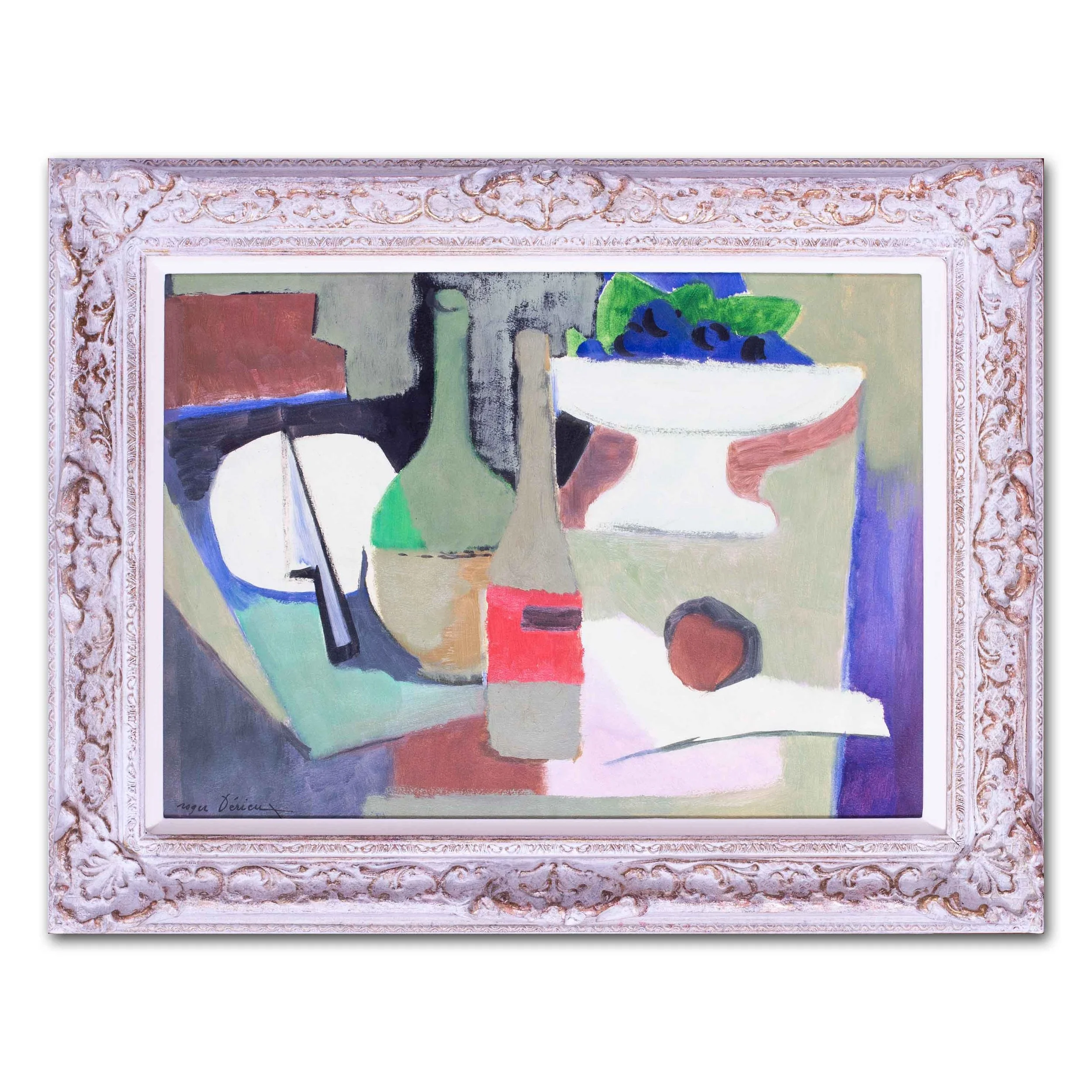
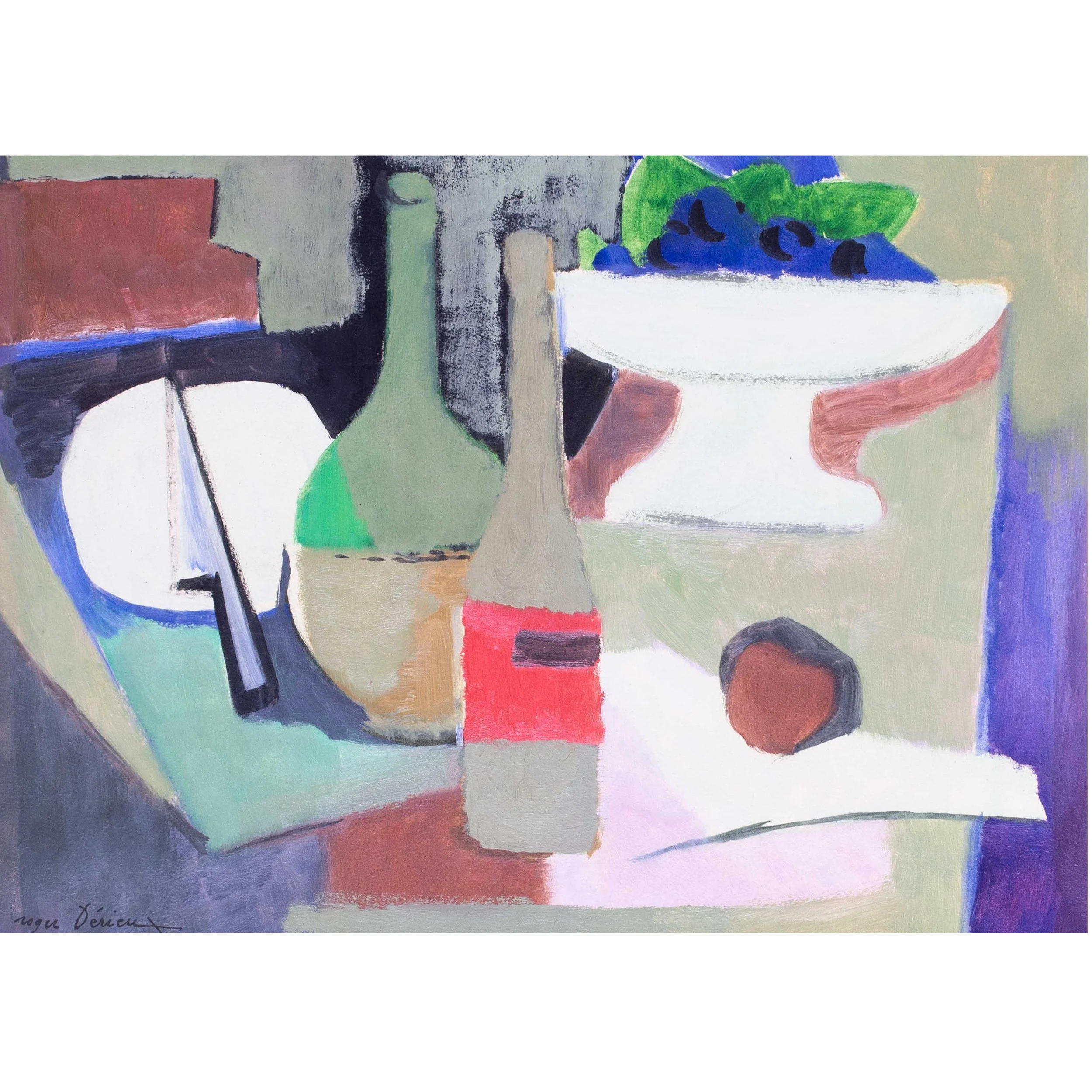
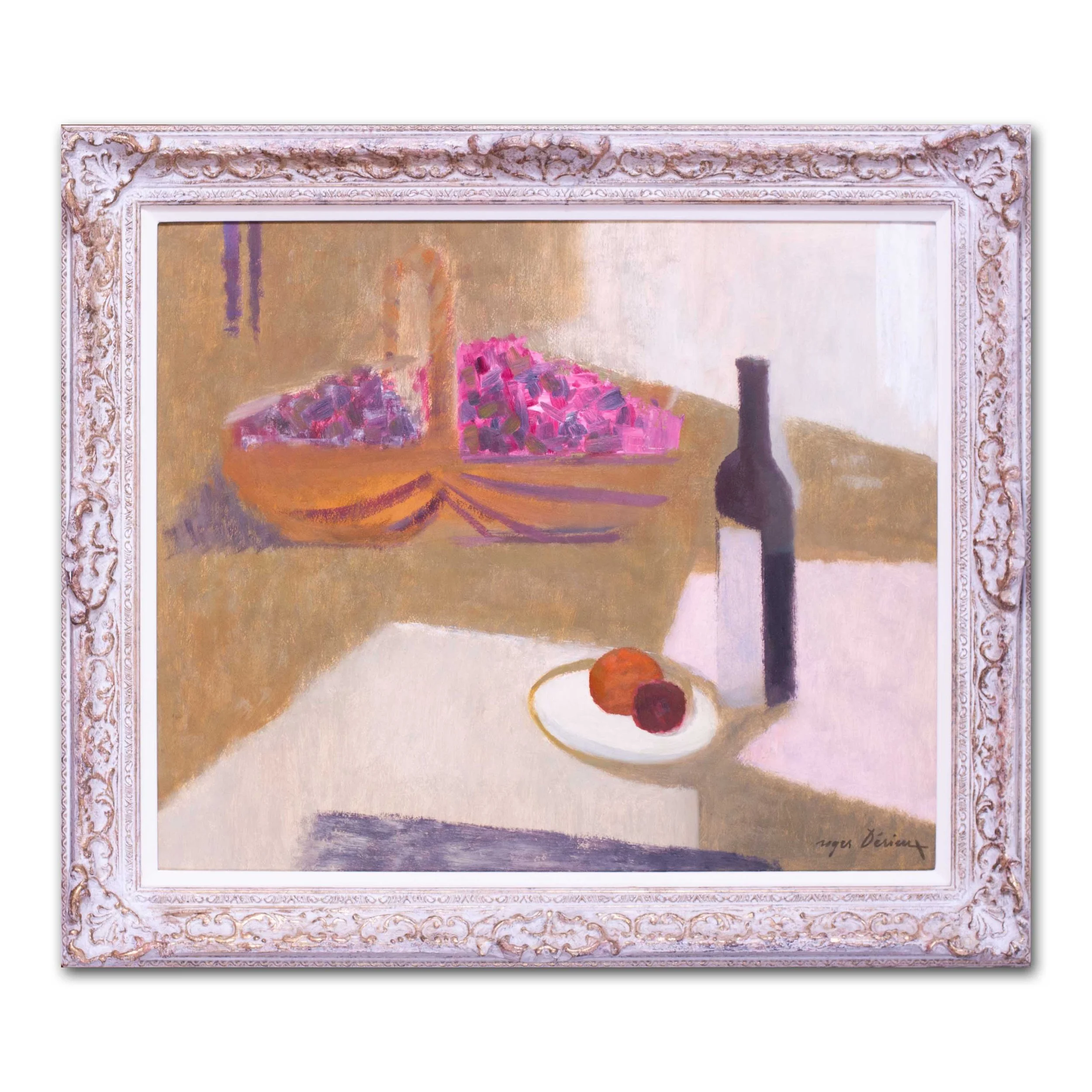
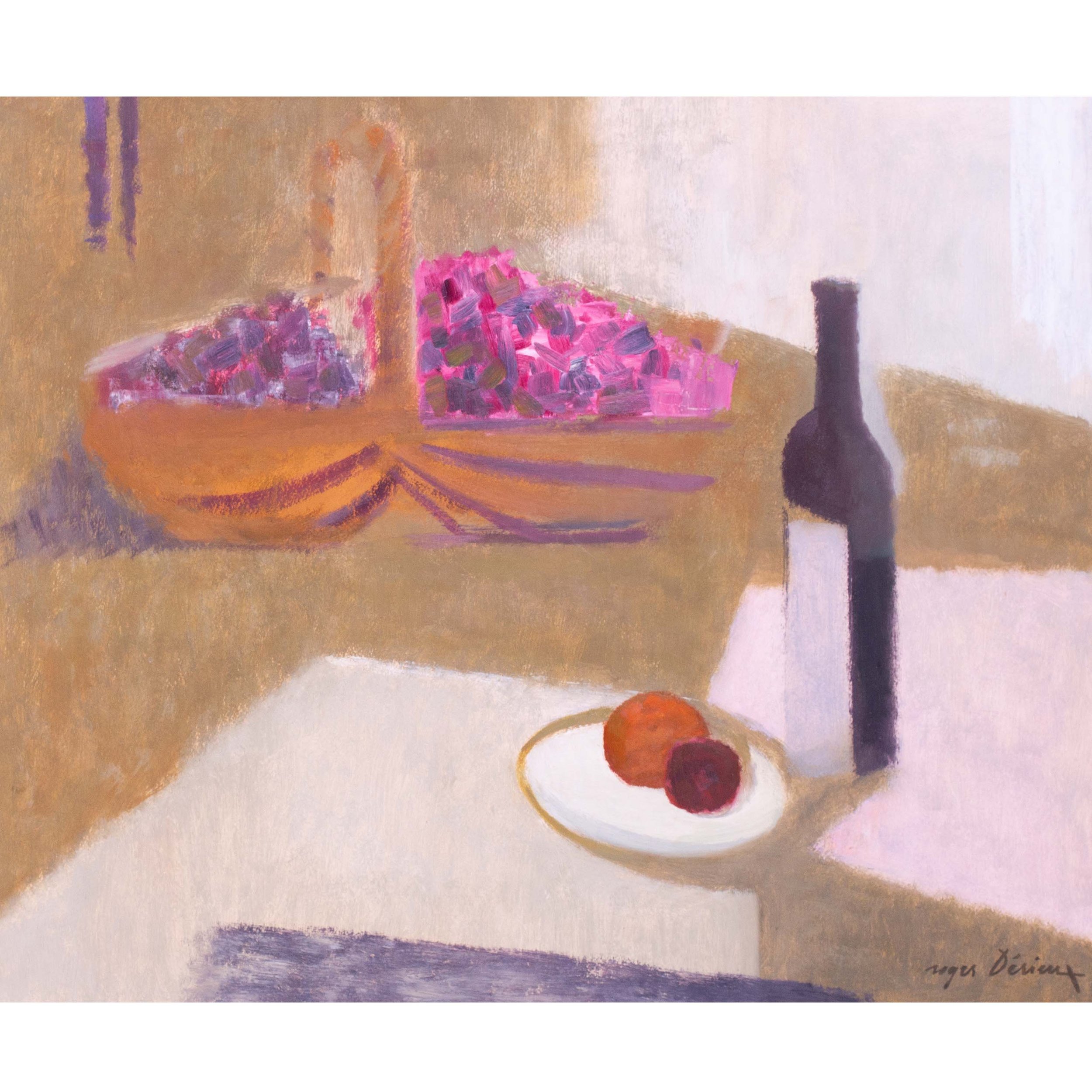
Dérieux's paintings of the 1950s and 1960s are particularly characteristic of his mature early style. Still lifes, landscapes and figures are reduced to simplified, lyrical forms, with an emphasis on colour, rhythm and harmony rather than literal description. His work occupies an interesting position between figuration and abstraction, sharing the period's interest in simplifying the visible world while retaining a strong sense of subject.
Throughout the post-war period Dérieux exhibited alongside artists including Olivier Debré, Serge Poliakoff, Pierre Soulages and Maurice Estève, while pursuing an independent artistic path. His work was shown widely in France and internationally, including in Copenhagen, Stockholm, Oslo, New York and Montevideo. A major retrospective, Roger Dérieux, peintures, collages, couleurs vivantes, was held at the Musée Henri-Martin in Cahors in 2012–13, bringing together works spanning his long career.
Dérieux continued to develop his language throughout his life, moving increasingly towards abstraction and, from the 1980s, incorporating collage as an extension of his painting. He died in 2015, leaving behind a body of work distinguished by its lyrical colour, economy of form and quiet independence.
Roger Derieux (French 1922-2015)
The Seine at Billancourt, 1953
oil on canvas
signed ‘Roger Derieux’ (lower right)
9.1/2 x 16.1/8 in. (24.2 x 41 cm.)
From the artist’s estate
Read more »
Roger Dérieux (French, 1922–2015) was a Paris-born painter whose career developed within the vibrant artistic circles of post-war France. He grew up in a literary and artistic environment and, in 1938, was introduced to Francis Picabia through Germaine Everling Picabia, a friend of his mother. The meeting made a lasting impression on the young Dérieux, and Picabia remained an important figure in his artistic world.
After studying at the Académie André Lhote, Dérieux began exhibiting in Paris and quickly became associated with the generation of painters who shaped post-war French art. In 1950, he was invited to participate in Levende Farver (“Living Colours”) in Copenhagen, a major survey of contemporary French painting in which he exhibited alongside Picasso, Braque, Matisse, Léger, Hartung, Soulages and Nicolas de Staël. As one of the youngest artists in the exhibition, this marked an important beginning to his international career.
Dérieux's paintings of the 1950s and 1960s are particularly characteristic of his mature early style. Still lifes, landscapes and figures are reduced to simplified, lyrical forms, with an emphasis on colour, rhythm and harmony rather than literal description. His work occupies an interesting position between figuration and abstraction, sharing the period's interest in simplifying the visible world while retaining a strong sense of subject.
Throughout the post-war period Dérieux exhibited alongside artists including Olivier Debré, Serge Poliakoff, Pierre Soulages and Maurice Estève, while pursuing an independent artistic path. His work was shown widely in France and internationally, including in Copenhagen, Stockholm, Oslo, New York and Montevideo. A major retrospective, Roger Dérieux, peintures, collages, couleurs vivantes, was held at the Musée Henri-Martin in Cahors in 2012–13, bringing together works spanning his long career.
Dérieux continued to develop his language throughout his life, moving increasingly towards abstraction and, from the 1980s, incorporating collage as an extension of his painting. He died in 2015, leaving behind a body of work distinguished by its lyrical colour, economy of form and quiet independence.

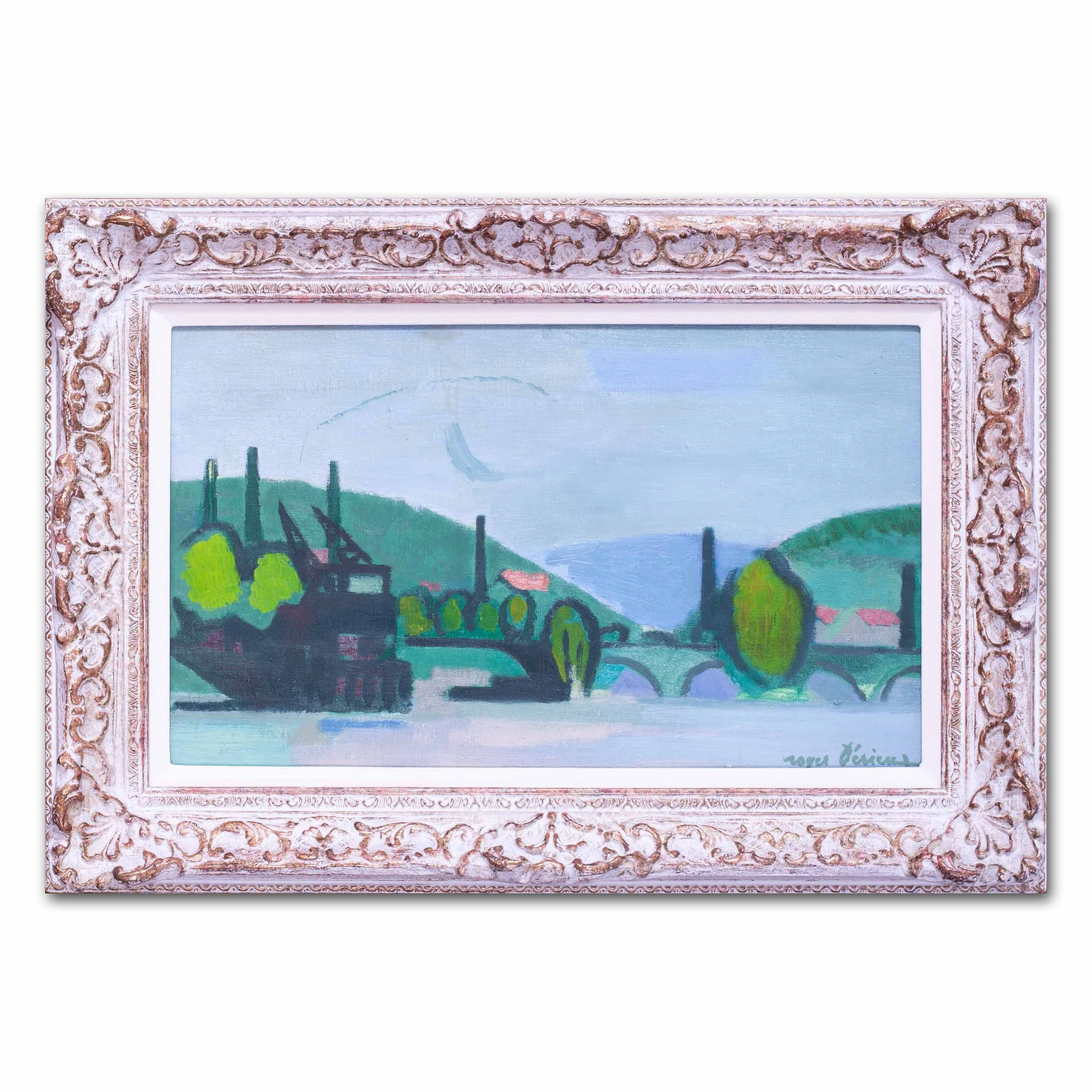 Image 1 of 8
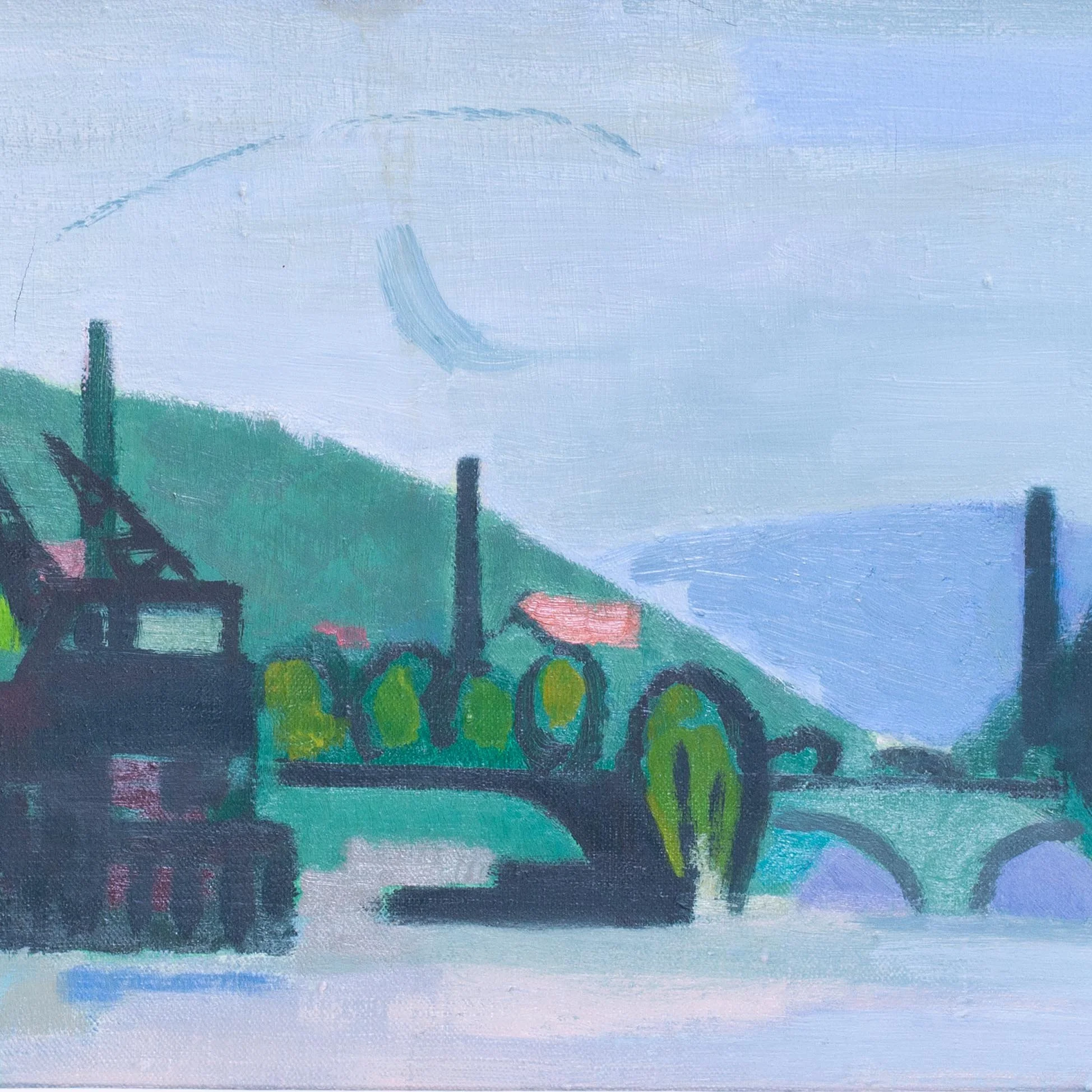 Image 2 of 8
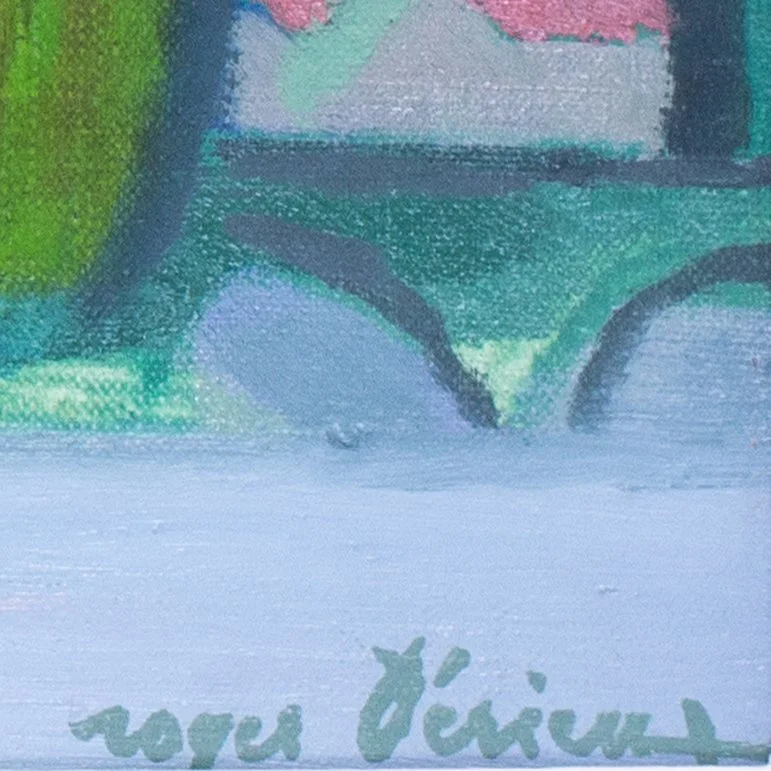 Image 3 of 8
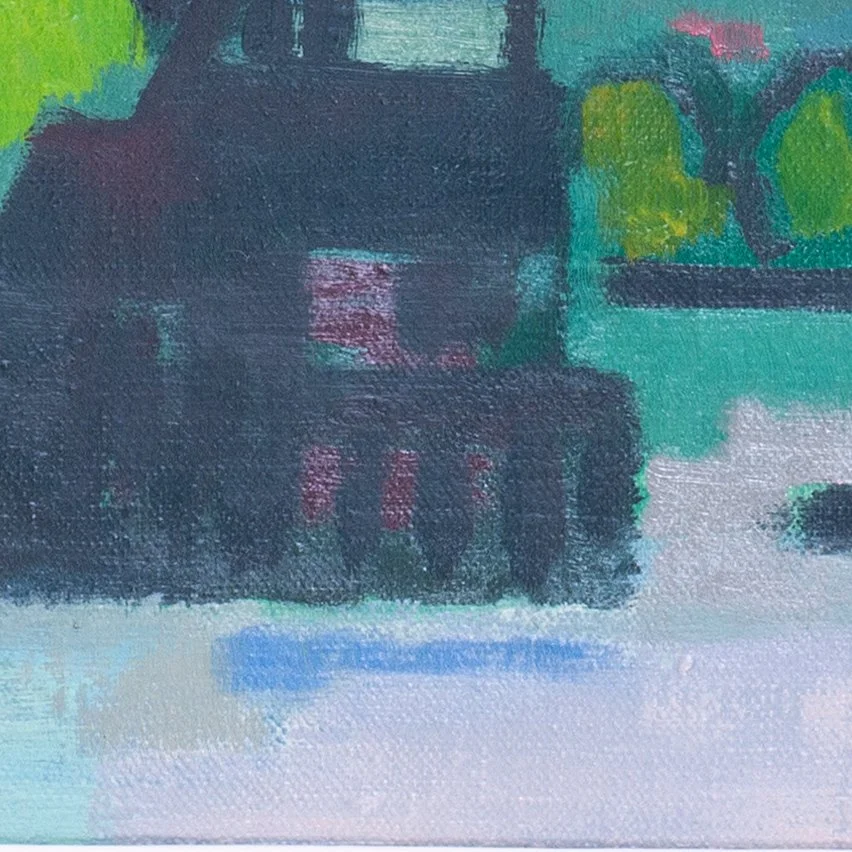 Image 4 of 8
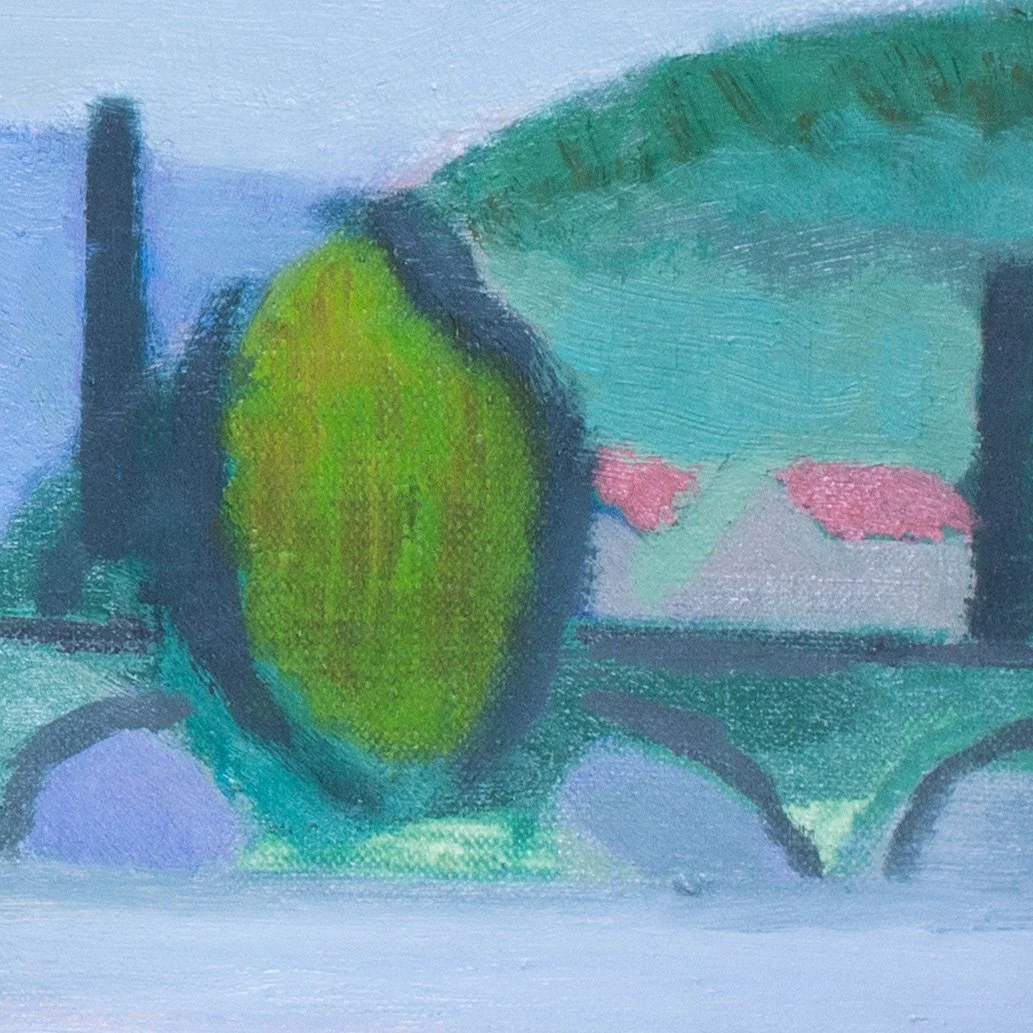 Image 5 of 8
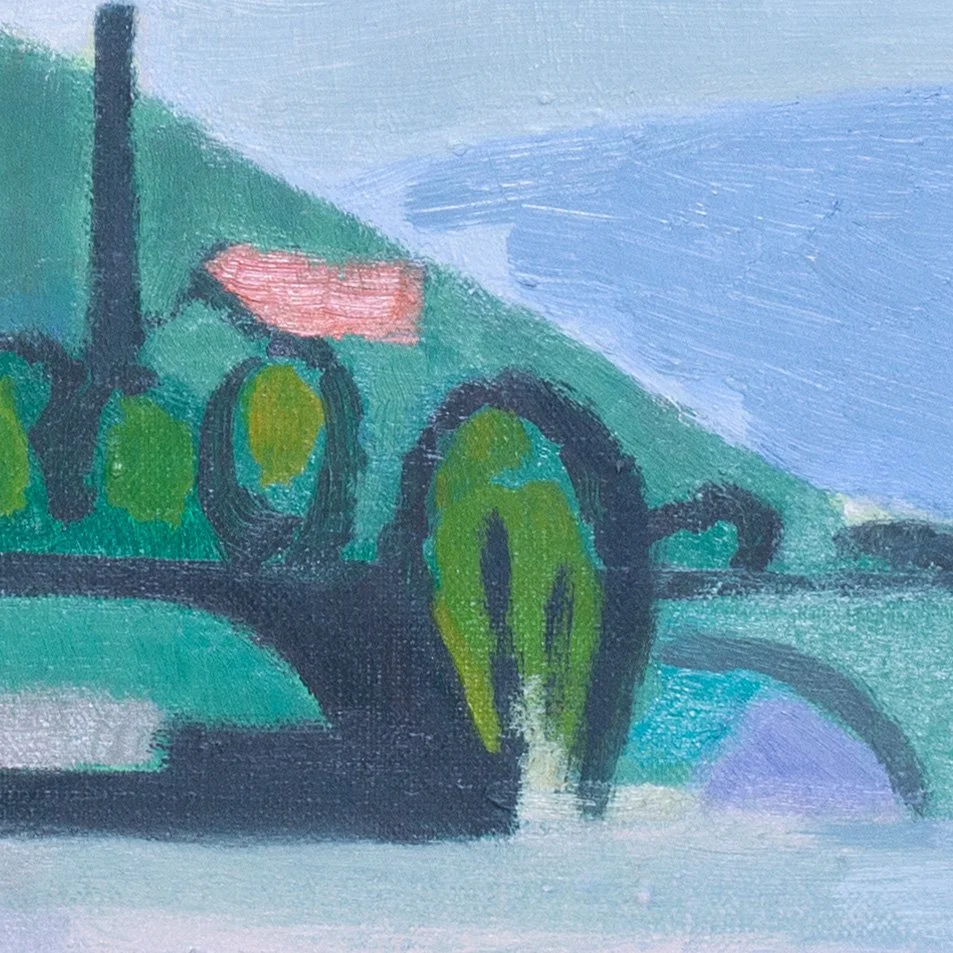 Image 6 of 8
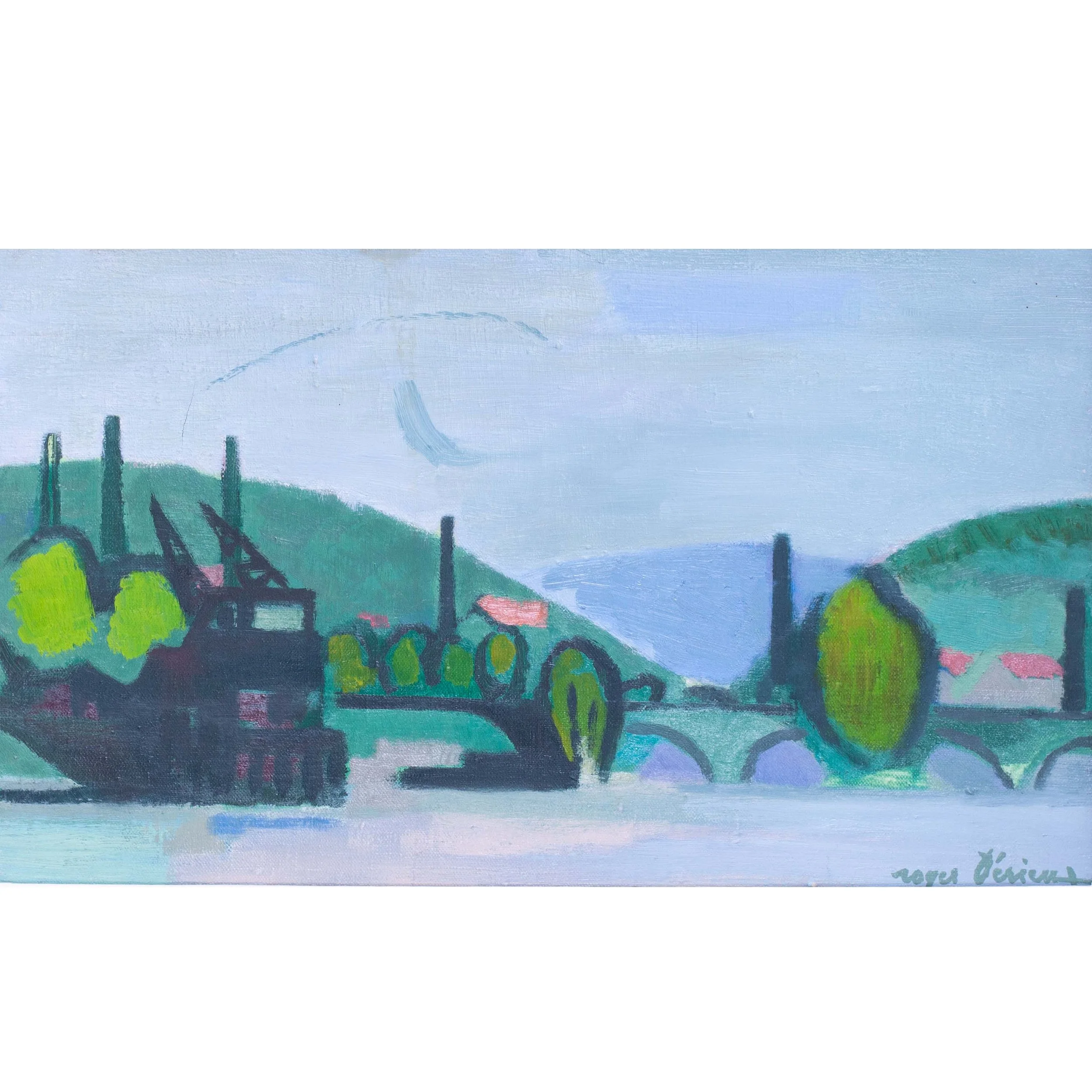 Image 7 of 8
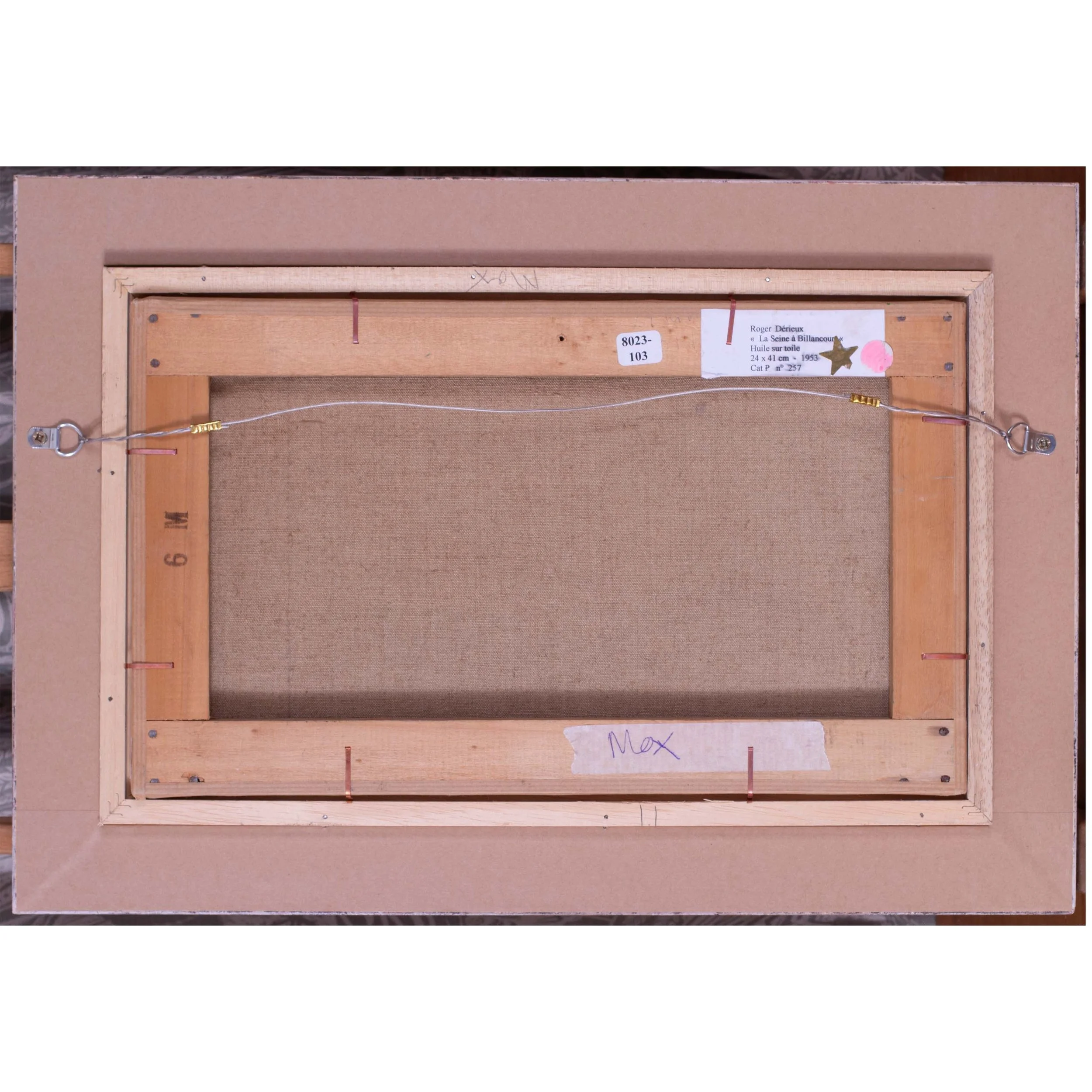 Image 8 of 8