Marcel Mouly (French, 1918-2008)
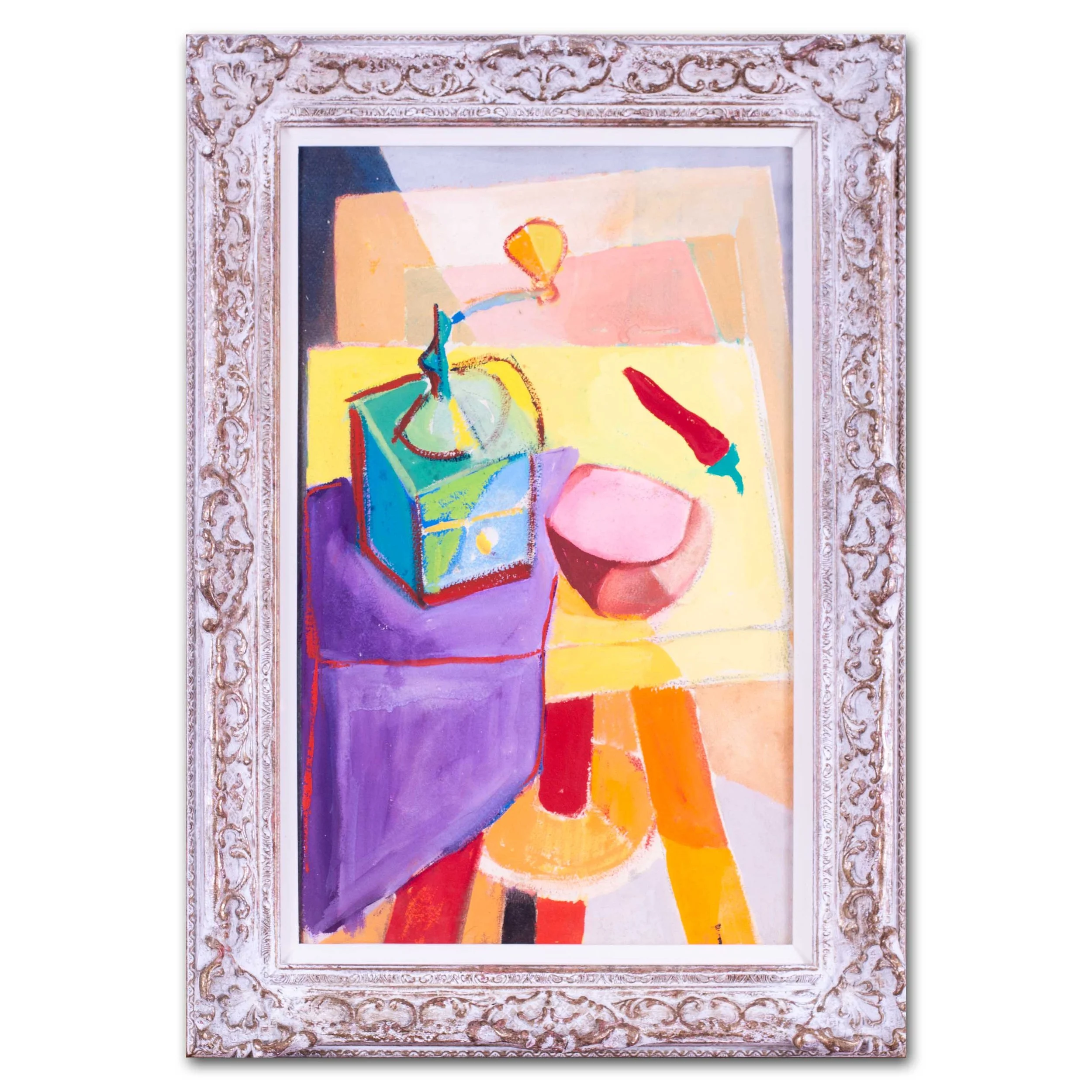
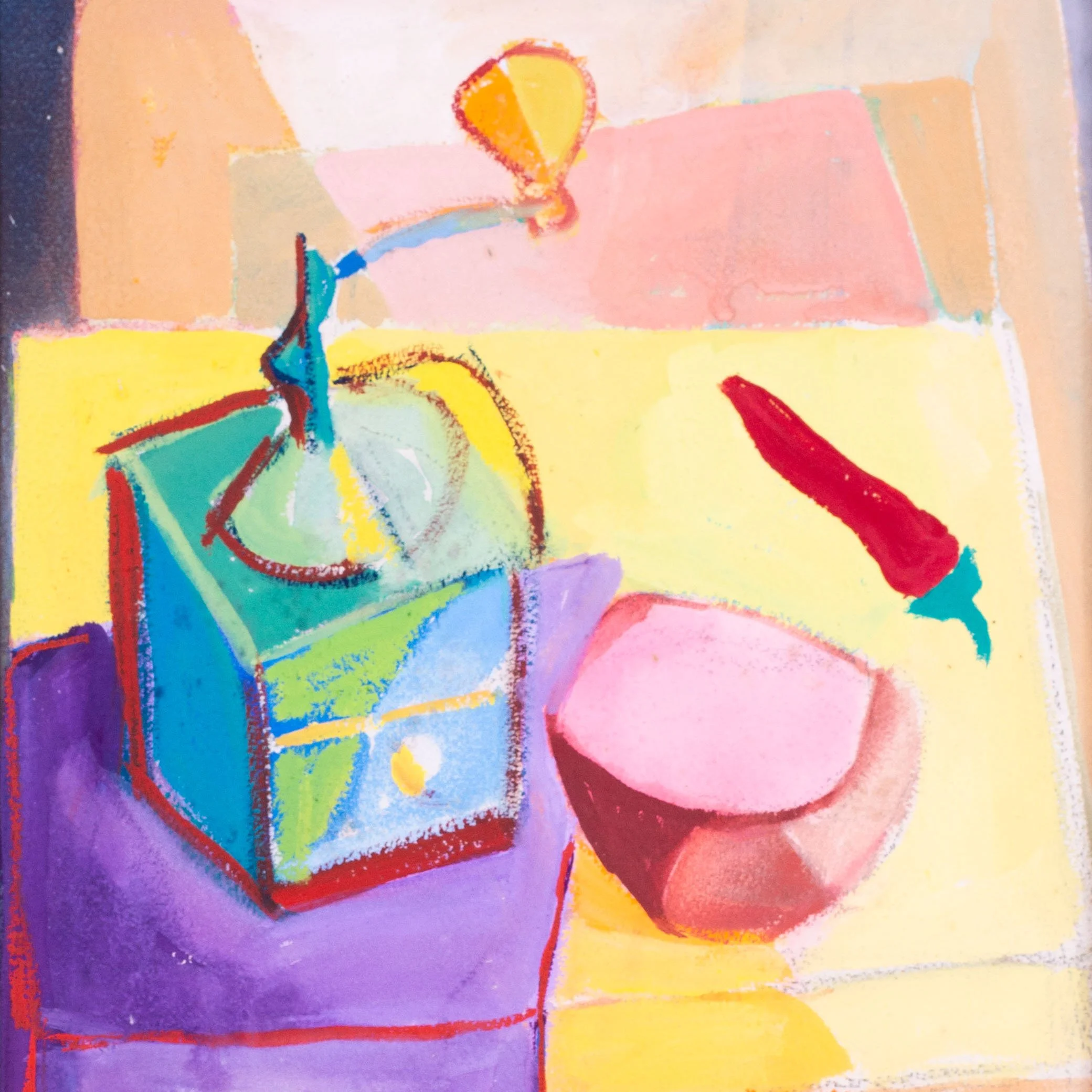
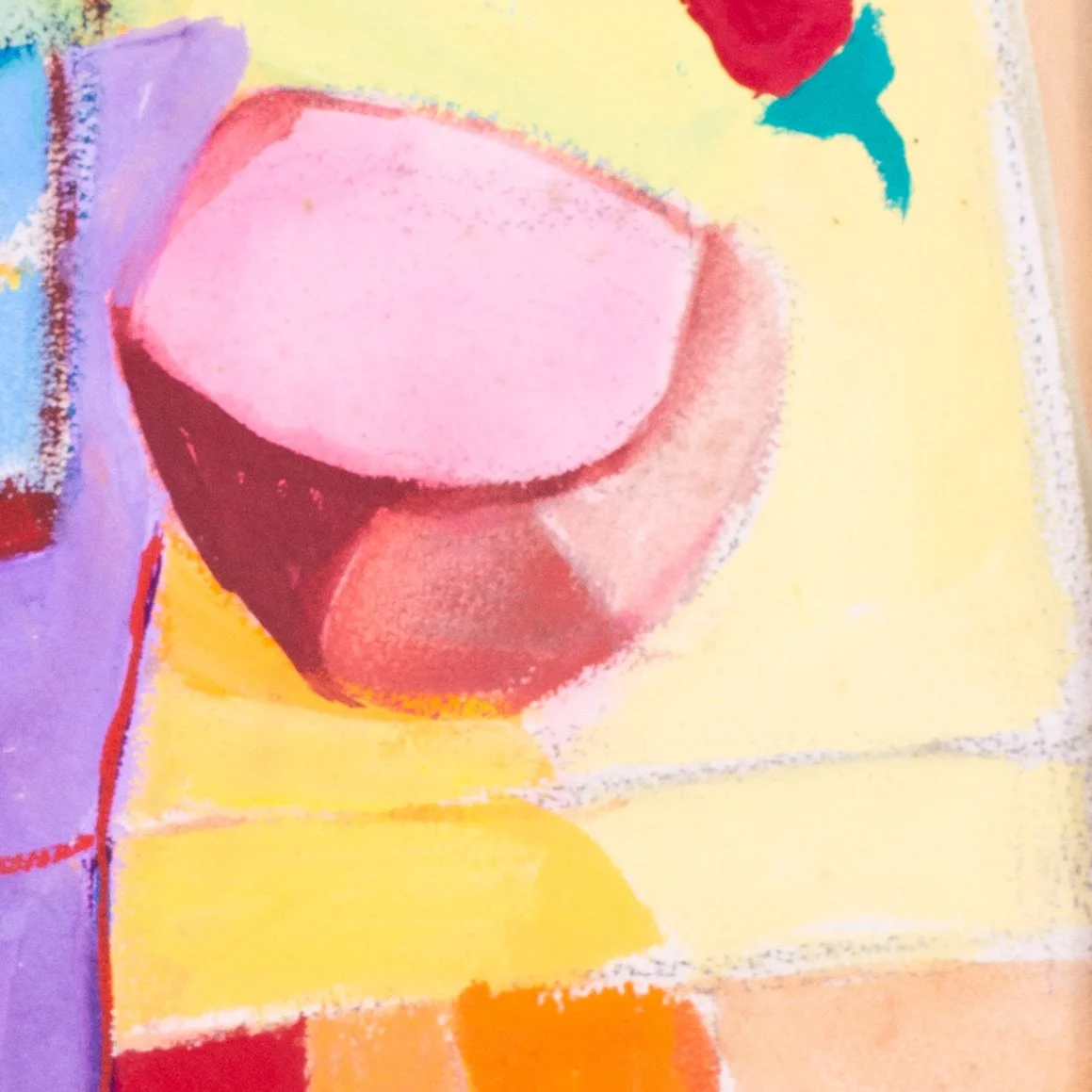
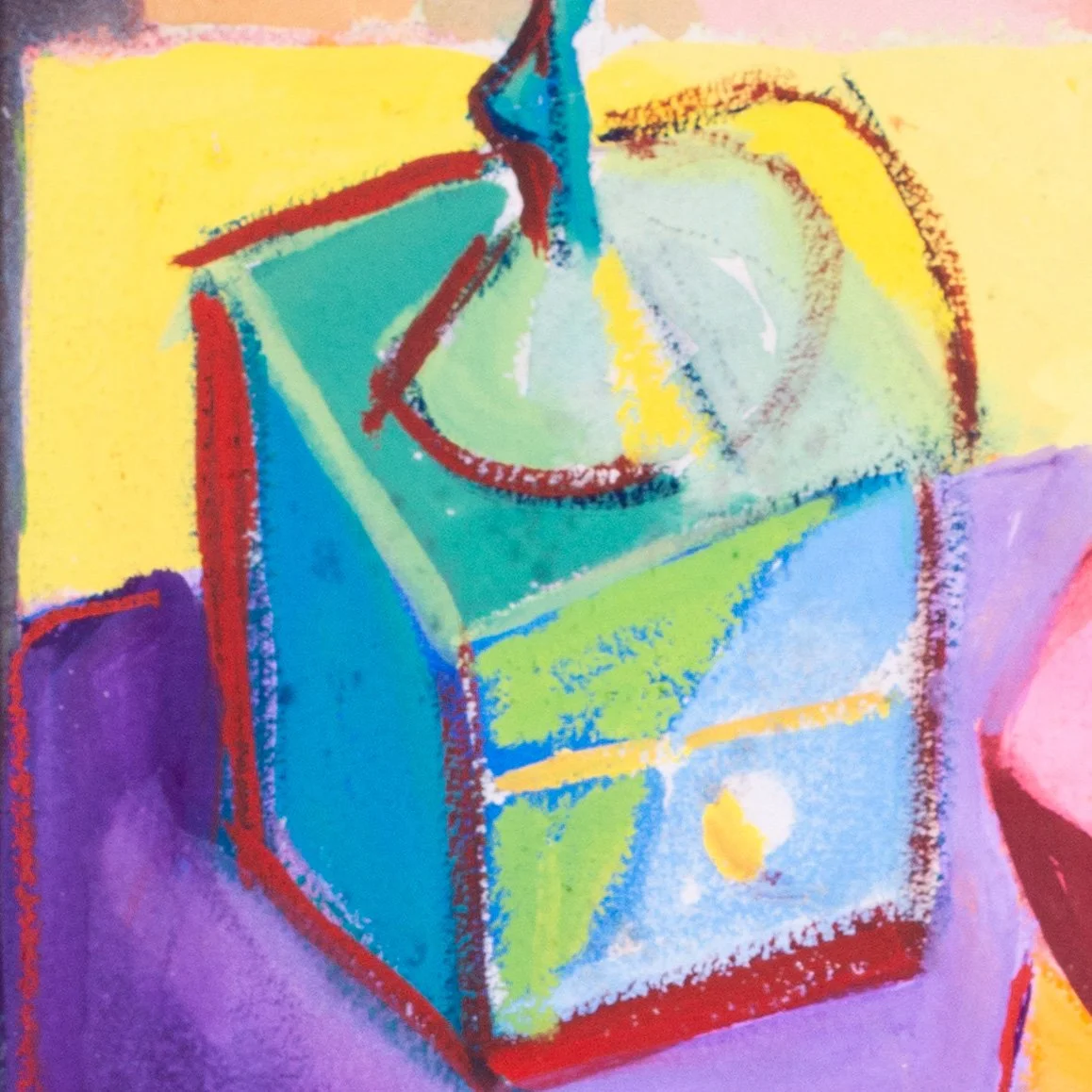
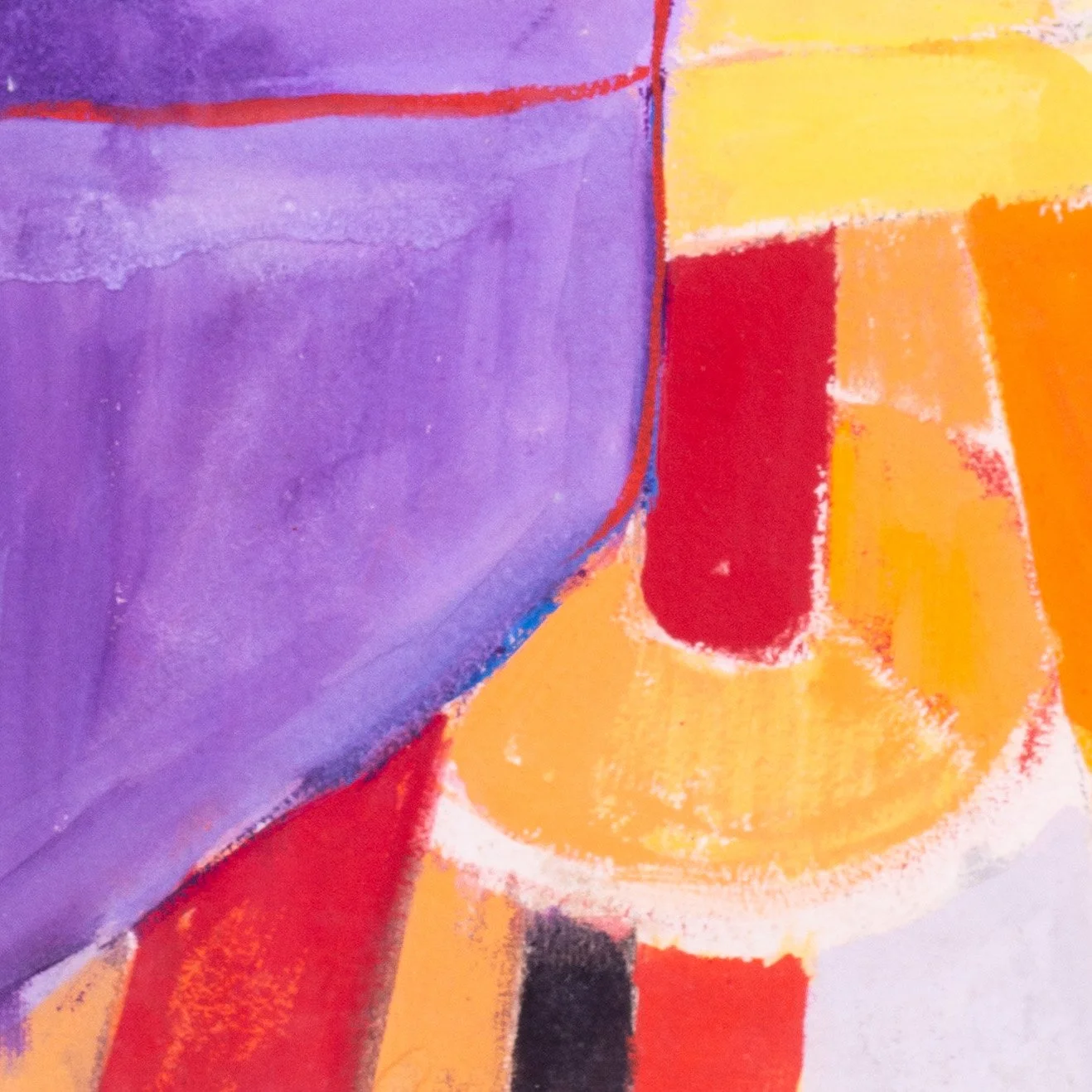
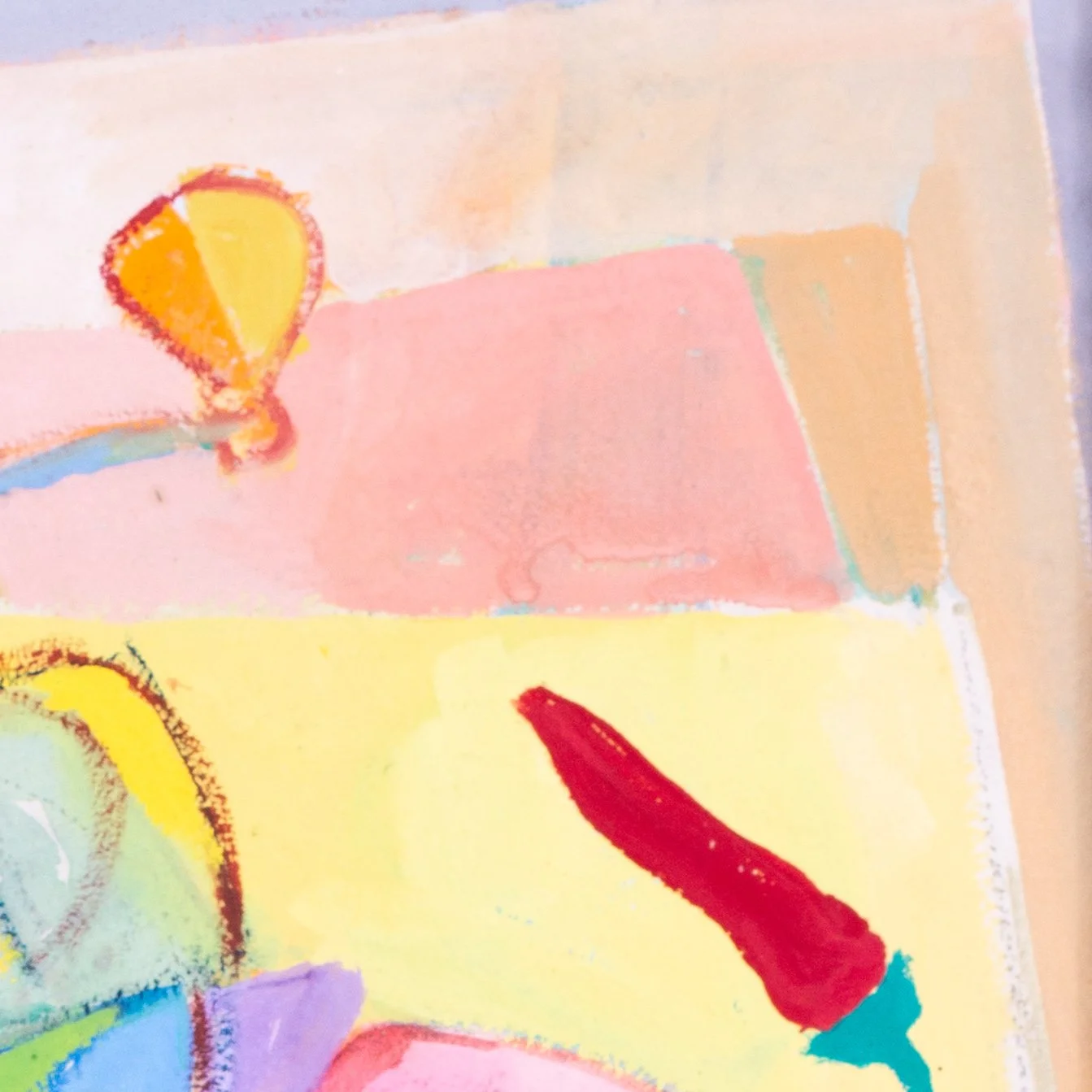
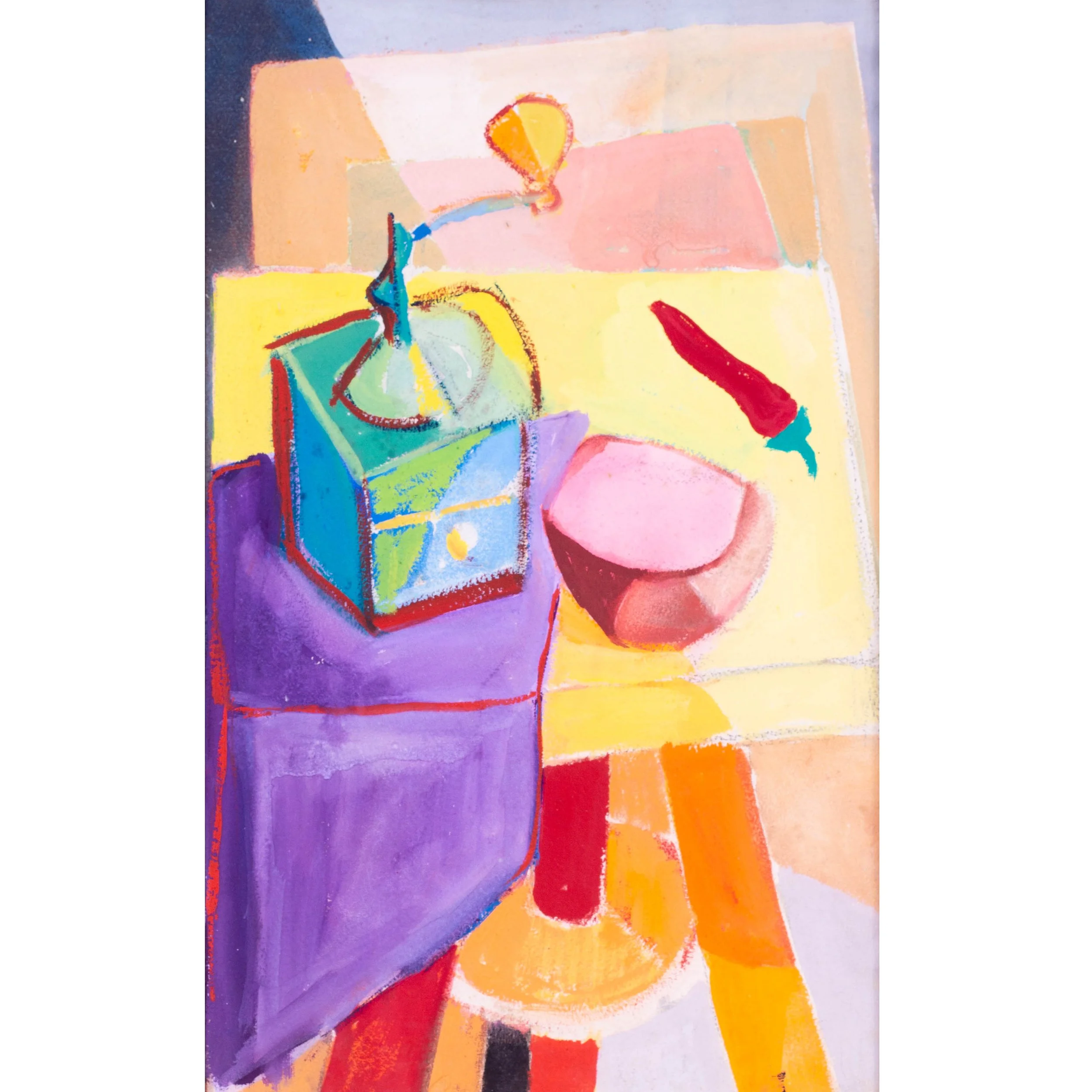
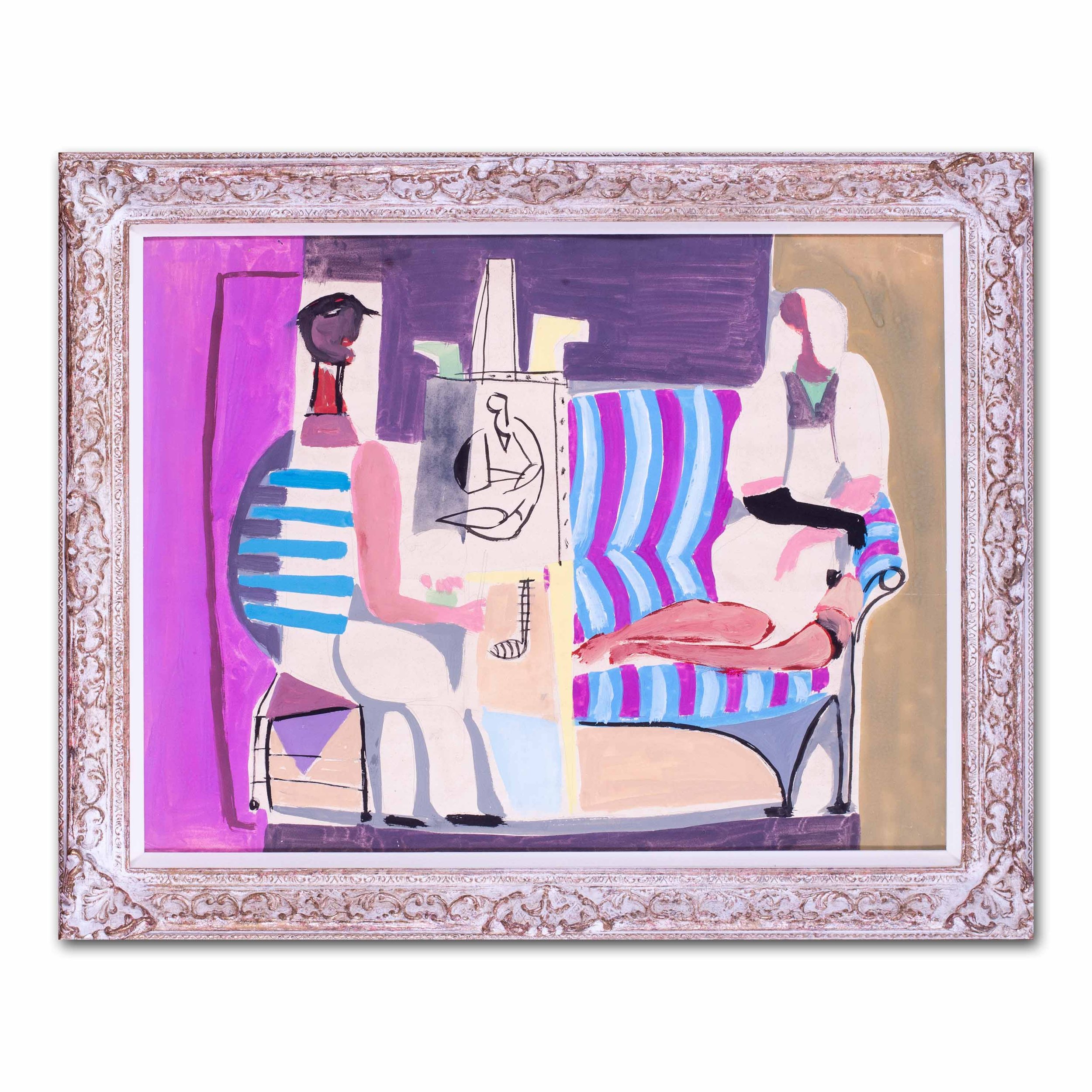
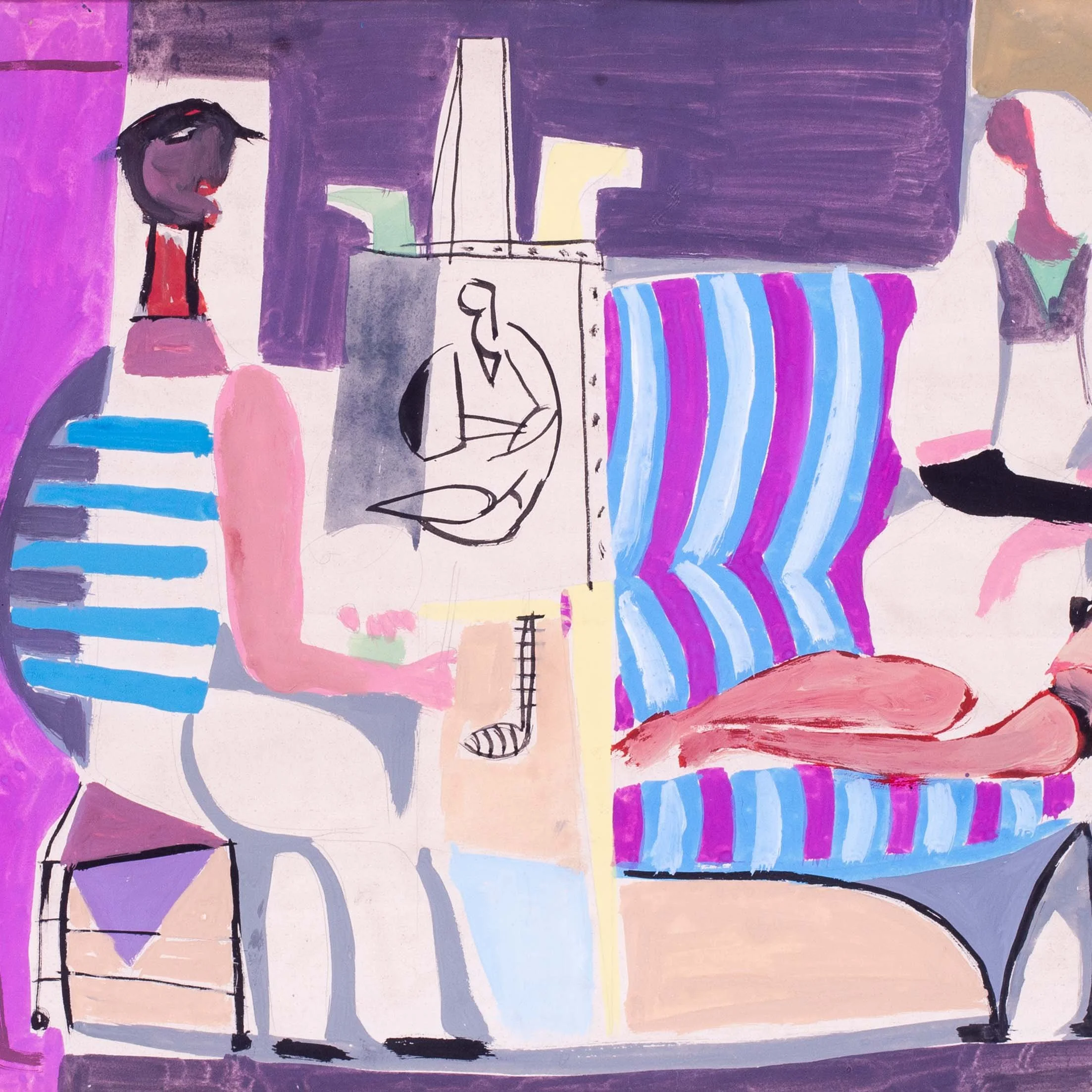
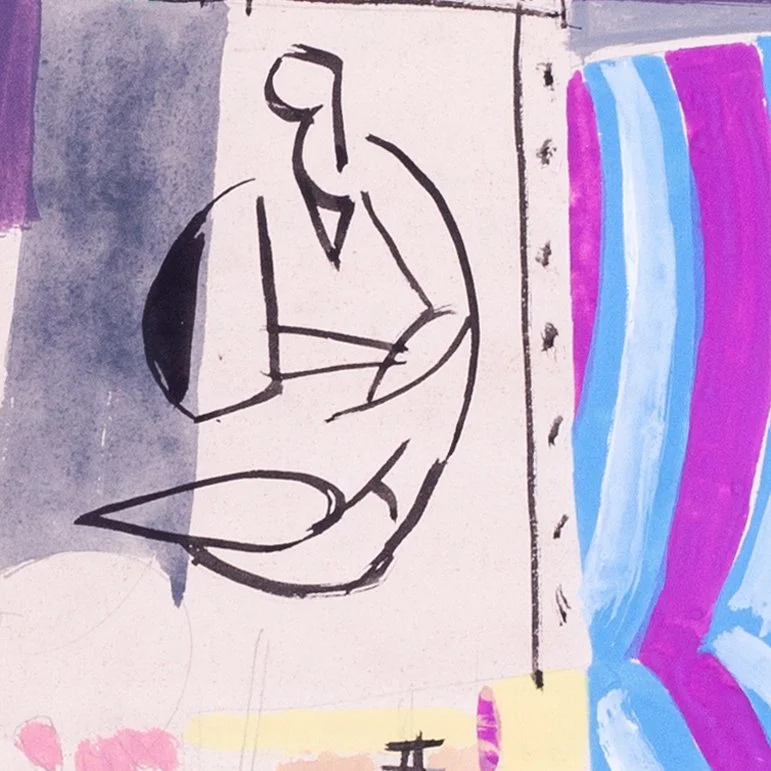
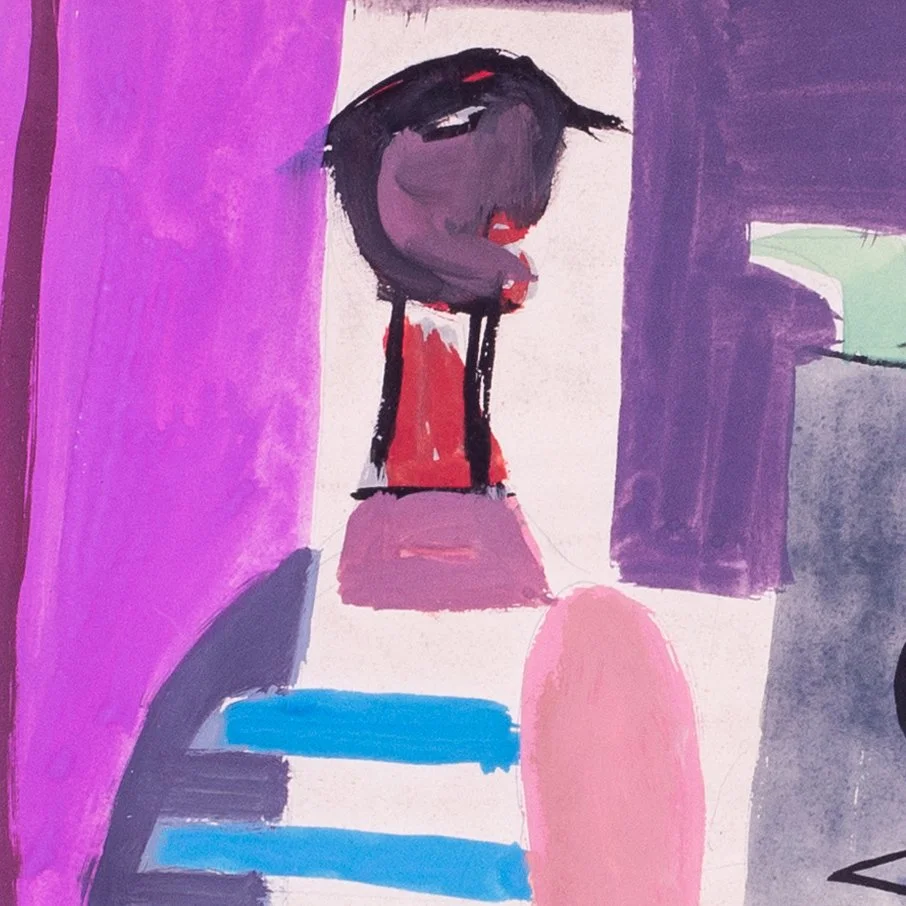
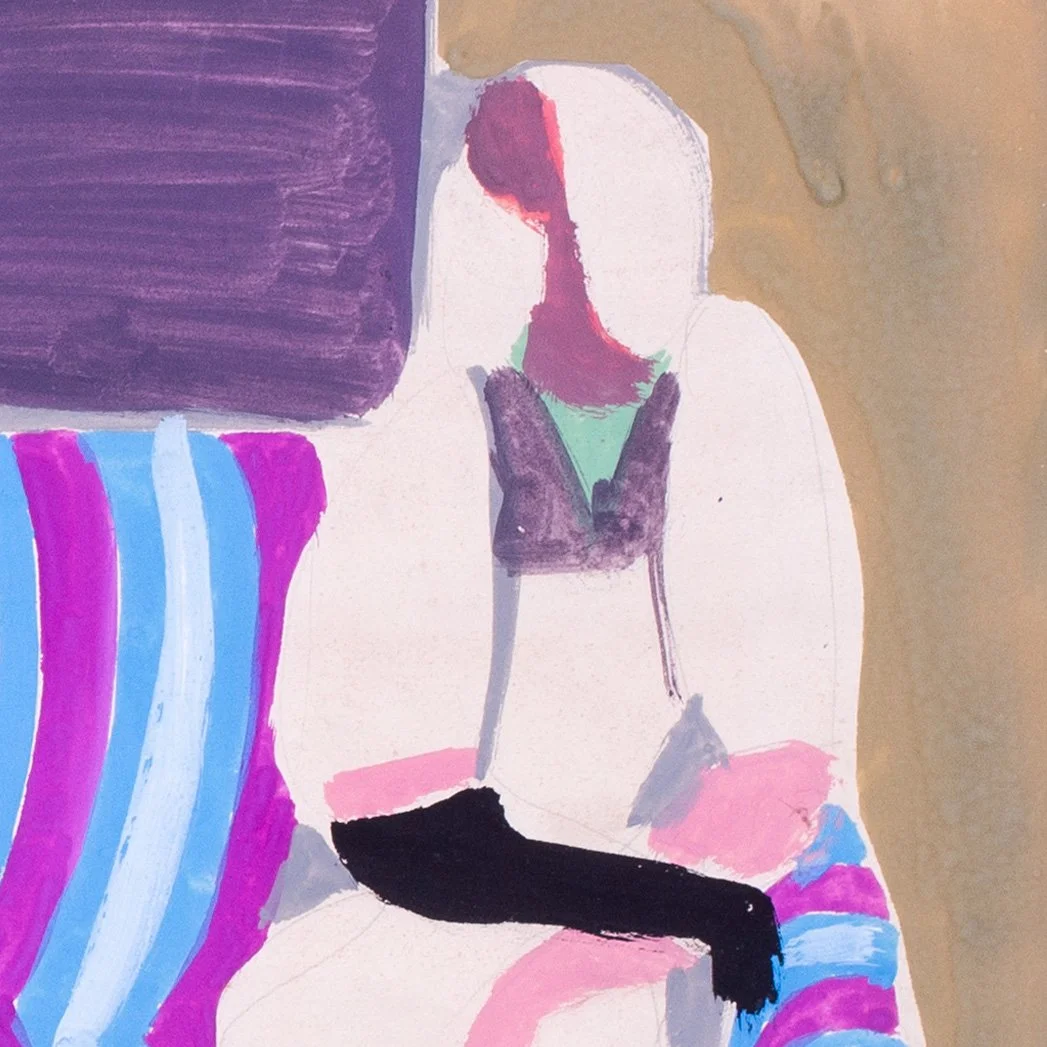
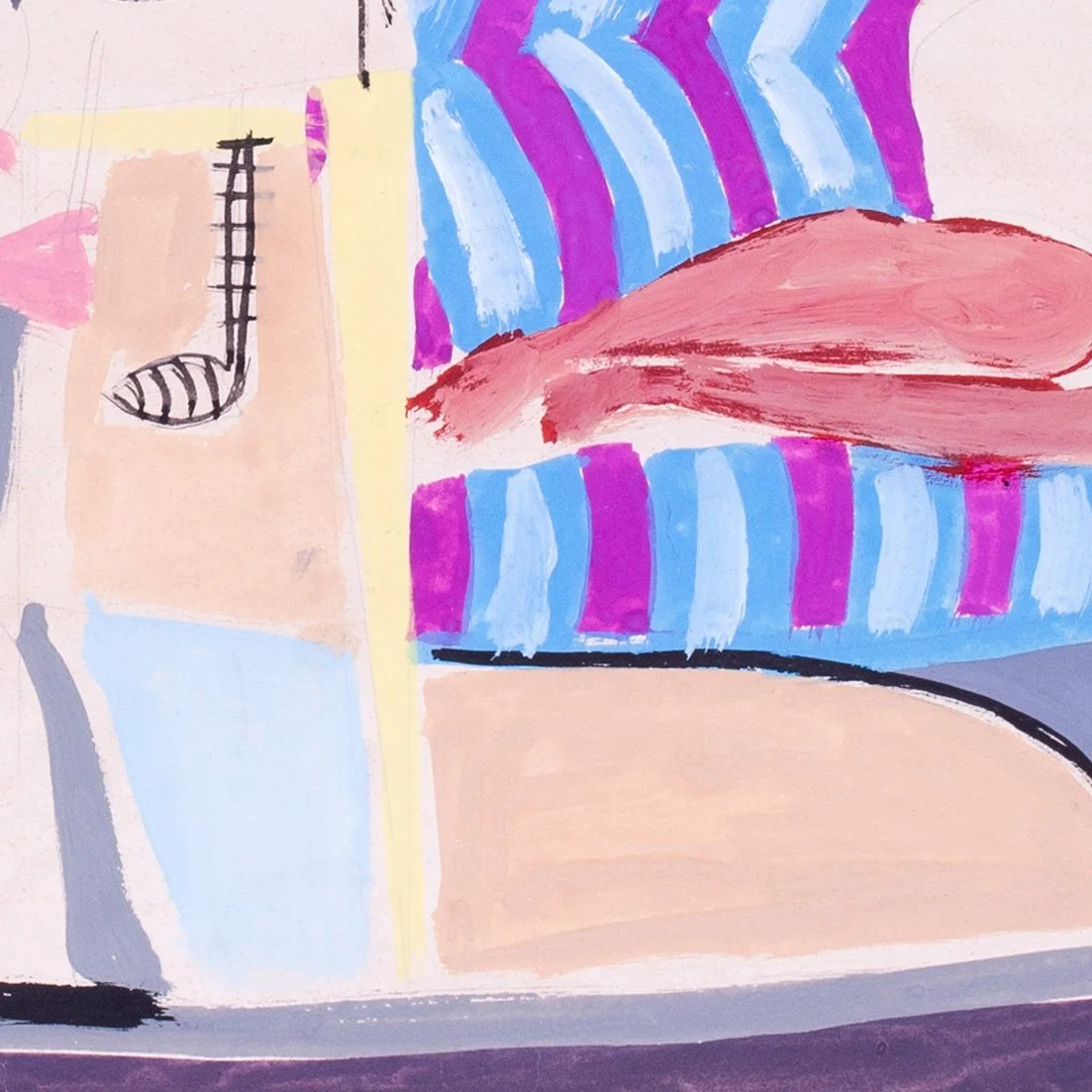
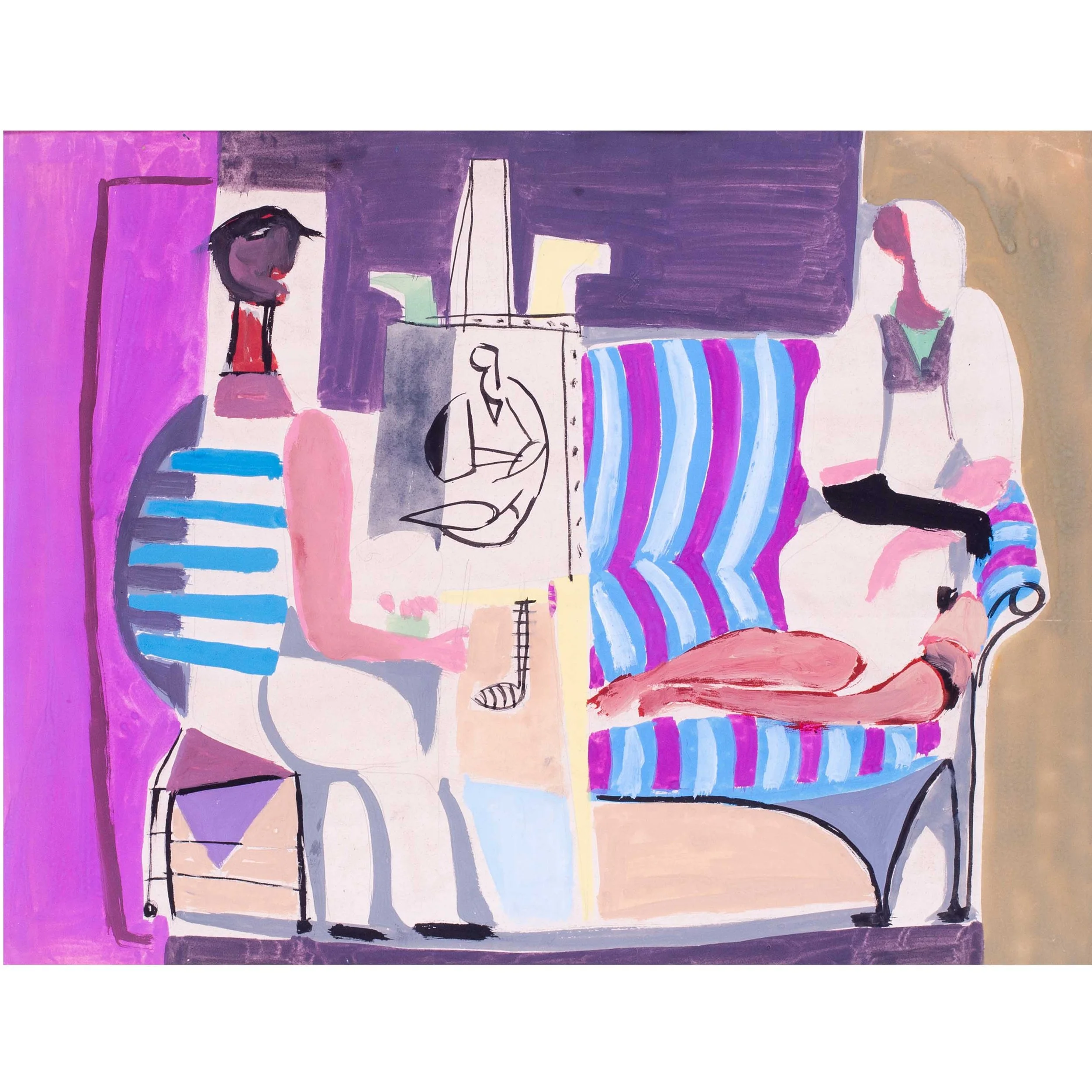
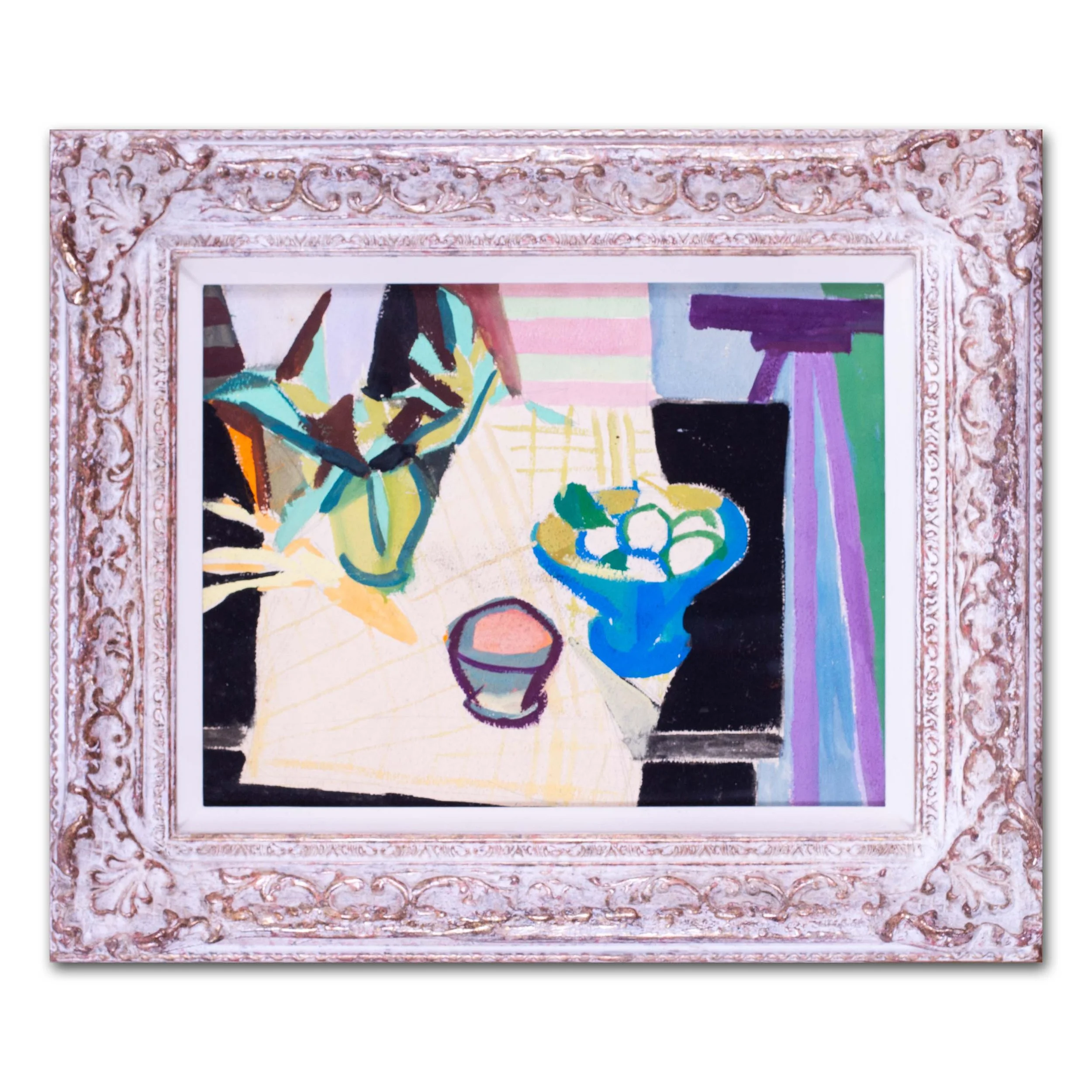
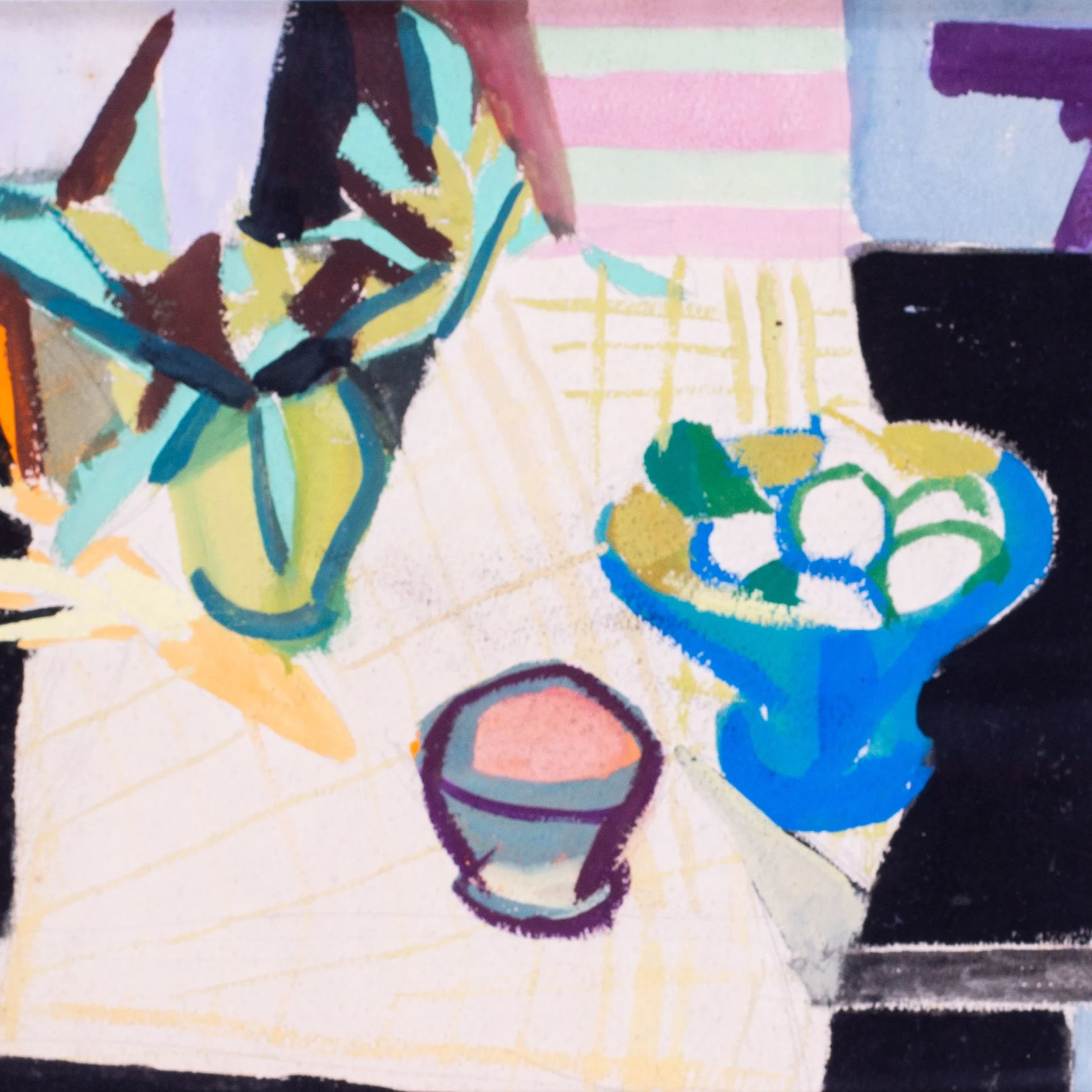
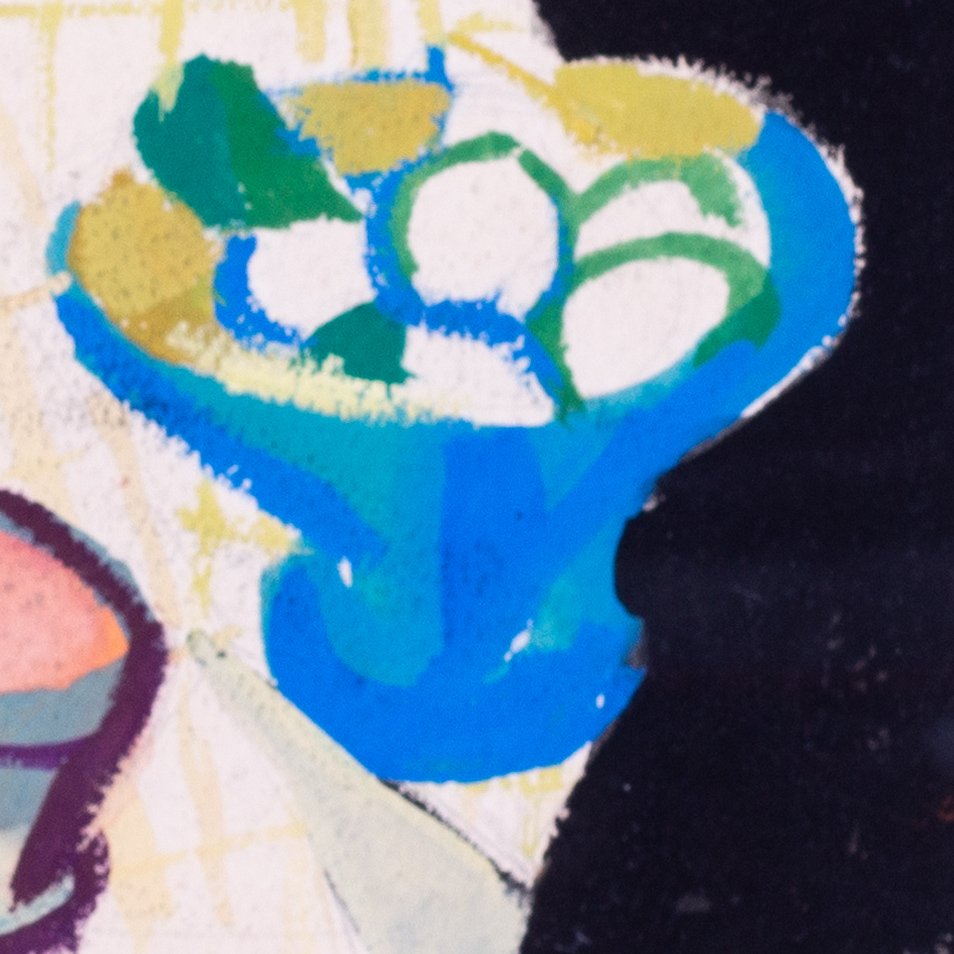
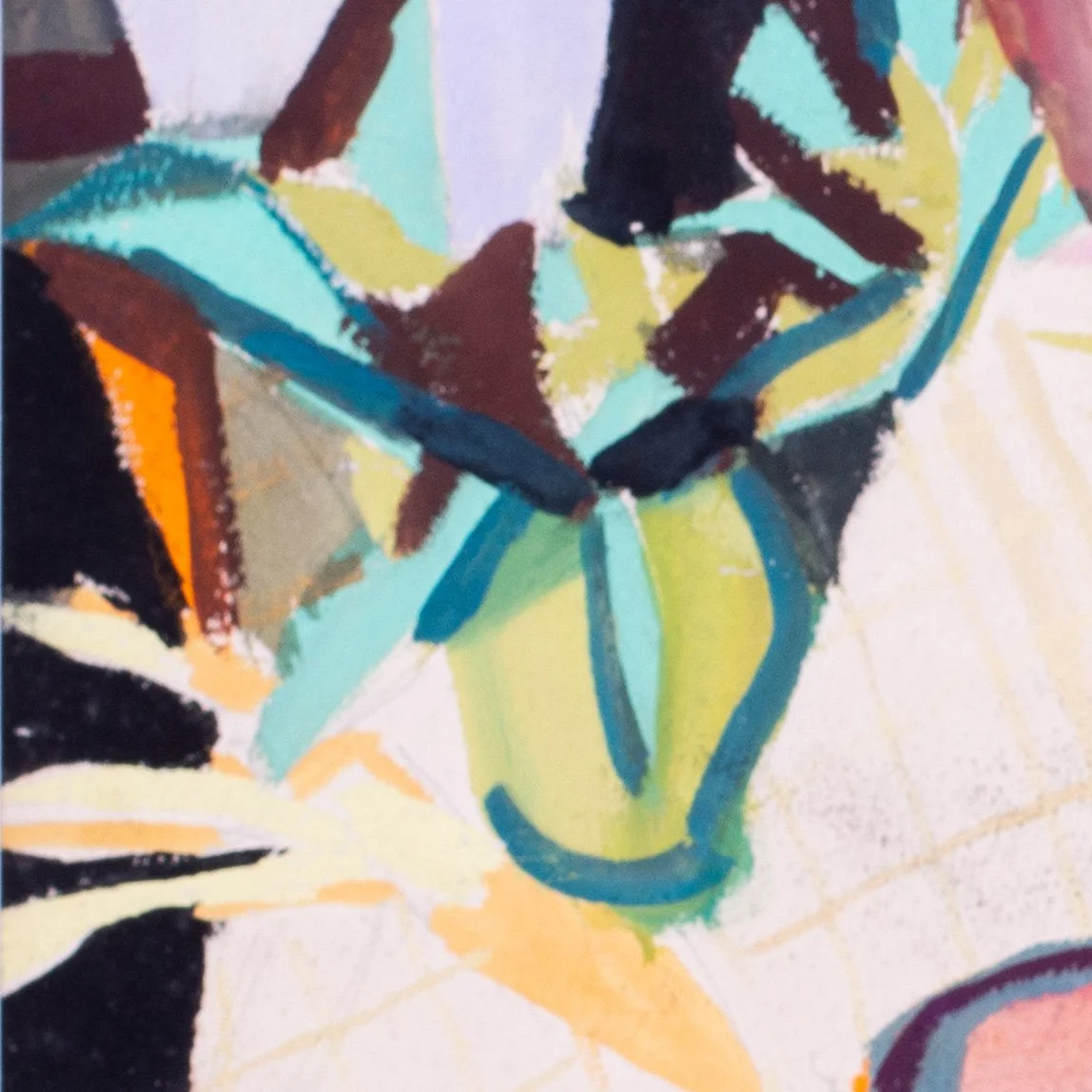
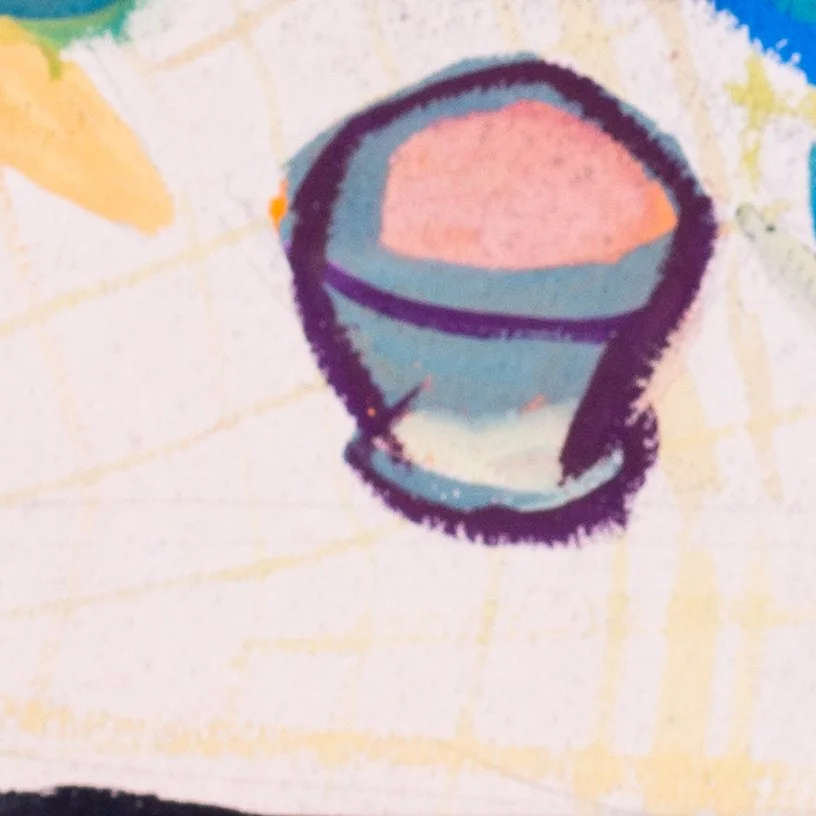
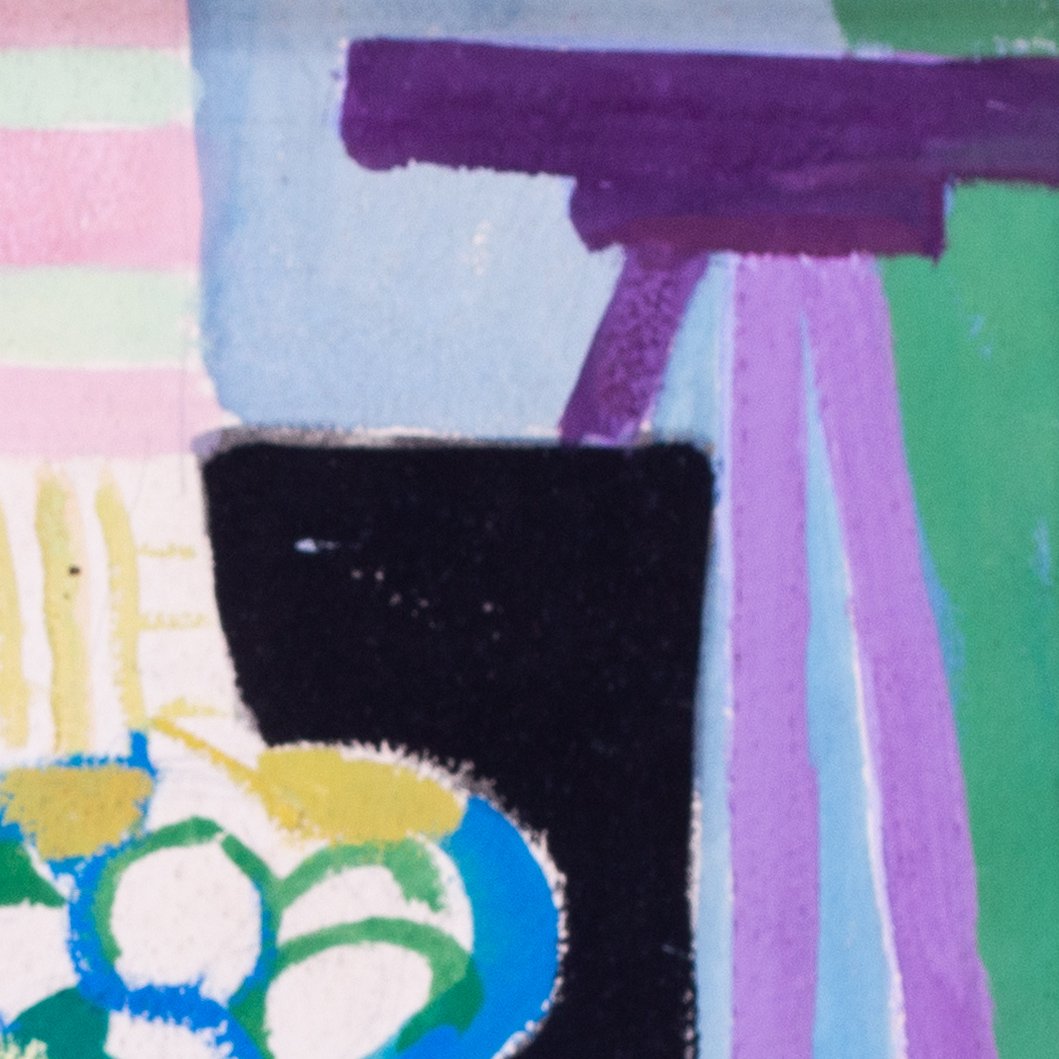
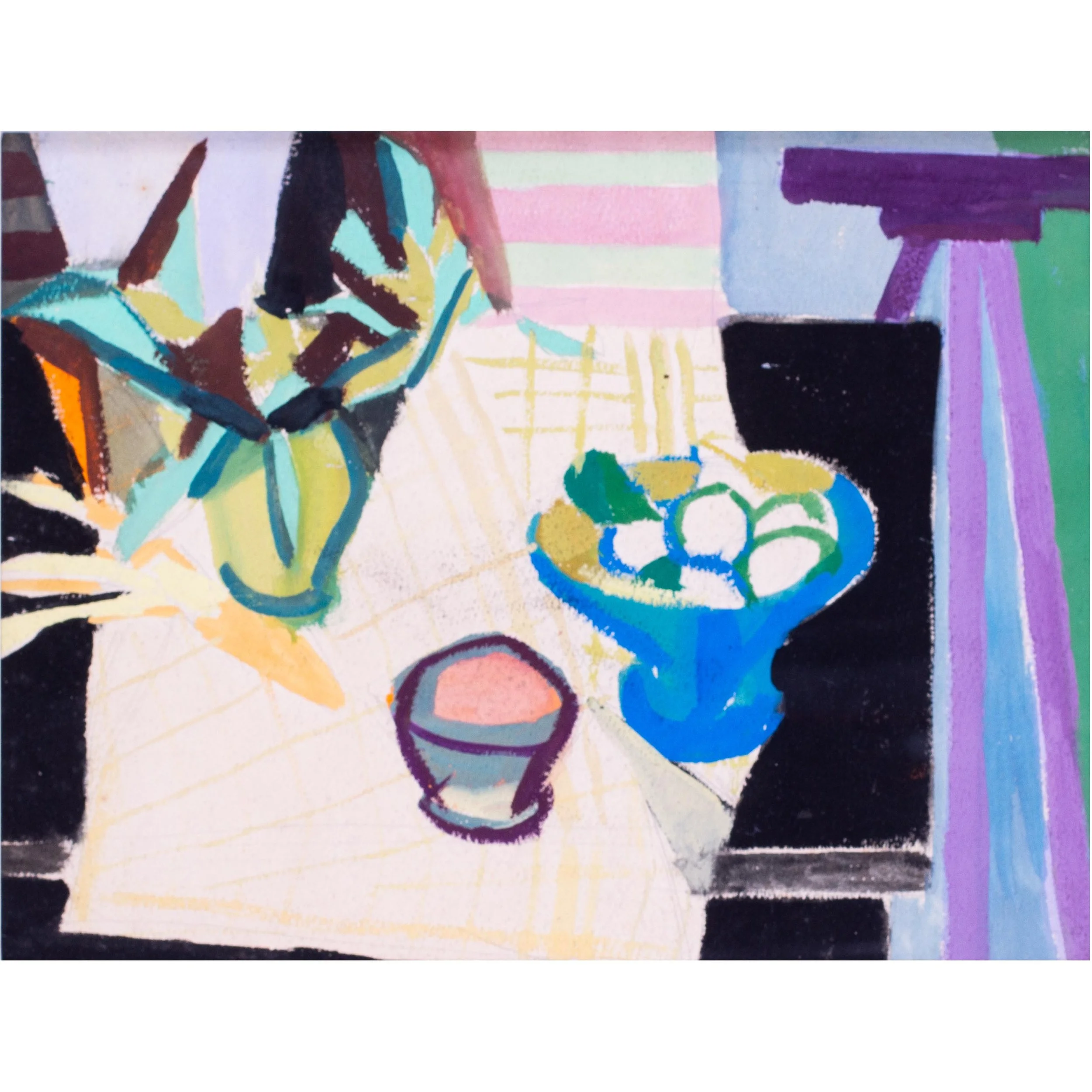
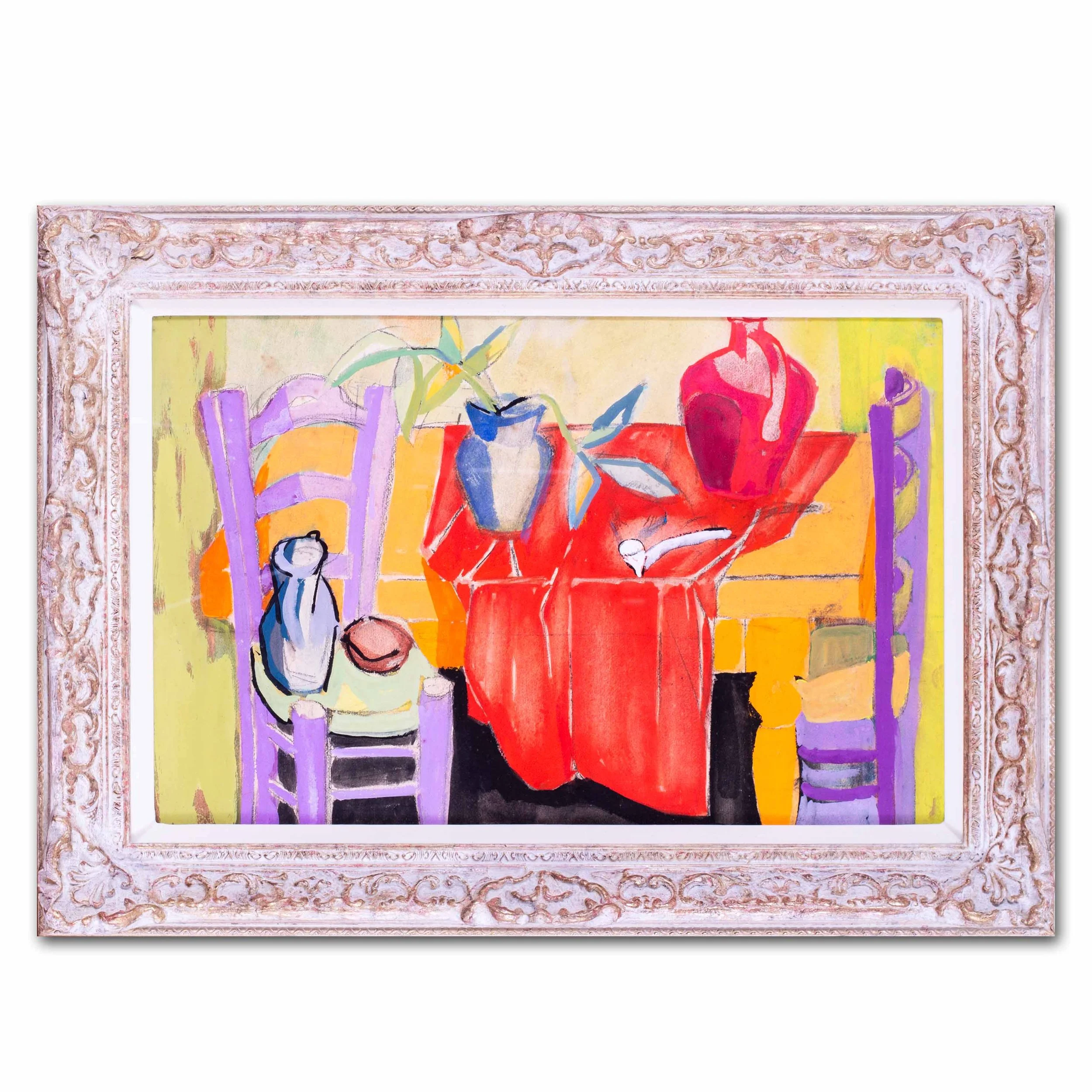
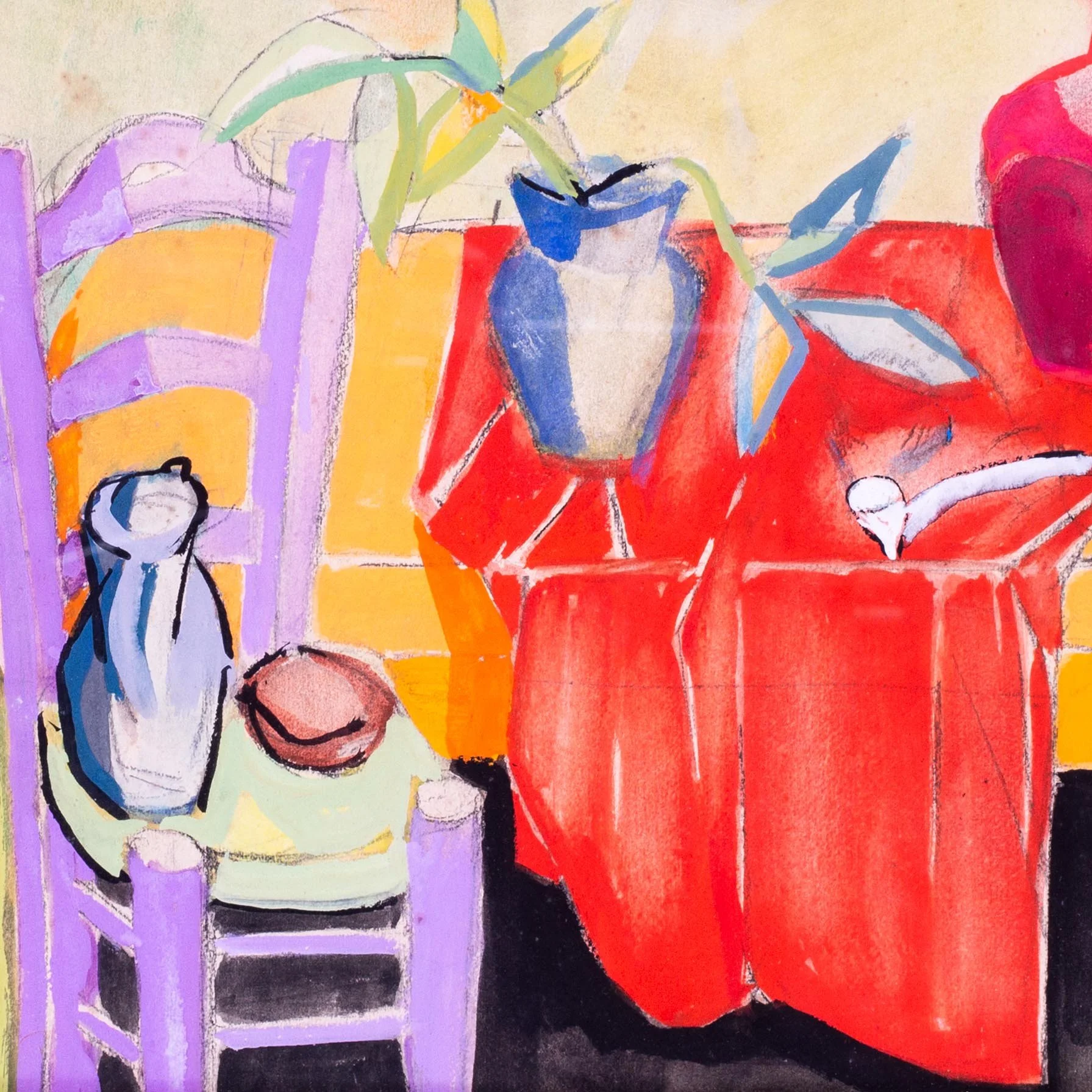
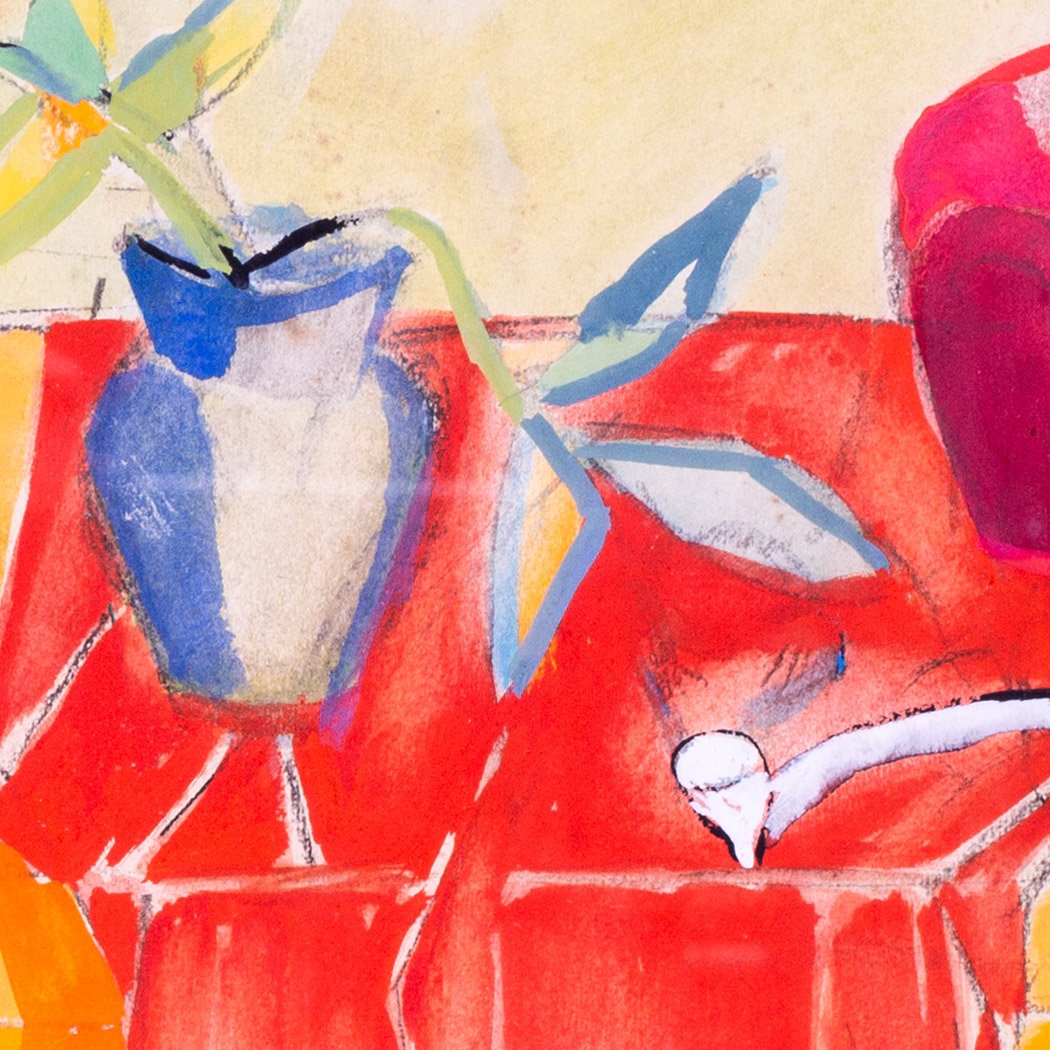
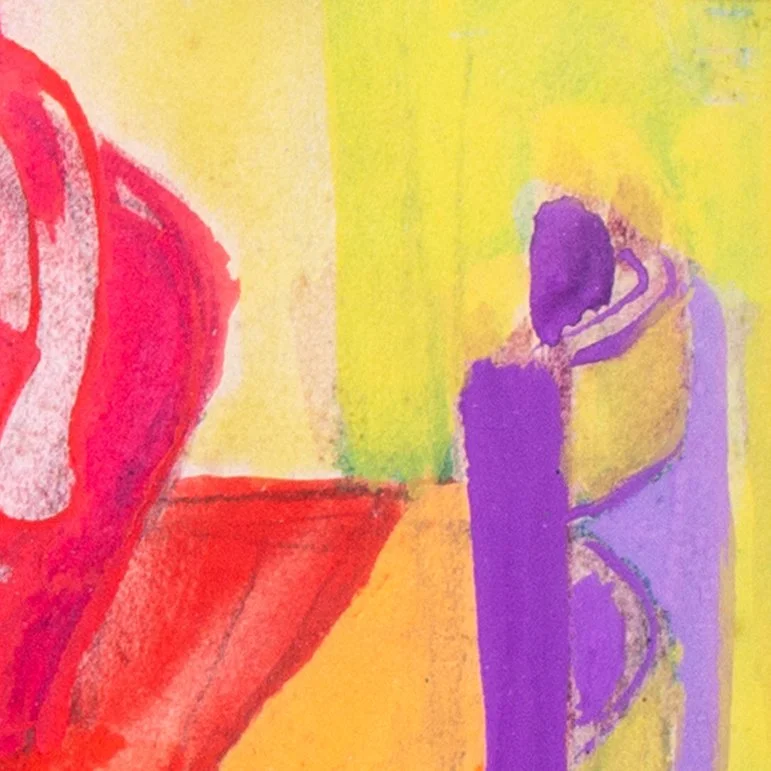
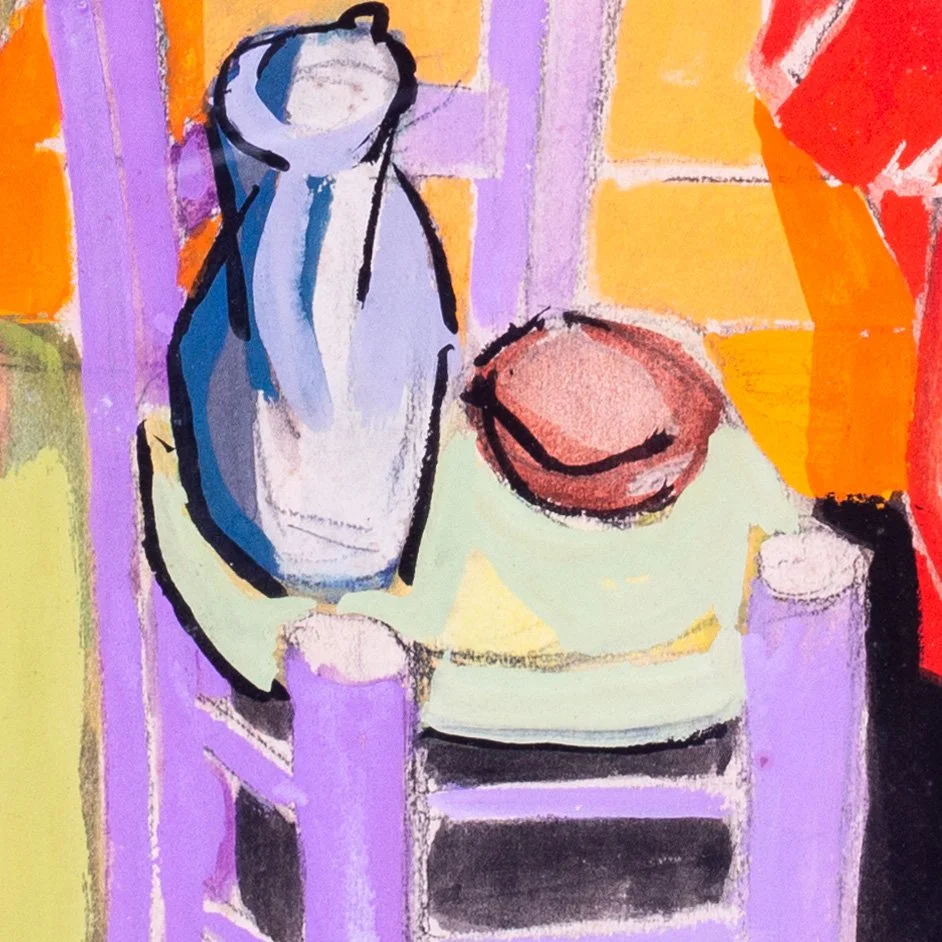
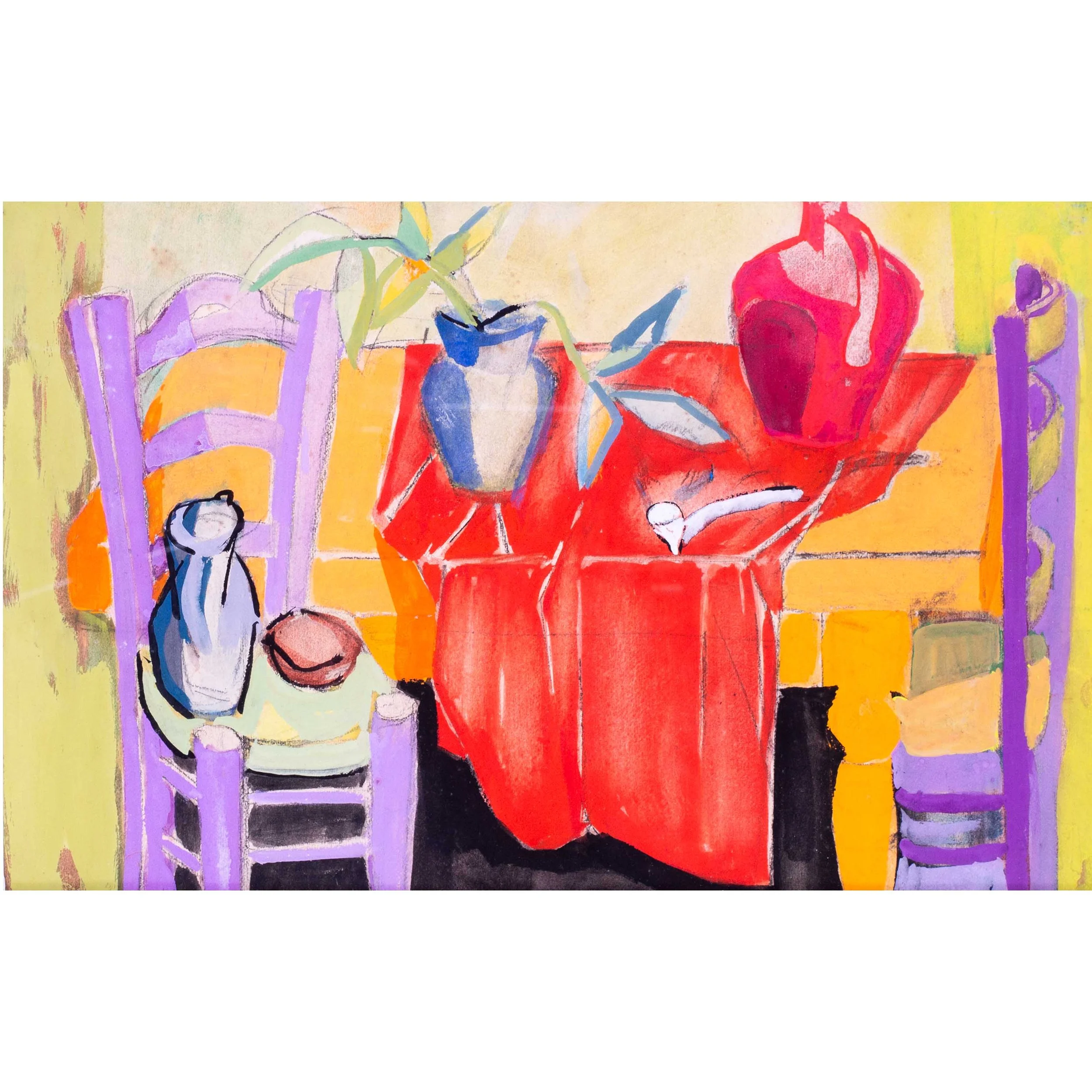
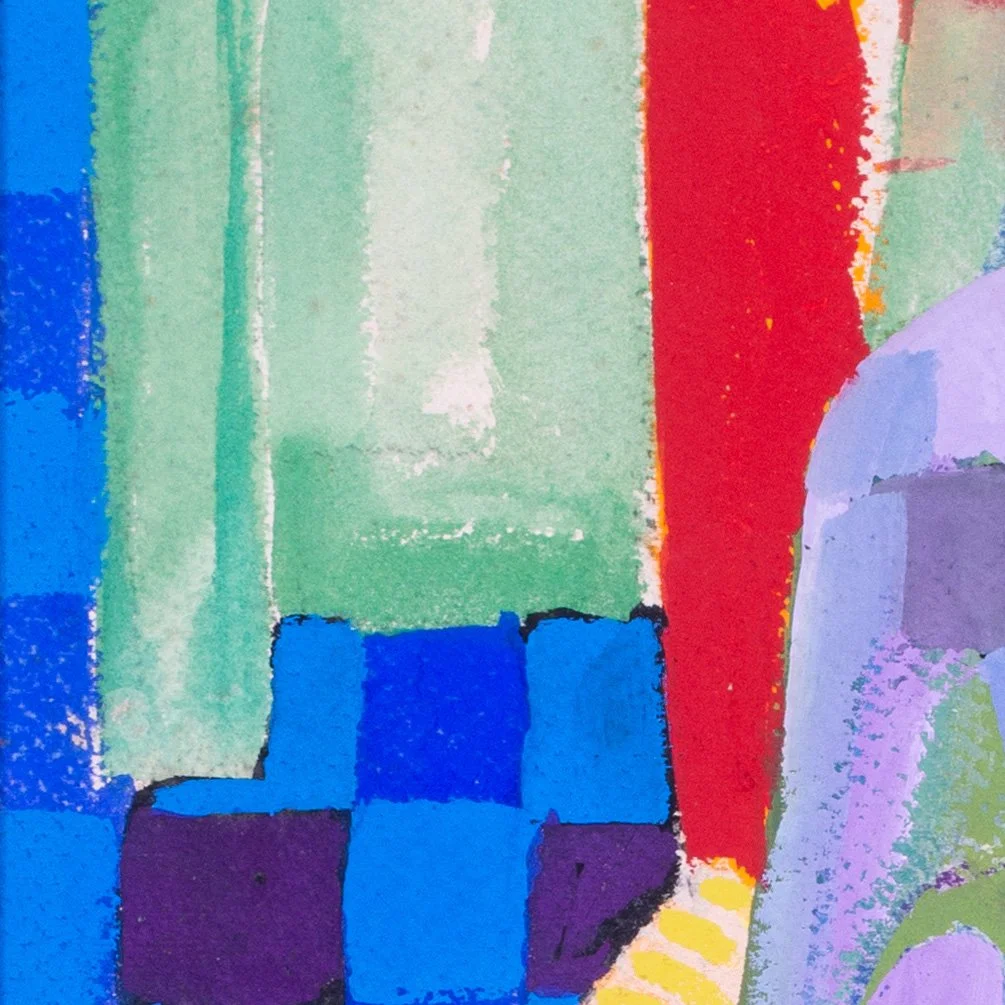
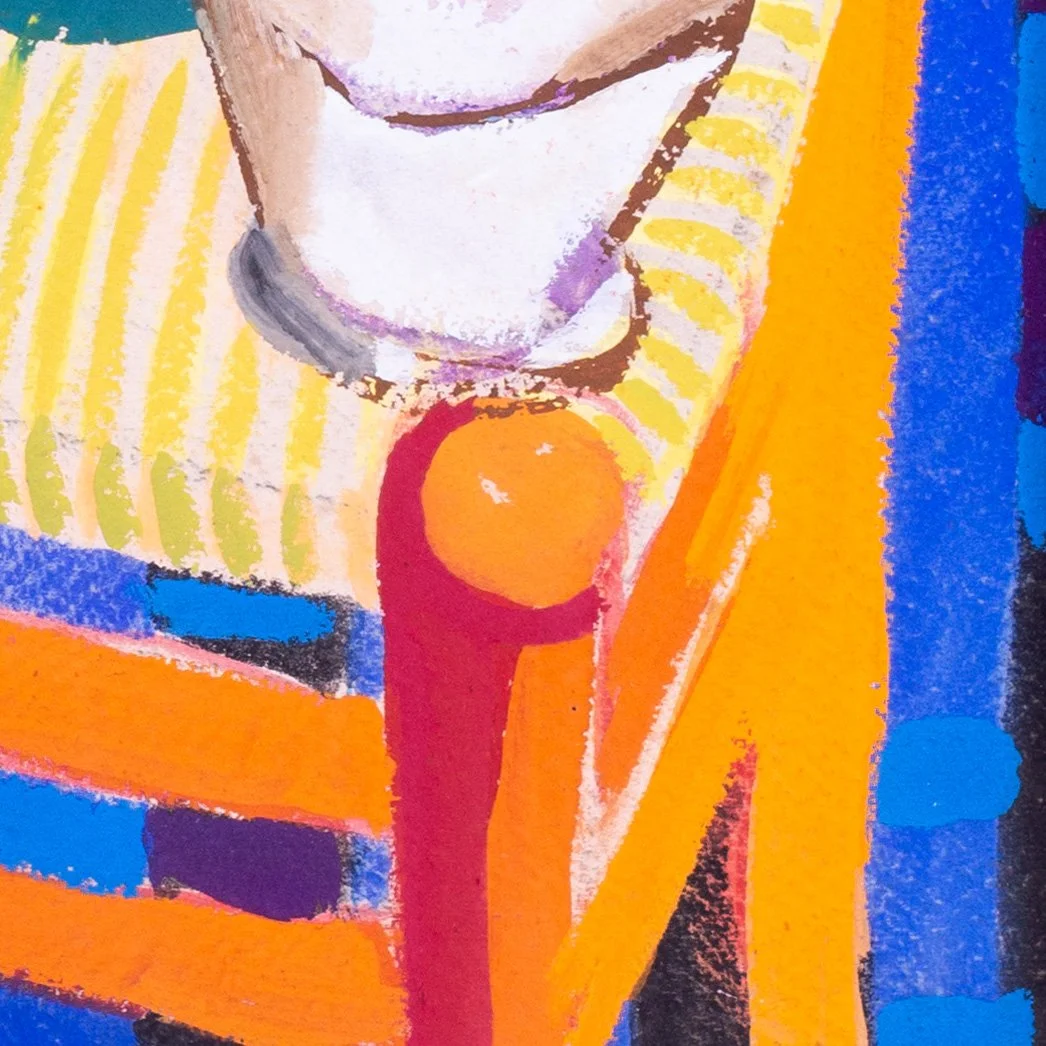
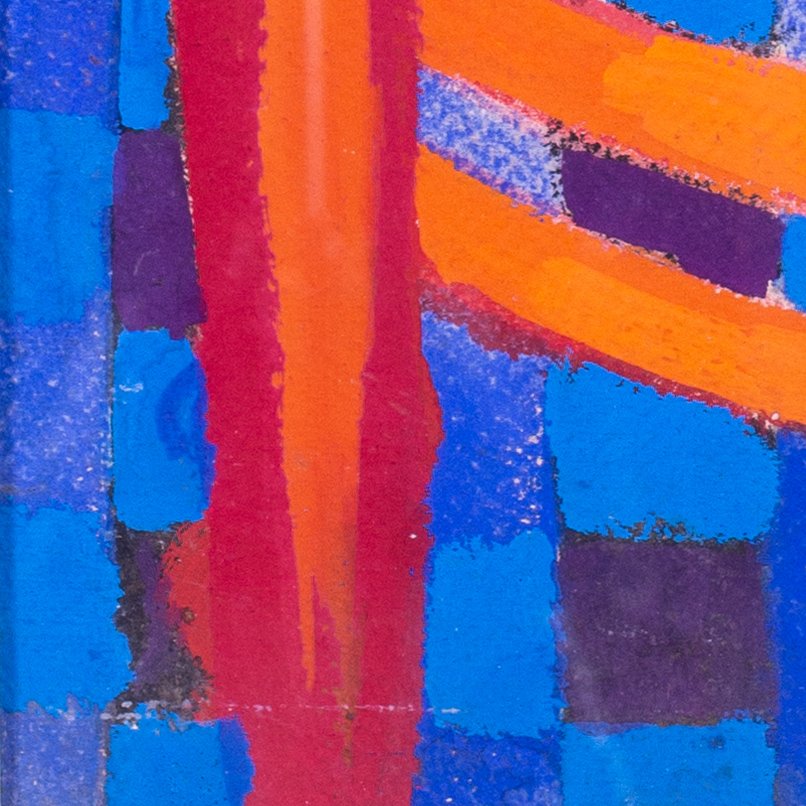
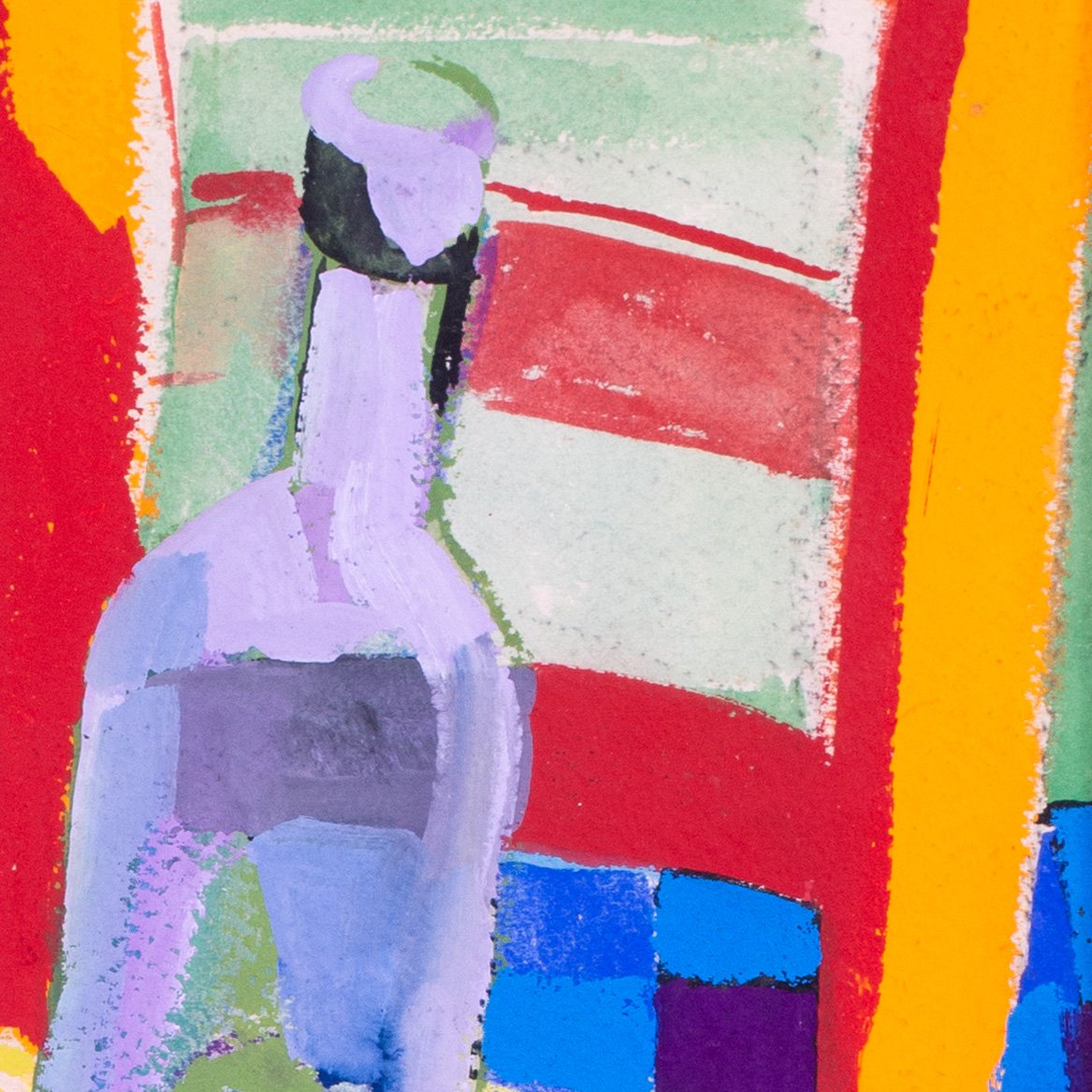
Descente de la croix #1
watercolour and gouache on paper
signed and dated M. Mouly 8/48
19.1/2 x 26.1/2 in. (49.5 x 67 cm.), including frame
Provenance: from the estate of the artist
Authenticated by the Comite Mouly
Read more »
Marcel Mouly (French, 1918–2008) was a Paris-born painter and printmaker whose long career was deeply rooted in the artistic life of post-war Paris. Largely self-taught, Mouly began attending evening drawing classes in Montparnasse in 1935, where he studied the work of artists including Picasso, Braque and Matisse.
During the Occupation he became close to the painter Édouard Pignon, with whom he shared the studio of the celebrated Cubist sculptor Jacques Lipchitz in Boulogne. Lipchitz introduced Mouly to Cubism, an influence that would remain fundamental to his approach to composition and form. After the war, Mouly moved to La Ruche, the historic artists' community in Montparnasse, where he lived and worked from 1946 until 1965. There he encountered an extraordinary circle of artists, including Pablo Picasso, Constantin Brâncuși, Marc Chagall and others. Picasso subsequently received Mouly at his studio on the Rue des Grands-Augustins.
Mouly's career gained momentum in the immediate post-war years. He exhibited at the Salon des Indépendants, Salon d'Automne and Salon de Mai, and in 1945 his work was shown at the Salon d'Automne alongside paintings by Henri Matisse. The following year he participated in the Salon de Mai, exhibiting within the avant-garde environment that brought together artists including Picasso, Matisse, Léger, Braque, Estève, Manessier and Bazaine. His first solo exhibition followed in Paris in 1949.
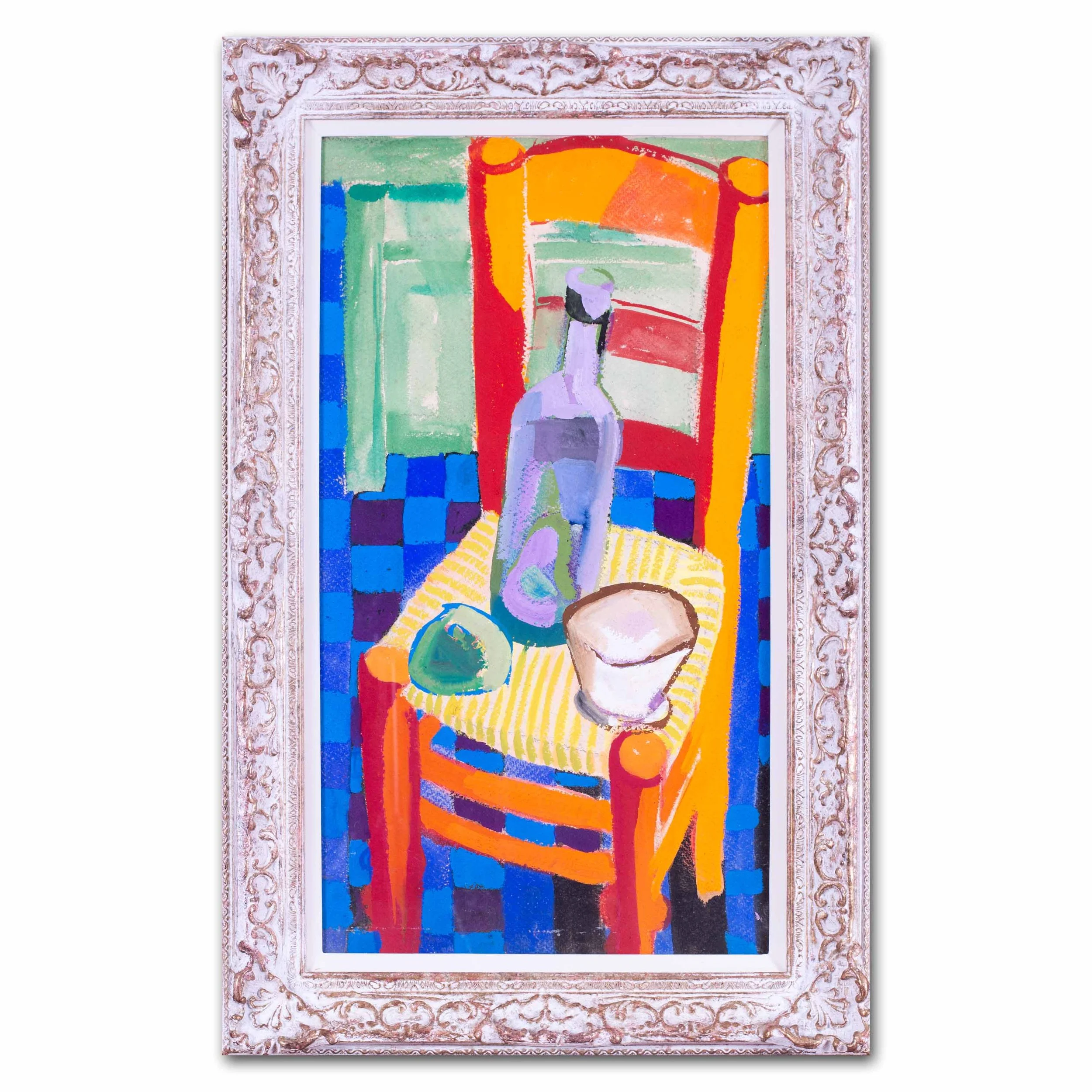
Although profoundly influenced by the great modernists around him, Mouly developed an unmistakably personal language. His paintings combine the structural discipline of Cubism with the exuberant colour of Fauvism, transforming landscapes, harbours, interiors, still lifes and figures into vibrant arrangements of interlocking forms and luminous colour. As Mouly himself expressed it: “I like Picasso for form and drawing and Braque for rhythm, but Matisse remains my spiritual father.”
From the 1950s onwards, Mouly exhibited extensively in France, Europe and the United States, including solo exhibitions in Paris, Casablanca, Chicago, New York, Brussels, London and Geneva. In 1956 and 1957 he was selected for the Prix de la Critique, and in 1957 he was made Chevalier de l'Ordre des Arts et des Lettres. His work subsequently entered museum and public collections internationally, including the Musée d'Art Moderne de la Ville de Paris, the Bibliothèque Nationale de France, the Musée d'Art Moderne de Genève and institutions in Japan and Helsinki.
Mouly also became an important and prolific printmaker, receiving the Premier Prix de Lithographie in 1973. In 1982 he was one of nine founding members of the Association 109, which established the Biennale 109 as an alternative to the traditional Paris salons. His work continued to be exhibited internationally into the 21st century, including the 1998 exhibition École de Paris: 50 Years and the 1999 Mouly-Mouly exhibition at the University Museum in Illinois.
Mouly's legacy lies in his distinctive synthesis of the major currents of 20th-century French painting. He absorbed the lessons of Picasso, Braque, Matisse and Léger without becoming derivative, creating a joyful and highly recognisable style in which colour, rhythm and structure take precedence. His paintings remain represented in significant international collections, securing his place within the wider tradition of the École de Paris and the continuing legacy of French modernism.
Marcel Mouly (French, 1918-2008)
Descente de la croix #1
watercolour and gouache on paper
signed and dated M. Mouly 8/48
19.1/2 x 26.1/2 in. (49.5 x 67 cm.), including frame
Provenance: from the estate of the artist
Authenticated by the Comite Mouly
Read more »
Marcel Mouly (French, 1918–2008) was a Paris-born painter and printmaker whose long career was deeply rooted in the artistic life of post-war Paris. Largely self-taught, Mouly began attending evening drawing classes in Montparnasse in 1935, where he studied the work of artists including Picasso, Braque and Matisse.
During the Occupation he became close to the painter Édouard Pignon, with whom he shared the studio of the celebrated Cubist sculptor Jacques Lipchitz in Boulogne. Lipchitz introduced Mouly to Cubism, an influence that would remain fundamental to his approach to composition and form. After the war, Mouly moved to La Ruche, the historic artists' community in Montparnasse, where he lived and worked from 1946 until 1965. There he encountered an extraordinary circle of artists, including Pablo Picasso, Constantin Brâncuși, Marc Chagall and others. Picasso subsequently received Mouly at his studio on the Rue des Grands-Augustins.
Mouly's career gained momentum in the immediate post-war years. He exhibited at the Salon des Indépendants, Salon d'Automne and Salon de Mai, and in 1945 his work was shown at the Salon d'Automne alongside paintings by Henri Matisse. The following year he participated in the Salon de Mai, exhibiting within the avant-garde environment that brought together artists including Picasso, Matisse, Léger, Braque, Estève, Manessier and Bazaine. His first solo exhibition followed in Paris in 1949.
Although profoundly influenced by the great modernists around him, Mouly developed an unmistakably personal language. His paintings combine the structural discipline of Cubism with the exuberant colour of Fauvism, transforming landscapes, harbours, interiors, still lifes and figures into vibrant arrangements of interlocking forms and luminous colour. As Mouly himself expressed it: “I like Picasso for form and drawing and Braque for rhythm, but Matisse remains my spiritual father.”
From the 1950s onwards, Mouly exhibited extensively in France, Europe and the United States, including solo exhibitions in Paris, Casablanca, Chicago, New York, Brussels, London and Geneva. In 1956 and 1957 he was selected for the Prix de la Critique, and in 1957 he was made Chevalier de l'Ordre des Arts et des Lettres. His work subsequently entered museum and public collections internationally, including the Musée d'Art Moderne de la Ville de Paris, the Bibliothèque Nationale de France, the Musée d'Art Moderne de Genève and institutions in Japan and Helsinki.
Mouly also became an important and prolific printmaker, receiving the Premier Prix de Lithographie in 1973. In 1982 he was one of nine founding members of the Association 109, which established the Biennale 109 as an alternative to the traditional Paris salons. His work continued to be exhibited internationally into the 21st century, including the 1998 exhibition École de Paris: 50 Years and the 1999 Mouly-Mouly exhibition at the University Museum in Illinois.
Mouly's legacy lies in his distinctive synthesis of the major currents of 20th-century French painting. He absorbed the lessons of Picasso, Braque, Matisse and Léger without becoming derivative, creating a joyful and highly recognisable style in which colour, rhythm and structure take precedence. His paintings remain represented in significant international collections, securing his place within the wider tradition of the École de Paris and the continuing legacy of French modernism.

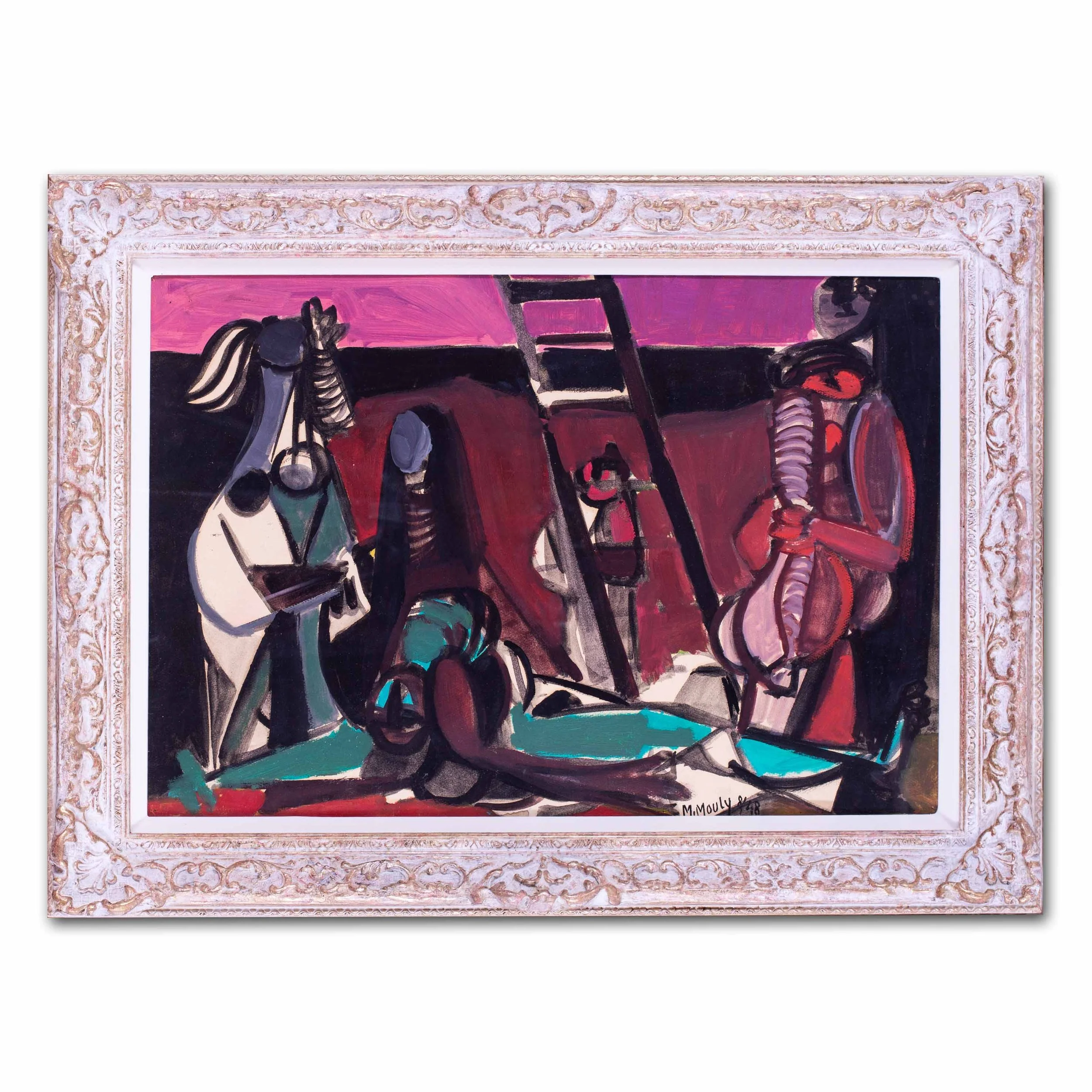 Image 1 of 8
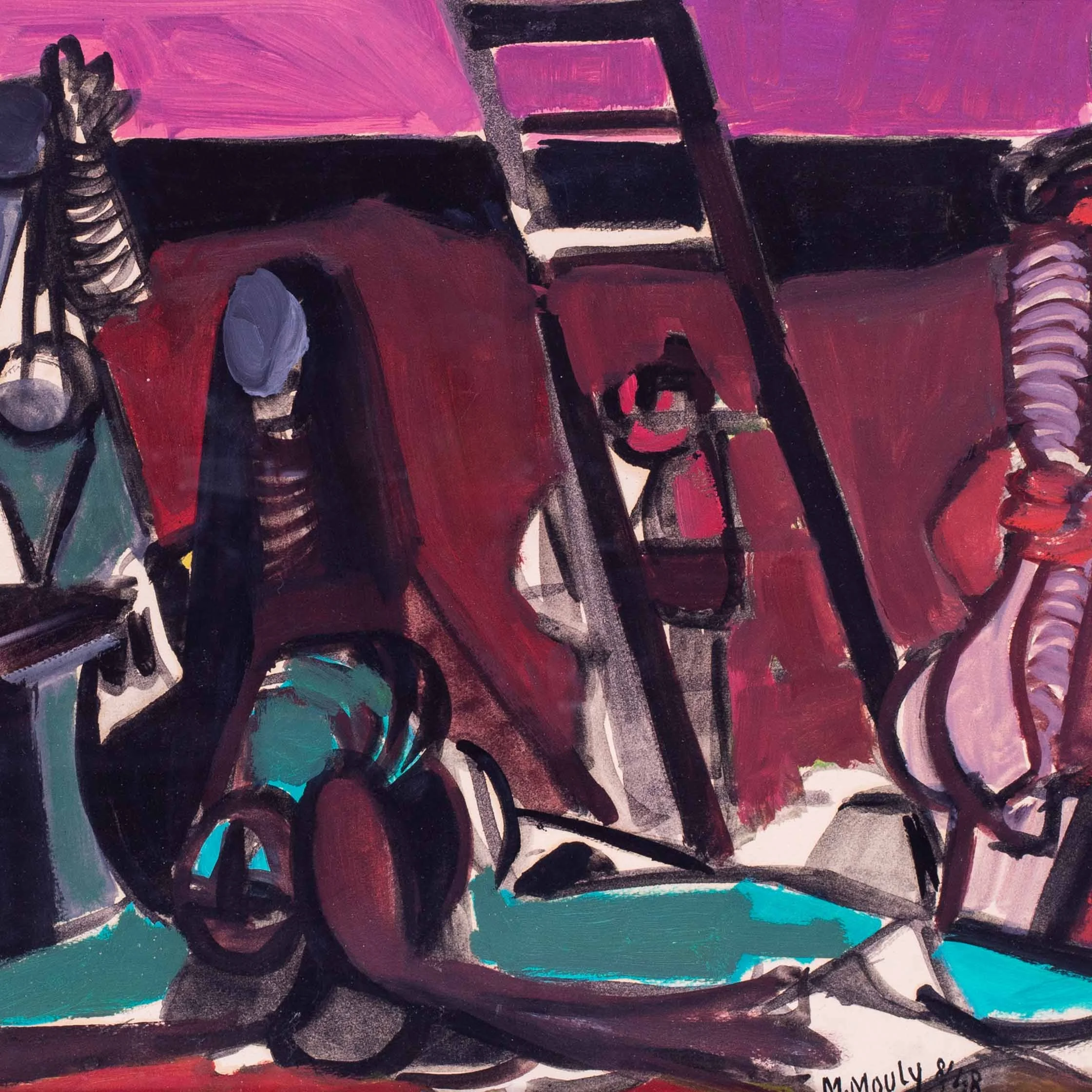 Image 2 of 8
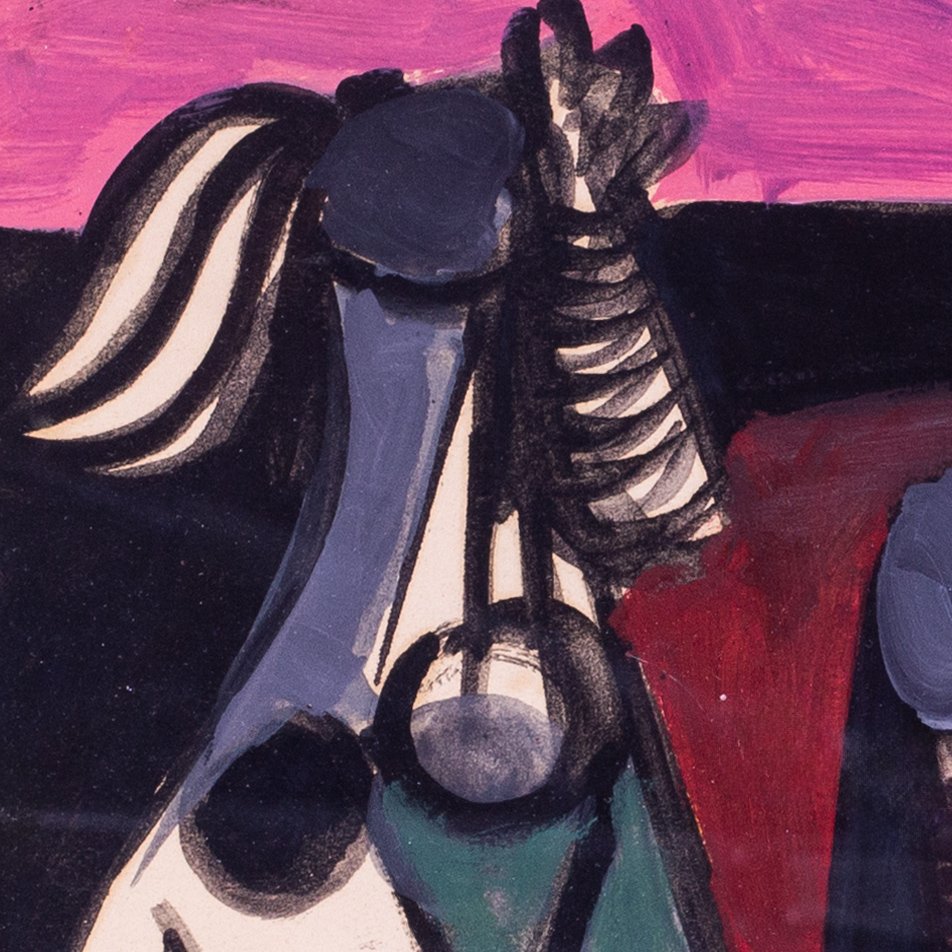 Image 3 of 8
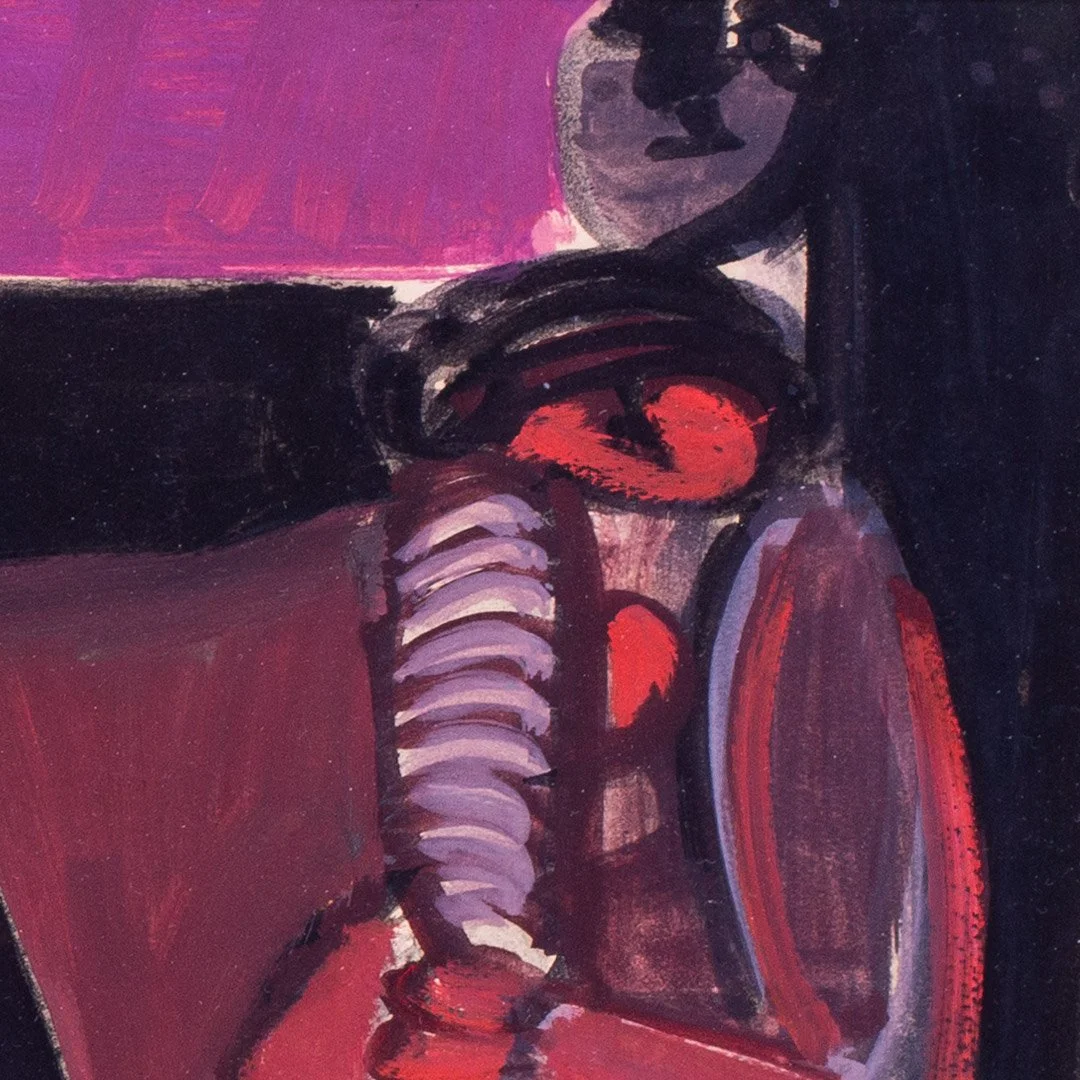 Image 4 of 8
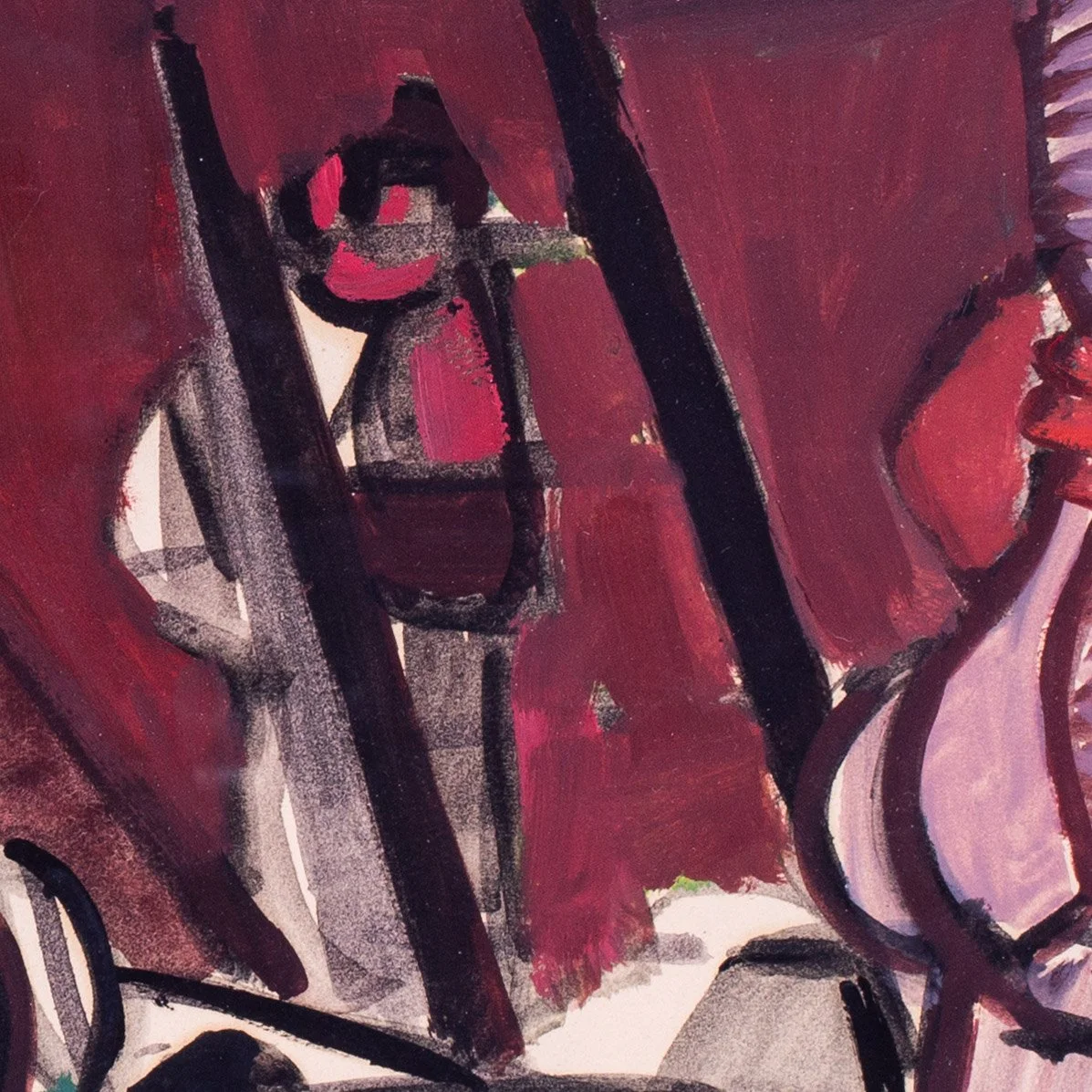 Image 5 of 8
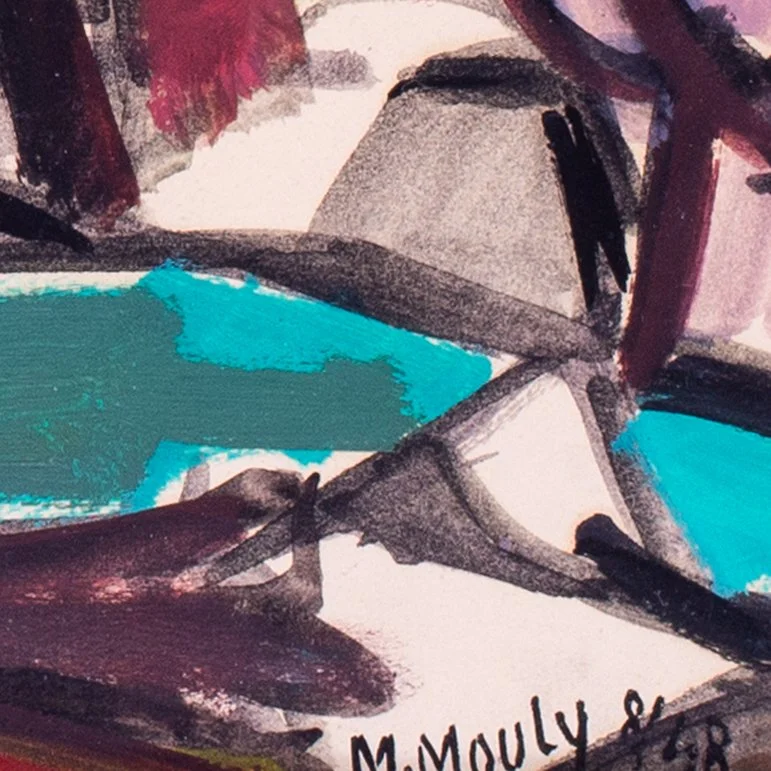 Image 6 of 8
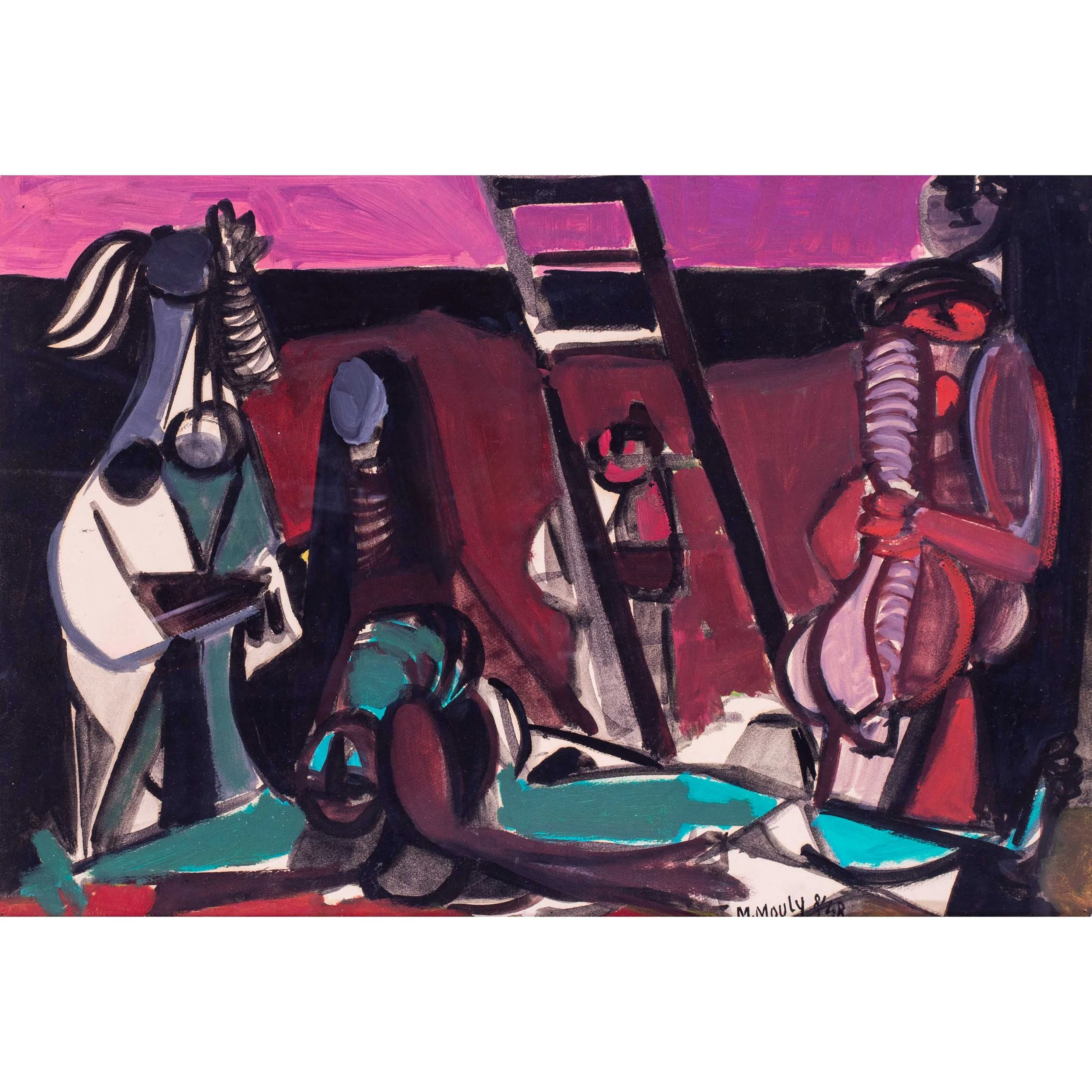 Image 7 of 8
 Image 8 of 8