Paul Ninas (American, 1903 - 1964)
Anchor and Chair with Seagull
oil on canvas
30.1/8 × 60.3/4 in. (76.5 × 154.3cm.)
Provenance: Le Mieux Galleries, New Orleans
Paul Ninas, known as the "Dean of Modern Art" in New Orleans, made a lasting impact on 20th-century art through his vibrant, diverse career as an artist and teacher. After leaving his engineering studies for art, he embraced European modernism, influenced by his travels and by prominent artists like Matisse, Gauguin, and Picasso. Ninas introduced modernist styles to New Orleans' conservative art scene, inspiring a generation of artists and bringing European avant-garde ideas to the American South. His works, from Caribbean landscapes to Cubist-inspired abstracts, showcased a unique blend of realism and abstraction. As a key figure in the New Orleans art community, he taught, painted murals, and exhibited widely, helping to define the modernist movement in the region. His legacy is preserved in collections at prominent museums, including the Whitney Museum of American Art and the New Orleans Museum of Art.
£25,000
Paul Ninas (American, 1903 - 1964)
Anchor and Chair with Seagull
oil on canvas
30.1/8 × 60.3/4 in. (76.5 × 154.3cm.)
Provenance: Le Mieux Galleries, New Orleans
Paul Ninas, known as the "Dean of Modern Art" in New Orleans, made a lasting impact on 20th-century art through his vibrant, diverse career as an artist and teacher. After leaving his engineering studies for art, he embraced European modernism, influenced by his travels and by prominent artists like Matisse, Gauguin, and Picasso. Ninas introduced modernist styles to New Orleans' conservative art scene, inspiring a generation of artists and bringing European avant-garde ideas to the American South. His works, from Caribbean landscapes to Cubist-inspired abstracts, showcased a unique blend of realism and abstraction. As a key figure in the New Orleans art community, he taught, painted murals, and exhibited widely, helping to define the modernist movement in the region. His legacy is preserved in collections at prominent museums, including the Whitney Museum of American Art and the New Orleans Museum of Art.
£25,000

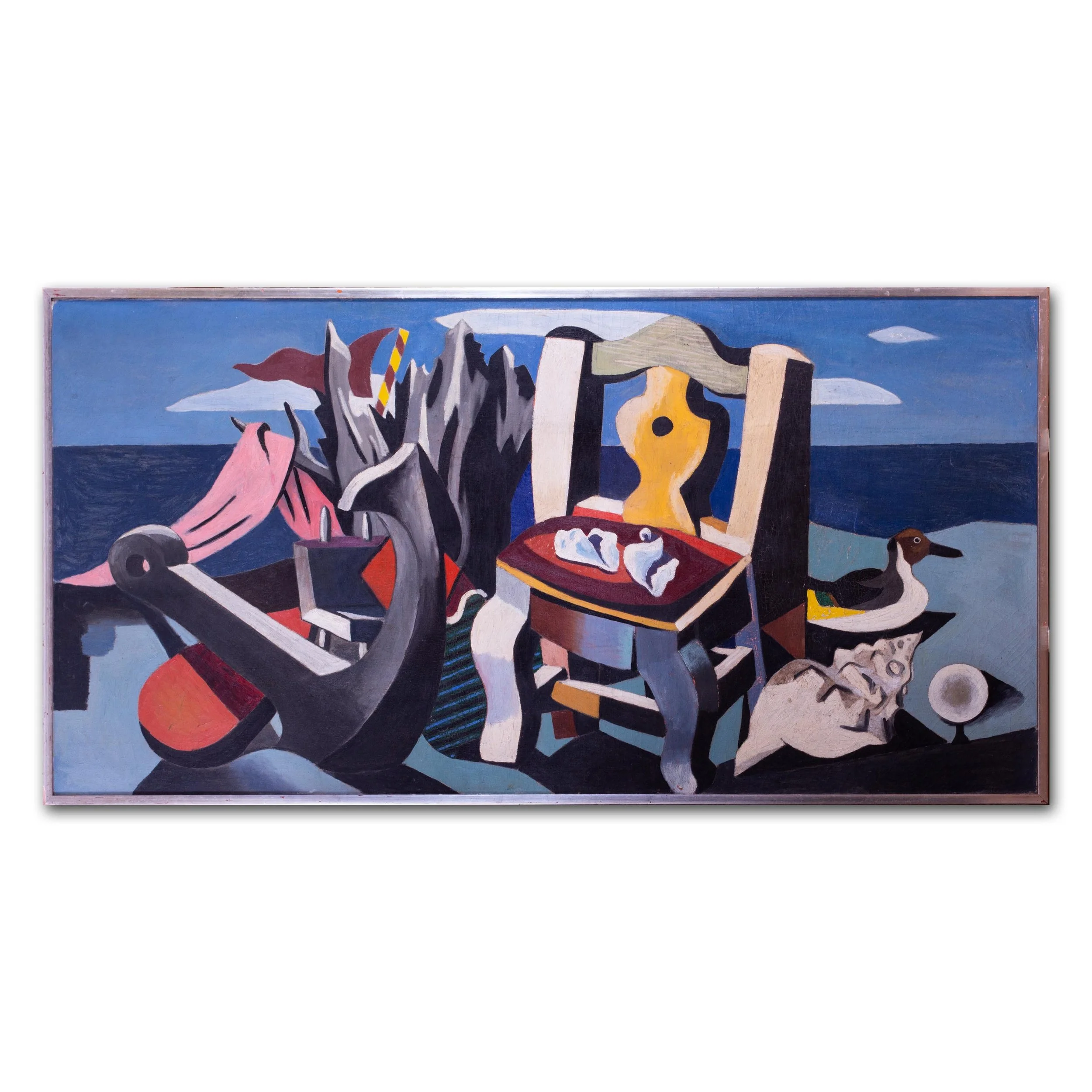 Image 1 of 7
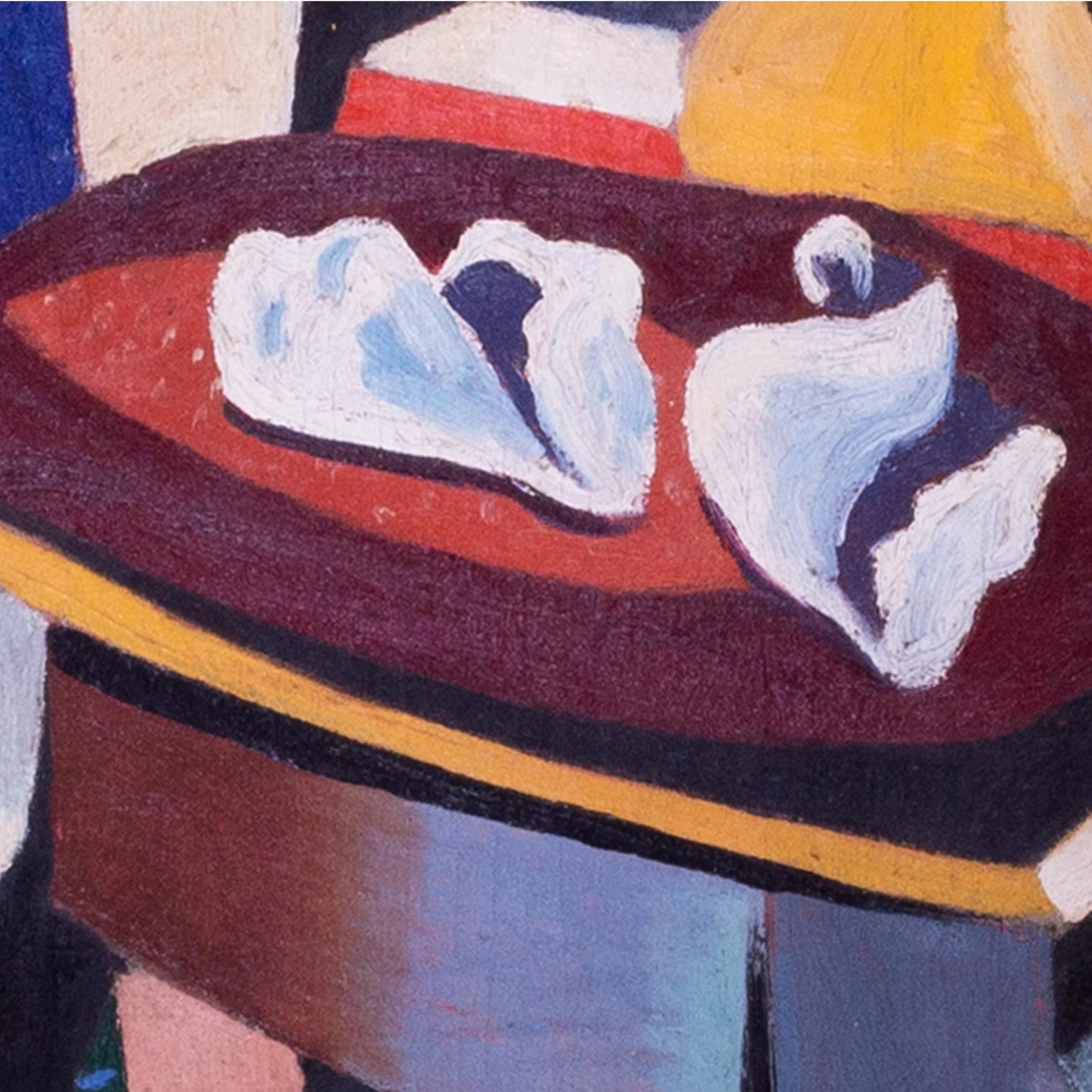 Image 2 of 7
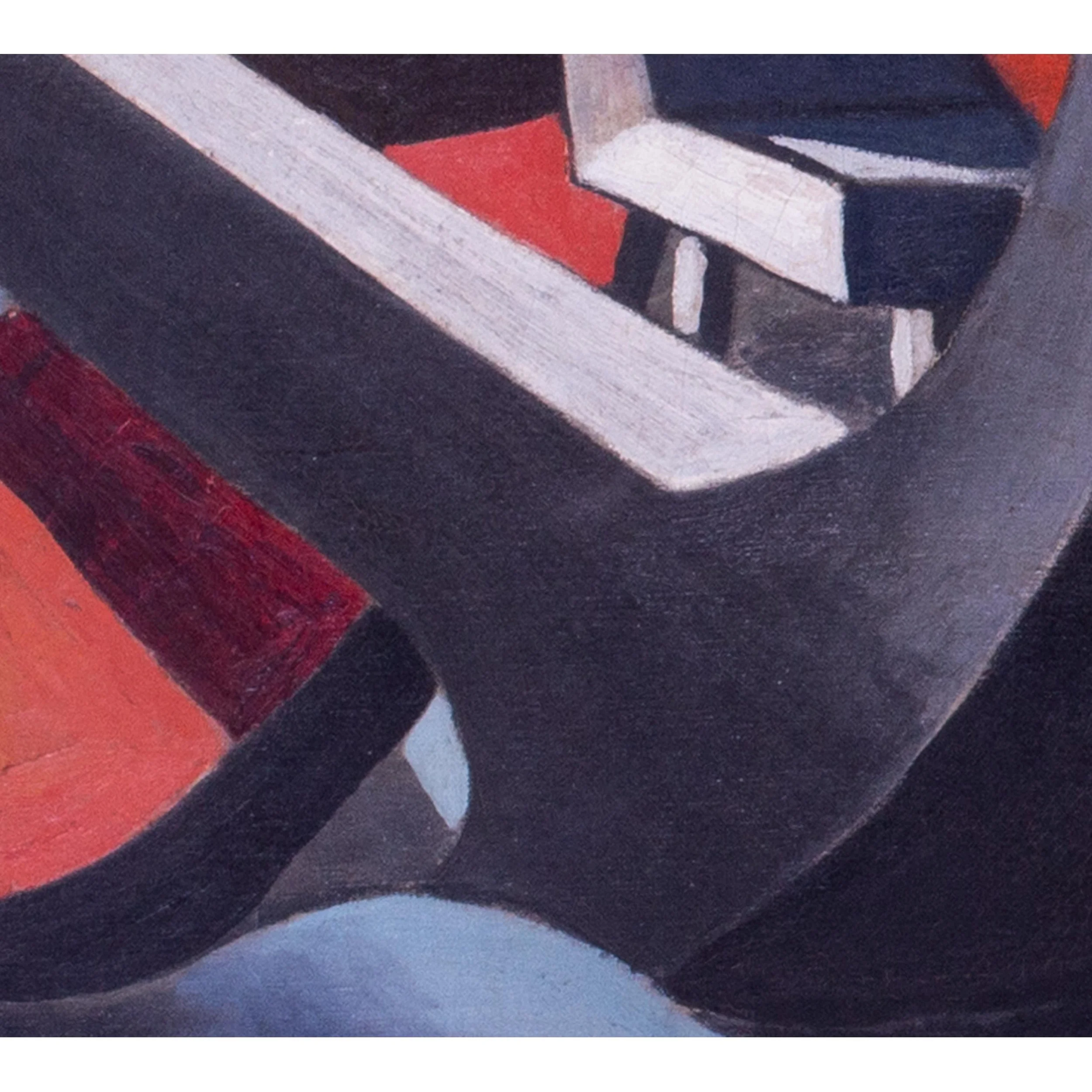 Image 3 of 7
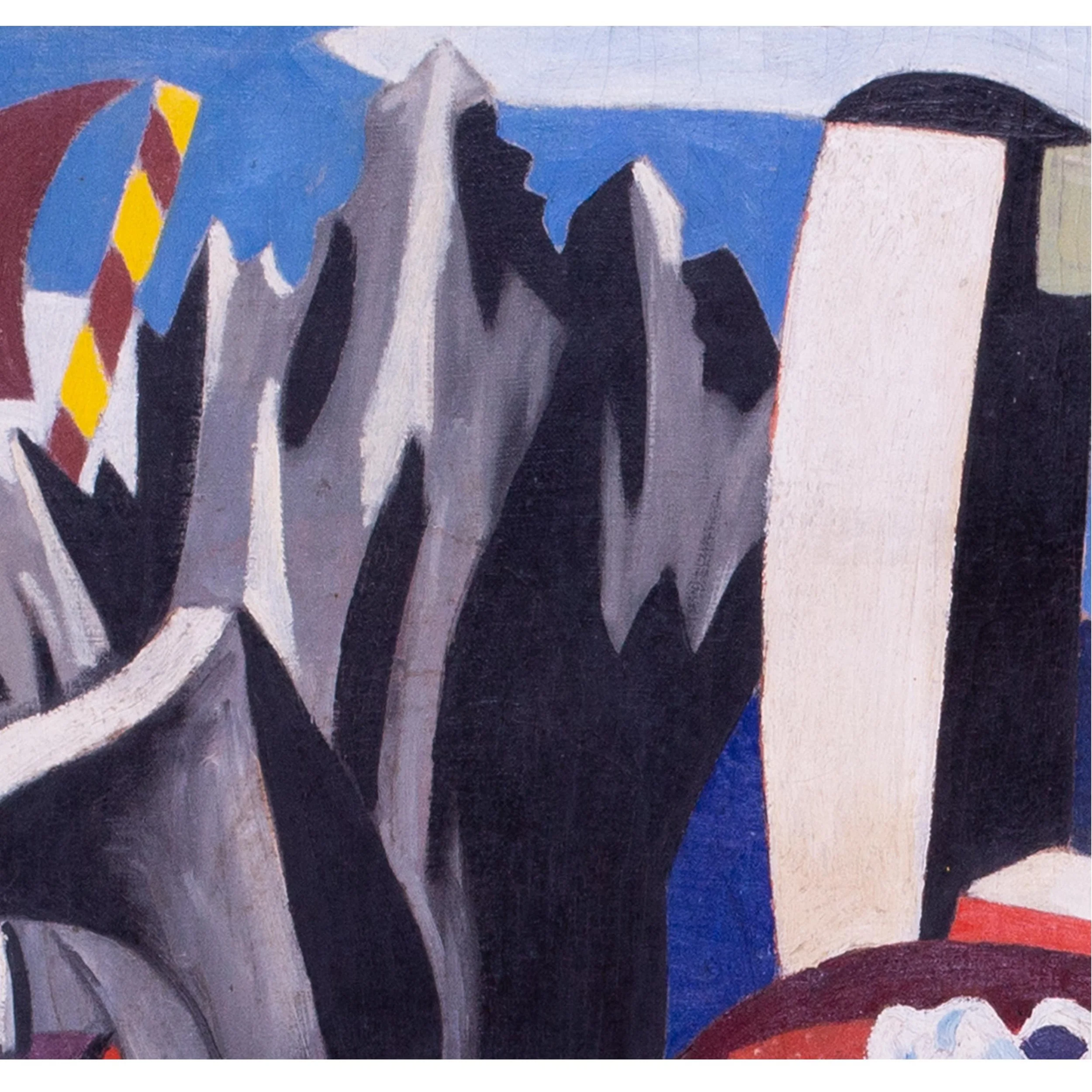 Image 4 of 7
 Image 5 of 7
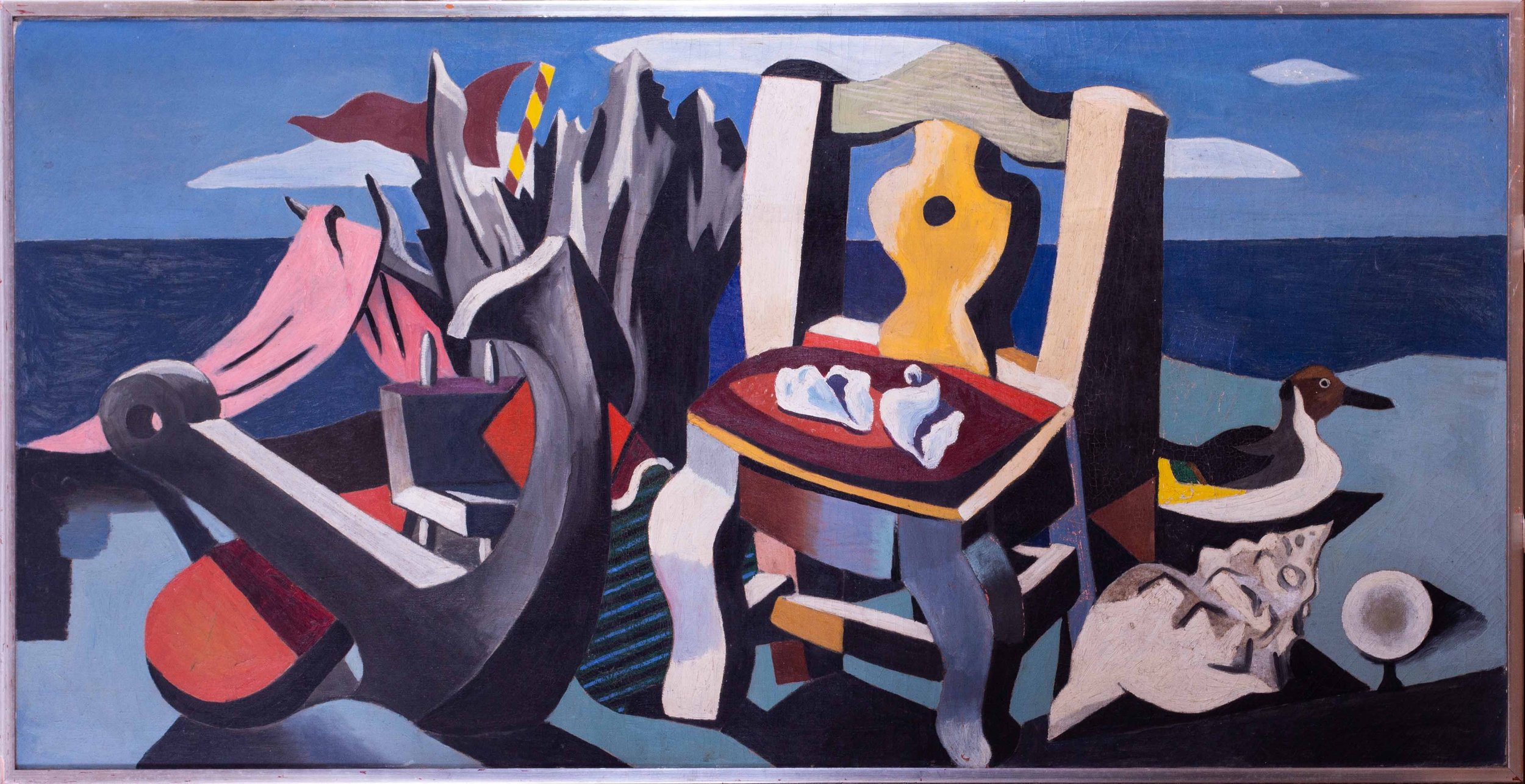 Image 6 of 7
 Image 7 of 7